Author: admin

  • Capacit’e Infraprojects Ltd Strengthens Csr Commitment With Mental Health Initiative

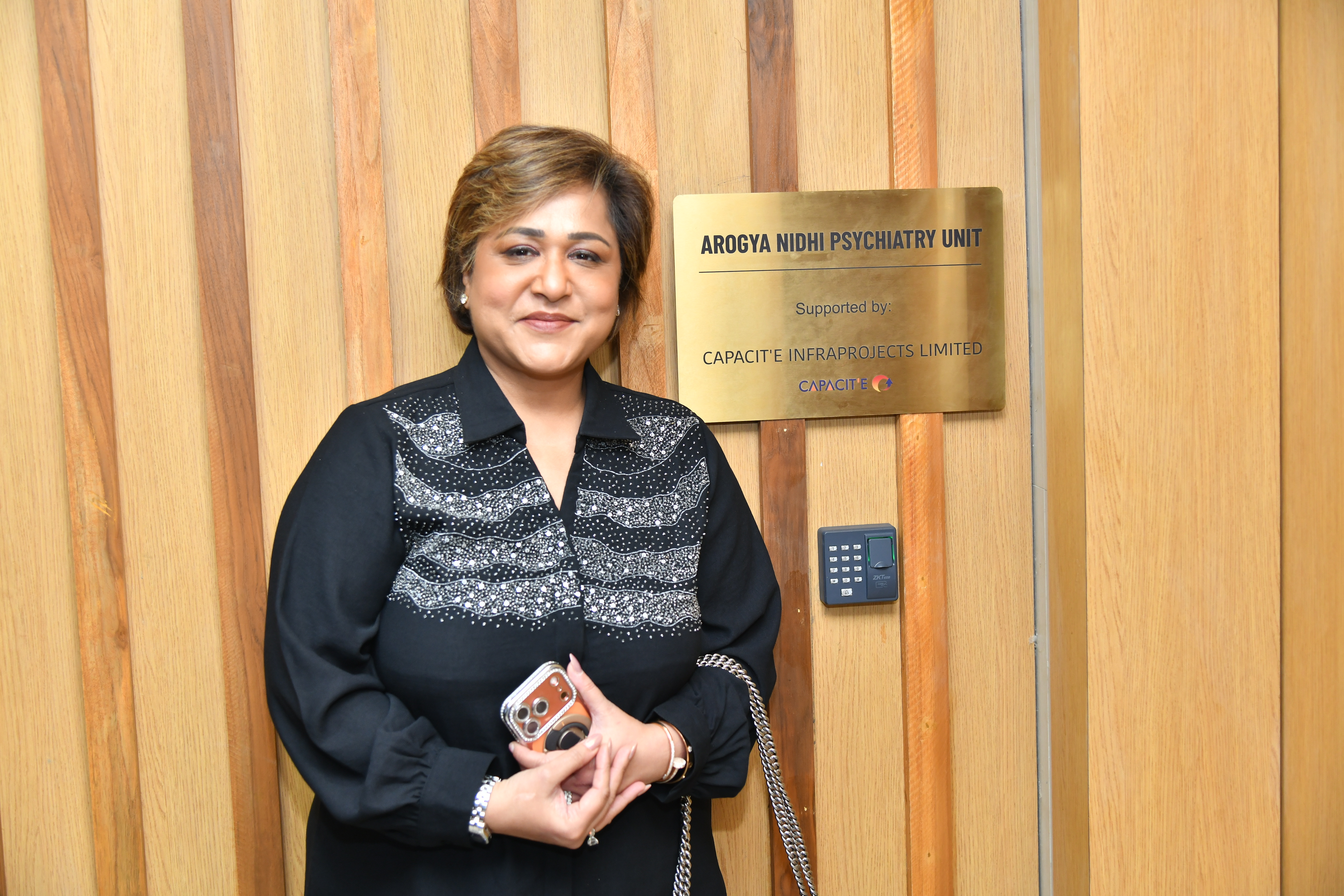
    Mumbai, India  Mar 23: Capacit’e Infraprojects Ltd has reinforced its Corporate Social Responsibility (CSR) commitment by supporting the development of a dedicated psychiatric care unit at Bharatiya Arogya Nidhi Hospital in Juhu, Mumbai. This initiative reflects the company’s belief that mental health is inseparable from physical health and deserves equal priority, compassion, and infrastructure.

    India faces a growing mental health burden, with over 197 million individuals affected according to the National Mental Health Survey (2016). Recent parliamentary data (December 2025) revealed that 7.3% of adolescents (13–17 years) in surveyed states suffer from mental health conditions. Despite rising awareness, nearly 80–85% of people remain without timely or adequate care due to limited access, lack of resources, and stigma.

    Through this CSR initiative, Capacit’e is helping bridge the gap by creating spaces of care, dignity, and compassion. The psychiatric unit at Bharatiya Arogya Nidhi Hospital will provide structured, respectful, and specialized care, ensuring patients and families feel supported. Beyond hospital walls, Capacit’e has also introduced compassionate medical leave policies, workplace sensitization programs, and recognition of mental health as part of medical care—fostering a culture of acceptance and support.

    Capacit’e Infraprojects Ltd Strengthens Csr Commitment With Mental Health Initiative

     Ms. Sakshi Katyal, Executive Director, Procurement, Capacit’e Infraprojects Ltd, said: “Our commitment to mental health is not limited to one project—it is a long-term vision. We see this initiative as the beginning of a larger movement where healthcare institutions, corporates, and communities come together to create spaces of dignity and compassion. Going forward, Capacit’e will continue to invest in initiatives that normalize mental health support, strengthen infrastructure, and inspire collective responsibility for a healthier, more humane future.”

    Capacit’e Infraprojects Ltd Strengthens Csr Commitment With Mental Health Initiative

     Dr. Kersi Chavda, leading psychiatrist, emphasized: “Timely hospital-based psychiatric treatment is vital to bridging India’s care gap. Structured facilities can transform patient outcomes and restore dignity in mental health care.”

    This CSR initiative complements national programs such as Tele-MANAS, which has already handled over 1.8 million counseling calls, and the establishment of 25 Centres of Excellence to strengthen mental health expertise. Capacit’e’s efforts align with international best practices and reinforce a rights-based approach to healthcare.

    The completion of this psychiatric care facility represents more than a single project—it is a step toward normalizing mental health support across communities. Capacit’e hopes this initiative will inspire other organizations and healthcare institutions to integrate structured mental health services, thereby driving progress toward a healthier, more humane future.

  • Supply Chain Trends 2026: How AI, Total Value, and Global Restructuring Are Redefining Business

    Supply Chain Trends 2026: How AI, Total Value, and Global Restructuring Are Redefining Business

    Pic Credit: Pexel

    Global supply chains are entering a defining phase in 2026—one shaped not just by efficiency and cost control, but by intelligence, adaptability, and long-term value creation. What was once considered a behind-the-scenes operational function has now become one of the most strategic pillars of modern business.

    From manufacturing to retail, healthcare to technology, supply chains are no longer just about moving goods from point A to point B. They are now deeply integrated systems that influence competitiveness, customer experience, sustainability, and even national economic strength.

    In this evolving environment, companies are being forced to rethink how supply chains are designed, managed, and measured.

    From Resilience to Total Value Thinking

    For much of the past decade, supply chain strategy revolved around one central idea: resilience. Businesses focused on surviving disruptions—whether caused by pandemics, geopolitical tensions, or logistics breakdowns.

    However, in 2026, a more advanced concept is taking center stage: Total Value creation.

    This approach expands supply chain thinking beyond risk management. Instead of simply preventing failure, companies are now optimizing for multiple outcomes at once:

    • Stronger customer experience
    • Higher operational efficiency
    • Sustainable cost structures
    • Long-term enterprise growth

    In this model, supply chains are no longer passive support systems. They actively contribute to revenue generation, brand trust, and market expansion.

    Organizations that adopt this mindset are beginning to treat supply chains as value engines rather than cost centers.

    The Rise of Centralized Global Supply Chain Models

    Another major shift is the increasing centralization of supply chain operations under Global Business Services (GBS) structures.

    Traditionally, supply chains were fragmented across regions, departments, and business units. This often led to inefficiencies, duplication of effort, and limited visibility.

    In 2026, companies are reversing this model by consolidating functions such as procurement, logistics, demand planning, and reporting into centralized systems.

    This shift is driven by several advantages:

    • Improved global visibility of operations
    • Standardized decision-making processes
    • Better cost control and governance
    • Faster coordination across markets
    • Easier adoption of automation and AI tools

    Centralization also enables organizations to build integrated digital command centers that track supply chains in real time, improving both speed and accuracy in decision-making.

    Artificial Intelligence Becomes the Core Infrastructure

    Artificial intelligence is no longer an experimental add-on in supply chains—it is becoming core infrastructure.

    In 2026, AI is embedded across multiple stages of supply chain operations, including forecasting demand, managing inventory, optimizing logistics routes, and identifying risks before they escalate.

    What makes this shift significant is the move toward connected intelligence. Instead of isolated AI tools, companies are building systems where data flows seamlessly across procurement, finance, operations, sustainability, and customer service.

    This integration allows supply chains to function more like intelligent ecosystems rather than disconnected processes.

    As a result, decisions that once took days can now be made in real time with higher accuracy and lower risk.

    Agentic AI Transforms Procurement

    One of the most transformative developments is the rise of Agentic AI in procurement and sourcing functions.

    Unlike traditional AI systems that provide recommendations, agentic systems can execute tasks independently within predefined rules.

    These systems are now capable of:

    • Evaluating and ranking suppliers
    • Managing tender and RFP processes
    • Monitoring supplier risk continuously
    • Automating contract lifecycle management
    • Triggering renewals and onboarding workflows
    • Supporting negotiation strategies based on historical data

    This shift significantly reduces manual workload while improving compliance, transparency, and speed.

    Procurement is evolving from a human-heavy administrative function into a hybrid system where humans focus on strategy and AI handles execution.

    New Metrics for a Complex Supply Chain World

    As supply chains become more advanced, traditional performance indicators are no longer sufficient.

    Metrics such as cost per unit or on-time delivery still matter, but they are now part of a much broader measurement framework.

    In 2026, organizations are increasingly tracking:

    1. Real-Time Visibility
    How quickly disruptions are detected and resolved using live data.

    2. Resilience and Recovery
    How fast supply chains recover after shocks and how flexible sourcing networks are.

    3. AI Effectiveness
    Accuracy of forecasting models and automation success rates.

    4. Digital Twin Performance
    How closely virtual simulations match real-world outcomes.

    5. Human–Machine Collaboration
    How effectively employees and AI systems work together.

    6. Risk and Cybersecurity
    Supplier risk exposure, incident response time, and system security strength.

    7. ESG Performance
    Carbon emissions across the supply chain, sustainable sourcing rates, and supplier compliance.

    These metrics reflect a shift toward measuring supply chains not just by output, but by intelligence, sustainability, and adaptability.

    Global Trade Volatility Continues to Shape Strategy

    Despite technological progress, global supply chains remain exposed to external pressures.

    Geopolitical tensions, tariff changes, and trade restrictions continue to disrupt sourcing strategies and cost structures. Businesses can no longer assume stable global trade conditions.

    In response, companies are:

    • Diversifying supplier bases across multiple regions
    • Moving production closer to key consumer markets
    • Increasing buffer inventory in critical categories
    • Using scenario-planning tools to model risk outcomes

    Digital simulation platforms now play a crucial role in helping businesses understand how policy shifts or disruptions could impact operations in real time.

    Agility Becomes the Defining Competitive Advantage

    In this new era, the most successful supply chains are not necessarily the largest or cheapest—they are the most agile.

    Agility means the ability to:

    • Switch suppliers quickly
    • Adjust production locations dynamically
    • Reroute logistics in real time
    • Respond instantly to changes in demand

    This flexibility allows companies to absorb shocks without losing efficiency or customer trust.

    Agility is no longer optional—it is a core requirement for survival and growth.

    Conclusion: The Future of Intelligent Supply Chains

    The supply chain of 2026 represents a fundamental shift in how global business operates. It is no longer a linear process but a dynamic, interconnected system driven by data, automation, and strategic value creation.

    Companies that embrace AI, centralization, advanced analytics, and flexible sourcing models will be better positioned to navigate uncertainty and capture new opportunities.

    In the end, the future belongs to supply chains that are not only efficient and resilient—but intelligent, adaptive, and deeply aligned with business strategy and global economic change.

  • How India’s PLI Scheme Is Transforming Businesses and Strengthening the Economy

    India’s manufacturing sector is stepping into a new era—one that goes beyond incremental growth and focuses on long-term transformation. At the heart of this shift is the Production Linked Incentive Scheme (PLI), a policy designed to turn India into a global manufacturing powerhouse.

    While headlines often focus on investment figures and production milestones, the deeper impact of the PLI scheme lies in how it is reshaping business confidence, unlocking new opportunities, and strengthening the country’s economic backbone.

    What Is the PLI Scheme and Why It Matters

    The PLI scheme is a performance-based incentive program that rewards companies for increasing production within India. Simply put, the more a company manufactures, the greater the incentive it receives.

    This approach has changed the way businesses think about India—not just as a consumer market, but as a competitive manufacturing destination.

    How the PLI Scheme Is Helping Businesses Grow

    For businesses, the PLI scheme acts as a powerful growth engine.

    By directly linking incentives to output, it encourages companies to expand operations, invest in new facilities, and adopt modern technologies. This has led to:

    • Larger manufacturing capacities
    • Faster adoption of automation and innovation
    • Improved efficiency and product quality

    For large enterprises, it reduces the financial risk of scaling up. For MSMEs, it creates opportunities to become suppliers and partners in expanding industrial ecosystems.

    The result is a more dynamic and interconnected business environment where growth is both supported and sustained.

    Improving Global Competitiveness

    Indian manufacturers have long faced challenges competing with established global hubs due to cost pressures and supply chain inefficiencies.

    The PLI scheme addresses these gaps by:

    • Promoting domestic production of critical components
    • Reducing dependency on imports
    • Enabling economies of scale

    This shift is helping Indian industries become more competitive—not only in pricing but also in quality and reliability. Sectors such as electronics, pharmaceuticals, and automotive manufacturing are already seeing strong global traction.

    Empowering MSMEs and Strengthening Supply Chains

    Micro, small, and medium enterprises (MSMEs) are the backbone of India’s industrial ecosystem. While they may not always be direct beneficiaries of incentives, they play a crucial role in supporting larger manufacturers.

    Through the PLI ecosystem, MSMEs gain:

    • Stable demand from large companies
    • Access to better technology and processes
    • Opportunities to scale and integrate into global supply chains

    This creates a ripple effect where growth at the top strengthens the entire industrial base.

    Driving Job Creation and Economic Activity

    One of the most significant impacts of the PLI scheme is employment generation.

    As manufacturing expands, it creates jobs across multiple levels—from factory workers and engineers to logistics and service professionals. These jobs increase household incomes, which in turn boosts consumer spending.

    Higher consumption fuels demand across industries, creating a cycle of growth that supports the broader economy.

    Boosting FDI and Global Investor Confidence

    India is increasingly becoming a preferred destination for global manufacturers looking to diversify supply chains.

    With supportive policies and incentives under the PLI scheme, foreign direct investment is on the rise. Investors are not just entering the market—they are building long-term manufacturing capabilities.

    This brings added advantages such as:

    • Technology transfer
    • Improved production standards
    • Stronger global integration

    Over time, this strengthens India’s position in international trade and manufacturing networks.

    Reducing Import Dependence

    A major economic benefit of the PLI scheme is its role in import substitution.

    By encouraging local manufacturing of products like electronics, solar equipment, and telecom components, India is:

    • Reducing its import bill
    • Improving trade balance
    • Building economic resilience

    In an uncertain global environment, this self-reliance is becoming increasingly important.

    Aligned with India’s Long-Term Vision

    The PLI scheme supports the broader vision of Atmanirbhar Bharat—building a self-reliant yet globally competitive economy.

    The long-term objective is to significantly increase the contribution of manufacturing to India’s GDP and create a strong, sustainable industrial ecosystem.

    Challenges to Overcome

    While the opportunities are immense, businesses must also address key challenges:

    • Bridging skill gaps in the workforce
    • Strengthening infrastructure and logistics
    • Maintaining global quality benchmarks

    Sustained success will depend on how effectively these challenges are managed.

    Conclusion: A Defining Moment for India’s Economy

    The PLI scheme is more than just a policy initiative—it represents a shift in India’s economic strategy.

    It empowers businesses to scale, encourages innovation, and creates millions of job opportunities. At the same time, it strengthens the economy by attracting investment, boosting exports, and reducing import dependence.

    As the scheme continues to evolve, it is laying the foundation for a stronger, more resilient India—one that is ready to compete and lead on the global stage.

  • Chula Launches “Siam Quantum Square” with Programs to Drive the Thai Business Sector towards Quantum Era

    Chulalongkorn University has launched the “Siam Quantum Square” with the aim of driving Thailand towards becoming a regional hub for quantum technology. The initiative includes the signing of MOUs with key partners to help transition the country from a technology user to a technology owner, promote an innovation-based economy, strengthen cybersecurity, and enhance national competitiveness. Most recently, the university has joined forces with leading business and academic partners—IBM, the Graduate School, and QTFT—to develop short courses and executive programs aimed at preparing the business sector to adapt to the quantum era.

    Prof. Dr. Wilert Puriwat, President of Chulalongkorn University, presided over the launching of “Siam Quantum Square” onMonday, January 26, 2026, on the G floor of Samyan Mitrtown. He stated that “in 2026, Chulalongkorn University has created a new milestone with the launch of Siam Quantum Square, which is considered the largest quantum center in Thailand. “It is intended to serve as a hub for quantum data and development, supported through collaboration with and backing from the public sector, private sector, and leading international universities. This project aims to cultivate scientific ‘innovators’ in Thailand, particularly by empowering scientists and physicists from the Faculty of Science at Chulalongkorn University to develop new innovations to drive the country forward. The center’s operations go beyond traditional textbook instruction, focusing instead on cutting-edge scientific advancements that can be practically applied in real-world contexts.”

    “Siam Quantum Square focuses on advancing quantum technology across multiple areas to enhance the quality of life for the public. These include Quantum Machine Learning, Quantum Computing, and Quantum Sensing in its various forms. These scientific developments will be transformed into tangible innovations and practical outputs to maximize societal benefits and improve overall quality of life.”

    Prof. Dr. Pranut Potiyaraj, Dean of the Faculty of Science, Chulalongkorn University, opined that“Quantum technology involves controlling the properties and states of particles according to the principles of quantum mechanics in order to develop innovations that benefit the economy, society, and emerging technologies. Today, quantum principles already play a significant role and serve as the foundation of technologies that surround us, such as smartphones, solar cells, and MRI machines used in medicine. Therefore, quantum technology is not as distant from everyday life as many people may think. Moreover, quantum computers represent an advanced technology that applies quantum principles at the highest level to solve complex problems that current computers cannot handle. They also have the potential to break existing digital encryption systems. As a result, quantum computing is becoming a key force in transforming the digital industry and the global economic system.” 

    Siam Quantum Square will operate under four core missions: 1) To develop and cultivate personnel in quantum technology; 2) To conduct world-class strategic research, with a strong emphasis on building foundational knowledge that will, in the long term, enable Thailand to develop and truly own its technologies—rather than merely being a user of technology; 3) To foster collaboration among various sectors, including government, private industry, and international networks, in order to promote knowledge exchange and reduce risks from technological restrictions; 4) To communicate knowledge about quantum technology to the general public, ensuring broader understanding and accessibility. The center’s activities receive partial funding from the Reinventing University initiative under the supervision of the Office of the Permanent Secretary, Ministry of Higher Education, Science, Research, and Innovation (MHESI). 

    “We will focus on world-class research excellence alongside the application of quantum technology to solve problems in various fields, such as drug development, advanced materials, energy, medicine, finance, and transportation. Examples of quantum technology development already undertaken by Siam Quantum Square include research in Quantum Computing, as well as Quantum Artificial Intelligence (Quantum AI), which integrates quantum computing with artificial intelligence. The center also has plans to expand into other areas, including Quantum Cryptography research to strengthen cybersecurity and the research and development of quantum encryption systems capable of preventing data interception. In addition, we aim to advance Quantum Materials and Devices, developing new materials that can be applied to quantum computers and quantum sensors,” said Prof. Dr. Pranut. 

    “Siam Quantum Square also works closely with the Quantum Technology Foundation (Thailand) [QTFT], a Thai quantum startup, on research in Advanced Optimization, with plans to expand into Quantum Optimization research in the future. This will help enhance the efficiency of management systems across various business sectors. In addition, the center has received cooperation from other industry partners, including projects on Portfolio Optimization with Quantum Computers in collaboration with Western Digital Corporation (Thailand). In the near future, there are also plans to secure partnerships with Denso and Japan’s National Institute of Advanced Industrial Science and Technology (AIST). 

    Siam Quantum Square is also committed to building collaborative networks at every level—from academic institutions and domestic industries to global partners. Most recently, it has prepared to sign memoranda of understanding with IBM Thailand, Japan’s National Institute of Advanced Industrial Science and Technology (AIST), and Qunova Computing of South Korea. There are also plans to expand partnerships with several leading private-sector organizations, including Western Digital Corporation (Thailand) and Siam Commercial Bank (SCB), to apply quantum technology in addressing business challenges, data security, medical advancements, and broader societal issues. 

    In addition, Siam Quantum Square has developed international master’s and doctoral programs specifically focused on quantum technology. These programs emphasize both theoretical and practical training to prepare students for the emerging global quantum job market. The center is also planning discussions on student and staff exchange programs with the Korea Advanced Institute of Science & Technology (KAIST) in South Korea and the National Institute for Materials Science (NIMS) in Japan. Furthermore, it is ready to collaborate with IBM, the Graduate School, and QTFT to develop short courses and executive programs aimed at preparing Thailand’s business sector for the transition into the quantum era. 

  • Smart Materials, Strong Nation: India’s Push into Technical Textiles and Specialty Chemicals

    How Technical Textiles Are Reshaping India’s Future: Innovation, Policy, and a $350 Billion Vision

    Smart Materials, Strong Nation: India’s Push into Technical Textiles and Specialty Chemicals

    Pic Credit: Pexel

    Walk into a modern hospital, step inside an electric vehicle, or drive along a newly built highway—chances are, you are surrounded by materials you never notice but cannot live without. These are technical textiles: high-performance fabrics engineered not for how they look, but for what they do.

    Once considered a niche segment, technical textiles have moved to the center of global industrial innovation. Designed for strength, safety, durability, and specialized functionality, they are now essential across sectors like healthcare, mobility, infrastructure, and defense. As industries evolve, so does the demand for smarter materials—and this is where technical textiles, supported by advanced specialty chemicals, are making a lasting impact.

    Globally, the sector is on a strong growth trajectory, expected to cross USD 324 billion by the end of the decade. But what makes this story particularly compelling is India’s rapid emergence as a serious contender in this space.

    Understanding Technical Textiles: Beyond Fabric

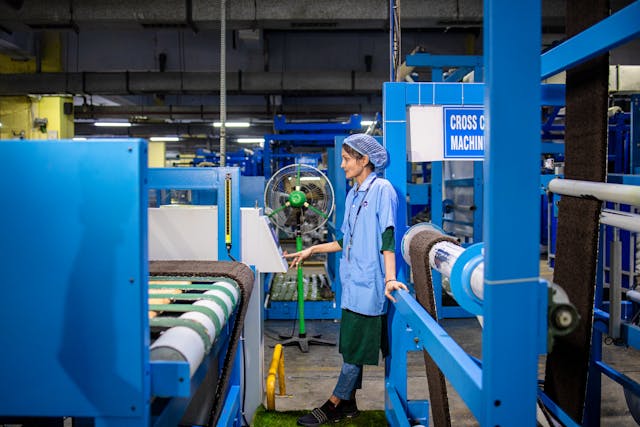
    At its core, technical textiles are problem-solving materials. Unlike traditional textiles that focus on comfort or fashion, these fabrics are engineered to perform under demanding conditions.

    Think of seat belts that can withstand extreme force, surgical gowns that prevent infection, or geotextiles that hold together entire road structures. These are not just fabrics—they are enablers of safety, efficiency, and innovation.

    From antimicrobial medical wear to fire-resistant suits and sensor-enabled wearable technology, technical textiles are quietly transforming everyday life.

    India’s Strategic Push: Policy Meets Opportunity

    Recognizing the transformative potential of this sector, the Ministry of Textiles, Government of India has taken a proactive role in building a future-ready textile ecosystem. Rather than focusing solely on volume, the government is prioritizing value—encouraging innovation, sustainability, and skill development.

    This shift reflects a broader ambition: to position India not just as a manufacturing hub, but as a global leader in advanced materials.

    Key Initiatives Powering the Transformation

    India’s textile growth story is being actively shaped by a series of well-structured government programs:

    National Technical Textiles Mission (NTTM)

    The National Technical Textiles Mission is at the heart of India’s push into high-performance textiles. It promotes research, supports startups, and encourages the development of specialized applications in sectors like agriculture and healthcare. Just as importantly, it focuses on reducing dependence on imported machinery by supporting indigenous innovation.

    PM MITRA Parks: Building Scale and Efficiency

    Through the PM Mega Integrated Textile Region and Apparel Parks initiative, India is creating large, integrated textile hubs. These parks bring together the entire value chain—from raw material processing to finished goods—within a single ecosystem. The result is lower costs, faster production cycles, and greater global competitiveness.

    Samarth Scheme: Investing in People

    No industry can grow without skilled talent. The Samarth Scheme addresses this by training a new generation of workers equipped to handle modern textile technologies. It is a crucial step in ensuring that innovation on paper translates into impact on the ground.

    Boosting Research and Advanced Materials

    The government is also investing in research projects focused on next-generation materials—ranging from sustainable geotextiles to smart wearables. These efforts are helping Indian institutions move beyond manufacturing into innovation-led growth.

    Integrated Wool Development Programme (IWDP)

    The Integrated Wool Development Programme strengthens one of India’s traditional sectors by improving quality, productivity, and supply chain efficiency, ensuring it remains relevant in a modern context.

    The Bigger Picture: A Self-Reliant Textile Economy

    All these initiatives align with the vision of Atmanirbhar Bharat—building a self-reliant, globally competitive India. The goal is not just growth, but transformation: creating a $350 billion textile ecosystem by 2030 that blends scale with sophistication.

    This approach is particularly significant in a world where supply chains are shifting and sustainability is no longer optional. By investing in eco-friendly chemicals, water-efficient processing, and biodegradable materials, India is aligning itself with global expectations while building long-term resilience.

    Why Technical Textiles Matter More Than Ever

    What makes technical textiles so powerful is their invisibility. They operate behind the scenes—reinforcing roads, protecting lives, improving medical outcomes, and enabling next-generation technologies.

    As industries move toward automation, electrification, and sustainability, the demand for high-performance materials will only grow. Technical textiles, supported by innovations in specialty chemicals, are uniquely positioned to meet this demand.

    Looking Ahead: From Potential to Leadership

    India stands at a pivotal moment. With strong policy backing, a growing innovation ecosystem, and a large manufacturing base, the country has all the ingredients needed to lead in this space.

    The journey, however, is not just about scaling up—it’s about moving up the value chain. Success will depend on continued investment in research, stronger industry-academia collaboration, and a relentless focus on quality and sustainability.

    If executed well, India’s technical textiles sector will not just support industrial growth—it will define it.

  • transcosmos announces the results of the Global Online Shopping Survey in 8 Cities 2026

    AI “searches,” humans “assist” purchases — Shanghai, Bangkok, and Mumbai lead in AI-driven shopping

    Tokyo, Japan, Mar 23: transcosmos has conducted its proprietary “Global Online Shopping Trends Survey 2026,” summarizing the latest trends in AI-powered shopping using generative AI. The survey compares how consumers in eight major cities utilize AI at each stage of the shopping process—from product discovery and comparison to final purchase—and where they still prefer human support.

    ■Survey overview Method: Global online research panel, multilingual questionnaire (respective local language options available) Regions: Japan (Tokyo), Shanghai (China), Seoul (South Korea), India (Mumbai), Thailand (Bangkok), Jakarta (Indonesia), London (U.K.), Los Angeles (U.S.) Respondents: Men and women aged between 15 and 49 years old that have used online shopping (made a purchase) in the past 1 year Samples: 320 x 8 cities = Total 2,560 Period: January 28 – Feburary 10, 2026 Research agency: Cross Marketing, Inc. Note: Due to stricter personal data protection regulations, respondents under 20 were excluded in Bangkok.

    ■Key findings 1. AI Shopping Usage: Over 80% use AI search in Mumbai, Bangkok & Shanghai — strong intention to use across all cities ●When asked about their use of generative AI search services (ChatGPT, Perplexity, DeepSeek, etc.) across shopping stages—product discovery, Q&A/troubleshooting, and purchase—all cities showed the highest usage in “product discovery.” In Mumbai, Bangkok, and Shanghai, usage reached 70–90% across all stages, while Tokyo remained low at around 20% even for product searches. ●Future intention to use AI (those who “have used and want to continue using” + “have not used but want to try”) exceeded current usage in all cities.In Mumbai, Bangkok, and Shanghai, over 80% expressed willingness to use generative AI search services at every stage. Even in Tokyo, nearly half showed positive interest.

    Chart 1. Usage of Generative AI Search Services (e.g., ChatGPT, Perplexity, DeepSeek) for AI Shopping: Current Usage (Left) and Future Intent to Use (Right) (%)
    ━ Product Search ━ Q&A/troubleshooting ━ Purchase

    2.Consumers prefer AI for searching, but still value human help for troubleshooting and purchases ●Regarding preferences between “AI assistance” and “human assistance,” AI overwhelmingly dominated the product discovery stage in every city except Tokyo. For troubleshooting and purchasing, demand for human support remained strong, resulting in a more balanced preference between AI and humans. ●Cities with higher AI usage—Mumbai, Bangkok, and Shanghai—also showed stronger preference for AI across all stages. For product discovery, AI preference reached 85% in Mumbai and Bangkok, and 80% in Shanghai, while Tokyo remained at 47%.

    Chart 2. Preference for Customer Assistance in the Online Shopping Process (AI Support vs. Human Support Ratio) (%)

    ■ AI Support ■ Human Support

    3.Social commerce usage continues to grow in all cities — Key channels are TikTok/Douyin and Instagram ●Over the past year, more than half of consumers in all cities except Tokyo used social commerce. Usage reached 95% in Bangkok, 93% in Shanghai, and 90% in Jakarta. Social commerce usage increased year-over-year in all cities, including London and Los Angeles. Tokyo remains low at 24%. ●The most widely used platform was TikTok/Douyin, particularly in cities where TikTok Shop is available (Shanghai, Bangkok, Jakarta, London, Los Angeles). In Mumbai and Seoul, Instagram and YouTube were most used, showing that short-video and image-driven social commerce remains strong even where TikTok/TikTok Shop is restricted.

    Chart 3. Percentage of Social Commerce Users (2025–2026 Comparison) (%)

    Chart 4. Main Platforms Used for Social Commerce Purchases (%)

    Masayuki Hagiwara, Analyst, Global Business Division at transcosmos inc., commented: “The survey indicates that generative AI is significantly transforming online shopping behavior. AI is becoming the new gateway for product discovery, especially in Asian cities, where AI search and social media–driven purchasing behavior are rapidly expanding. Meanwhile, consumers still rely on human support for troubleshooting and final purchase decisions, showing a distinct division of roles between AI and humans. Additionally, platforms like TikTok are evolving from information sources to full-fledged shopping channels, diversifying entry points to e-commerce. In the future, the key to competitive advantage in e-commerce will lie in how companies integrate AI search, social commerce, and human support.”

    transcosmos is a trademark or registered trademark of transcosmos inc. in Japan and other countries. Other company names and product or service names used here are trademarks or registered trademarks of respective companies.


  • FILA Redefines Luxury Sportism at Milan Fashion Week 2026 with ‘FILA MILANO’ Collection

    Milan, Italy, Mar 23: FILA reinforced its global fashion stature with the unveiling of its Fall/Winter 2026 ‘FILA MILANO’ collection at Milan Fashion Week. The showcase marked the brand’s third runway appearance in Milan, following its previous presentations in 2018 and 2019, and celebrated over 110 years of Italian heritage through a contemporary luxury lens.

    FILA Redefines Luxury Sportism at Milan Fashion Week 2026 with ‘FILA MILANO’ Collection

     Led by creative director Alistair Carr, the collection delivered a refined interpretation of “Luxury Sportism,” blending formal elegance with performance-driven design. The runway featured a sophisticated wardrobe that seamlessly fused tailoring with athletic functionality, earning widespread acclaim for elevating sportswear into the luxury segment.

    The show’s standout moment came with the appearance of Global Brand Ambassador Han So-hee, whose presence embodied the collection’s theme of urban sophistication and dynamism. Her participation drew significant attention from international media and fashion audiences, amplifying the show’s global impact.

    Adding further star power, front-row attendees included model Barbara Palvin and actor Dylan Sprouse, enhancing the event’s international visibility.

    Rooted in FILA’s origins in Biella, Italy (1911), the collection reimagined Milan as a modern metropolis shaped by movement and generational diversity. Classic silhouettes such as Crombie coats and down parkas were reinterpreted with performance features, balancing timeless design with modern functionality. Footwear also played a central role, with running and cycling shoes styled alongside tailored ensembles to create a versatile, urban aesthetic.

    The collection showcased innovative materials, including hand-knit velour and leather-like technical nylon, highlighting FILA’s commitment to craftsmanship and innovation. A refined color palette of blue and black neutrals was accented with bold hues of red and electric blue, reinforcing the collection’s contemporary edge.

    Following the runway presentation, FILA extended the experience with a ‘See Now, Buy Now’ pop-up at 10 Corso Como, running through March 6, allowing consumers and industry insiders to purchase select runway pieces immediately. Han So-hee also visited the space, engaging with global fashion stakeholders.

    “This Milan Fashion Week demonstrated the enduring relevance of FILA’s Italian heritage in today’s market,” a FILA spokesperson said. “We are proud to share our vision alongside Han So-hee.”

    With this showcase, FILA continues to strengthen its position at the intersection of fashion, performance, and luxury, setting new benchmarks for high-end sportswear on the global stage.

  • Vincom Retail Hosts Global Partner Forum, Unveils Vision for Experiential Retail Growth

    Ho Chi Minh City, March 23 (BNP): Vincom Retail hosted a large-scale partner forum titled “The New Era – Partnering to Shape the Future” in Ho Chi Minh City on March 20, bringing together over 500 domestic and international stakeholders to discuss emerging trends and collaboration opportunities in Vietnam’s evolving retail landscape.

    The event saw participation from leading global and regional brands including UNIQLO, MUJI, Decathlon, Pandora, Starbucks, and Central Retail, alongside prominent Vietnamese brands and retail chains.

    Vincom Retail Hosts Global Partner Forum, Unveils Vision for Experiential Retail Growth

    At the forum, Vincom Retail highlighted the rapid transformation of shopping malls into integrated lifestyle destinations, reflecting a shift in consumer preferences toward immersive experiences and social engagement rather than conventional purchasing.

    Outlining its strategic roadmap to 2030, the company said it aims to position itself as a leading retail real estate developer and operator in Asia. The strategy focuses on building world-class destinations, expanding its international footprint, and fostering a global ecosystem that enables new retail concepts to enter Vietnam.

    As part of its product strategy, Vincom Retail is advancing two core models: Vincom Mega Mall, positioned as a large-scale “shoppertainment” hub, and Vincom Collection, a “retail-tainment” concept integrating shopping with tourism through experiences centred on play, discovery, dining, and relaxation.

    Vincom Retail Hosts Global Partner Forum, Unveils Vision for Experiential Retail Growth

    A key highlight was the introduction of a “super destination” model at Vinhomes Green Paradise Can Gio, which will feature 15 next-generation retail complexes. Initial projects such as Vincom Mega Mall Can Gio and Vincom Collection Cosmo Bay are expected to deliver immersive, sustainable, and nature-integrated experiences.

    Industry leaders at the event underscored the importance of partnerships in driving growth. Representatives from brands such as Dookki noted that collaboration with Vincom Retail has enabled expansion and innovation in Vietnam’s competitive F&B sector.

    Vincom Retail also reiterated its role as a key platform connecting international and domestic brands, supporting market entry, scaling operations, and enhancing customer experiences.

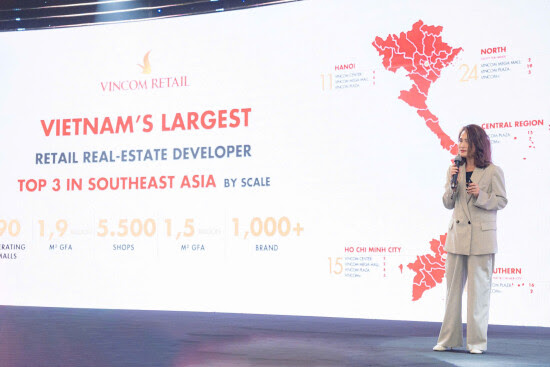
    Currently, Vincom Retail operates 90 shopping malls across Vietnam with a total gross leasable area of 1.9 million square metres, along with 5,500 shophouses spanning 31 provinces and cities. The company partners with more than 1,000 brands and ranks among Southeast Asia’s largest retail real estate developers by scale.

    The forum concluded with a focus on strengthening long-term partnerships and leveraging emerging “super destinations” such as Can Gio to drive the next phase of Vietnam’s retail growth.

  • Protein Food Craze – Mac & Cheese is Jumping on the Train

    Protein is having a moment—from TikTok cottage cheese hacks to high-protein everything lining grocery store shelves—and now even America’s most nostalgic comfort food is getting a functional upgrade.

    Kraft Heinz just announced Kraft Mac & Cheese PowerMac, a new take on its iconic blue box that more than doubles the protein (17g) and adds fiber—without changing the signature taste consumers grew up with.

    This launch taps directly into the broader “protein craze,” where consumers are increasingly seeking foods that deliver both comfort and functional nutrition. It also raises interesting questions about how legacy brands are evolving to compete in a market now dominated by wellness-focused startups and macro-conscious consumers.

    We can connect you with experts at George Washington University who can speak to:

    • Why protein has become the dominant nutrient trend in 2026 (and whether it’s overhyped)
    • The rise of “stealth health” foods—comfort classics reformulated with functional benefits
    • How brands like Kraft are balancing nostalgia with modern nutrition demands
    • Whether products like PowerMac actually meet health expectations—or just repackage indulgence

    Gabby Headrick is an assistant professor in the Department of Exercise and Nutrition Sciences at the GW Milken Institute School of Public Health. As a food systems dietitian, Headrick’s research, teaching, and practice center on the social, environmental, and political determinants of food and nutrition security in the United States, with a particular focus on urban food systems.

    Priya Fielding-Singh is the director of Policy and Programs at the Global Food Institute, where she leads domestic policy, programming, and engagement initiatives. A trained social scientist, her expertise is in food and nutrition equity, maternal and child health, and public policy.

    Kelli Metzger is a registered dietitian and nutritionist within the GW Medical Faculty Associates. 

  • Poland Announced as Focus Country for Habitat International Film Festival 2027


    New Delhi, Mar 23: The 2026 edition of the Habitat International Film Festival (HIFF) drew to a resounding close with the screening of the acclaimed Polish biographical film Chopin, Chopin, marking a fitting finale to a vibrant celebration of global cinema.

    The closing evening was attended by distinguished guests and cinema enthusiasts, culminating in a deeply moving cinematic experience that resonated strongly with the audience. Chopin, Chopin received a standing ovation, underscoring its powerful impact and the audience’s appreciation for its artistic and emotional depth.

    Poland Announced as Focus Country for Habitat International Film Festival 2027

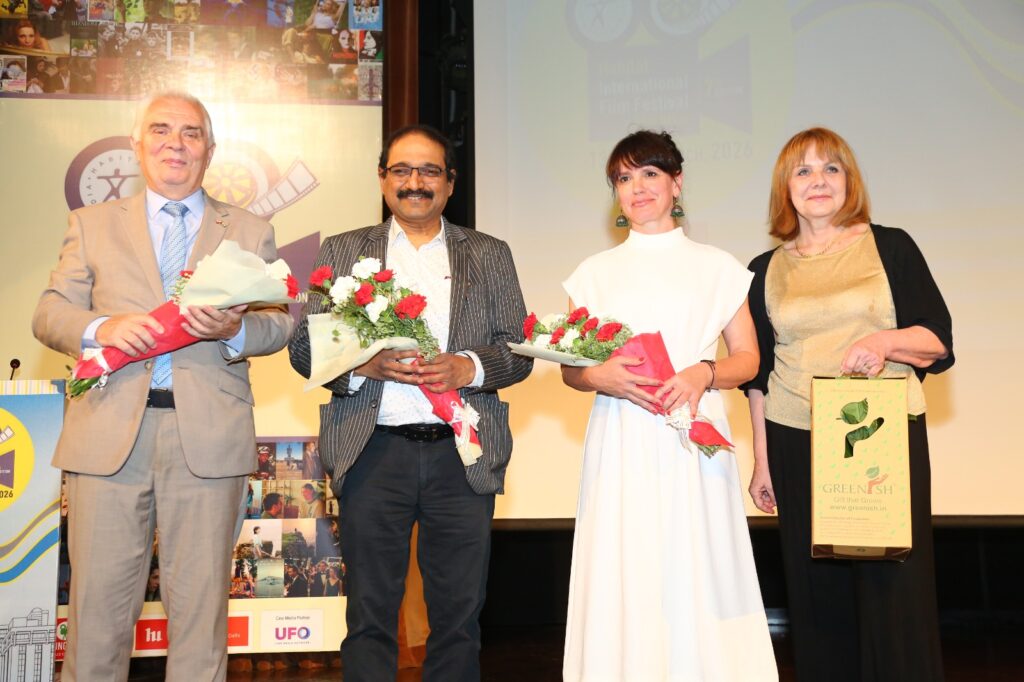
    (L to R) H.E. Dr. Piotr Świtalski, Prof (Dr.) K G Suresh, Dr. Mariann Erdo, Ms. Małgorzata Wejsis-Gołębiak

    On the occasion, Prof. (Dr.) K G Suresh, Director of the India Habitat Centre, made a significant announcement, declaring Poland as the Focus Country for the 2027 edition of the Habitat International Film Festival. The announcement reflects the growing cultural collaboration between India and Poland and builds upon the success of this year’s Polish showcase, including the Andrzej Wajda centenary retrospective.

    As part of the closing ceremony, Prof. Suresh felicitated His Excellency Dr. Piotr Antoni Świtalski, Head of Mission of Poland to India, and Ms. Małgorzata Wejsis-Gołębiak, Director of the Polish Institute, in recognition of their continued efforts in fostering cultural exchange and strengthening Indo-Polish ties.

    HIFF 2026 featured a diverse and engaging lineup of films from across the world, along with retrospectives, discussions, and special events that brought together filmmakers, scholars, and audiences in a shared celebration of cinema.

    The festival’s successful conclusion reaffirms the India Habitat Centre’s commitment to promoting meaningful cultural dialogue through the medium of film, while setting the stage for an exciting and expanded edition in 2027 with Poland in focus.