Author: admin

  • Odisha’s Emerging Mining Boom: From Diamonds to Rare Minerals Driving Economic Growth

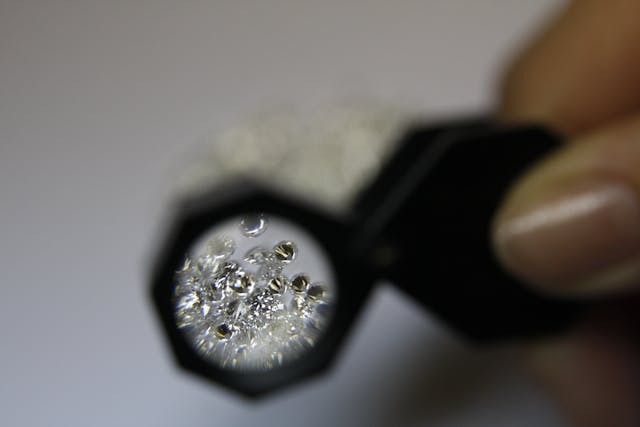
    Odisha, already recognised as one of India’s most mineral-rich states, is entering a new phase of exploration and opportunity with the reported discovery of diamonds and other valuable minerals. These findings are positioning the state as a future hub not only for traditional mining but also for high-value resources that could significantly reshape its economic landscape.
    Odisha’s Emerging Mining Boom: From Diamonds to Rare Minerals Driving Economic Growth

    Pic Credit: Pexel

    Recent Breakthrough: Diamond Traces in Nuapada

    In a major development, diamond-bearing rock formations have been identified in the Kalamidadar region of Nuapada district. The discovery, highlighted in the state assembly, has generated strong interest among policymakers and experts. Detailed geological and feasibility studies are currently underway to assess whether commercial extraction is viable.

    Alongside this, indications of ruby deposits have been reported in Kalahandi, while potential gold-bearing zones have been identified in districts such as Mayurbhanj and Keonjhar. Together, these findings underline the largely untapped and diverse mineral potential beneath Odisha’s surface.

     A Diversifying Mineral Landscape

    Odisha’s mineral profile is expanding beyond its traditional strengths in iron ore, bauxite, and manganese. Recent surveys and exploration activities have indicated the presence of several valuable resources, including:

    • Diamonds in Nuapada

    • Ruby deposits in Kalahandi

    • Gold indications in Mayurbhanj, Keonjhar, and Deogarh

    • Copper, graphite, and nickel in parts of the state

    In addition, potential rare mineral zones along the coastal belt are drawing attention due to their importance in modern industries such as electronics, renewable energy, and electric mobility.

    This evolving mineral base is steadily enhancing Odisha’s position as one of India’s most resource-diverse states.

    Economic Impact: A Potential Game Changer

    1. Investment and Industrial Growth

    The possibility of high-value mineral extraction is expected to attract significant interest from investors and industry players. Once feasibility is confirmed, Odisha could see a surge in mining-related industrial activity.

    2. Employment and Regional Development

    Mining and allied industries have the potential to generate large-scale employment opportunities. Regions such as Nuapada and Kalahandi could benefit from improved infrastructure, income generation, and broader socio-economic development.

    3. Growth of Supporting Industries

    A strengthened mining ecosystem can support multiple sectors, including mineral processing, logistics, engineering services, and jewellery manufacturing. This creates strong opportunities for small and medium enterprises as well.

    4. Strategic Importance for Future Industries

    Critical minerals like graphite, nickel, and rare earth materials are essential for electric vehicles, batteries, and advanced manufacturing. Odisha’s growing mineral base could play an important role in India’s transition toward clean energy and high-tech industries.

    Policy Direction and Future Outlook

    The state government is focusing on scientific exploration, detailed feasibility studies, and sustainable development planning before any large-scale mining begins. Future strategies are likely to include structured mineral auctions to ensure transparency and encourage responsible private participation.

    Environmental safeguards and long-term sustainability are expected to remain central to policy decisions as the sector expands.

    Conclusion

    The discovery of potential diamond, gold, and other high-value mineral zones marks an important shift in Odisha’s economic trajectory. While exploration is still ongoing, the findings highlight the state’s growing importance in India’s mineral future.

    If developed responsibly, this emerging mining landscape could transform Odisha into a major high-value mineral and industrial hub, driving economic growth, employment, and long-term development.


  • ZF Friedrichshafen AG Surpasses 2025 Performance Targets, Strengthens Profitability and Strategic Focus

    Mar 20:  ZF Friedrichshafen AG reported improved operating performance for fiscal year 2025, exceeding its guidance for profitability and cash flow despite a challenging global economic environment.

    The company’s adjusted EBIT margin increased to 4.5%, up from 3.5% in 2024, while adjusted EBIT rose to €1.7 billion. Adjusted free cash flow surged significantly, reaching €1.4 billion compared to €305 million in the previous year.

    Although Group sales stood at €38.8 billion, reflecting a nominal decline year-on-year, ZF achieved organic growth of 0.6%, demonstrating resilience amid subdued market demand and macroeconomic volatility.

    Focus on Profitability and Efficiency

    CEO Mathias Miedreich stated:
    “Operationally, we surpassed our 2025 targets. Our efficiency program is gaining traction, and performance and profitability remain our top priorities. We are focused on rebuilding profitability while maintaining strong business momentum.”

    The company continues to prioritize financial discipline, targeted investments, and organizational agility to strengthen long-term competitiveness. A key focus remains on reducing financial liabilities and enhancing operational efficiency.

    Strengthening Financial Position

    ZF reduced its net debt to €10.2 billion, reflecting ongoing deleveraging efforts. CFO Michael Frick emphasized that the company will continue pursuing organic debt reduction alongside selective divestments, reinforcing financial stability and investor confidence.

    Strategic Realignment Gains Momentum

    As part of its transformation strategy, ZF made significant structural changes:

    • Divestment of its Advanced Driver Assistance Systems (ADAS) business to Harman International, strengthening focus on core segments

    • Establishment of its wind power business as a standalone unit

    • Continued restructuring of the Electrified Powertrain Technology Division

    Additionally, ZF discontinued several non-profitable electric mobility projects, resulting in a one-time accounting charge but enabling greater strategic flexibility moving forward.

    Despite reporting a net loss due to these one-time effects, the company highlighted strong customer confidence, supported by major contracts such as continued collaboration with BMW Group for advanced transmission technologies.

    Workforce and Operational Adjustments

    ZF’s global workforce stood at approximately 153,000 employees at the end of 2025, reflecting a planned reduction aligned with its restructuring roadmap. The company continues to implement workforce optimization measures through voluntary programs and operational efficiencies.

    Investment and Innovation

    The company maintained strong focus on innovation, with research and development spending totaling €3.3 billion, positioning ZF among Europe’s leading corporate R&D investors. Capital expenditure was optimized in line with market conditions and strategic priorities.

    Outlook for 2026

    ZF expects continued market uncertainty in 2026, particularly in the commercial vehicle segment, with no significant increase in demand anticipated. The company forecasts stable sales levels and aims for:

    • Adjusted EBIT margin between 4.0% and 5.0%

    • Adjusted free cash flow exceeding €1 billion

    CEO Mathias Miedreich also highlighted the need for regulatory flexibility in Europe, particularly around hybrid technologies, to support the transition toward sustainable mobility.

    Driving Forward with Resilience

    With a clear focus on profitability, disciplined financial management, and strategic realignment, ZF remains committed to navigating market challenges while positioning itself for long-term growth and innovation in the global mobility sector.

  • Pakhala Dibasa Goes Global as Odisha Celebrates Food, Culture and Sustainability

    Observed on March 20 each year, Pakhala Dibasa has grown from a simple culinary tradition into a vibrant cultural celebration for Odias across the globe. What was once a humble summer meal is now a symbol of identity, heritage, and community bonding.

    Pakhala Dibasa Goes Global as Odisha Celebrates Food, Culture and Sustainability

    Pic Credit:https://x.com/MohanMOdisha

    Pakhala—fermented rice soaked in water and often mixed with curd—is cherished for its cooling properties and probiotic benefits, making it ideal for the hot summer months. Beyond its nutritional value, it represents a way of life deeply rooted in Odisha’s traditions.

    This year, the scale of celebrations has expanded significantly. Leading hospitality brands such as Nimantran, Mayfair, and Swosti Premium are offering elaborate “Gourmet Pakhala Thalis,” some featuring up to 20 traditional side dishes. These curated spreads are drawing food lovers and tourists, giving the traditional dish a modern and luxurious presentation.

    What truly stands out is the global participation. With millions of households and members of the Odia diaspora across more than 20 countries observing the day, Pakhala Dibasa has evolved into an unofficial “national day” for Odias worldwide. As temperatures rise, people come together over a bowl of pakhala, celebrating not just food but shared heritage and collective memory.

    The festivities also include cultural events such as the two-day Pakhala Paraba held at Panthanivas, where Odisha’s culinary richness is showcased alongside discussions on sustainability and traditional food practices. The event was inaugurated by Deepankar Mohapatra and will be attended by key leaders including Chief Minister Mohan Charan Majhi and Deputy Chief Minister Pravati Parida.

    A major highlight this year is the state’s attempt to set a Guinness World Records benchmark by preparing the largest serving of pakhala—estimated at 800–850 kg. Organised in collaboration with the Robin Hood Army, the initiative emphasizes sustainability and a zero-waste approach.

    Meanwhile, Cuttack is hosting vibrant community celebrations at Barabati Fort, bringing people together from midnight through the afternoon. Local leaders, including Subhash Singh, have highlighted how pakhala has evolved from a modest household dish to one that is widely appreciated for both its health benefits and cultural significance.

    In my own home, the preparation of pakhala remains a cherished ritual. Cooked rice is cooled and soaked in water, often with a touch of curd, allowing it to ferment slightly and develop its signature tang. For lunch, it is served with a variety of traditional sides such as aloo bharta, saga bhaja, badichura, and roasted dishes like baigana poda and bilati poda. Sometimes, crispy sukhua bhaja is added for an extra burst of flavor, along with simple accompaniments like green chilies and onions.

    More than just a meal, Pakhala Dibasa is a reminder of Odisha’s rich food heritage and sustainable eating practices. Whether enjoyed at home, in restaurants, or at community gatherings, a bowl of pakhala continues to unite people—offering comfort, nourishment, and a deep connection to cultural roots.

  • Odisha Shines on Day 1 of National Para Athletics Championship

    Bhubaneswar witnessed an energetic start to the 24th National Para Athletics Championship 2026, with Odisha’s para-athletes delivering an impressive performance on the opening day at Kalinga Stadium.

    The host state secured a total of five medals, including two gold, one silver, and two bronze, setting a strong tone for the competition ahead. Athletes from Odisha showcased determination and skill across multiple events, earning early recognition among participants from across the country.

    The championship has drawn top para-athletes nationwide, creating a vibrant and competitive atmosphere. Spectators were treated to high-energy performances as participants pushed their limits in pursuit of excellence.

    Odisha’s strong start not only reflects the state’s growing focus on inclusive sports but also highlights the rising standards of para-athletics in India. With several events still to unfold, expectations remain high for more standout performances in the coming days.

  • Cosmo Consumer Enters Automobile Ceramic Coating Segment with Launch of Cosmo Guard

    Cosmo Consumer Enters Automobile Ceramic Coating Segment with Launch of Cosmo Guard

    Mumbai, Mar 20: Cosmo Consumer, the consumer-facing vertical of Cosmo First, has announced its entry in the automotive ceramic coating segment with the launch of Cosmo Guard, a high-performance nano-ceramic coating solution engineered to protect vehicle surfaces. This is a strategic expansion of Cosmo First’s automotive protection product line, building on the strong synergy with its existing Paint Protection Film (PPF) and Window Film businesses. 

    Cosmo Guard has been developed by leveraging Cosmo First’s comprehensive expertise in specialty chemicals, substrate science, and coating formulation. In addition to ceramic coating, the Cosmo Guard range includes advanced rubbing and polishing compounds engineered for professional surface correction prior to coating application. These compounds use intelligent sub-micron abrasive technology designed to deliver consistent and predictable cutting performance. Unlike conventional diminishing abrasive systems that rely on larger grit particles breaking down during use, this advanced abrasive system maintains uniform particle size, reducing the risk of micro-marring and enabling a refined finish that is easier to coat. 

    The nano-ceramic coating offering is designed in order to deliver long-lasting protection, high gloss, and superior surface performance, catering to the ever-evolving needs of car owners and detailing professionals in a rapidly growing automotive care market. The polishing compound in the range further enhances gloss levels significantly, with the ability to elevate surface gloss from typical factory levels of 75 to 85 GU up to 92 to 98 GU, while also improving Distinction of Image by reducing surface roughness and enabling sharper light reflection. The rubbing compound effectively handles medium to heavy surface defects, including swirl marks and sanding marks, ensuring optimal surface preparation before ceramic coating application. 

    Speaking on the launchMr. Abhineesh Das, Business Head, Cosmo Consumersaid, “The introduction of Cosmo Guard is a natural extension of our capabilities in specialty chemicals and automotive surface protection. As demand for advanced vehicle care solutions continues to grow, Cosmo Guard enables us to offer customers a high-performance ceramic coating that delivers durability, aesthetics, and long-term value. We are confident this will become a significant contributor to our automotive protection portfolio.” 

    The advanced coating uses Silicon Dioxide (SiO₂) as a resin, which enables the formation of strong chemical covalent bonds with the vehicle surface. This offers improved scratch resistance, protection from swirl marks caused during regular washing, as well as long-term protection of the vehicle’s actual paint. The coating also offers excellent hydrophobicity with a water contact angle of up to 100 degrees, resulting in a self-cleaning effect and improved maintenance. 

    Additionally, for surface protection, Cosmo Guard safeguards vehicles from petrol and diesel spills during refueling, harmful UV radiation as well as thermal stress. It is formulated to resist high surface temperatures ranging from 70°C to 100°C, which ensures that the coating does not get damaged by high temperature. Laboratory testing conducted across parameters such as scratch hardness, weatherability, hydrophobicity, and resistance to fuel exposure highlights the exceptional product performance.

    The rubbing and polishing compound in the Cosmo Guard range is also silicone-free and has no waxes or fillers, making it safe for use in a body shop or a professional paint environment without the risk of contaminating or obscuring defects. 

    Cosmo Guard offers a durability of two to five years and is significantly better as compared to traditional waxes and paint sealants. In the future, brand intends to introduce advanced variants, including graphene ceramic coatings and self-healing ceramic coatings, further strengthening its presence in the premium automotive care segment.

  • Odisha to Host 2028 World Athletics Indoor Championships

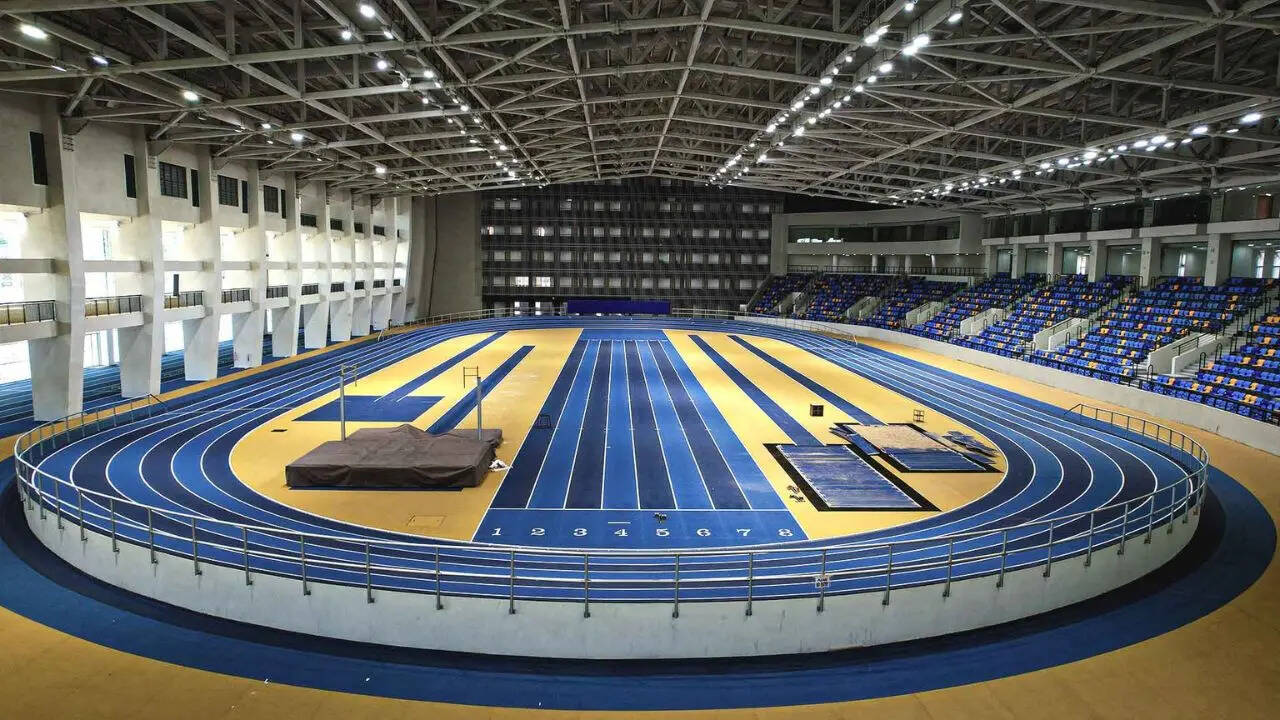
    In a defining moment for Indian athletics, the state of Odisha has been selected to host the prestigious World Athletics Indoor Championships 2028. This announcement marks a major milestone in India’s journey toward becoming a global sporting powerhouse.

    Odisha to Host 2028 World Athletics Indoor Championships

    Pic Credit: https://x.com/IPR_Odisha

    The championship’s return to India after more than two decades highlights the country’s growing reputation for successfully organizing international sporting events. For Odisha, in particular, this achievement reflects years of focused investment in sports infrastructure and athlete development.

    The decision is being seen as a strong endorsement of India’s ability to deliver world-class sporting experiences. Odisha has already earned recognition for hosting major hockey events and nurturing grassroots talent, and this new responsibility further cements its status as a leading sports hub in the country.

    Leaders across the nation have expressed pride in this accomplishment, emphasizing how it showcases India’s emergence on the global stage. The support and vision of Narendra Modi have also been acknowledged as instrumental in strengthening the country’s sporting ecosystem.

    Beyond the competition itself, the 2028 championships present an opportunity to display India’s rich culture, warm hospitality, and organizational excellence to a global audience. Athletes and fans from around the world can expect not just high-quality sporting action, but also an immersive experience of Indian traditions and spirit.

    As preparations begin, anticipation is already building. The event is expected to inspire a new generation of athletes while boosting India’s ambitions of hosting even larger global competitions in the future.

    With this announcement, Odisha take another confident step forward on the world sporting map.

  • Swaranjali Delhi Presents “Swar–Dhwani Festival 2026” in Collaboration with Dhwani Foundation


    New Delhi, India/Mar 20– Swaranjali Delhi, in collaboration with Dhwani Foundation, is delighted to announce the much-anticipated “Swar–Dhwani Festival 2026”, a grand celebration of Indian classical music bringing together some of the finest maestros and emerging talents on a single मंच.

    Scheduled for Sunday, 19th April 2026, the festival will take place at the prestigious Muktadhara Auditorium, located within Banga Sanskriti Bhawan (18-19, Bhai Vir Singh Marg, Sector 2, Gole Market, New Delhi – 110001). The event will run from 1:00 PM to 9:00 PM, offering an immersive day-long musical experience.

    Swaranjali

    The festival will commence with a soulful Vandana by the disciples of Shri Partha Sarathi Lenka, setting a devotional tone for the evening. The program features an exceptional lineup of renowned artists across diverse classical genres:

    • Flute: Shri Aanjaneya Joshi

    • Santoor: Pt. Raj Kumar Majumdar

    • Vocal: Pt. Ashish Narayan Tripathi

    • Sitar: Pt. Smarajit Sen

    • Vocal Duet: Dr. Prabhakar Kashyap & Dr. Diwakar Kashyap

    • Tabla Solo: Pt. Biplab Bhattacharya

    Accompanying Artists:

    • Tabla: Pt. Subh Maharaj, Ustad Babar Latif, Shri Shubhendu Das, Shri Rudraksha Shrivastava

    • Harmonium: Pt. Vinay Mishra & Shri Lalit Sisodia

    “Swar–Dhwani Festival 2026” aims to celebrate the richness of Indian classical traditions while fostering cultural exchange and appreciation among audiences of all ages. The event promises an enriching confluence of melody, rhythm, and artistry.

    You are cordially invited to be part of this musical journey.

    RSVP:
    Swaranjali Delhi | Dhwani Foundation
    Website: www.swaranjali.org

  • NEC Group Expands Manufacturing Footprint in Noida, Announces INR 200 Crore Investment to Scale Production Under Make in India

    Delhi, Mar 20: NEC Group announced a significant expansion of its production infrastructure with the inauguration of a new large-scale manufacturing unit at its Noida facility. The announcement was made at the Bharat Electricity Summit 2026, where NEC Group’s leadership outlined an ambitious plan to invest an additional Rs 200 Crore over the next five years to substantially boost the company’s overall production capacity.

    The new unit at Noida marks a pivotal milestone in NEC Group’s growth trajectory, reinforcing its commitment to strengthening domestic manufacturing capabilities. This expansion aligns with the Government of India’s Make in India initiative, championed by Prime Minister Narendra Modi, aimed at positioning India as a global manufacturing powerhouse.

    Speaking at the Bharat Electricity Summit 2026, NEC Group’s leadership stated that the capital infusion would be directed toward advanced machinery, technology upgradation, and workforce development, enabling the group to meet rising domestic demand while building competitive export capabilities.

    “This is a defining moment for NEC Group. Our Noida expansion and the Rs. 200 Crore commitment reflect our confidence in India’s manufacturing potential and our responsibility to contribute meaningfully to the nation’s industrial growth,” said Mr. Prashant Srivastava, Managing Director, NEC Group.

    With this expansion, NEC Group is poised to significantly increase output volumes, reduce production timelines, and deliver greater value to customers and partners across the energy sector.

  • Kaida BioPharma Announces Executive Leadership Team to Advance KAD-101, Built for the Ovarian Cancer Gap

    FORT LAUDERDALE, Fla., Mar 20 – Kaida BioPharma, a biotechnology company developing targeted therapies for women with hard-to-treat gynecologic cancers, announced its executive leadership team and board. Each member brings decades of experience in biotechnology, clinical development, regulatory strategy, manufacturing, finance, and commercialization to help advance Kaida’s lead product candidate, KAD-101, toward first-in-human clinical evaluation. The company is developing KAD-101 for recurrent ovarian cancer, where treatment options narrow quickly and durable control remains limited.

    Kaida BioPharma is building KAD-101, a next-generation prolactin receptor antagonist for the ovarian cancer gap, the space where patients are too often left cycling through treatment with too few durable options.

    In addition to her role as Chairperson of the Board, Kaida founder Dr. Stella Vnook has been named Acting Chief Executive Officer. Dr. Vnook is an accomplished biotechnology founder, executive, and advisor with extensive experience guiding early-stage therapeutics from scientific foundation through capital formation. At Kaida, she leads corporate strategy, development planning, and investor engagement.

    “The science brought me here, and the women out there still fighting are why I stay. At Kaida, we are building for the ovarian cancer gap, for patients whose options narrow too fast and whose disease still outpaces available therapies,” said Dr. Vnook. “By targeting the survival signals that keep these tumors alive, we believe KAD-101 has the potential to help overcome treatment resistance and create a new path toward more durable control. More options mean more time, and more time means everything.”

    Craig Pierson, a founder alongside Dr. Vnook, has been appointed Director at Kaida BioPharma. Mr. Pierson is a life sciences investor and company builder with more than 25 years of experience in investment banking and private capital formation. He provides strategic oversight and financing expertise.

    George E. Peoples, MD, FACS has been appointed fractional Chief Medical Officer. Dr. Peoples is a surgical oncologist with decades of experience in translational oncology and clinical development. He is also the founder of the Cancer Vaccine Development Program, Cancer Insight, and LumaBridge. At Kaida, he helps guide clinical strategy and IND planning.

    John Langenheim, PhD has been appointed fractional Chief Scientific Officer. Dr. Langenheim is a molecular biologist with more than 20 years of experience in therapeutic protein design and preclinical development. His scientific leadership has been instrumental in advancing KAD-101 toward clinical evaluation.

    Pamela Swiggard has been appointed Head of Regulatory Affairs. She is a pharmaceutical executive with prior experience at companies including Pfizer and Endo Pharmaceuticals. She brings deep expertise across the product lifecycle, from development through regulatory approval and commercialization. At Kaida, she leads regulatory strategy and FDA engagement in support of IND readiness for KAD-101.

    Eric Hacherl, PhD has been appointed Head of Manufacturing. Dr. Hacherl is a senior pharmaceutical operations leader with more than 25 years of experience in biologics manufacturing, cGMP compliance, and process development. At Kaida, he is responsible for helping ensure clinical supply readiness for KAD-101.

    Mark Booth has been appointed Chief Commercial Officer. Mr. Booth is a seasoned pharmaceutical and biotechnology executive with more than 25 years of experience building commercial strategies for oncology and rare disease products. His background includes leadership across launch planning, brand strategy, access, and market development for important oncology products, including EMEND, EMEND IV, Zolinza, vintafolide, KEYTRUDA, and the avutometinib plus defactinib combination for low grade serous ovarian cancer. At Kaida, he is responsible for commercial strategy for KAD-101, including positioning, market development, and long-term access planning.


  • India’s Bioeconomy Grows to $195 Billion, Targets $300 Billion by 2030: Jitendra Singh

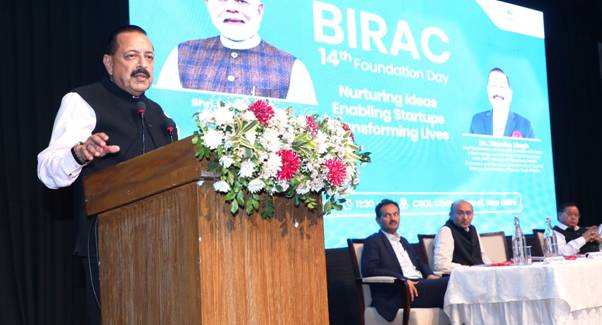
    NEW DELHI, March 20: Jitendra Singh on Thursday said India’s bioeconomy has expanded from about $10 billion in 2014 to over $195 billion in 2025, registering an annual growth of 17–18 per cent and emerging as a major global biotechnology hub.

    Addressing the 14th Foundation Day of the Biotechnology Industry Research Assistance Council (BIRAC) in New Delhi, the minister said the country is on track to achieve a $300 billion bioeconomy by 2030.

    He highlighted that biotechnology is becoming central to India’s growth, driving innovation in healthcare, agriculture, climate solutions and sustainable manufacturing. He credited BIRAC for playing a key role in bridging research and industry, enabling the translation of scientific ideas into market-ready solutions.

    India’s Bioeconomy Grows to $195 Billion, Targets $300 Billion by 2030: Jitendra Singh

    Referring to policy initiatives, Singh said the BioE3 Policy will promote sustainable biomanufacturing and innovation in areas such as precision biotherapeutics, smart proteins, climate-resilient agriculture, bio-based chemicals and carbon capture technologies.

    He also pointed to the ₹1 lakh crore Research, Development and Innovation (RDI) Fund as a major step to support biotechnology ventures and strengthen India’s deep-tech ecosystem.

    The minister noted that India’s bioeconomy now contributes nearly 5 per cent to GDP, citing findings from the India Bioeconomy Report (IBER) 2026 released at the event. The sector, supported by over 11,800 startups, has more than doubled in size since 2020.

    Officials said BIRAC’s initiatives in funding, incubation and mentorship have facilitated industry-academia collaboration, leading to the development of affordable healthcare solutions, sustainable technologies and job creation.

    Singh emphasised the need to nurture young scientific talent, particularly from smaller cities, and called for continued collaboration among researchers, industry and policymakers to drive innovation-led growth and support the vision of a self-reliant India.