Author: admin

  • Summit Hotels & Resorts appoints Shova Lama as PRO – Sikkim

    Apr 6: Strengthening its engagement with local markets and government institutions in the Northeast, Summit Hotels & Resorts has appointed Shova Lama as Public Relations Officer for Sikkim. In her new role, Shova Lama will be responsible for strengthening the brand’s relationship with various government departments and public institutions across the state. Her responsibilities include facilitating room bookings for official travel, coordinating hospitality arrangements for government events and conferences, and expanding institutional business opportunities for the group.

    Summit Hotels & Resorts appoints Shova Lama as PRO – Sikkim

     She will also work closely with local communities and organisations to promote Summit’s properties as venues for weddings, social gatherings, and private celebrations, thereby strengthening the brand’s presence in the regional events and social hospitality segment.

    As part of her responsibilities, Shova Lama is also assisting the company with government registrations and empanelment processes, working on compliance and documentation matters. In addition, she has been tasked with supporting the company’s expansion plans in the Northeast by liaising with stakeholders across neighbouring states for potential hotel properties that could be brought into the Summit portfolio on a lease model.

    Commenting on the appointment, Sumit Mitruka, CEO of Summit Hotels & Resorts, said,“The Northeast has always been central to Summit’s journey, and Sikkim in particular remains one of our strongest operating regions. As our network of properties continues to grow across the hills, building closer relationships with government institutions, local communities, and regional stakeholders becomes increasingly important. Shova’s role will help us strengthen these connections while also supporting our expansion initiatives across the wider Northeast.”

    Shova Lama’s appointment comes at a time when Summit Hotels & Resorts is actively strengthening its footprint across the Himalayan and Northeast regions, focusing on destinations where tourism demand, social events, and institutional travel continue to grow.

  • Bharat Tribes Fest 2026 Wraps Up in Delhi, Boosts Tribal Art Sales

    New Delhi: The Bharat Tribes Fest 2026 concluded successfully in Delhi, attracting large crowds and generating sales exceeding ₹4.5 crore. The festival celebrated India’s vibrant tribal culture, showcasing a wide variety of traditional crafts, textiles, artwork, and organic products.

    The event provided tribal artisans with a unique platform to reach wider audiences, share their heritage, and boost their livelihoods. Visitors had the opportunity to engage directly with craftsmen, learn about their art forms, and purchase authentic products, supporting both cultural preservation and sustainable entrepreneurship.

    Organizers highlighted that the strong turnout and robust sales reflect growing interest in India’s indigenous arts and crafts, and underline the festival’s role in promoting tribal innovation and economic empowerment.

  • Bharat Sampaark 3rd Edition Concludes at IIT Madras

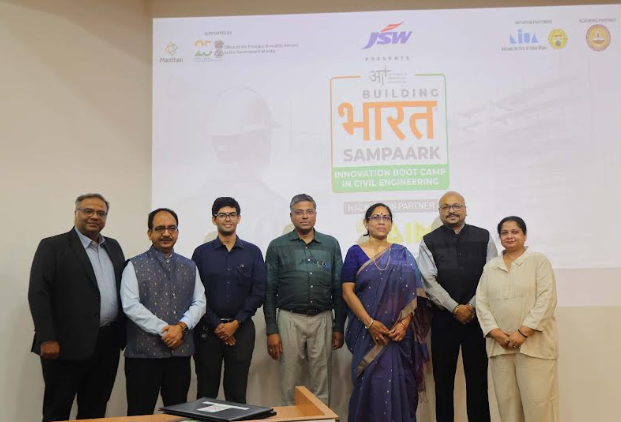
    Building Bharat Sampaark Concludes 3rd Flagship Edition at IIT Madras, Cementing Its Emergence as a National Civil Engineering Innovation Platform

    Chennai, Apr 6: Building Bharat Sampaark concluded its third flagship edition at IIT Madras, marking the culmination of a three-IIT journey that has steadily evolved into a national platform for civil engineering innovation. With IIT Madras as the Academic Partner, the final edition builds on the momentum of IIT Gandhinagar and IIT Kanpur, positioning the initiative as a structured bridge between civil engineering education, industry, and innovation.

    The IIT Madras edition that held from April 3-5 witnessed participation from over 800+ students, with close to 100 hackathon entries, alongside a series of masterclasses, townhalls, and problem-solving sessions led by academia and industry experts. The programme design- spanning themes such as Innovation in Construction Quality, Innovation in Construction Safety, Innovation in Construction Sustainability, Innovation in Construction of Resilient Infrastructure, and Innovation in Infrastructure Asset Management, reflects a clear shift from exposure-led engagement to outcome-driven learning and application.
    News In Pics

    Led by the Association of Infrastructure Industry (India) and presented by JSW Group, the initiative has been supported by the Office of the Principal Scientific Adviser to the Government of India (via the Manthan Platform), with NIUA and AICTE as initiative partners. Simultaneously, the initiative has entered a stronger phase of national alignment. 

    With the Atal Innovation Mission (NITI Aayog) supporting the Hackathon-cum-Startup Contest, the platform is now positioned to extend beyond ideation into structured pathways including mentorship, validation, and potential incubation support.

    The growing scale and depth of participation across editions signal a clear shift – from isolated engagement to a structured innovation ecosystem. Across three IIT editions, the initiative recorded over 2000+ registrations, including 1300+ male and 700+ female participants, reflecting both scale and increasing diversity. More importantly, this growth indicates a deeper shift towards real-world problem-solving and industry-aligned thinking.

    Dr. Rajaneesh Dasgupta, Trustee & Director General, Association of Infrastructure Industry (India) and National Director, Building Bharat Sampaark, said:

    “Bringing Building Bharat Sampaark to IIT Madras is both intentional and significant. IIT Madras has consistently contributed to the evolution of construction and infrastructure practices in the country, and it provides the right ecosystem to showcase the true diversity and scale of civil engineering in India.

    For a long time, civil engineering has remained largely execution-focused. What Building Bharat Sampaark is doing is bringing innovation into the mainstream – encouraging students not just to build, but to think, question, and solve real-world infrastructure challenges at scale.

    One of the most encouraging shifts we are witnessing is in participation itself. A very significant number of women civil engineering students are coming forward – not as observers, but as equal contributors to the Building Bharat. Through initiatives like ‘Desh Ko Banana Hai Kuch Kar Ke Dikhana Hai, #SheBuildsSheSpeaks, we are ensuring that representation translates into leadership, and that the future of infrastructure is built collaboratively.

    With the Atal Innovation Mission supporting the Hackathon-cum-Startup Contest, the platform is evolving beyond an initiative. It is becoming a structured national movement – one that is reshaping how young engineers learn, innovate, and contribute to building India.”

    Highlighting the significance of the initiative and IIT Madras’ role as the Academic Partner, the collaboration reflects a strong alignment with the institute’s focus on applied research and industry-integrated learning. Prof. Manu Santhanam, Dean (ICSR), IIT Madras, said:

    “IIT Madras has consistently been at the forefront of supporting initiatives that bridge academia, industry, and real-world application, particularly in areas critical to infrastructure development. Platforms like Building Bharat Sampaark align strongly with this approach, creating opportunities for students to engage meaningfully with contemporary challenges.

    Civil engineering today must evolve beyond traditional academic frameworks to address emerging needs in sustainability, advanced materials, and modern construction technologies. Initiatives like this provide a structured environment where students are not only exposed to these challenges, but are also guided to think critically, experiment, and develop solutions with real-world relevance.

    Through mentorship, masterclasses, and direct engagement with industry, students are able to move beyond theory and gain clarity on how their ideas can translate into impact. The scale and depth of participation we are witnessing reflect a clear shift — students today are not just learning engineering; they are actively seeking to innovate within it. That intent, when supported by the right ecosystem, has the potential to significantly shape the future of India’s infrastructure sector.”

    Industry collaboration has remained central to the initiative’s design, ensuring that student ideas are not developed in isolation but are aligned with real-world infrastructure challenges and implementation pathways.

    Mr. Rinkesh Roy, Joint Managing Director and CEO JSW Infrastructure Ltd. said,

    “The journey across three IITs demonstrates what is possible when academia and industry come together with clear intent. What stands out is not just the scale of participation, but the depth of thinking and the seriousness with which students are approaching real infrastructure challenges. With national-level alignment now in place, this initiative has the potential to build a sustained innovation pipeline for India’s infrastructure sector – one that connects ideas, talent, and execution.”

    With three IIT editions now concluded, Building Bharat Sampaark has moved beyond the format of a boot camp into a structured, scalable national platform – connecting students, academia, industry, and policy into a unified innovation ecosystem.

    Marking a significant step forward, the initiative will now progress to its next phase with the launch of CIVILATHON in June 2026 – a national platform that will bring together top-performing teams from across all three editions, taking the most promising ideas closer to real-world application and impact.


  • New Programme to Train Scientists in Public Governance

    New Delhi: In a move aimed at bridging the gap between science and policymaking, the Government of India has introduced a new programme to train scientists in governance under its flagship Mission Karmayogi initiative.

    The programme is designed to equip scientists and technical experts with a better understanding of how government systems function, enabling them to contribute more effectively to policy design and implementation. By bringing scientific expertise closer to the decision-making process, the government hopes to strengthen evidence-based policymaking.

    Mission Karmayogi, which focuses on capacity building among civil servants, is now being expanded to include professionals from scientific fields. The initiative will provide structured training on governance practices, public administration, and policy frameworks.

    Officials say the programme will help scientists align their research and innovations with national priorities while also improving coordination between technical institutions and government departments.

    The move is expected to enhance the role of science in governance, ensuring that policies are more informed, practical, and responsive to emerging challenges.

  • India Boosts Diabetes Care Supply with Focus on Global South Needs

    New Delhi: India is stepping up efforts to expand the production of biosimilar insulin and continuous glucose monitoring (CGM) devices, aiming to improve access to affordable diabetes care across developing nations.

    With the burden of diabetes rising sharply in many low- and middle-income countries, often referred to as the Global South, there is growing demand for cost-effective treatment options. India, known for its strong pharmaceutical manufacturing base, is positioning itself to meet this need.

    Government-backed initiatives and industry participation are expected to drive the scale-up of biosimilar insulin production, making life-saving treatment more accessible and affordable. At the same time, efforts are underway to boost domestic manufacturing of CGM devices, which help patients track blood sugar levels in real time and manage their condition more effectively.

    Experts believe that strengthening local manufacturing will not only reduce dependency on imports but also enable India to emerge as a key supplier of diabetes care solutions to other developing countries.

    The move aligns with India’s broader push to enhance healthcare accessibility and support partner nations facing similar public health challenges. As global demand continues to grow, India’s role in supplying affordable insulin and advanced monitoring technologies is likely to become increasingly important.

  • HDFC Mutual Fund Turns a Dying Lake into a Lesson in SIPs through Nurture Nature 4.0

    HDFC Mutual Fund Turns a Dying Lake into a Lesson in SIPs through Nurture Nature 4.0

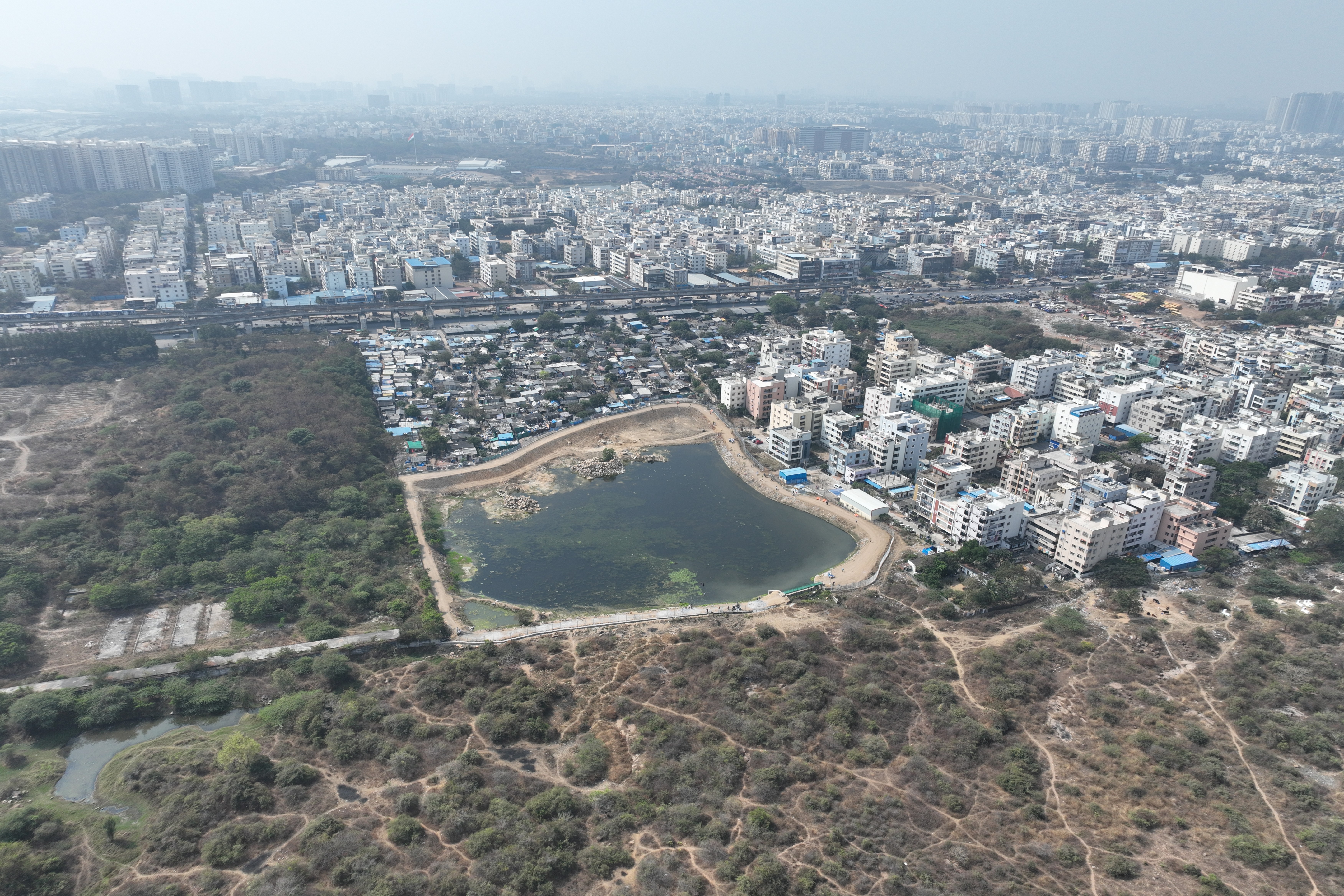
    India, Apr 06: HDFC Mutual Fund has concluded a first-of-its-kind campaign under its long- standing initiative, Nurture Nature, reimagining how India understands Systematic Investment Plans (SIPs) by turning a complex financial concept into visible, real-world impact.

    The campaign linked every new SIP registered during the initiative to water restoration, with each SIP registration contributing to the revival of the dying Nayanamkunta Lake in Hyderabad. Thousands of individual SIPs which got registered, helped channel a small portion of the funds into a large-scale ecological effort that helped restore a lake in partnership with the renowned environmentalist Anand Malligavad, bringing a fragile ecosystem back to life.

    Speaking on the initiative, Mr. Navneet Munot, Managing Director & CEO, HDFC Asset Management Company, said “This campaign is a testament to the idea that small steps, taken consistently, can lead to extraordinary outcomes. Just as SIPs help build financial security over time, collective action can restore and sustain our environment. We are proud to have created a platform where every investor could contribute to a larger social cause.” 

    Beyond awareness, the campaign aimed to inspire genuine behavioural change. By drawing a parallel between the discipline of regular investing and the compounding power of collective action, the initiative shows how small, sustained contributions financial or environmental can create lasting transformation.

    The campaign marks a significant milestone for HDFC Mutual Fund, not just in investor outreach, but in reimagining the role a financial brand can play in driving ecological and behavioural change.

  • Major Ports in India Beat Cargo Targets, Post Steady Growth in FY26

    New Delhi: India’s major ports have outperformed expectations in the financial year 2025–26, reflecting strong growth in cargo movement and improved operational efficiency.

    Data released by the Ministry of Ports, Shipping and Waterways shows that the country’s 12 major ports handled a total of 915.17 million tonnes of cargo during the year—surpassing the target of 904 million tonnes. This marks a growth of 7.06% compared to 2024–25, signaling a positive trend in maritime trade.

    Deendayal Port led the chart with the highest cargo handling of 160.11 million tonnes. Paradip Port followed closely with 156.45 million tonnes, while Jawaharlal Nehru Port handled 102.01 million tonnes, maintaining its position as a key hub for container traffic.

    Among other major ports, Visakhapatnam handled 91.16 million tonnes and Kolkata recorded 70.87 million tonnes. Ports such as Chennai, Kamarajar (Ennore), New Mangalore, Cochin, V.O. Chidambaranar, and Mormugao also contributed significantly to the overall cargo volume.

    In terms of growth, Mormugao Port emerged as the fastest-growing, registering an impressive 15.91% increase in cargo handling. Kolkata Dock System followed with 14.28% growth, while Jawaharlal Nehru Port recorded a rise of 10.74%. Paradip Port also posted a steady growth of 4.02%.

    The strong performance highlights the increasing capacity and efficiency of India’s port sector. With continued focus on infrastructure upgrades and streamlined logistics, the country’s ports are set to play an even bigger role in driving trade and economic growth.

  • India Fast Tracks Lakhanpur Coal Gasification Project to Strengthen Energy Security

    Apr 6: With ongoing geopolitical tensions in the Middle East raising concerns over global fuel supplies, India is taking decisive steps to safeguard its energy needs. One of the biggest challenges currently facing the country is ensuring a stable supply of oil and natural gas.

    In a significant move, the Government of India is pushing ahead with a major coal gasification project in Lakhanpur, located in Odisha’s Jharsuguda district. The project recently crossed an important milestone with the signing of a land lease agreement between Mahanadi Coalfields Limited (MCL) and Bharat Coal Gasification and Chemicals Limited (BCGCL).

    The project, which involves an investment of around ₹25,000 crore, is expected to be completed within the next two years. Once operational, it will produce ammonium nitrate, a key chemical used in various industries.

    Coal gasification is emerging as a critical strategy for India to reduce its dependence on imported fuels and make better use of its abundant coal resources. The initiative also aligns with the government’s broader push for energy self-reliance.

    Back in 2020, the Centre had launched the National Coal Gasification Mission to promote cleaner and more efficient utilization of coal. The Lakhanpur project is expected to play an important role in advancing this vision.

    As global uncertainties continue, such initiatives could help India build a more resilient and self-sufficient energy ecosystem.

  • Payal Nag Brings Glory with Gold at World Para Archery Series

    Apr 6: Payal Nag has made the state and the nation proud by securing a gold medal at the World Para Archery Series held in Bangkok. Her remarkable achievement stands as a testament to her dedication, resilience, and hard work.

    This victory is not just a personal milestone for Payal, but also an inspiring moment for countless aspiring athletes across the state. Her journey reflects determination and the spirit to overcome challenges, motivating others to pursue excellence in sports.

    With this success, Payal Nag has further elevated Odisha’s presence on the global sporting stage. It is hoped that she will continue her winning momentum and achieve even greater heights in the future. Wishing her continued success and a bright sporting career ahead.

  • Gartner Expects Most Enterprises to Abandon Assistive AI for Outcome‑Focused Workflow by 2028

    STAMFORD, Conn., Apr 06:  By 2028, over half of all enterprises will stop paying for assistive intelligence (such as copilots and smart advisors) and instead will favor platforms that commit to workflow results, according to Gartner, Inc. a business and technology insights company.

    In this emerging model, humans move from completing work with procedural software to supervising intelligent systems that execute on their behalf. The distinction doesn’t come from whether AI is a feature, but whether it possesses delegated authority to trigger actions across enterprise systems within policy and identity constraints.

    “In this environment, execution authority is not a product feature. It is an architectural position that spans control over identity, permissions, policy enforcement, system-of-record access, and auditability,” said Alastair Woolcock, VP Analyst at Gartner. “Vendors that embed AI within this control plane will shape workflow execution. Vendors that treat AI as an enhancement layer risk being abstracted.”

    The first disruption will hit approval-heavy, timing-sensitive workflows where AI collapses decision latency and reallocates authority to policy-bound agents.

    Execution will gradually move out of traditional interfaces and into platforms that control enterprise context and safely delegate work. Human roles will shift, not disappear, as they become an “Agent Steward” that supervises outcomes rather than performing tasks.

    These market shifts will force enterprises and independent software vendors into a structural choice; redesign around delegated execution and control planes or remain as an interface layer agents route around. In the execution era, control of enterprise context is economic power.

    Because of this, Gartner predicts that by 2030, software companies that layer bolt-on AI over legacy applications rather than redesigning for agentic execution will face margin compression of up to 80%.

    Enterprise Context Is Becoming the Control Plane for AI Execution

    Winning vendors will not simply add AI onto their products. Instead, they will embed agent orchestration into systems of record, expose policy-aware execution APIs, and enforce identity, permissions, and audit at the control plane to gain competitive advantage. Incumbents will hold structural advantages, but only if they convert context ownership into delegated execution authority. Legacy SaaS providers may attempt to close systems of record to preserve control, but durable advantage will come from controlled openness. Those relying on restriction risk being bypassed by orchestration layers enterprises trust more (see Figure 1).

    “These dimensions don’t exist in a vacuum, though. Each market carries structural exposure based on its ability to evolve from assistive AI to delegated execution,” said Woolcock.

    Gartner clients can read more in Tech FutureSight: Structural Winners and Markets at Risk in the AI Execution Shift.

    Gartner is the World Authority on AI

    Gartner is the indispensable partner to C-Level executives and technology providers as they implement AI strategies to achieve their mission-critical priorities. The independence and objectivity of Gartner insights provide clients with the confidence to make informed decisions and unlock the full potential of AI. Clients across the C-Level are using Gartner’s proprietary AskGartner AI tool to determine how to leverage AI in their business. With more than 2,500 business and technology experts, 6,000 written insights, as well as more than 1,000 AI use cases and case studies, Gartner is the world authority on AI. More information can be found here.