Author: admin

  • Amid a Shifting Publishing Scene, Ascot Media Group Reaches 18-Year Milestone

    Texas-based firm reflects on nearly two decades of helping authors find visibility in a fast-changing media market

    HOUSTON, Texas, Feb. 25 — From the rise of self-publishing to growing concerns over AI-driven scams, authors today face a complex path to visibility. Ascot Media Group, now celebrating 18 years in operation, continues to work with writers across genres to help their stories reach journalists, producers and readers in an increasingly crowded media environment.

    “For nearly two decades, our mission has been to help authors share their voices with the world,” said Trish Stevens, founder of Ascot Media Group. “Every story has the power to touch someone’s life. We just make sure it reaches the people who need to hear it.”

    The Story Behind the Stories

    Founded 18 years ago in Friendswood, Texas, Ascot Media Group has become a trusted bridge between authors and the media. From debut writers to NY Times bestselling authors and public figures, politicians, judges and celebrities, the company has helped clients across every genre find their audiences — and, in some cases, even movie deals.

    “Every day, our inbox fills with fascinating people and powerful stories waiting to be told,” Stevens said. “Whatever the topic, whatever the genre, chances are we’ve worked with an author who has brought one of those stories to life.”

    A Reputation Built on Access and Approachability

    Behind Ascot’s success is Stevens’ belief that every author deserves a fair shot at being heard — not just those with big budgets or big names. Known for her compassion toward “struggling authors,” she offers a range of affordable publicity plans designed to meet writers where they are.

    “I never want cost to be the barrier between an author and their readers,” Stevens said. “Some of our most inspiring clients started with nothing more than a manuscript and a dream of making it big.”

    That approach has earned Ascot both loyalty and respect. Many authors return with every new book, and other PR firms even turn to Ascot behind the scenes to execute their campaigns — a testament to the firm’s results and professionalism.

    Expanding Services for a Changing Market

    In 2026, Ascot Media Group plans to expand its services to include additional support across the publishing process, such as editorial assistance, back-cover copy development, publishing guidance and audiobook production. The expansion reflects broader industry shifts as authors increasingly seek integrated support beyond traditional publicity.

    Transparency in an AI Era

    As AI-driven scams flood the publishing world, it’s become more important than ever for authors to do their due diligence when it comes to doing business with agents, publishers and marketing firms. Ascot Media Group stands apart because it operates with full transparency, credible testimonials (www.ascotmedia.com/testimonials) and a long track record of real results.

    A Partner to the Media

    With countless media relationships built over the years, Ascot remains a go-to resource for journalists and producers worldwide in search of credible guests and compelling story ideas.

    “If you need stories, we have them — all of them,” Stevens said. “Because stories are what connect us, and helping share them is what drives us.”

  • Teledyne Flir OEM, Teledyne FLIR OEM Launches Lepton XDS at Mobile World Congress; A Compact Thermal‑Visible Camera Module Featuring Patented MSX Technology

    Prism™ ISP–Powered Dual Camera Module Delivers Enhanced Performance and Faster Integration for OEMs


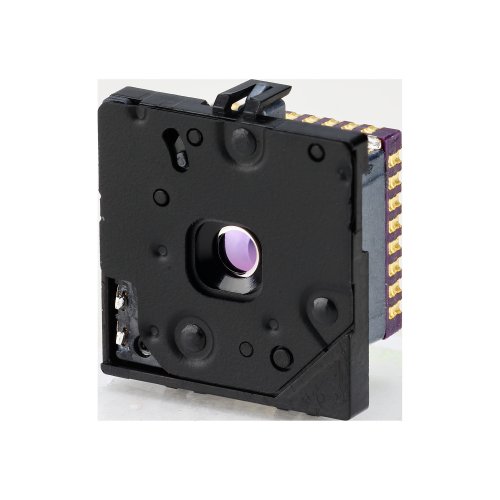
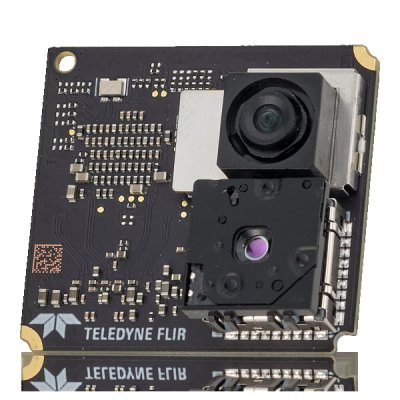
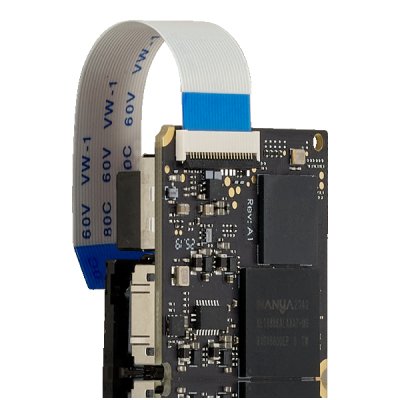
    BARCELONA and GOLETA, Calif.,– Teledyne FLIR OEM, a part of Teledyne Technologies Incorporated (NYSE: TDY), today announced the launch of the Lepton® XDS, a compact dual‑thermal‑and‑visible camera module bringing Teledyne FLIR’s patented MSX® (Multi‑Spectral Dynamic Imaging) technology to a new class of space‑ and power‑constrained Original Equipment Manufacturer (OEM) products. Designed for rapid integration, the International Traffic in Arms Regulations (ITAR) -free Lepton XDS reduces development risk and accelerates time‑to‑market for embedded, mobile, and industrial applications.

    The Lepton XDS pairs a 160 × 120 radiometric Lepton 3.5 micro‑thermal camera with a five‑megapixel (MP) visible sensor, featuring MSX that enhances thermal imagery in real time by embossing visible‑image edges directly onto the thermal scene. This patented software delivers sharper detail, improved context, and a level of actionable thermal intelligence typically associated with more-expensive, higher-resolution camera systems. It is ideal for fire detection and prevention, EV battery monitoring, robotics navigation, unmanned platforms, smart infrastructure, and health and safety systems.

    “MSX technology has long been a defining advantage of Teledyne FLIR, and with Lepton XDS, we are making that capability accessible in a compact, OEM‑ready module,” said Mike Walters, vice president of product management, Teledyne FLIR OEM. “By combining a visible camera, a proven micro‑thermal sensor, onboard Prism ISP processing, and direct access to radiometric overlays including spot meters and regions of interest we’re accelerating innovation and enabling OEMs to deliver clearer thermal imagery for faster user interpretation.”

    Prism ISP: Advanced Imaging Beyond MSX

    The integrated FLIR Prism ISP software ensures real‑time image enhancement while providing a comprehensive out‑of‑the‑box suite of advanced image‑processing features, including thermal‑visible fusion, advanced image processing, and an industry-first radiometric JPEG (RJPEG) output. Built‑in measurement and visualization tools include regions of interest (ROI), spot temperature measurements, isotherms, and customizable color palettes, and it is seamlessly compatible with the Teledyne FLIR OEM software ecosystem for analysis, post‑processing, and reporting. 

    Designed for Scalable OEM Deployment

    The Lepton XDS is a size, weight, and power (SWaP)‑optimized module, and an industry‑standard USB output makes it well-suited for battery‑powered and always‑on systems. It is also ITAR‑free and classified under 6a993.b.4.b enabling broadly available for commercial applications worldwide.

    As the global leader in thermal camera manufacturing, Teledyne FLIR OEM’s global technical services organization and proven high‑volume manufacturing systems have delivered more than six million Leptons supporting scalable production while minimizing supply‑chain risk.

    To see the new Lepton XDS and other exciting products from the Thermal by FLIR collaborative development program, visit booth 7B6 at Mobile World Congress in Barcelona, 2-5 March 2026. Learn more at www.oem.flir.com/lepton.


  • Barakat Group Starts Construction of AED 150M Baby Food Manufacturing Facility in KEZAD

    First Dedicated Industrial-Scale Halal Baby Food Purée Facility in the GCC to be Developed within KEZAD Abu Dhabi


    Abu Dhabi, United Arab Emirates – Feb 25: Khalifa Economic Zones Abu Dhabi – KEZAD Group, one of the largest operators of integrated and purpose-built economic zones in the region, and Barakat Group, the UAE’s leading fresh food and juice producer, today announced the commencement of construction of a dedicated baby food manufacturing facility through Barakat Group’s joint venture with Pure Baby Food Industries, in KEZAD.

     The project marks the development of the Gulf Cooperation Council’s first industrial-scale facility dedicated exclusively to the production of baby food purées. Representing a total investment of approximately AED 150 million by the company, the facility will strengthen local food manufacturing capacity and support growing regional demand for locally produced infant nutrition.

     Once fully operational, the 10,000 sqm facility is expected to achieve an annual production capacity of 90 million units of baby food products, covering fruit and vegetable purées as well as protein-rich meat and fish baby foods. Products will be manufactured using fresh fruit, vegetables, meat, and fish, and supplied in both pouch and glass jar formats. Selected ambient juice products will also be produced as part of the integrated operation.

     The facility is projected to create approximately 200 direct jobs, spanning manufacturing, quality assurance, food safety, logistics, and operational support roles. Additional indirect employment is expected across local supply chains, logistics, and agricultural sourcing.

     The facility is being designed as a fully halal-certified baby food manufacturing plant, applying end-to-end halal certification across the full baby food category, including protein-based meat and fish purées. This addresses a clear gap in the GCC market, where locally produced, halal-compliant protein baby foods remain limited.

     Abdullah Al Hameli, CEO of Economic Cities & Free Zones Cluster – AD Ports Group, said, “This investment reflects the scale and sophistication of food manufacturing projects now choosing KEZAD. The projected production capacity and employment impact underline how specialised manufacturing can deliver both economic value and strategic resilience within the food sector.”

     Kenneth D Costa – Managing Director, Barakat Group, said, “By expanding our production footprint into premium infant nutrition, this facility reinforces Barakat Group’s mission to nourish the ambitions of the nation. Establishing dedicated capacity within KEZAD allows us to meet regional demand efficiently while creating skilled employment and maintaining the highest standards of quality and halal compliance.”

     Designed to meet the highest international standards for food safety, quality, and traceability, the facility will prioritise nutrition, freshness, and clean-label production. It is expected to reduce reliance on imported baby food products while contributing to the development of a domestic, halal baby food manufacturing ecosystem.

     The project supports national objectives related to food security, local manufacturing, and value-added food production, and represents a significant milestone in the continued expansion of Abu Dhabi’s food processing sector within KEZAD.

  • Thomas Cook India & SOTC Travel launch Business Travel Report 2026

    Thomas Cook India & SOTC Travel launch Business Travel Report 2026

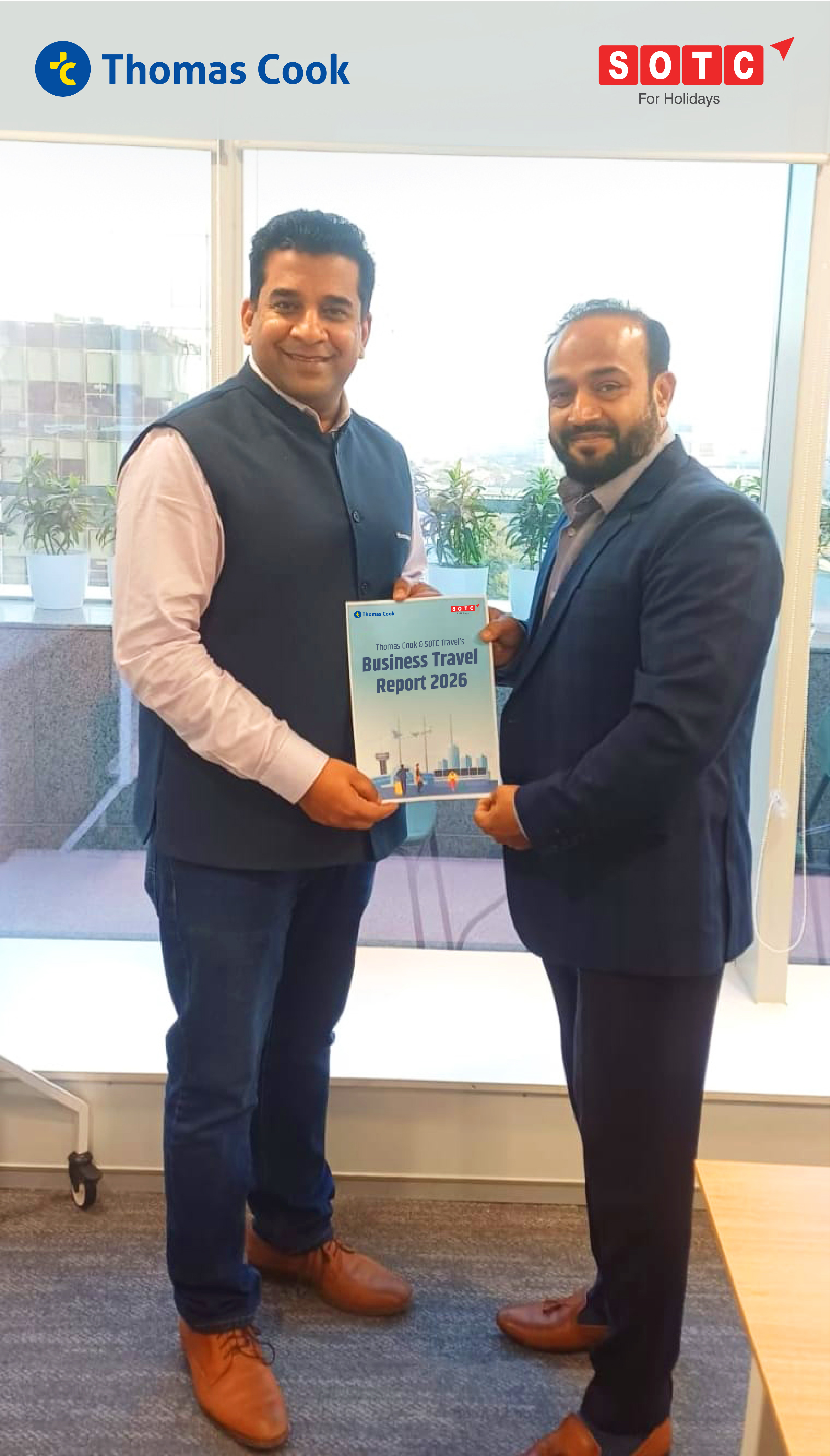
    Mumbai, Feb 25: Thomas Cook (India) Limited, India’s leading omnichannel travel services company, and its group company, SOTC Travel, have released the inaugural edition of their Business Travel Report 2026, offering insights into­­ the evolving priorities, patterns and pressures shaping business travel across India.

    The survey conducted over a two-month period, is based on responses received from 25+ leading enterprises across sectors including BFSI, manufacturing, hospitality, healthcare, conglomerates and professional services, along with insights from internal booking and transactional data. The report highlights a strong revival in business travel demand, alongside a heightened focus on cost optimization, policy discipline, traveller experience and compliance.

    Business Travel Trend Report 2026 key observations:

    ·        Business travel demand remains resilient: Nearly 65% of corporates expect their business travel volumes to increase over the next 12 months, while 30% expect it to remain stable. Only 5% anticipate a decline. This translates to 95% of respondents projecting stable-to-growth spend, underlining travel’s continued role in driving growth, client engagement and business continuity. Client meetings, sales-related travel and internal business-critical movement continue to dominate business travel demand.

    ·        Technology and data-led decision-making on the rise: More than 70% of corporates are increasing their reliance on digital tools for booking, approvals, expense management and MIS reporting, enabling improved visibility, policy compliance and data-backed decision-making across business travel programs.

    ·        Shift towards value-driven travel management: While cost optimization remains critical, over 62% of respondents highlighted a move towards value-led travel decisions — balancing cost efficiency with safety, reliability, compliance and traveller well-being. This has elevated the role of managed travel programs and strategic travel partners.

    ·        Traveller experience, flexibility and duty of care gain prominence: Alongside business objectives, over 56% of respondents acknowledged the growing importance of traveller experience, flexibility and duty of care — particularly for frequent flyers and senior leadership. The findings point to a clear trade-off between traveller convenience and policy compliance, underscoring the need for smarter, more flexible travel policies supported by technology and data-led controls to reduce friction while maintaining governance.

    ·        Policy tightening and supplier renegotiations gain momentum: Close to 60% of corporates indicated that they have tightened or are in the process of revisiting their travel policies. Renegotiation of airline and hotel contracts, rationalization of preferred suppliers and stricter approval workflows have emerged as key levers to offset rising costs and tax-related pressures.

    ·        B-Leisure travel on the rise: 68% of corporates report that employees are increasingly extending business trips to include personal leisure time — blending work and downtime. This growing shift is prompting organizations to reassess travel policies, clarify cost‑sharing norms and offer greater flexibility to support work‑plus‑leisure travel.

    ·        Domestic hubs dominate, with growth in international business travel: 72% of corporate travel continues to be domestic, led by key business hubs such as Mumbai, Delhi-NCR, Bengaluru, Chennai, Hyderabad and Pune. These cities remain critical for client meetings, internal reviews and project-based travel. On the international front, Singapore, Thailand, Hong-Kong, Maldives, Dubai-Abu Dhabi, UK, Italy, Netherlands, USA, South Africa and Australia remain preferred destinations for leadership meetings, supplier engagements and strategic business expansion —with China and Japan emerging strongly on the radar.

    ·        ­­Rising airfares and costs driving sharper controls: A sharp 80% of respondents reported an increase in Average Ticket Prices (ATP) over the past year — with over 36% witnessing a significant rise of more than 15%, and 45% reporting a moderate increase of 5–15%, highlighting tighter controls, advance booking mandates and closer monitoring of travel spends.

    ·        GST and input tax credit challenges add pressure to travel budgets: GST-related complexities continue to weigh on business travel programs. Over 55% of respondents highlighted challenges around GST applicability, compliance and input tax credit (ITC) optimization — particularly for air travel and hotel stays. This has led corporates to increasingly seek structured invoicing, compliant supplier ecosystems and expert support to minimize leakage and improve tax efficiency.

    Indiver Rastogi, President & Group Head, Global Business Travel, Thomas Cook (India) and SOTC Travel, said,

     “We are pleased to launch the Thomas Cook India and SOTC Travel Business Travel Report 2026, which presents a comprehensive view of how leading Indian corporates are recalibrating travel strategies in an increasingly dynamic environment. The findings highlight a clear shift towards value-driven programs, accelerated technology adoption and tighter governance. At Thomas Cook India and SOTC Travel, our sustained engagement with customers and deep market understanding have enabled us to anticipate shifts early and introduce innovations such as Dhruv.ai, our voice-enabled AI advisor, and TravelOne, our integrated booking and management platform — helping create smarter, policy-aligned and technology-enabled travel ecosystems. As business travel continues to evolve amid economic, regulatory and technological changes, we aim to publish this report regularly to equip industry stakeholders with actionable insights that support informed, future-ready decision-making.”

  • RAKEZ strengthens UK investment ties through multicity roadshow

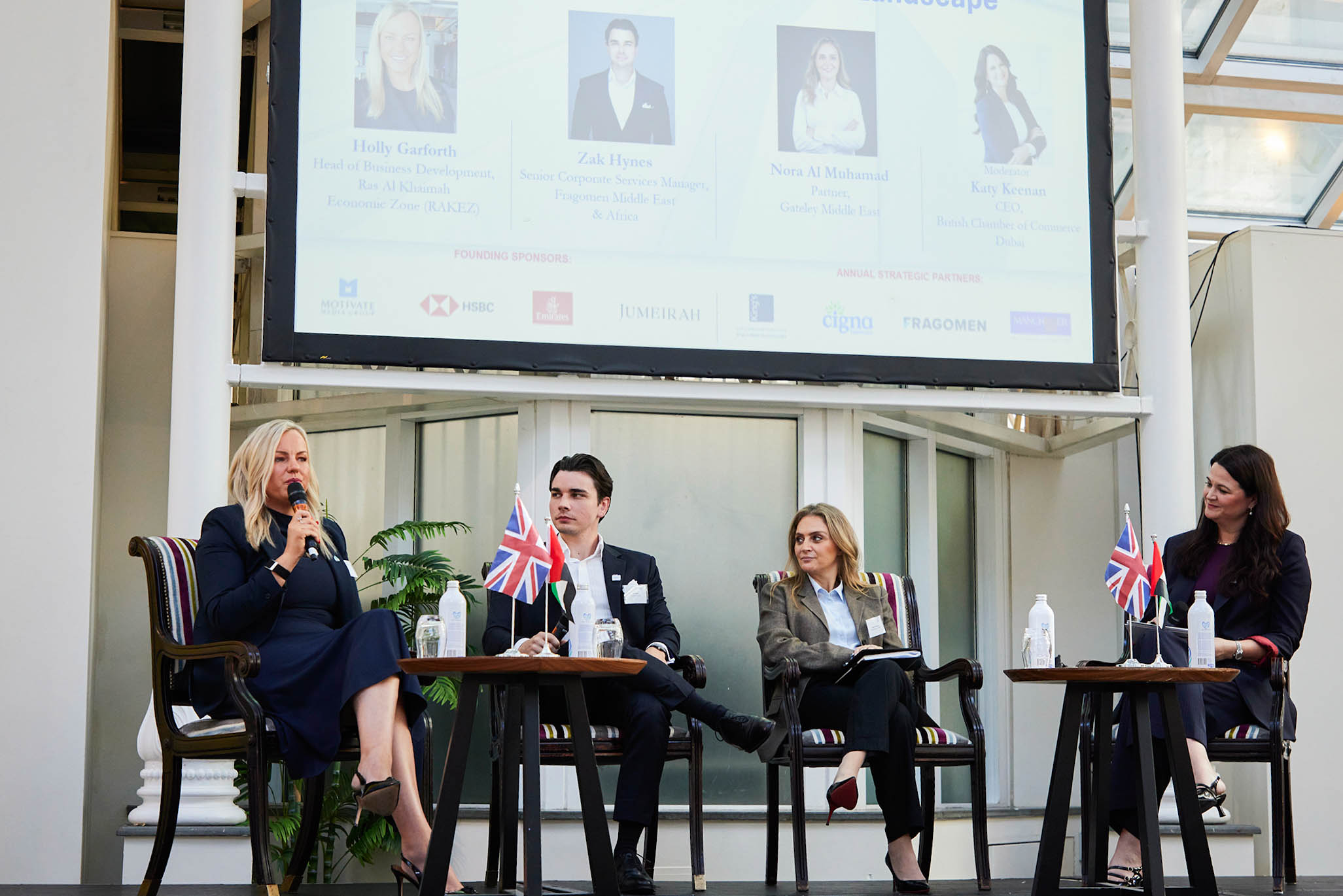
    Head of Business Development at RAKEZ, Holly Garforth (L), during the panel at BCCD’s London event

    Ras Al Khaimah, Feb 25: A high-level delegation from Ras Al Khaimah Economic Zone (RAKEZ) visited the United Kingdom, engaging British investors and reinforcing its position as a strategic gateway to the UAE and wider regional markets. The economic zone’s representatives met with investors, industry leaders, and business stakeholders across London and Manchester.

    In London, RAKEZ sponsored the British Chamber of Commerce Dubai’s (BCCD) business briefing titled ‘Doing Business in Dubai and Northern Emirates’, which brought together British investors exploring opportunities in the Middle East. During the session, Holly Garforth, Head of Business Development at RAKEZ, joined a panel discussion to provide practical insights on setting up and relocating businesses within Ras Al Khaimah’s plug-and-play ecosystem.

    The roadshow continued in Manchester, where the RAKEZ delegation took part in discussions on Making the Right Business Setup Choice in the UAE.

    Across both cities, the team conducted targeted B2B meetings with stakeholders from the advanced manufacturing, supply chain, and professional services sectors.

    Commenting on the roadshow, RAKEZ Group CEO Ramy Jallad said, “The UK continues to be a priority market for RAKEZ, with strong interest from British companies seeking scalable, cost-effective bases for regional and global expansion. Our presence in London and Manchester allowed us to engage directly with decision-makers, understand their ambitions, and demonstrate how Ras Al Khaimah offers the infrastructure, regulatory clarity, and connectivity needed to grow with confidence.”

    RAKEZ is home to more than 3,600 British investors operating across SME and industrial sectors. Established British companies at RAKEZ include Ahmad Tea, A2C, Spatial Composite, Polar Manufacturing, Green Rock Manufacturing Group, and Waste to Wonder, operating across sectors such as tea production, aircraft cabin crew training simulators, carbon fibre manufacturing, sustainable packaging, circular economy-led remanufacturing, and social enterprise initiatives. Their continued growth highlights Ras Al Khaimah’s appeal as a reliable base for scale, export-oriented operations, and long-term investment.

    The UK roadshow forms part of RAKEZ’s ongoing international outreach efforts to deepen commercial ties, attract quality investment, and further strengthen the economic bridge between Ras Al Khaimah and the United Kingdom.

  • Mukand Sumi Special Steel Strengthens CSR Drive in Koppal

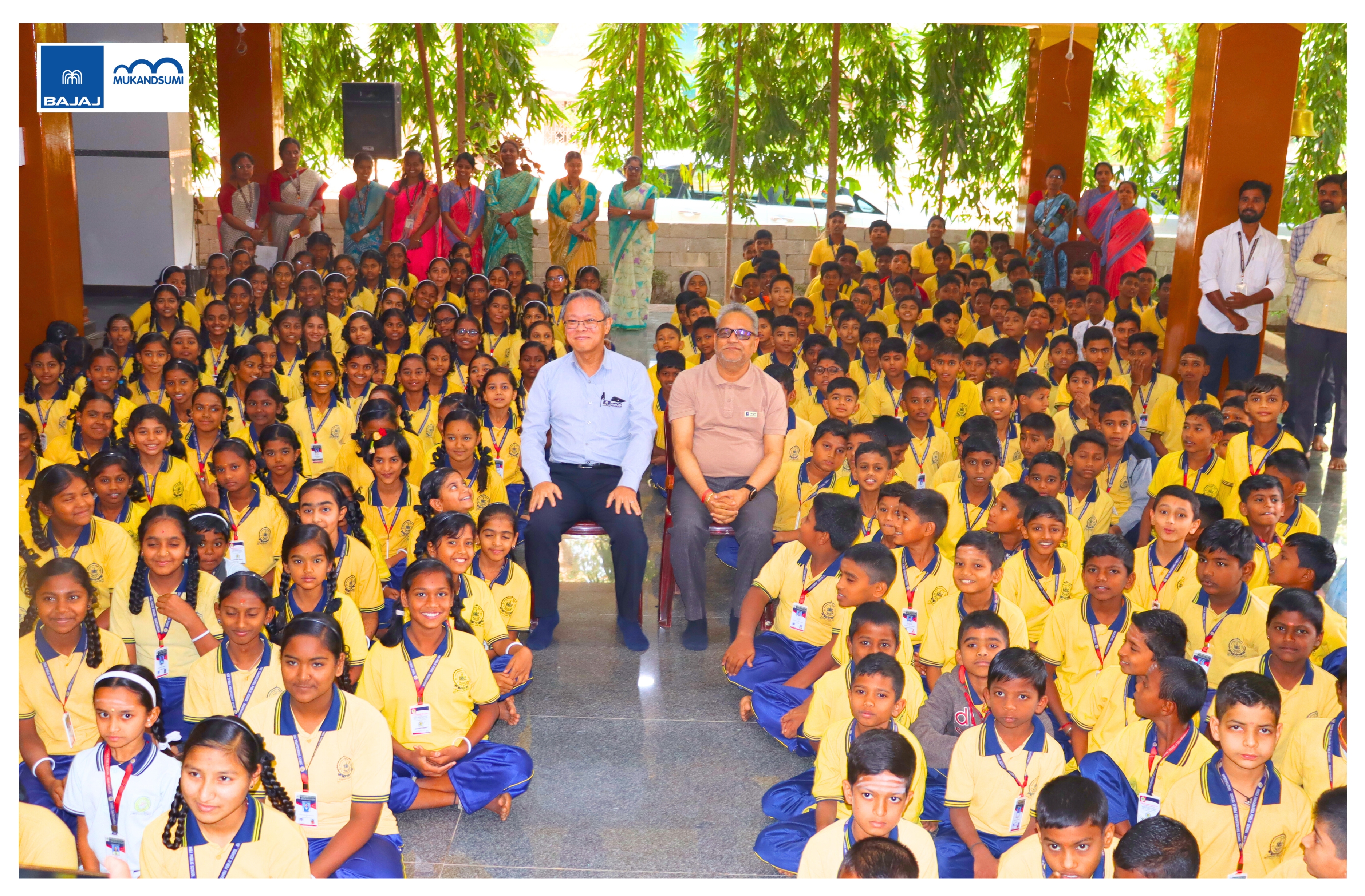
    Koppal, Karnataka, Feb 25: Mukand Sumi Special Steel Limited continues to advance its commitment to inclusive growth and sustainable community development through a series of impactful Corporate Social Responsibility (CSR) initiatives conducted in and around its Koppal plant. The company has implemented programs that focus on women empowerment, accessible healthcare and the holistic development of children, positively impacting numerous families across nearby villages.

    As part of its women empowerment initiatives, Mukand Sumi Special Steel Limited organised structured awareness and skill development programs aimed at fostering self-reliance and confidence among women. Workshops such as flower-making using corn husks encouraged creativity while equipping participants with livelihood-oriented skills rooted in sustainable practices. These initiatives, supported by local Gram Panchayat participation, have helped women build capabilities, explore income-generating opportunities and strengthen their role within their families and communities. By promoting confidence and independence, the programs are contributing to stronger and more resilient village ecosystems.

    Extending its care beyond the workplace, Mukand Sumi Special Steel Limited organised a Free Multi-Speciality Health Check-Up Camp at Bhagyanagar, Koppal, benefiting nearly 600+ community members including school children. The camp offered consultations in general medicine, eye care, dental services, women’s health, orthopaedics, Echo, ECG, and cervical cancer screening. By making quality healthcare services accessible at the community level, the initiative reinforced the importance of preventive care and early diagnosis, particularly for underserved populations. Senior company officials visited the camp, reaffirming the organisation’s continued focus on community wellbeing.

    The company’s CSR efforts have also significantly enriched the lives of young students through educational and engagement initiatives designed to foster creativity, awareness and life skills. Children participated in clay workshops, painting and drawing sessions, and singing workshops that introduced them to folk, solo and group music forms. These activities created joyful learning environments that encouraged imagination, confidence and self-expression. 

    In addition, Mukand Sumi Special Steel Limited conducted a Safe Touch Awareness Program for school children, helping them understand personal safety and appropriate boundaries in a sensitive and age-appropriate manner. Firefighting training sessions at Kanakapura Government School further equipped students with essential emergency response knowledge, covering fire safety practices and raising awareness about the harmful effects of tobacco, alcohol and substance abuse. These initiatives have empowered children with critical life skills, fostering awareness, preparedness and responsible citizenship at an early age.

    Speaking about these initiatives, Mr. Vipul Mashruwala, President, Mukand Sumi Special Steel Limited, said,

    “At Mukand Sumi Special Steel Limited, we believe that sustainable progress is built on the strength of the communities around us. Our CSR initiatives in Koppal reflect our deep commitment to empowering women, nurturing young minds and improving access to healthcare. When communities grow stronger, more confident and healthier, we collectively move towards a more inclusive and sustainable future.”

    Mr. Vipul Mashruwala further added,

    “Our engagement with the villages around our plant is driven by responsibility and compassion. Whether it is equipping women with skills for self-reliance, providing health support to families, or instilling confidence and safety awareness in children, each initiative is designed to create lasting and meaningful impact. We remain committed to walking alongside our communities in their journey of growth.”

    Through its continued focus on education, women empowerment and healthcare, Mukand Sumi Special Steel Limited is playing an active role in shaping brighter futures for young students and enabling women to become catalysts of change within their communities. These sustained efforts reaffirm the company’s belief that true industrial growth must go hand in hand with social progress and shared prosperity.

  • Royaloak Furniture strengthens Northeast presence with Second Flagship store in Guwahati

    Royaloak Furniture strengthens Northeast presence with Second Flagship store in Guwahati

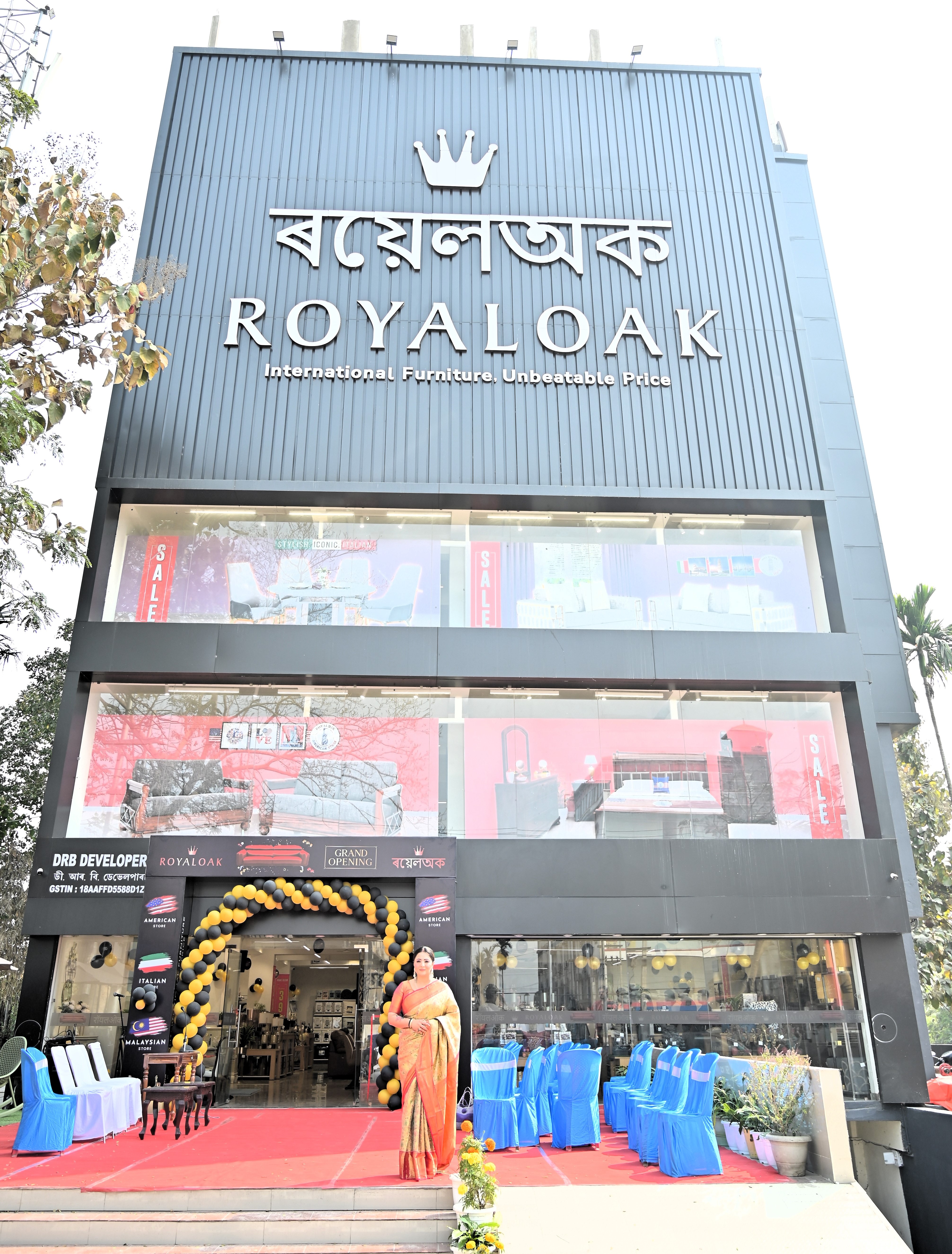
    Guwahati, Feb 25: Royaloak Furniture, India’s No. 1 furniture brand, has expanded its retail presence with the launch of its second flagship store in Dharapur, Guwahati, Assam. The new store showcases the brand’s premium international furniture collections and reinforces its commitment to delivering high-quality home furnishing solutions in Northeast India.

    The store was inaugurated in the presence of distinguished guests including Nishita Goswami, Actress; Vijai Subramaniam, Chairman, Royaloak Incorporation Pvt. Ltd.; and Mathan Subramaniam, Managing Director.

    Spread across 18,500 square feet, the store offers a comprehensive range of furniture for living rooms, bedrooms, dining spaces, study and office areas, outdoor settings, home décor, and mattresses. The expansion is expected to generate employment opportunities and strengthen partnerships with local vendors and stakeholders.

    Speaking at the launch, Chairman Vijai Subramaniam said the company remains committed to expanding its footprint and delivering international-quality furniture at affordable prices while enhancing customer experience in emerging markets.

    Royaloak Furniture is India’s No. 1 furniture brand, offering modern and luxurious furnishings for every home. Founded in 2010, the company operates over 200 stores across India and the UAE and provides more than 10,000 products sourced from 12 countries. Known for its innovative, multi-functional, and ergonomic designs, Royaloak delivers international-quality furniture using durable and sustainable materials such as Sheesham and engineered wood.


  • Tattvam AI Emerges with 1.7M Funding to Transform Semiconductor Chip Design

    Bengaluru, Feb 25 : Tattvam AI, a deeptech startup building AI systems to automate semiconductor chip design, today announced it has raised $1.7 million in pre-seed funding led by Seedcamp, with participation from EWOR, Entropy Industrial Ventures, Concept Ventures, semiconductor angel Stan Boland.

    The world is racing to build custom silicon. Unlike general-purpose chips designed to handle a wide variety of tasks, custom silicon refers to specialized processors built and optimized for specific workloads – such as AI training or AI inference. These purpose-built chips can deliver up to 100x performance improvements over general-purpose hardware like GPUs for their targeted applications, while often consuming significantly less power.

    Companies from tech giants to emerging startups are racing to build custom chips. Google has developed its own Tensor Processing Units optimized for AI workloads, Nvidia has partnered with Groq on specialized AI inference chips, and UK startups Fractile and Olix are building custom processors all in pursuit of more powerful, application-tailored silicon that can handle tomorrow’s computational demands more efficiently.

    The stakes are enormous: as AI models grow larger and more complex, and as applications from autonomous vehicles to drug discovery require massive computational power, custom silicon has become a critical competitive advantage.

    Yet the process to design a chip still takes years of painstaking manual work and the pool of engineers who can do it remains small. Meanwhile, on the software side, AI is already writing complex code at record speed. Tattvam AI aims to bring this transformation to the semiconductor world enabling more chips, designed faster, customised for the exact application making the applications built on top of them dramatically faster.

    Tattvam AI is introducing a novel approach to chip design by building an AI system that deeply understands circuit structure and autonomously solves complex design tasks, reducing chip development cycles.

    “Chip design is fundamentally a reasoning problem over an enormous search space, not unlike the kind of reasoning that’s needed to solve hard problems in mathematics. Current AI tools, even the most advanced LLMs, struggle with the deep structural understanding that chip design demands. We’re building a reasoning model that actually understands circuits from first principles – the constraints, the tradeoffs, the interdependencies – the same way a world-class engineer would and doing it in a fraction of the time.” – Bragadeesh Suresh Babu, CEO and Co-founder, Tattvam AI.

    By automating key parts of the design process, Tattvam AI aims to make custom silicon accessible to more companies, reduce development costs, and enable rapid iteration on chip designs – bringing what currently takes 2-3 years down to weeks.

    Bragadeesh is an alumnus of IIT Madras, consistently ranked as India’s 1 engineering institution and alma mater of notable tech leaders including Perplexity CEO Aravind Srinivas. He developed an early passion for mathematics through competitive Olympiads before entering the AI and hardware space.

    He was an early engineer at UK based brain-monitoring startup CoMind, which recently raised $100 million, and later became one of the earliest engineers at UK-based chip startup Fractile. Turning down an offer to join Google’s TPU team, Bragadeesh chose instead to build Tattvam AI and pursue his vision independently.

    “Bragadeesh is one of the most driven, energetic and compelling young founders in today’s chip industry. His conviction that Tattvam AI will dramatically speed-up the complex and iterative process of using EDA tools and models to design chips, cutting timelines from years to weeks, is sure to be embraced by the world’s top teams” says Stan Boland, former founder/CEO at Icera (bought by NVIDIA) and Element 14 (bought by Broadcom).

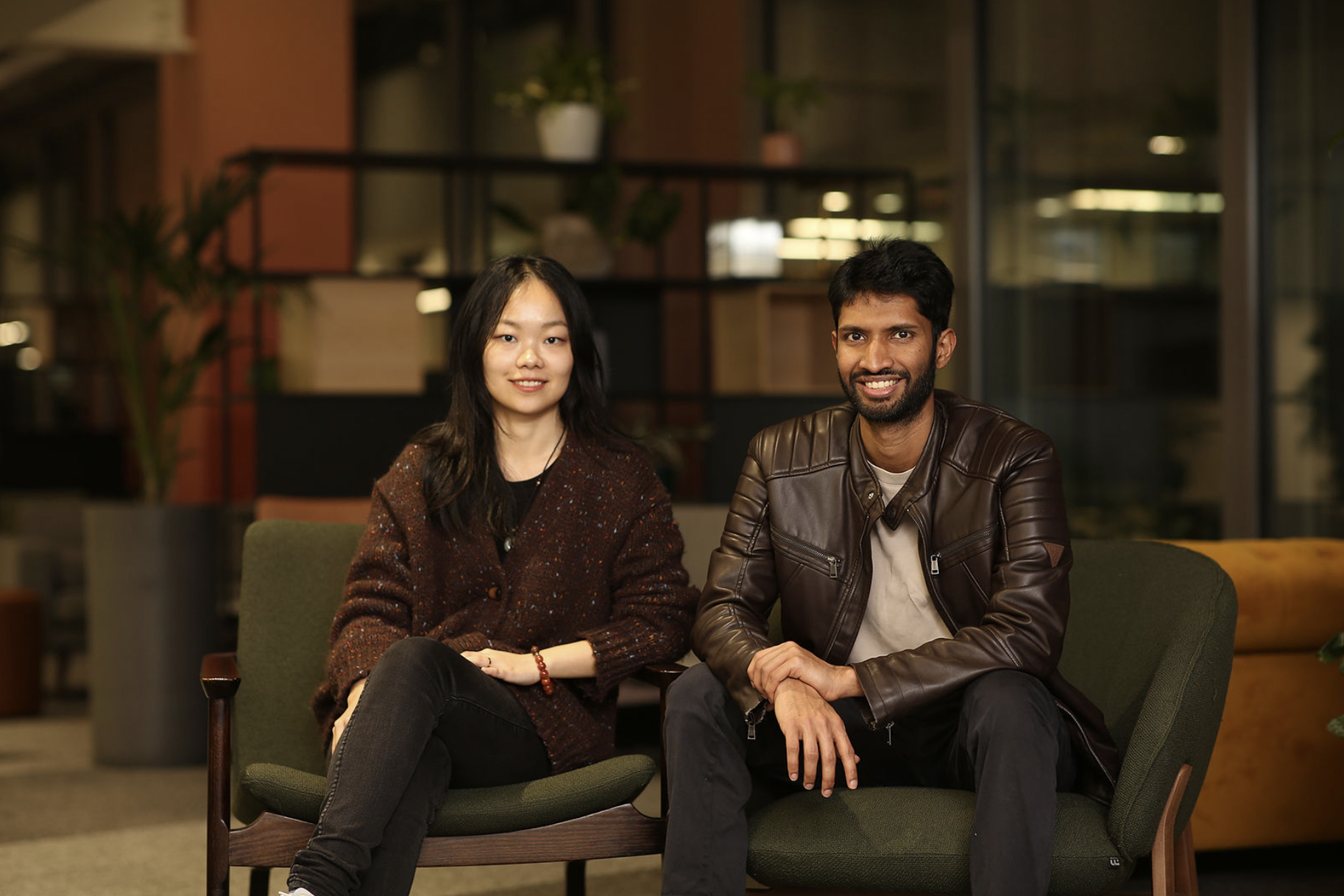
    Bragadeesh founded Tattvam AI with Lannan Jiang, who has been developing chips at a research lab at ETH Zurich. Tattvam AI plans to launch its first product in the coming months as it works with partners to accelerate the development of next-generation chips. 


  • Sanjeev Sadanand Patkar Joins FYERS Assets as Chief Investment Officer

    Sanjeev Sadanand Patkar Joins FYERS Assets as Chief Investment Officer

    Bengaluru, 25 February 2026: FYERS Assets, the asset management wing of FYERS, today announced the appointment of Sanjeev Sadanand Patkar as its Chief Investment Officer (CIO). The appointment marks a significant milestone as the firm accelerates the expansion of its digital-first, technology-enabled asset management platform across PMS and AIF strategies.

    Sanjeev brings nearly three decades of experience spanning investment management, research leadership, risk governance, and corporate strategy. Over his career, he has held senior leadership roles at ENAM Asset Management, SBI Funds Management, GE Capital Asset Management, Jardine Fleming, Kotak Securities, Dolat Capital, Almondz, and CRISIL.

    Throughout his career, he has led large research platforms supporting multi-billion-dollar assets, managed alternative and PMS mandates, and advised global investors on India-focused strategies. Beyond markets, Sanjeev has mentored management graduates for over 18 years through his associations with leading management institutes.

    Commenting on the appointment, Tejas Khoday, Co-Founder & CEO, FYERS, said:

    “Sanjeev brings institutional lineage, scale of experience, and deep industry respect. He has built and led large investment platforms anchored in strong process orientation and governance standards. His credibility and equity within the ecosystem strengthen our ability to attract talent and capital. As we continue Propelling Prosperity, his expertise, combined with our technology-first foundation, positions FYERS Assets to build a differentiated and scalable investment franchise.”

    Sanjeev Sadanand Patkar, CIO, FYERS Assets, added:

    “FYERS’ tech-driven and AI-forward approach creates a compelling opportunity to build investment solutions that are disciplined, scalable, and accessible to a wider investor base. I look forward to expanding our product offerings across PMS and AIF while embedding robust research, compliance, and risk frameworks. By aligning strong governance with digital efficiency, we aim to contribute meaningfully to long-term wealth creation and responsible capital growth.”

    With this appointment, FYERS Assets reinforces its commitment to building a digital-first, research-led, and institutionally governed platform focused on delivering consistent outcomes and advancing its mission of Propelling Prosperity.

  • Meta & Retailers Association of India Whitepaper Highlights AI, Creators, Messaging Driving India’s Omnichannel Shopping Boom

    India, Feb 25: As Indian consumers move fluidly between scrolling on social media and shopping in-store or online, retail journeys are becoming increasingly omnichannel. To understand this shift, Meta, in collaboration with the Retailers Association of India (RAI), has unveiled findings from a new whitepaper highlighting how AI, short-form video, creators, and messaging platforms are reshaping Indians discover, evaluate, and purchase products across digital and physical channels.

    The report finds that omnichannel shoppers are significantly more valuable, with consumers who shop across channels spending 2.5 times more than single-channel shoppers and up to 73% more when engaging across multiple touchpoints. Blending research insights with real-world case studies, the whitepaper outlines how discovery, conversation, and commerce are converging to make unified retail journeys a core growth model.

    Said Meghna Apparao, Director, E-Commerce & Retail (India), Meta,

    “I urge retail leaders to focus on three transformative pillars highlighted in this whitepaper. First, harness the power of Reels and Creators to drive authentic engagement and brand storytelling. Second, embrace omnichannel performance marketing to seamlessly connect with consumers across platforms, optimizing reach and impact. Third, leverage WhatsApp as a direct, personalized channel for customer interaction and commerce. Together, these strategies unlock new growth opportunities, foster deeper relationships, and position your brand at the forefront of digital retail innovation in India’s dynamic market.”

    Said Hitesh Bhatt, Director – Marketing & Communications, Retailers Association of India (RAI),

    “There has been a fundamental shift in retail: consumers no longer move between online and offline; they operate across both at once. Discovery, influence, and purchase now happen through content, creators, conversations, and stores, often in the same journey. For retailers, the challenge is no longer adopting digital tools, but integrating them to drive measurable outcomes. Omnichannel maturity will define competitiveness in Indian retail, and this report outlines what it takes to get there.”

    Social Media & Creators – The New Gateway to Retail 

    The Indian retail landscape is undergoing a clear shift from a search-based transaction model to a scroll-led discovery ecosystem. Today, 77% of retail brand and product discovery happens on social media, with Meta platforms accounting for 96% of this discovery, underscoring the growing influence of Instagram and Facebook on both online and offline purchases.

    Short-form video has emerged as the dominant engagement format, with 97% of consumers watching it daily and 60% of time on Facebook and Instagram spent on video. At the same time, the rise of micro and nano creators is reshaping trust and accelerating purchase decisions, with creator-led campaigns delivering measurable lifts across consideration, intent, and conversion.

    Said Manoj Jain, Senior VP & Head, Omni Channel Marketing, Reliance Digital,

    “Reliance Digital has embraced a Reels-forward strategy, leveraging it to drive brand awareness and business outcomes on Meta. Central to this is our collaboration with regional creators on Meta, enabling authentic connections that resonate with diverse communities, delivering stronger engagement and measurable impact, making Meta an important pillar in our marketing strategy.”

    AI-powered omnichannel is redefining retail growth

    Indian consumers are increasingly adopting a “phygital” shopping behaviour, with more than half researching products online before buying in-store and a similar proportion researching in-store before purchasing online. This shift is pushing retailers to move beyond siloed digital and physical channels toward unified commerce models that integrate discovery, conversion, and fulfillment across touchpoints.

    Retailers that have adopted integrated omnichannel strategies are reporting tangible business gains. Indian retailers using Meta’s Omnichannel Optimization have seen over fourfold improvements in omnichannel return on ad spend, while integrated data strategies have driven up to 15% revenue growth. Those integrating in-store sales data with Meta advertising measurement are also reporting two to fivefold increases in ROAS and up to ninefold incremental sales growth, underscoring the impact of unified data and AI-driven optimisation in connecting digital marketing to offline revenue.

    Said Amit Agarwal, CMO, Croma,

    Meta’s AI-powered solutions have fundamentally elevated our omnichannel approach, enabling us to integrate offline data and activate performance marketing across all touchpoints. This strategic shift empowers us to optimize customer journeys, unlock new growth opportunities, and drive sustained incremental footfall & revenue impact—online and offline—while future-proofing our business in a rapidly evolving retail landscape.”

    WhatsApp Is Transforming Commerce into Conversations

    Bridging discovery and transaction is the rapid rise of WhatsApp as a commerce channel, with messaging emerging as a powerful engine for discovery, conversion, and customer engagement. 72% of product discovery now happens on WhatsApp, highlighting the platform’s growing role in shaping purchase journeys.

    Retailers using Business Messaging and Click-to-WhatsApp campaigns are seeing a 61% average improvement in return on ad spend, a 62% increase in leads generated, and 22% higher order values, reinforcing the role of conversational commerce in driving acquisition and sales.

    Creators are further accelerating this shift, with 71% of consumers making a purchase within a couple of days after seeing creator content on Meta technologies, highlighting how discovery on social platforms is increasingly translating into real-world transactions. 

    Businesses integrating in-store sales data with Meta advertising are seeing 2x–5x+ ROAS uplift and up to 9x incremental sales growth, demonstrating how AI-driven optimization and unified data can connect digital discovery with real-world commerce outcomes.

    Key Stats from the Retail Whitepaper:

    • Rise of Omnichannel Consumer Journeys: More than 50% of retail consumers research a product online before buying in-store and over 50% research in-store before buying online, highlighting the seamless consumer journeys between physical and digital touchpoints.
    • Omnichannel shoppers are significantly more valuable: Consumers who shop across channels spend 2.5× more than single-channel shoppers, making unified commerce a critical business growth lever for retailers.
    • Meta’s Conversions API is unlocking measurable offline impact: Businesses that integrated in-store sales with Meta advertising data via CAPI are able to evaluate the true impact of Meta ads on in-store sales with ROAS uplift ranging from 2x–5x+ and up to 9x incremental sales uplift depending on industry and market.
    • Meta’s Omnichannel Optimization is driving higher marketing efficiency: Indian retailers using Omnichannel Optimization have seen 4×+ omnichannel ROAS lift, demonstrating the impact of AI-driven optimisation across online and offline conversions.
    • Reels and creators are driving measurable retail performance: Retail brands using Reels and creators are seeing 71% higher brand intent lift and 19% lower acquisition costs, showing that creator-led and short-form video content is now a core performance driver.
    • WhatsApp is becoming a key retail discovery and conversion channel: 72% of product discovery happens on WhatsApp, and retailers using Business Messaging and Click-to-WhatsApp are seeing:
    • 61% average improvement in ROAS
    • 62% average increase in leads generated
    • 22% higher order values