Category: News

  • FANS Patna Hosts Seminar on National Security Challenges and Policy Strategies

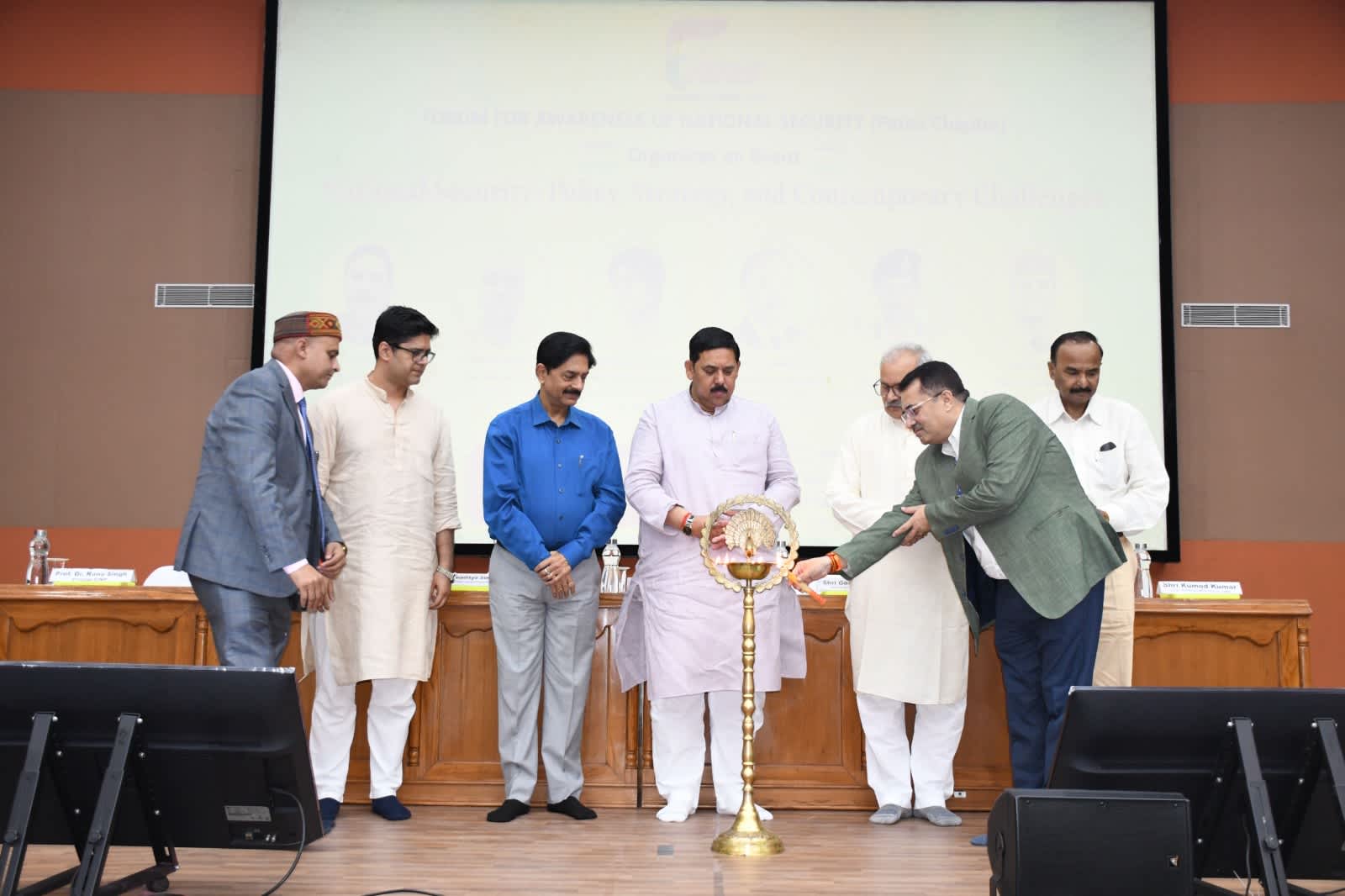
    Patna, March 21, 2026 (BNP) — The Forum for Awareness of National Security (FANS), Patna Chapter, on Friday organized a seminar on “National Security: Policy, Strategy and Contemporary Challenges” at the CIMP Auditorium in Patna, bringing together academicians, security experts and public figures to deliberate on evolving threats and policy responses.

    The programme commenced at 4:00 PM with a welcome address by Shri Kumod Kumar, CAO, CIMP and General Secretary of the FANS Patna Chapter, who greeted the dignitaries and participants and outlined the objectives of the seminar.
    FANS Patna Hosts Seminar on National Security Challenges and Policy Strategies


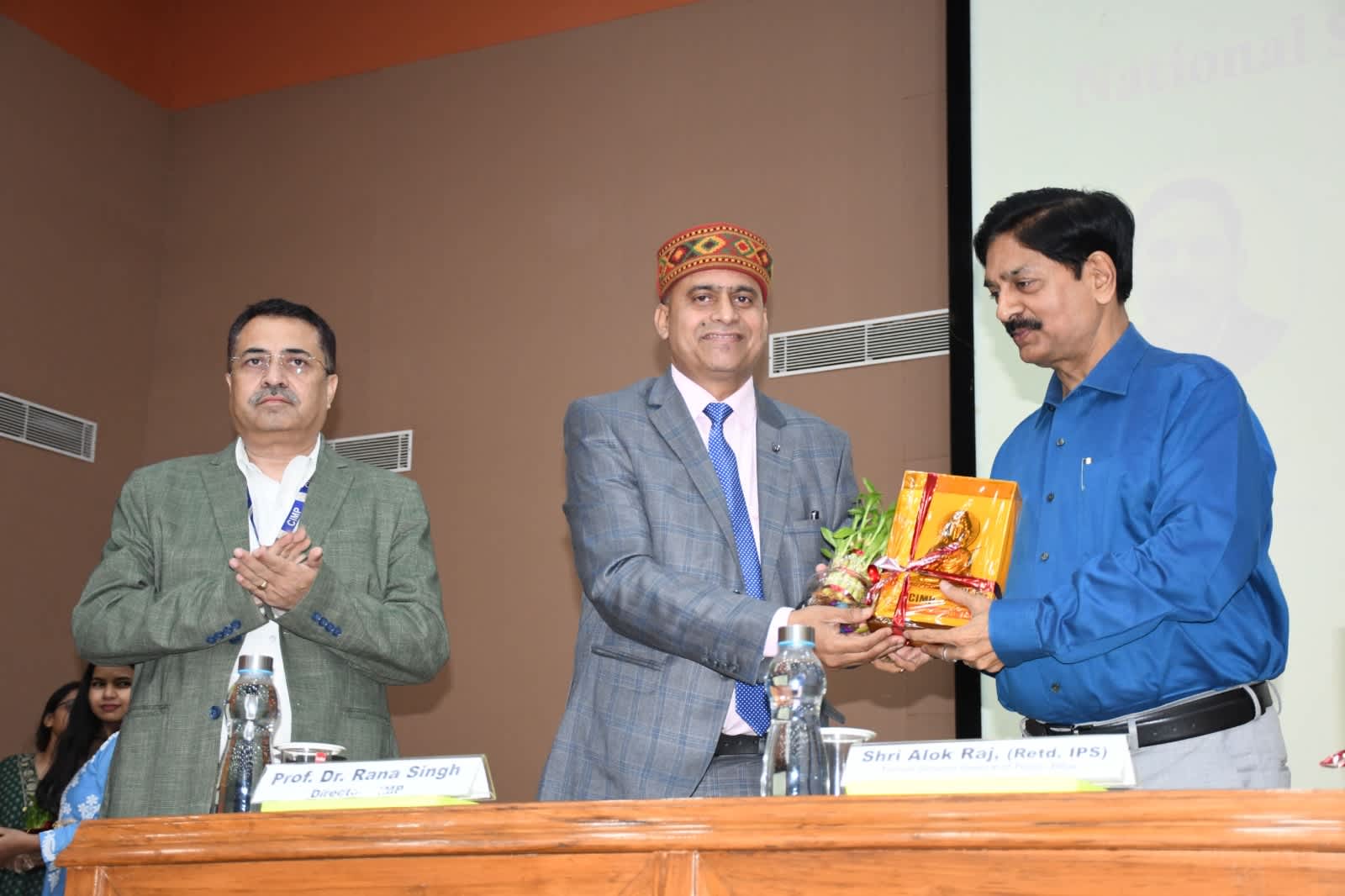
    Delivering the presidential address, Prof. (Dr.) Rana Singh, Director of CIMP, elaborated on the concept of strategy in national security and highlighted emerging threats, including nuclear, chemical, biological and radiological risks. He underscored the importance of indigenous research and digital preparedness, noting the role of DRDO in strengthening secure networks and advancing technological sovereignty to reduce dependence on external systems.

    Lt. Gen. Ashok Kumar Choudhary, President of the FANS Patna Chapter, described national security as a multi-dimensional concept encompassing economic stability, social harmony and technological strength. He called for an integrated approach, emphasizing that citizens also play a crucial role in building national resilience.

    Chief Guest Dr. Dinesh Chandra Rai, Vice Chancellor of B.R. Ambedkar Bihar University, spoke on the need to preserve cultural values alongside promoting self-reliance. He highlighted the role of technology in agriculture, integrated farming practices and training, while stressing rural development as a cornerstone of national progress. He also raised concerns over the influence of western culture on Indian heritage.

    Distinguished Guest Shri Vikramaditya Singh, National Organization General Secretary of FANS, addressed issues related to interstate coordination, international dimensions of national security and the need to create protective environments for sustainable development.
    FANS Patna Hosts Seminar on National Security Challenges and Policy Strategies

    Keynote Speaker Shri Golok Bihari Rai, member of the National Steering Committee of FANS, emphasized citizen security, peace and societal well-being. He spoke on challenges such as population pressure, the alcohol-crime nexus and policy transparency, linking economic growth with national sovereignty.

    Guest of Honour Shri Alok Raj, retired IPS officer and former Director General of Police, Bihar, discussed both traditional and emerging security challenges. He referred to threats from neighbouring regions, cyber and digital attacks, and the misuse of social media for propaganda. He lauded the role of security forces and stressed the importance of public awareness, preparedness and coordinated action.

    The seminar concluded with a vote of thanks by Shri Kumod Kumar. The event facilitated meaningful discussions on strengthening India’s national security framework in the face of contemporary challenges.

  • Proposed National Youth Policy 2026 Aims to Align Youth Power with Viksit Bharat Vision

    New Delhi, March 21 (BNP): The proposed National Youth Policy 2026 seeks to align India’s youth with the national vision of Viksit Bharat 2047 by adopting a more structured, outcome-oriented approach to youth development.

    Building on the framework of the National Youth Policy 2014, the new policy focuses on holistic human capital development and positions young people as active stakeholders in the country’s growth.

    The policy outlines six core focus areas: youth leadership and volunteerism, education, skilling and employment readiness, entrepreneurship and innovation, health and well-being, sports and recreation, and environment and climate action. Officials said these domains reflect a shift towards a balanced approach that combines economic productivity with civic responsibility and sustainability.

    A key feature of the policy is the integration of the MY Bharat platform, which serves as a digital ecosystem for youth participation. The platform enables registration, profiling, and engagement in volunteering, experiential learning, and multi-stakeholder initiatives, while also functioning as a data-driven tool for policymaking.

    The policy formulation process has been consultative, incorporating inputs from citizens through platforms such as MyGov, along with consultations with States, Union Territories, and various ministries.

    Officials said monitoring and evaluation mechanisms have been strengthened through real-time dashboards and integration with the Output-Outcome Monitoring Framework of NITI Aayog, ensuring effective tracking of outcomes.

    The policy is also supported by analytical tools such as the Youth Development Index developed by Rajiv Gandhi National Institute of Youth Development, which provides insights aligned with global benchmarks.

    Minister of Youth Affairs and Sports Mansukh Mandaviya said the policy marks a transition towards a participatory, digitally enabled, and outcome-focused governance model, where youth are not just beneficiaries but key drivers of India’s developmental journey.

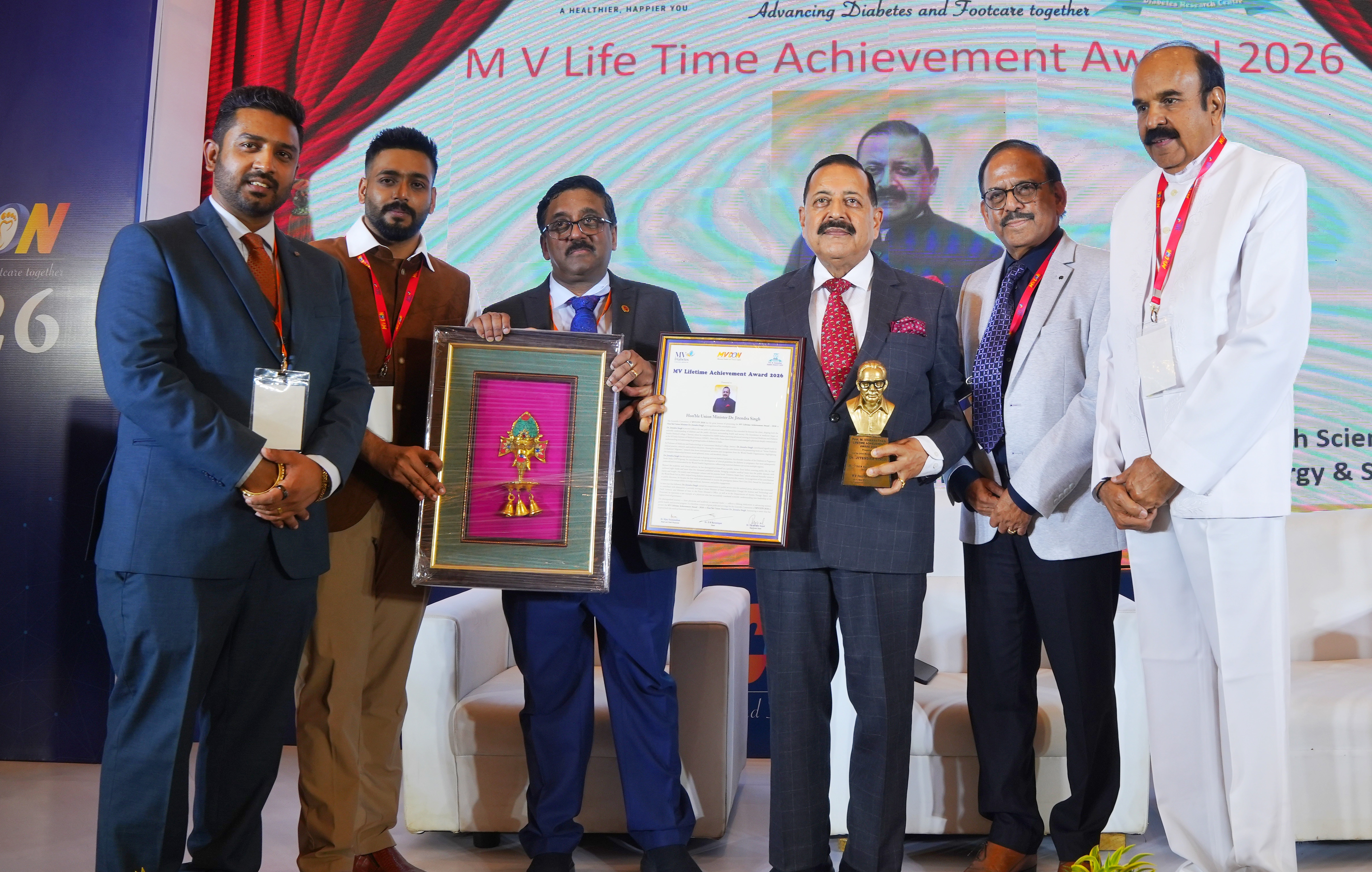
  • Dr Jitendra Singh Receives Lifetime Achievement Award for Contributions to Diabetes Care

    Chennai, March 20 (BNP): Union Minister of State (Independent Charge) for Science and Technology Jitendra Singh was conferred the Lifetime Achievement Award in Medicine and Diabetes at a national medical conference in Chennai, in recognition of his contributions to diabetes care and public health.

    The award was presented at MVCON 2026, a national-level conference organised by the M.V. Hospital for Diabetes and Prof. M. Viswanathan Diabetes Research Centre. The citation acknowledged his work as a distinguished medical professional, author, and advocate in advancing diabetes treatment and awareness.

    Dr Jitendra Singh Receives Lifetime Achievement Award for Contributions to Diabetes Care

    This marks the second Lifetime Achievement Award received by Dr. Singh, the first having been conferred at an international medical meet in 2024.

    Accepting the honour, Dr. Singh said the recognition holds special significance as it is associated with the legacy of Prof. M. Viswanathan, regarded as one of the founding figures of diabetology in India.

    Reflecting on his early career, he credited Stanley Medical College for shaping his professional journey and emphasised the importance of mentorship, ethical practice, and compassion in building a successful medical career.

    He noted that medical science has undergone a major transformation, evolving from traditional bedside diagnosis to technology-driven systems supported by artificial intelligence, and described himself as a witness to this transition.

    Dr. Singh, a renowned diabetologist and academician, has contributed extensively to medical research and literature, with thousands of publications and several books. His work on “stress diabetes” among displaced populations has received international recognition.

    The conference saw participation from over 700 delegates, including leading experts and international faculty, and featured discussions, workshops, and research presentations focused on improving diabetes care and patient outcomes.

  • PM GatiShakti Panel Reviews Key Rail, Metro and Highway Projects to Boost Connectivity

    New Delhi, March 20 (BNP): The 110th meeting of the Network Planning Group (NPG) under the PM GatiShakti initiative reviewed several major infrastructure projects aimed at improving multimodal connectivity and logistics efficiency across the country.

    The meeting, held at the Department for Promotion of Industry and Internal Trade (DPIIT), evaluated six projects, including rail, metro, and highway proposals from key ministries, in line with the PM GatiShakti National Master Plan.

    Among the railway projects, proposals for doubling the Arakkonam–Chengalpattu line in Tamil Nadu and quadrupling the Whitefield–Bangarpet section in Karnataka were assessed. These projects are expected to enhance line capacity, reduce congestion, and improve freight and passenger movement along critical corridors.

    In the urban transport segment, the Ministry of Housing and Urban Affairs presented plans for Mumbai Metro Line-11, connecting Anik Depot to the Gateway of India, and extensions of Pune Metro Line-4. These projects aim to ease urban congestion, improve connectivity, and support sustainable public transport systems in rapidly growing cities.

    The group also reviewed two major road infrastructure projects. These include the four-laning of the Badnawar–Petlawad–Thandla corridor in Madhya Pradesh to strengthen regional connectivity and economic integration, and the construction of the Fotu La Tunnel in Ladakh to ensure all-weather connectivity on the strategic Srinagar–Leh route.

    According to officials, these projects are expected to reduce travel time, improve logistics efficiency, and generate significant socio-economic benefits for surrounding regions. The focus remains on integrated planning, last-mile connectivity, and a coordinated “whole-of-government” approach under the PM GatiShakti framework.

  • PM Modi Extends Eid Greetings to Bahrain King, Raises Concerns Over Regional Security and Infrastructure Attacks

    New Delhi, March 21 (BNP): Prime Minister Shri Narendra Modi held a telephonic conversation with His Majesty Hamad bin Isa Al Khalifa, during which the two leaders exchanged greetings on the occasion of Eid al-Fitr and discussed key regional developments.

    Prime Minister Modi conveyed warm wishes to the King and the people of Bahrain, marking the festive occasion. The leaders also reviewed the evolving situation in the West Asian region, with a focus on security challenges.

    PM Modi Extends Eid Greetings to Bahrain King, Raises Concerns Over Regional Security and Infrastructure Attacks


    During the discussion, the Prime Minister strongly condemned recent attacks on energy and civilian infrastructure, highlighting their wider implications on global food, fuel, and fertilizer security. He emphasized that such disruptions pose significant risks to economic stability and supply chains worldwide.

    Modi further underscored the importance of ensuring freedom of navigation and maintaining the safety and openness of international shipping routes, particularly in strategically sensitive regions.

    The Prime Minister also expressed appreciation to King Hamad for his continued support towards the welfare of the Indian community residing in Bahrain.

    In a post shared on the social media platform X, Modi described the interaction as “fruitful” and reiterated the shared concerns over regional stability and infrastructure security.

  • Jeanologia Shows Water-Free Denim Production with Environmental Profit & Loss Report

    Jeanologia proves it is possible to produce jeans without polluting water and presents its Environmental Profit and Loss Account


    Jeanologia Shows Water-Free Denim Production with Environmental Profit & Loss Report

    Valencia: On World Water Day, a global awareness date highlighting the growing scarcity of this resource and the urgent need for responsible water use, Jeanologia presents its Ecological Profit and Loss Account, a pioneering model that measures the positive impact generated by the implementation of its technology in the textile industry.

    In a global context where water has become one of the planet’s most pressing challenges, the company is putting figures behind a transformation already underway: reshaping denim production by eliminating polluting processes and drastically reducing resource consumption.

    Since 2015, Jeanologia has been auditing and publishing this Environmental Profit and Loss Account, becoming the first company in the sector to systematically quantify the positive environmental impact derived from the use of its technologies. The model measures two key indicators: the volume of polluted water avoided and the reduction of CO₂ emissions, turning sustainability into a tangible and verifiable result.

    Thanks to the global implementation of its technologies, more than 21.5 million cubic meters of polluted water were avoided in 2025, equivalent to the annual water consumption of a city like Copenhagen. In addition, over 103 million kilograms of CO₂ emissions were reduced, comparable to the amount of carbon absorbed in one year by a forest of more than 20,000 hectares.

    This impact is the result of integrating technologies developed by Jeanologia, including laser, G2 ozone, low consumption eco washers, e-Flow nanobubble technology, H2 Zero water recycling systems, and Colorbox sustainable dyeing solutions. These innovations enable the elimination of toxic processes, drastically reduce water usage, and support zero-discharge production models.

    Today, more than 5,000 machines installed across over 70 countries are transforming denim production processes, reducing intensive water and chemical use, minimizing inefficient manual processes, and producing for some of the world’s leading brands.

    In addition, Jeanologia provides the industry with its EIM (Environmental Impact Measurement) platform, a tool that acts as a compass to measure, monitor, and improve the environmental impact of production processes, enabling brands and manufacturers to make data-driven decisions and move towards more responsible production.

    “For years, sustainability was understood as a future commitment. Today, it is a measurable reality already in motion. The industry has the technology, the knowledge, and the responsibility to operate within the limits of the planet,” states Enrique Silla, CEO and founder of Jeanologia.

    With this initiative, the company reinforces its role as a driving force for change within the textile industry, demonstrating that sustainability and efficiency can go hand in hand when there is real implementation at scale.

    Through its ‘Mission Zero’ roadmap, Jeanologia continues to advance towards a dehydrated and detoxified textile industry, where water consumption is reduced to a minimum and environmental impact is eliminated.

    At a time when access to water is one of the world’s greatest challenges, Jeanologia calls on the entire value chain ­­–brands, manufacturers and consumers– to accelerate the transition towards more responsible production models. Because the future of fashion is defined not only by design, but by how it is made.

    Jeanologia: 30 years leading the transformation of the textile industry 

    Since its founding, Jeanologia has been on a mission to transform the textile industry into a more ethical, sustainable, and efficient model. The company works closely with brands, retailers, and suppliers on this transformative journey, offering disruptive technologies, innovative software, and a new operational model. Their groundbreaking solutions, including laser technology, G2 ozone, Dancing Box, e-flow, H2Zero, and ColorBox, have redefined garment design and finishing standards, eliminating polluting processes and significantly reducing the use of water, energy, and chemicals. Thanks to these advancements, Jeanologia has saved millions of liters of water and eliminated harmful substances, turning its vision of a truly sustainable textile industry into reality.  From the introduction of its laser technology in 1999, which revolutionized denim finishing, to its current challenge of implementing a revolutionary sustainable garment dyeing process, the Spanish company has pioneered solutions that not only benefit the environment but also optimize operational costs. Looking ahead, Jeanologia remains committed to creating an eco-efficient and ethical textile future, encouraging all industry stakeholders to join its Mission Zero initiative: dehydrate and detoxify the textile industry. No more water and toxic chemicals used in garment finishing around the world.

  • Centre Assesses Crop Damage, Promises MSP Support and Relief for Farmers

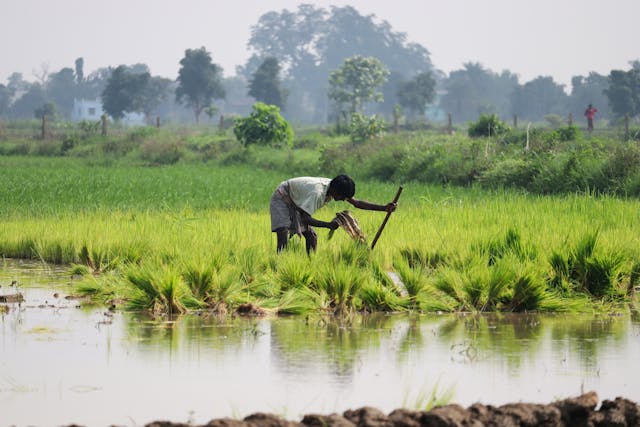
    New Delhi: The Centre has reviewed the impact of recent unseasonal rains on crops across several states and assured farmers of necessary support, including procurement at Minimum Support Price (MSP) and relief measures.

    Centre Assesses Crop Damage, Promises MSP Support and Relief for Farmers

    Pic Credit: Pexel

    Officials said the untimely rainfall has affected standing crops in key agricultural regions, raising concerns over yield losses. The government has directed state authorities to conduct field assessments and submit detailed reports on the extent of damage.

    To safeguard farmers’ interests, the Centre reiterated that procurement at MSP will continue, ensuring that affected farmers receive fair prices for their produce. Additional relief measures, including compensation and assistance under existing schemes, are also being considered.

    The government emphasised its commitment to supporting farmers during this period, stating that timely intervention will help minimise losses and stabilise the agricultural sector.

  • Telangana Allocates INR 1,500 Crore to Revamp Musi Riverfront

    Hyderabad: The Telangana government has earmarked ₹1,500 crore in its latest budget for the Musi Riverfront Development project, aiming to transform the river into a clean and vibrant urban space.

    The project focuses on river rejuvenation, including pollution control, improved sewage systems, and the creation of walkways, parks, and public spaces along the riverbanks. It is part of a broader plan to enhance Hyderabad’s urban infrastructure and livability.

    Officials said the funding will help accelerate initial development work and strengthen flood management systems. The project is expected to boost tourism, create jobs, and improve environmental conditions in the city.

    Once completed, the Musi riverfront is set to become a key urban landmark, combining ecological restoration with modern city development.

  • Odisha’s Emerging Mining Boom: From Diamonds to Rare Minerals Driving Economic Growth

    Odisha, already recognised as one of India’s most mineral-rich states, is entering a new phase of exploration and opportunity with the reported discovery of diamonds and other valuable minerals. These findings are positioning the state as a future hub not only for traditional mining but also for high-value resources that could significantly reshape its economic landscape.

    Odisha’s Emerging Mining Boom: From Diamonds to Rare Minerals Driving Economic Growth

    Pic Credit: Pexel

    Recent Breakthrough: Diamond Traces in Nuapada

    In a major development, diamond-bearing rock formations have been identified in the Kalamidadar region of Nuapada district. The discovery, highlighted in the state assembly, has generated strong interest among policymakers and experts. Detailed geological and feasibility studies are currently underway to assess whether commercial extraction is viable.

    Alongside this, indications of ruby deposits have been reported in Kalahandi, while potential gold-bearing zones have been identified in districts such as Mayurbhanj and Keonjhar. Together, these findings underline the largely untapped and diverse mineral potential beneath Odisha’s surface.

     A Diversifying Mineral Landscape

    Odisha’s mineral profile is expanding beyond its traditional strengths in iron ore, bauxite, and manganese. Recent surveys and exploration activities have indicated the presence of several valuable resources, including:

    • Diamonds in Nuapada

    • Ruby deposits in Kalahandi

    • Gold indications in Mayurbhanj, Keonjhar, and Deogarh

    • Copper, graphite, and nickel in parts of the state

    In addition, potential rare mineral zones along the coastal belt are drawing attention due to their importance in modern industries such as electronics, renewable energy, and electric mobility.

    This evolving mineral base is steadily enhancing Odisha’s position as one of India’s most resource-diverse states.

    Economic Impact: A Potential Game Changer

    1. Investment and Industrial Growth

    The possibility of high-value mineral extraction is expected to attract significant interest from investors and industry players. Once feasibility is confirmed, Odisha could see a surge in mining-related industrial activity.

    2. Employment and Regional Development

    Mining and allied industries have the potential to generate large-scale employment opportunities. Regions such as Nuapada and Kalahandi could benefit from improved infrastructure, income generation, and broader socio-economic development.

    3. Growth of Supporting Industries

    A strengthened mining ecosystem can support multiple sectors, including mineral processing, logistics, engineering services, and jewellery manufacturing. This creates strong opportunities for small and medium enterprises as well.

    4. Strategic Importance for Future Industries

    Critical minerals like graphite, nickel, and rare earth materials are essential for electric vehicles, batteries, and advanced manufacturing. Odisha’s growing mineral base could play an important role in India’s transition toward clean energy and high-tech industries.

    Policy Direction and Future Outlook

    The state government is focusing on scientific exploration, detailed feasibility studies, and sustainable development planning before any large-scale mining begins. Future strategies are likely to include structured mineral auctions to ensure transparency and encourage responsible private participation.

    Environmental safeguards and long-term sustainability are expected to remain central to policy decisions as the sector expands.

    Conclusion

    The discovery of potential diamond, gold, and other high-value mineral zones marks an important shift in Odisha’s economic trajectory. While exploration is still ongoing, the findings highlight the state’s growing importance in India’s mineral future.

    If developed responsibly, this emerging mining landscape could transform Odisha into a major high-value mineral and industrial hub, driving economic growth, employment, and long-term development.

  • Pakhala Dibasa Goes Global as Odisha Celebrates Food, Culture and Sustainability

    Observed on March 20 each year, Pakhala Dibasa has grown from a simple culinary tradition into a vibrant cultural celebration for Odias across the globe. What was once a humble summer meal is now a symbol of identity, heritage, and community bonding.

    Pakhala Dibasa Goes Global as Odisha Celebrates Food, Culture and Sustainability

    Pic Credit:https://x.com/MohanMOdisha

    Pakhala—fermented rice soaked in water and often mixed with curd—is cherished for its cooling properties and probiotic benefits, making it ideal for the hot summer months. Beyond its nutritional value, it represents a way of life deeply rooted in Odisha’s traditions.

    This year, the scale of celebrations has expanded significantly. Leading hospitality brands such as Nimantran, Mayfair, and Swosti Premium are offering elaborate “Gourmet Pakhala Thalis,” some featuring up to 20 traditional side dishes. These curated spreads are drawing food lovers and tourists, giving the traditional dish a modern and luxurious presentation.

    What truly stands out is the global participation. With millions of households and members of the Odia diaspora across more than 20 countries observing the day, Pakhala Dibasa has evolved into an unofficial “national day” for Odias worldwide. As temperatures rise, people come together over a bowl of pakhala, celebrating not just food but shared heritage and collective memory.

    The festivities also include cultural events such as the two-day Pakhala Paraba held at Panthanivas, where Odisha’s culinary richness is showcased alongside discussions on sustainability and traditional food practices. The event was inaugurated by Deepankar Mohapatra and will be attended by key leaders including Chief Minister Mohan Charan Majhi and Deputy Chief Minister Pravati Parida.

    A major highlight this year is the state’s attempt to set a Guinness World Records benchmark by preparing the largest serving of pakhala—estimated at 800–850 kg. Organised in collaboration with the Robin Hood Army, the initiative emphasizes sustainability and a zero-waste approach.

    Meanwhile, Cuttack is hosting vibrant community celebrations at Barabati Fort, bringing people together from midnight through the afternoon. Local leaders, including Subhash Singh, have highlighted how pakhala has evolved from a modest household dish to one that is widely appreciated for both its health benefits and cultural significance.

    In my own home, the preparation of pakhala remains a cherished ritual. Cooked rice is cooled and soaked in water, often with a touch of curd, allowing it to ferment slightly and develop its signature tang. For lunch, it is served with a variety of traditional sides such as aloo bharta, saga bhaja, badichura, and roasted dishes like baigana poda and bilati poda. Sometimes, crispy sukhua bhaja is added for an extra burst of flavor, along with simple accompaniments like green chilies and onions.

    More than just a meal, Pakhala Dibasa is a reminder of Odisha’s rich food heritage and sustainable eating practices. Whether enjoyed at home, in restaurants, or at community gatherings, a bowl of pakhala continues to unite people—offering comfort, nourishment, and a deep connection to cultural roots.