Category: News

  • PM Modi Calls for Women’s Reservation to Empower Nari Shakti

    Apr 9: Prime Minister Narendra Modi has called for increased women’s representation in legislative bodies, describing it as a key step to strengthen constitutional values and empower India’s Nari Shakti.

    Let us move forward together and strengthen Constitutional values and empower our Nari Shakti for national progress. pic.twitter.com/pagvYa3Zad

    — PMO India (@PMOIndia) April 9, 2026

    In a recent op-ed, he emphasized that reserving seats for women is not just a legislative formality but a reflection of the aspirations of women across the country. The Prime Minister highlighted that inclusive governance, with active participation from women, is essential for fostering equitable development and driving national progress.

    PM Modi noted that political empowerment of women creates a ripple effect, benefiting social welfare, education, and economic growth. He urged citizens, policymakers, and institutions to work together to ensure women have greater opportunities to shape decision-making and governance in India.

    The article comes amid ongoing discussions in Parliament about implementing measures for women’s reservation in legislative bodies, underlining the government’s commitment to gender equality and inclusive leadership.

    By advocating for women’s representation, the Prime Minister reinforced the vision of a future where India’s growth is powered by the full potential of its women leaders.

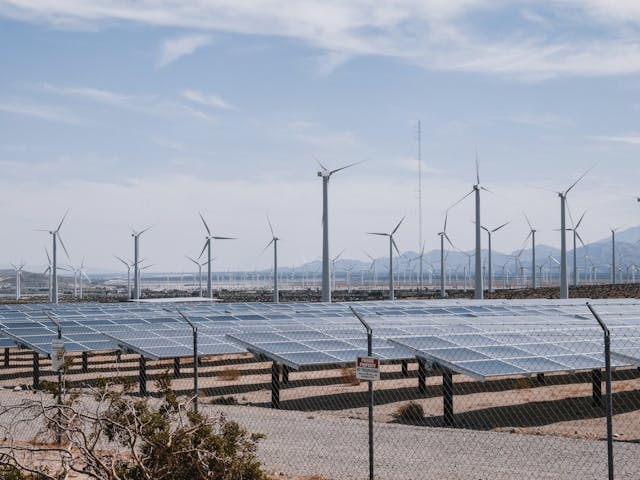
  • India Now 3rd in Renewable Energy, Eyes 500 GW by 2030

    New Delhi, Apr 9 (BNP): India has secured its position as the world’s third-largest country in renewable energy capacity, marking a major milestone in its journey toward sustainable power, said R.K. Singh.

    The government has set an ambitious target of achieving 500 gigawatts (GW) of renewable energy by 2030, driven by solar, wind, and emerging green technologies. This move reflects India’s commitment to cleaner energy, reducing carbon emissions, and meeting the country’s growing electricity demand sustainably.

    India Now 3rd in Renewable Energy, Eyes 500 GW by 2030

     Minister R.K. Singh emphasized that renewable energy is not only an environmental necessity but also a key catalyst for economic growth and employment. The expansion of clean energy infrastructure is creating opportunities for local communities, fostering innovation, and strengthening India’s energy security.

    India’s rapid progress in renewables is supported by strong policies, investment incentives, and public-private partnerships. Large-scale solar parks, wind farms, and hybrid energy projects are already under development, helping the country move steadily toward its 2030 goal.

    Achieving 500 GW by 2030 would cement India’s leadership in the global green energy transition, providing both environmental benefits and sustainable economic growth for millions of citizens across the nation.

  • PM Modi Focuses on Green Energy Expansion and Northeastern Development

    New Delhi, Apr 9 (BNP): Prime Minister Narendra Modi emphasized the government’s commitment to strengthening India’s clean energy ecosystem while accelerating development in the Northeast India.

    Addressing recent initiatives, he highlighted efforts to expand renewable energy infrastructure, promote green technologies, and create sustainable jobs. These measures aim not only to reduce India’s carbon footprint but also to harness the economic potential of the northeastern states.

    PM Modi noted that clean energy projects, including solar, wind, and hydroelectric ventures, are being integrated with regional development plans to ensure equitable growth. Improved infrastructure, better connectivity, and investment incentives are helping the Northeast emerge as a hub for green innovation and industrial progress.

    He underscored that these steps are part of a broader vision to balance environmental sustainability with economic growth, creating opportunities for local communities while contributing to India’s energy transition.

    The government’s approach seeks to make the Northeast a model for inclusive, clean-energy-driven development, combining ecological responsibility with long-term prosperity.

  • Industrial Growth Supported as Government Raises LPG Supply

    New Delhi, Apr 9 (BNP): The government has announced an increase in the supply of liquefied petroleum gas (LPG) to industrial units operating in critical sectors, aiming to support production and maintain smooth operations.

    This move is expected to benefit industries such as chemicals, ceramics, and manufacturing, where LPG serves as a primary fuel for heating, processing, and other industrial applications. By ensuring a steady supply, authorities aim to prevent disruptions that could affect output and supply chains.

    Officials highlighted that the decision comes in response to growing demand from industrial consumers and is part of broader efforts to strengthen energy security. The measure is also intended to support businesses in managing costs and sustaining growth during periods of heightened energy requirements.

    Industry representatives have welcomed the announcement, noting that consistent LPG availability will help maintain production schedules, reduce operational bottlenecks, and support overall economic activity in these sectors.

    This step underscores the government’s commitment to balancing energy supply with industrial needs, ensuring that key sectors continue to operate efficiently while meeting domestic and export demand.

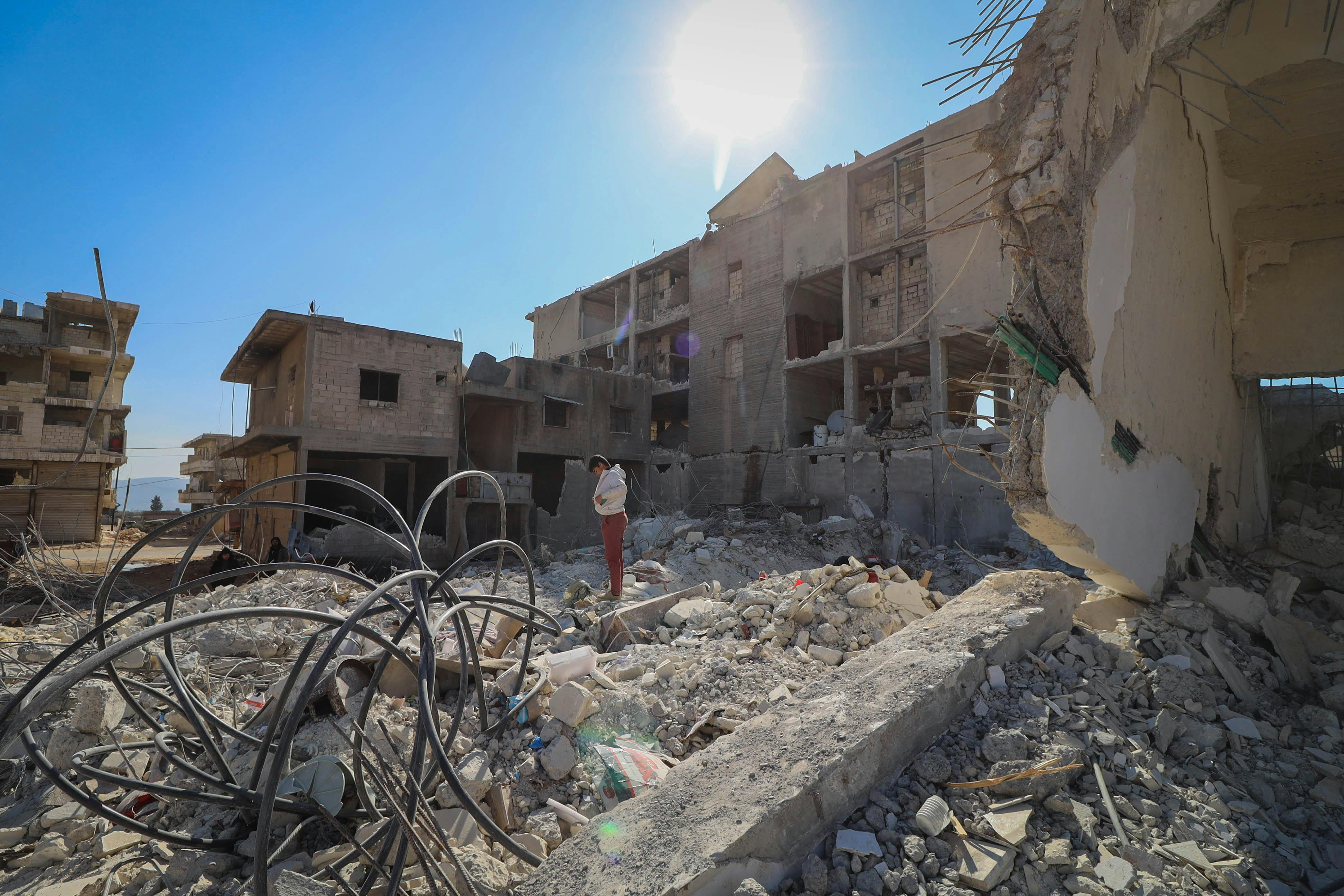
  • Middle East War: 3,640 Dead, 90,000 Homes Destroyed in 40 Days of Intense Conflict

    April 9(BNP): The ongoing conflict in the Middle East has resulted in a devastating humanitarian crisis, with at least 3,640 people reported dead and over 90,000 homes destroyed within just 40 days of intense fighting.

    Middle East War: 3,640 Dead, 90,000 Homes Destroyed in 40 Days of Intense Conflict

    According to preliminary reports from humanitarian agencies and local authorities, thousands of civilians are among the casualties, with many more injured or displaced. The large-scale destruction of residential areas has left countless families homeless, forcing them to seek shelter in overcrowded camps and temporary facilities.

    Critical infrastructure, including hospitals, schools, and water supply systems, has also suffered extensive damage, severely impacting access to essential services. Aid organizations have raised concerns over the rapidly deteriorating situation, warning of shortages in food, clean water, and medical supplies.

    International leaders and global organizations have called for an immediate ceasefire and urged all parties involved to prioritize civilian safety and allow unhindered humanitarian access to affected regions.

    The situation remains highly volatile, with continued airstrikes and ground operations exacerbating the crisis. Relief agencies are working around the clock, but access constraints and security risks continue to hamper rescue and rehabilitation efforts.

  • Single-Phase Voting Begins Across Kerala, Assam and Puducherry for 296 Seats

    Kolkata, Apr 9 (BNP): Polling is underway today across Kerala, Assam and the Union Territory of Puducherry, covering a total of 296 Assembly constituencies in a single-phase election.

    Single-Phase Voting Begins Across Kerala, Assam and Puducherry for 296 Seats

    Voting commenced at 7:00 AM under comprehensive security arrangements, with election authorities ensuring smooth and peaceful conduct across all polling stations. Long queues of voters were seen since early morning, reflecting strong enthusiasm among the electorate.

    Kerala is witnessing polling across its 140 constituencies, while Assam is voting in 126 seats. In Puducherry, elections are being held for 30 Assembly segments. Together, these polls represent a significant electoral exercise involving millions of voters.

    Initial reports indicate a steady turnout in the early hours, with participation expected to rise as the day progresses. Special arrangements have been made for senior citizens, women, and differently-abled voters to ensure inclusive participation.

    The elections are crucial for all major political parties, with keen contests expected in all three regions. Authorities have deployed adequate security forces and monitoring mechanisms to maintain law and order and ensure free and fair polling.

    Counting of votes will be taken up in the coming weeks, which will decide the political landscape of the three regions.

     
  • Faith in Motion: Over 23 Lakh Pilgrims Flock to Vaishno Devi Shrine in 2026

    Jammu, Apr 9 (BNP): In a powerful display of devotion, more than 23 lakh pilgrims have visited the Shri Mata Vaishno Devi Shrine so far in 2026, reaffirming its place as one of India’s most cherished spiritual destinations.

    Located in the scenic Trikuta hills of Jammu and Kashmir, the shrine continues to attract devotees from all walks of life. For many, the journey is more than a pilgrimage—it is a deeply personal experience of faith, endurance, and hope.

    Pilgrims, chanting hymns and walking together along the mountain path, create an atmosphere filled with spirituality and shared purpose. The steady rise in footfall also reflects improved facilities, including better connectivity, enhanced safety measures, and more efficient crowd management.

    Authorities say these efforts have made the pilgrimage more accessible and comfortable, encouraging even elderly devotees and families to undertake the journey with greater ease.

    Beyond its religious significance, the surge in visitors is also providing a boost to the local economy, supporting livelihoods linked to tourism and services in the region.

    The continued influx of devotees highlights the timeless appeal of the shrine, where faith continues to draw millions seeking blessings and inner peace.

  • Gujarat Titans Register First Win of IPL 2026 with Thrilling 1-Run Victory Over Delhi Capitals

    New Delhi,Apr 9: In a high-voltage encounter at the Arun Jaitley Stadium, Gujarat Titans clinched their first win of the Indian Premier League 2026 season, edging past Delhi Capitals by a dramatic one-run margin.

    The match went down to the final ball, where a crucial run-out sealed the victory for Gujarat, marking a remarkable turnaround after losing their first two matches of the season.

    Chasing a competitive target, Delhi Capitals put up a strong fight led by KL Rahul, who played a brilliant knock of 92 runs off 52 balls. He was well supported by David Miller, who remained unbeaten on 41 off 19 balls, keeping Delhi in contention till the very end.

    The match witnessed a dramatic finish in the final overs. Miller showcased his explosive batting, taking on the Gujarat bowlers with aggressive stroke play. In the 19th over, he struck two sixes and a four against Mohammed Siraj, shifting the momentum in Delhi’s favour.

    With eight runs required off the last three balls, the tension peaked. Miller smashed a towering six off Prasidh Krishna, bringing the equation down to the final deliveries. However, Gujarat held their nerve, and a decisive run-out on the last ball denied Delhi a famous win.

    Earlier in the over, Vipraj Nigam contributed with a boundary but was dismissed at a crucial moment, adding to the late drama. Kuldeep Yadav also played a role in rotating the strike during the final over.

    This thrilling victory marks a significant comeback for Gujarat Titans, boosting their campaign momentum, while Delhi Capitals will look to regroup after a heartbreaking defeat.

  • India’s Robust Growth Cushions South Asia Against Economic Headwinds

    Apr 9: India’s strong economic momentum is helping stabilize the broader South Asian region at a time when several neighboring economies are facing slower growth, according to a recent assessment by the World Bank.

    The report highlights that India is expected to grow at around 7.6 percent, making it the fastest-growing major economy in the region. This robust performance is playing a critical role in offsetting weaker economic conditions in other South Asian countries, where challenges such as inflation, fiscal pressures, and external debt have weighed on growth.

    India’s expansion is being driven by a combination of factors, including strong domestic demand, increased public investment in infrastructure, and resilience in key sectors such as services and manufacturing. These strengths have helped maintain economic stability even amid global uncertainties.

    In contrast, several neighboring economies are experiencing slower recovery due to tighter financial conditions and structural constraints. As a result, the region’s overall growth outlook would be significantly weaker without India’s contribution.

    The World Bank notes that while South Asia continues to face risks from global economic volatility, India’s sustained growth provides an important buffer. It not only supports regional economic activity but also strengthens investor confidence across the subcontinent.

    However, the report also emphasizes the need for continued reforms across the region to ensure long-term, inclusive growth. Strengthening fiscal management, boosting private sector investment, and enhancing resilience to external shocks remain key priorities.

    In summary, India’s solid growth trajectory is acting as a stabilizing force for South Asia, helping to cushion the impact of slower growth in neighboring economies while reinforcing the region’s overall economic outlook.

  • Alfa Laval sharpens focus on serving pharmaceutical production with new Food & Pharma Division

    Copenhagen, Denmark, April 9: With its deep expertise in separation, heat transfer and fluid handling, Alfa Laval is ideally placed to partner with pharmaceutical production pace-setters to improve profitability, accessibility and competitiveness, promote social responsibility and reduce environmental impact. Its global presence enables Alfa Laval to assist pharmaceutical producers in their efforts to optimize their global supply chains.

    As part of this strategic direction, Alfa Laval has implemented a transformation of its organization to establish the Food & Pharma Division and pioneer positive impact in life-essential industries. Set on helping billions of people get the safe medicine they deserve, Alfa Laval is substantially reinforcing its pharma workforce and committing a significant additional investment into R&D and operations over the next four years. 

    Alfa Laval sharpens focus on serving pharmaceutical production with new Food & Pharma Division


    “Secure supplies of safe and affordable medicine are needed now more than ever before.  At Alfa Laval, we are committed to pioneering and empowering the pharmaceutical industry to push the boundaries of speed and scalability,” says Sammy Hulpiau, President Alfa Laval Food & Pharma Division.

    The new structure has been designed to support pharmaceutical operators in tackling a range of challenges: optimizing the production of the rapidly increasing generic and biosimilar medicines while maximizing the patent window of patented medicines when a company benefits from a price premium. This comes on top of a pressing requirement to optimize productivity, sharpen competitiveness, secure compliance, mitigate risks, and build supply chain resilience.

    “With our embedded expertise and industry-leading pharmaceutical manufacturing solutions, we will support customers to innovate and produce the medicine of tomorrow, improving health, resilience, longevity and accessibility for a growing and ageing global population,” says Sammy Hulpiau.

    Delivering in a world of disruption

    Against a backdrop of fierce competition, erratic climate change, and geopolitical turbulence, the pharmaceutical industry is continuously adapting to disruption in markets, supply chains, demographics, regulations, and the environment. It is in these hectic conditions that Alfa Laval thrives, with a proven 140-year reputation for leading the way, through world-class knowledge and experience.

    “With class leading technologies and the expertise to apply these solutions to pharmaceutical production, we empower our customers to continuously optimize their processes and achieve a superior TCO and ROI,” says Doug Osman, Strategic Business Developer, Alfa Laval Pharma. “We also have the capacity and commitment for collaborative development to scale up innovations to industrial production quickly, while increasing patent windows and supporting swift regulatory approvals.”

    Minimized environmental impact

    Alfa Laval has a strong drive to minimize environmental impacts across all the industries in which it operates and leverages its multi-discipline expertise to ensure customers maximize resources and lessen the impact to the environment and local communities. Water efficiency is a practice that has taken up a particularly prominent space in the new Food & Pharma Division, as it is a key focal point in both industries.

    “Pharmaceutical production is typically extremely water intensive and is also subject to a number of growing regulations worldwide, driving it to reduce the release of pharmaceutical residues in its wastewater to zero. Thanks to Alfa Laval’s long engagement and expertise in the water sector, we continuously help pharmaceutical producers to enhance water reuse to safeguard water security and comply with regulations for industrial outlet,” says Eline Suijlen, Water Industry & Strategic Partnership Manager at Alfa Laval. 

    Inflection point

    The Covid pandemic proved an inflection point for the pharma industry and also for Alfa Laval in the joint effort to seemingly achieve the impossible and develop new medicine at an unprecedented pace – all in the name of saving lives.

    “In this demanding development environment, we – like many others – were forced to employ new methods to achieve the results desperately needed. It changed our approach to single-use equipment, for example, and how this may be applied to drastically speed up R&D, because of the inherent flexibility and rapid prototyping of single-use systems. We now enjoy the benefits of these learnings as a more capable organization as we face up to new challenges with respect to demographics, geopolitics and climate change ,” says Doug Osman. 

    Following the Covid pandemic, the UN  adjusted its assessment of  global  demographics in 2024, recording that the  population  is projected to grow  to more than 10 billion people by 2060, with  the share of people  aged 65 or older expected to double to 20% in that time, while a growing middle class boosting the demand for new, affordable and specialized medicines (UN, 2024).

    For pharmaceutical companies this brings a number of challenges demanding reliability, agility  and  resilience, with increased investment in R&D putting  pressure on  profitability, global supply chains  facing more stress-testing from geopolitical tensions, and regulatory and environmental regulations becoming ever stricter.

    Doug Osman says: “We are acutely aware of the challenges that the industry faces. At Alfa Laval we have the experience, expertise, and with our new Food & Pharma Divisional structure, we are well equipped to support customers and take on these challenges successfully.”