Category: News

  • Indian Railways to Invest ₹1,364 Crore to Expand Kavach and Modernize Signalling

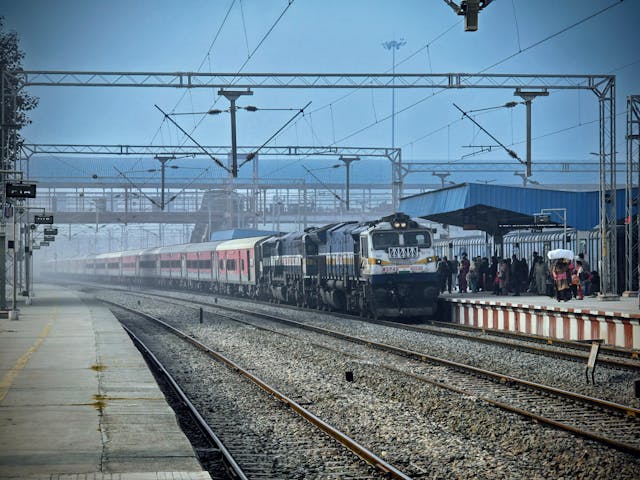
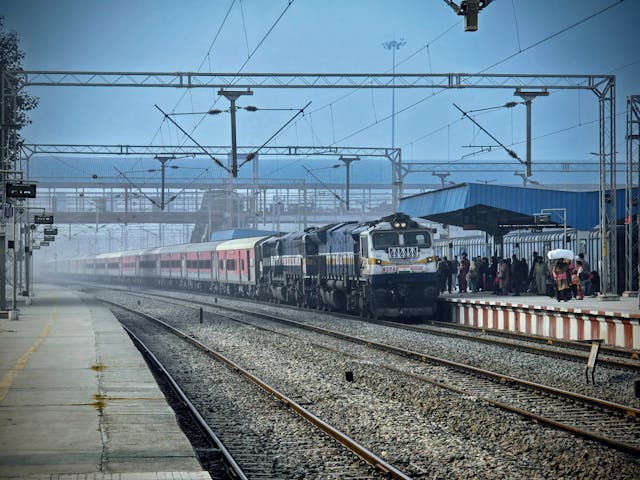
    In a major step toward enhancing safety and efficiency, Indian Railways has approved an investment of ₹1,364 crore to expand the Kavach train collision avoidance system and upgrade modern signalling infrastructure across the network.

    Indian Railways to Invest ₹1,364 Crore to Expand Kavach and Modernize Signalling

    Pic Credit: Pexel

    The initiative aims to strengthen rail safety, operational reliability, and train management, ensuring passengers enjoy a safer and smoother travel experience. By integrating advanced technology such as automatic train protection, the project will help prevent collisions, reduce human error, and improve on-time performance.

    Officials said the expansion will cover critical routes nationwide and accelerate the modernization of India’s railway network. Industry experts believe this move will transform rail operations, support higher train speeds, and lay the foundation for future-ready, smart rail corridors.

    With this significant investment, Indian Railways demonstrates its commitment to passenger safety, technological innovation, and efficient transportation, aligning with the broader vision of a modern, reliable, and resilient railway system.

  • FM Sitharaman: India’s Strong Fiscal Health Gives RBI Greater Policy Flexibility

    Apr 7: Finance Minister Nirmala Sitharaman has highlighted that India’s strong fiscal position is giving the Reserve Bank of India (RBI) greater flexibility in framing monetary policy. Speaking on recent economic developments, she emphasized that prudent fiscal management has created room for the central bank to take measured policy decisions to support growth while maintaining price stability.

    Sitharaman noted that the government’s focus on sound public finances, effective revenue collection, and targeted expenditure has strengthened India’s macroeconomic resilience. This robust fiscal health allows the RBI to address inflationary pressures and economic challenges without compromising the pace of growth.

    Analysts say that a strong fiscal position coupled with disciplined government spending can enhance investor confidence, stabilize markets, and support sustainable economic expansion. The finance minister’s remarks underline the synergy between fiscal prudence and monetary flexibility in navigating India’s economic priorities.

  • Salary Hikes in India Inc Expected to Remain Steady at 9.1% in 2026

    India’s corporate sector is expected to maintain stable salary growth in 2026, with average pay hikes projected at 9.1%, according to industry reports. Despite global economic uncertainties and inflationary pressures, companies are continuing to offer competitive compensation to retain talent and reward performance.

    Analysts say that while the growth rate is slightly moderated compared to previous years, it reflects a balanced approach by employers—ensuring employee satisfaction while managing operational costs. Sectors such as IT, BFSI, and e-commerce are likely to continue leading in terms of compensation increases, driven by high demand for skilled professionals.

    Industry experts highlight that employee retention, upskilling, and performance incentives remain key factors influencing salary decisions. Stable hikes are also seen as a signal of confidence in India Inc’s resilience and its focus on sustainable growth in the coming year.

    With wages expected to stay consistent, professionals can anticipate predictable increments, while companies continue to strategically invest in talent development and retention.

  • Indian Railways Sets New Records in Passenger Revenue and Freight Volumes for FY26

    Indian Railways Sets New Records in Passenger Revenue and Freight Volumes for FY26

    Pic Credit:Pexel

    Indian Railways has achieved historic milestones in both passenger and freight operations in the 2025–26 fiscal year, reflecting growing demand and improved operational efficiency across the network.

    Passenger revenue grew by approximately 6%, crossing ₹80,000 crore, up from ₹75,500 crore in the previous year. The increase outpaced the rise in passenger volumes, indicating stronger demand for long-distance and premium travel services.

    On the freight front, Indian Railways transported a record 1,670 million tonnes (MT) of cargo, marking a 3.25% year-on-year growth. The growth highlights the railways’ crucial role in supporting India’s supply chains, with bulk commodities such as coal, cement, and agricultural products driving the increase.

    Passenger and Freight Growth: A Dual Success

    The combined growth in passengers and freight underscores the railways’ importance as both a mode of transport and a pillar of the economy. Increased freight volumes help industries move goods efficiently, while rising passenger revenues indicate recovery in travel and confidence in the network.

    Modernization and Future Outlook

    With ongoing projects including dedicated freight corridors, upgraded stations, and faster passenger trains, Indian Railways is well-positioned to continue its growth trajectory. Experts say these developments will further strengthen connectivity, boost economic activity, and enhance the overall travel experience for millions of Indians.

    The record figures in FY26 demonstrate the resilience and strategic importance of Indian Railways as it balances passenger convenience with freight efficiency, playing a vital role in India’s economic growth.

  • India’s Coffee Exports Hit Record $2.13 Billion in FY26

    India’s Coffee Exports Hit Record $2.13 Billion in FY26

    Pic Credit: Pexel

    India’s coffee sector has achieved a historic milestone, with exports reaching a record $2.136 billion in the 2025–26 fiscal year, registering a 17% growth over the previous year’s $1.82 billion. The surge comes on the back of higher international prices and a modest rise in export volumes, according to industry sources.

    Rising Global Demand and Prices

    The growth reflects strong global demand for Indian coffee, particularly Arabica and Robusta varieties. Higher international prices, combined with steady shipments, helped push the overall export value to an all-time high. Key markets such as the United States, Germany, and Italy continued to drive demand, highlighting India’s reputation as a reliable supplier of quality coffee beans.

    A Boost for Indian Coffee Growers

    For small and medium coffee growers, the record exports are a welcome development, offering better returns and strengthening livelihoods in traditional coffee-growing regions like Karnataka, Kerala, and Tamil Nadu.

    Looking Ahead

    Industry experts say that while the export volumes grew moderately, India’s focus on improving quality, exploring new markets, and expanding specialty coffee production could sustain momentum in the coming years. Initiatives to enhance branding, adopt sustainable practices, and support farmers are expected to further consolidate India’s position in the global coffee trade.

    The milestone signals both the resilience and growing global recognition of Indian coffee, positioning the country as a key player in the international coffee market.

  • India Achieves Record Wind Power Growth with 6.05 GW Addition in FY26

    India Achieves Record Wind Power Growth with 6.05 GW Addition in FY26

    Pic Credit: Pexel

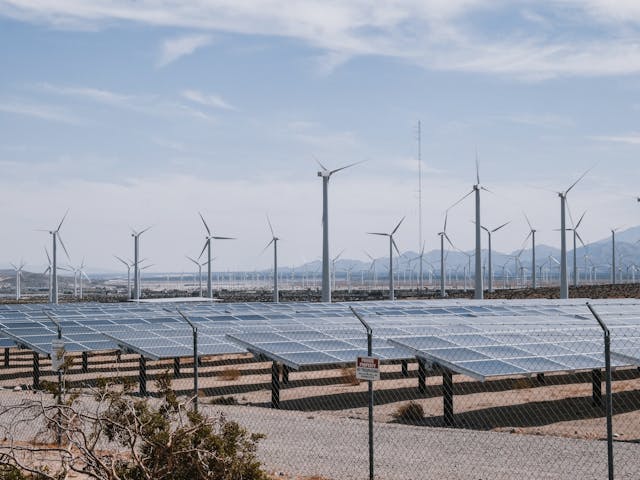
    New Delhi – India has set a new milestone in renewable energy, adding 6.05 GW of wind power capacity in fiscal year 2025–26, marking the highest annual growth ever in the sector. This represents a 46% increase over the previous year and surpasses the previous record of 5.5 GW added in FY17.

    The country’s cumulative installed wind power capacity now exceeds 56 GW, reflecting a strong resurgence in the sector driven by policy clarity, improved transmission infrastructure, competitive tariffs, and a robust project pipeline, according to the Ministry of New and Renewable Energy.

    Leading States and Hybrid Projects

    States such as Gujarat, Karnataka, and Maharashtra were at the forefront of this growth, contributing the largest share of new capacity. The rise of hybrid wind-solar projects and the rollout of green energy open access have further accelerated investment in these regions.

    Government Support and Policy Boosts

    The central government has introduced several measures to support wind energy development, including concessional customs duties on turbine components, graded waivers of inter-state transmission charges until June 2028, and competitive bidding mechanisms. These initiatives have helped create a favorable environment for investors and developers.

    Strengthening India’s Renewable Goals

    This record growth in wind energy strengthens India’s renewable energy portfolio and aligns with the nation’s ambitious target of achieving 500 GW of non-fossil fuel-based capacity by 2030. Institutions like the National Institute of Wind Energy continue to provide technical guidance and support to improve efficiency and deployment across projects.

    The milestone underscores India’s commitment to sustainable energy and demonstrates the country’s ability to leverage technology, policy, and investment to drive large-scale clean energy growth.

  • India’s Kalpakkam Fast Breeder Reactor Achieves Criticality

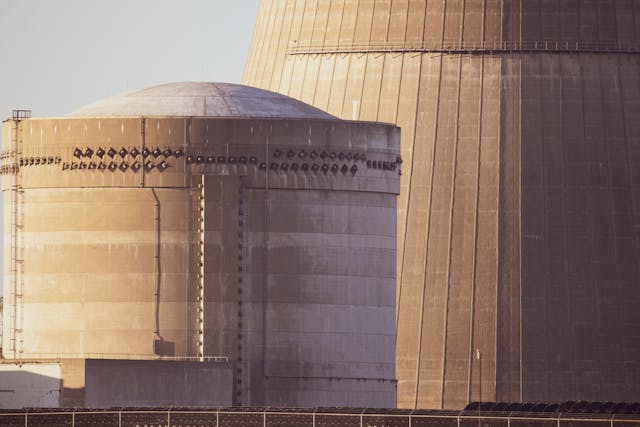
    India has achieved a landmark moment in its quest for energy self-reliance with the indigenously built Prototype Fast Breeder Reactor (PFBR) at Kalpakkam reaching criticality. Prime Minister Narendra Modi called it a “defining step” in India’s civil nuclear journey, highlighting the nation’s growing expertise in advanced science and engineering.
    India’s Kalpakkam Fast Breeder Reactor Achieves Criticality

    Pic Credit: Pexel

    A Journey Years in the Making

    Criticality is the moment when a nuclear reactor achieves a self-sustaining chain reaction—a key milestone before it begins full-scale power generation. For the scientists and engineers behind the PFBR, it is the culmination of decades of research, careful planning, and relentless effort.

    The PFBR forms the second stage of India’s unique three-stage nuclear programme, a long-term vision designed to harness the country’s vast energy resources and reduce dependence on imported fuels.

    Why the PFBR Is Special

    Unlike conventional reactors, the PFBR is a “breeder” reactor—it produces more fuel than it consumes. This ability is vital for India, which has limited uranium but abundant thorium reserves. By generating additional fissile material, the reactor supports a closed nuclear fuel cycle and strengthens the country’s energy security.

    This achievement is not just about producing electricity—it is about laying the foundation for future thorium-based reactors, which will form the third stage of India’s nuclear programme. Thorium, more abundant in India than uranium, has the potential to provide cleaner, safer, and virtually inexhaustible energy.

    A Global Achievement

    With the PFBR, India joins a small group of countries, including Russia, capable of operating commercial fast breeder technology. It demonstrates the country’s ability to innovate and execute complex scientific projects at a global standard.

    Looking Ahead

    While criticality is a major milestone, the PFBR’s journey is far from over. The next phase will involve fine-tuning the reactor, scaling operations, and eventually integrating it into India’s energy grid.

    For millions of Indians, this development represents more than technology—it symbolizes a step toward energy independence, sustainable growth, and a future where the nation can harness its own resources to power homes, industries, and progress.

    The PFBR is a reminder that innovation and perseverance can turn ambitious visions into reality, securing energy for generations to come.

  • Darjeeling to Host ‘Colours of India 2026’ Showcasing Classical Music and Dance on April 15

    Darjeeling is set to witness an evening steeped in India’s rich cultural heritage as Swaranjali Delhi presents Colours of India 2026 Darjeeling, a celebration of Indian classical vocal, instrumental music, and dance. The event is being organised in association with Hakimpara Nritya Malancha and Himalaya Kala Mandir.

    Scheduled for April 15, 2026, the programme will take place at the Himalaya Kala Mandir, Donovan Park on Hill Cart Road, beginning at 5 PM onwards. The event aims to bring together renowned artists and emerging talents on one stage, offering audiences a vibrant glimpse into India’s diverse classical traditions.

    Darjeeling to Host ‘Colours of India 2026’ Showcasing Classical Music and Dance on April 15

    The evening will feature performances by noted artists, including Smt Sangita Chaki, Shri Subrata De, Pt Subir Adhikary, Ms Roushni Sarkar, Ms Hrishita Das, and Ms Sampurna Biswas, along with disciples of Smt Iswari Chhettri. The event will be anchored by Smt Moumita Biswas.

    Organisers say the initiative is part of an ongoing effort to promote and preserve Indian classical arts while creating platforms for both established performers and young disciples to showcase their talent.

    Open to all art enthusiasts, the event invites audiences from Darjeeling and nearby regions to experience an enriching cultural evening.

    For further details and RSVP, interested attendees can contact Swaranjali Delhi and NrityaMalancha Siliguri at 9910300319 or 9434006943, or visit www.swaranjali.org and www.nrityamalancha.com.

    Shreyas Webmedia Solutions is the official media partner.


  • Harshit Rana Reaches Kolkata Ahead of KKR vs PBKS Clash in IPL 2026

    Indian pacer Harshit Rana has arrived in Kolkata ahead of the upcoming Indian Premier League 2026 match between Kolkata Knight Riders and Punjab Kings.

    Although not part of the playing squad for this fixture, Rana is expected to be present to support his team from the sidelines. His arrival has generated excitement among fans, especially in Kolkata, where KKR enjoys strong local backing.

    The much-anticipated clash between KKR and PBKS is set to draw significant attention, with both teams aiming to strengthen their position in the tournament. Rana’s presence is likely to boost team morale as they prepare for the crucial encounter.

  • Major Boost to Pilgrimage: Telangana CM Initiates ₹225 Crore Basara Temple Upgrade

    The Chief Minister of Telangana, A. Revanth Reddy, laid the foundation stone for a ₹225 crore redevelopment project at the Gnana Saraswati Temple in Basara.

    The project is aimed at improving infrastructure and providing better facilities for devotees visiting the temple. Key plans include upgrading amenities, expanding accommodation, and enhancing the overall environment while preserving the temple’s cultural and spiritual significance.

    Speaking on the occasion, the Chief Minister highlighted the government’s focus on promoting religious tourism and ensuring a comfortable experience for pilgrims. The initiative is also expected to boost tourism and support the local economy.

    The temple, dedicated to Goddess Saraswati, is one of the most important pilgrimage sites in the region and attracts thousands of devotees every year.