
New Delhi, Aug 20: India needs to move faster on diversifying its export markets as changing US tariff policies pose risks for shipments, particularly in labour-intensive sectors such as textiles and garments, according to a member of the Reserve Bank of India’s Monetary Policy Committee.
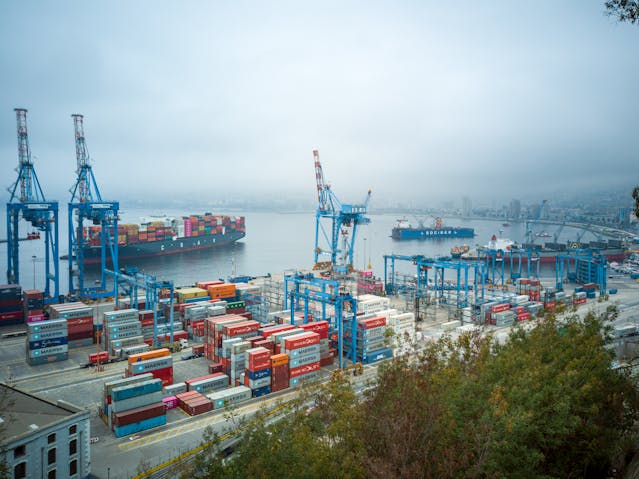
The United States remains India’s biggest export destination, accounting for about one-fifth of the country’s exports and an even larger share of labour-intensive shipments. This high concentration makes Indian exporters vulnerable to sudden changes in tariffs, trade rules and demand in the US market.
The latest assessment comes as India’s export sector faces a rapidly changing global trade environment. While Indian exports to the US have remained relatively resilient, the continued dependence on the American market highlights the need to build stronger demand across other regions. India’s exports to the US stood at $87.31 billion in 2025-26, compared with $86.51 billion a year earlier.
For India, diversification is increasingly becoming a strategic priority rather than simply a trade objective. Expanding into Europe, Asia, Africa, the Middle East and other emerging markets could help Indian companies spread risks and create new sources of demand.
The opportunity is particularly important for labour-intensive industries, where export growth directly supports employment. Textiles, garments and other manufacturing segments could benefit from stronger access to new markets, helping businesses reduce their dependence on a single major destination.
India’s growing network of trade agreements can play an important role in this transition. Faster implementation and wider use of free trade agreements with key partners could improve market access for Indian products and help domestic companies compete more effectively with exporters from other countries.
The government is also working to strengthen India’s position in global value chains by improving manufacturing capabilities, infrastructure, logistics and trade facilitation. These efforts could help Indian exporters move into higher-value products while expanding their presence across multiple markets.
The changing global trade landscape is creating an opportunity for India to strengthen its role as a reliable manufacturing and sourcing destination. Companies looking to diversify their supply chains are increasingly assessing new production bases, giving India scope to attract investment and expand export-oriented manufacturing.
At the same time, the recent experience of Indian sectors such as seafood shows that diversification can help exporters manage market-specific disruptions. Despite pressure in the US market, Indian shrimp exports have expanded to other destinations, including China and Vietnam, demonstrating how new markets can provide a cushion when demand weakens in one major economy.
The focus on diversification also comes against the backdrop of a broader review of India-US trade relations. A Parliamentary Standing Committee on Commerce recently examined the challenges arising from US tariff measures and made recommendations aimed at protecting Indian economic interests.
For Indian businesses, the message is increasingly clear: expanding exports will require both deeper access to existing markets and a much wider global customer base.
A more diversified export basket could make India’s external sector more resilient, support employment-intensive industries and provide businesses with greater protection against sudden changes in trade policy.
As global supply chains continue to evolve, India has an opportunity to turn the current trade uncertainty into a long-term strategy for expanding its presence across international markets. Faster market diversification, stronger manufacturing and deeper integration with global value chains could help Indian exporters build a more stable and competitive position in the world economy.
