
STOCKHOLM, Sept. 8, 2026 /PRNewswire/ — Autoliv, Inc. (NYSE: ALV) (SSE: ALIVsdb), the worldwide leader in automotive safety systems, is advancing the development of virtual testing through its Human Body Model (HBM) Safety Suite. The platform is designed to support the development of safer vehicles, with Toyota as the first customer onboarded to evaluate its capabilities.
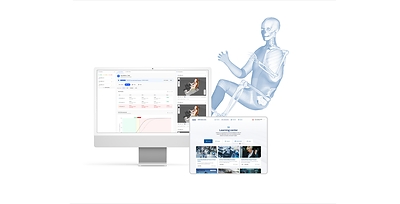
Virtual testing can be used for analyzing complex crash conditions that are difficult to replicate physically. It is becoming an important complement to physical crash testing in the automotive industry, driven by shorter vehicle development cycles, evolving safety requirements, and the need for earlier insights during vehicle development.
As regulations and consumer rating programs move toward greater use of virtual methods, Autoliv supports the automotive industry to meet evolving requirements, accelerate innovation, and advance protection for a more diverse range of occupants.
Autoliv Human Body Model Safety Suite
Autoliv’s HBM Safety Suite is an integrated virtual safety platform that combines an advanced Human Body Model for crash simulation with dedicated software tools for analysis, visualization, and decision-making. The Human Body Model is a detailed digital representation of human anatomy, that can provide insights into occupant response and potential injury mechanisms that are not available from physical dummies alone.
“Virtual testing is becoming an increasingly important part of how the automotive industry advances vehicle safety. Autoliv’s HBM Safety Suite provides detailed insights into how the human body may respond in a crash, helping engineers evaluate and optimize safety performance earlier in the development process. By combining advanced Human Body Models with dedicated analysis and visualization tools, we can support the development of safer vehicles and contribute to our vision of Saving More Lives,” said Fabien Dumont, Chief Technology Officer at Autoliv.
By transforming complex simulation data into clear, actionable insights, Autoliv’s HBM Safety Suite helps to evaluate safety performance in virtual environments and optimize safety solutions for a diverse range of occupants. Used alongside physical crash testing, the platform provides additional insights into occupant response and injury mechanisms to support the development of safer vehicles, while also helping reduce lead times and enabling to improve cost efficiency.
Toyota has recently started using Autoliv’s HBM Safety Suite to evaluate its capabilities as part of its virtual safety development activities. Autoliv plans to make the platform available more broadly across the industry in 2026, supporting automakers as virtual testing becomes a more important complement to physical crash testing.
For more information about HBM Safety Suite, please visit HBM Safety Suite | Autoliv.
Images and video: Media Gallery and YouTube.
Inquiries: Autoliv.com
 View original content to download multimedia:https://www.prnewswire.co.uk/news-releases/autoliv-advances-vehicle-safety-through-virtual-testing-302871395.html

