Author: admin

  • PEAK by HMS Networks – New look, proven strengths remain

    PEAK by HMS Networks – New look, proven strengths remain HMS Networks integrates PEAK as a product brand Since fall 2024, PEAK-System Technik GmbH has been part of the HMS Networks Group. Now, in early 2026, it is time for the next logical step in this integration as PEAK visually becomes a product brand of the HMS family. For customers and partners, this shows direction, clarity, and continuity – because PEAK’s key values, products, and contacts remain unchanged.

    Darmstadt, Germany – Feb 17:
     

    One shared look – with a clear origin


    PEAK’s visual appearance now follows the design of HMS Networks, making it clear that the pioneering PEAK products now have the solid backing of Industrial ICT leader HMS Networks. The previously dominant colors red and black are replaced by the established HMS colors blue and white.


    A central element is the PEAK logo. It keeps its distinctive, recognizable outline while being clearly linked to the group through the addition “by HMS Networks”. This way, the PEAK brand remains clearly identifiable and at the same time benefits from the strong HMS backing. Globally known Industrial ICT product brands are already united under this umbrella, such as Anybus, Ewon, Intesis, Red Lion, N-Tron, Owasys, and Ixxat.
    PEAK by HMS Networks: The visual appearance of the PEAK brand keeps its distinctive, recognizable outline while being clearly linked to the group through the addition “by HMS Networks”.

    Why this step makes sense


    The visual integration of the PEAK brand is a natural continuation of the acquisition in 2024. Through the merger, PEAK has already gained access to global development resources, extensive know-how, and the financial stability and independence of the HMS Networks Group. At the same time, customers benefit from HMS Networks’ worldwide sales and service network, which makes it easier to access PEAK products and other solutions from HMS.


    “A unified brand appearance helps customers find their way faster and understand connections more clearly and intuitively – especially in a technologically complex environment like ours,” explains Christian Adolph, Director Marketing, Business Development & Technical Support. “That PEAK also visually is now part of HMS reflects exactly that: a strong brand with its own identity and recognition, embedded in a group that stands for reliability, stability, and long-term perspectives.”

    Christian Adolph, Director Marketing, Business Development & Technical Support.

    Aiming for future growth


    With the updated look, PEAK and HMS Networks underline their commitment to offering customers secure, high-performance, and future-proof hardware and software for Automotive, Medical, and Industrial Communication.


    “‘#1 Choice for Engineers’ remains our top priority and our central guiding principle,” adds Adolph. “We will communicate this message together with the fresh look repeatedly in the coming months and make it visible through campaigns. Because PEAK remains PEAK – but now clearly visible as part of HMS Networks.”

     

    A new product in a fresh guise: The PCAN-USB XL is one of the latest product releases of PEAK by HMS Networks. With the CAN XL technology inside and the new PEAK logo outside it is ready for the future!
  • FIA and League of Arab States strengthen cooperation on cross-border mobility and regional integration

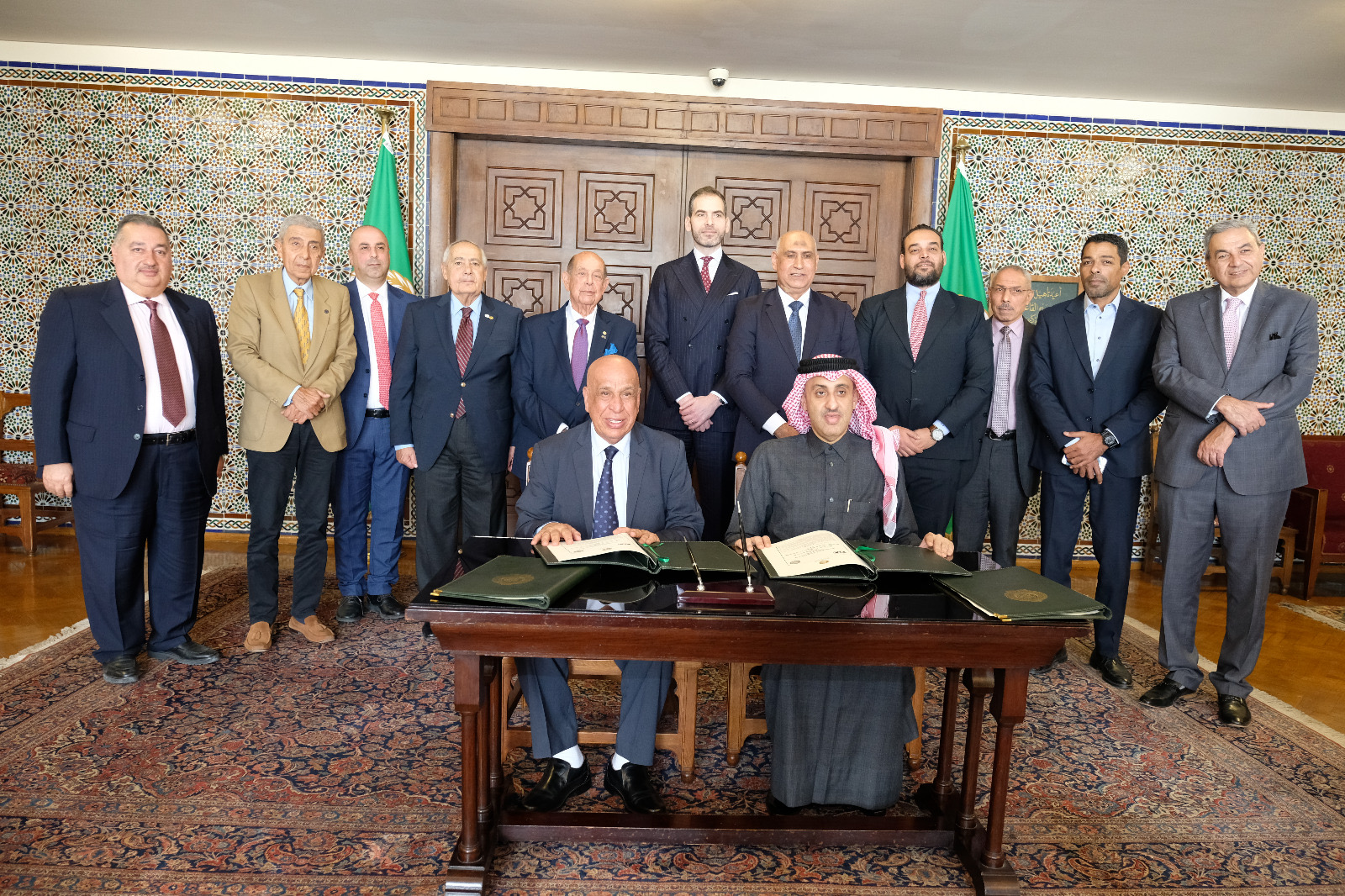
    Dubai, UAE, Feb 17: The Fédération Internationale de l’Automobile (FIA), the global governing body for motor sport and the federation for mobility organisations worldwide, has signed a Memorandum of Understanding with the League of Arab States, strengthening cooperation across transport, tourism, sport, and regional policy.


    A central focus of this partnership will be improving cross-border movement through internationally recognised travel and transport documents, including the Carnet de Passages en Douane system (CPD) for the temporary admission of vehicles, and the International Driving Permit.


    Both play an important role in facilitating travel, trade, and tourism, supporting greater regional integration. FIA Member Clubs are trusted issuers of CPDs and International Driving Permits, working closely with national authorities and international frameworks.


    Mohammed Ben Sulayem, FIA President, said: “This memorandum reflects the FIA’s commitment to working in partnership to deliver practical solutions that support mobility, tourism and regional cooperation.


    “By strengthening collaboration with the League of Arab States, we are reinforcing the role of our FIA Member Clubs as trusted partners in facilitating cross-border movement and contributing to economic integration across the region.”


    Dr. Ali bin Ibrahim Al Maliki, Assistant Secretary General and Head of Economic Affairs Sector from the League of Arab States, said: “The LAS General Secretariat places great importance on building partnerships with international and regional organisations in this vital sector in all its forms.


    “The FIA is a leading international organisation active in transport, tourism, road safety and motor sport for development, and includes national clubs from a number of Arab countries among its members.”


    Essa Hamza, Chair of the FIA MENA Council, added“This partnership delivers a platform to advance regional connectivity. Together we are strengthening tourism and cross-border travel, creating a real impact for people and institutions across the Arab world.” 


    Signed at the League’s General Secretariat in Cairo, the agreement builds a framework for practical collaboration and knowledge sharing, creating closer links between the institutions and establishing a basis for engagement between the parties helping both organisations to identify priorities, develop joint activities, and amplify best practices.

  • Sky Links Capital Activates Dedicated Equity Desk for Professional Equities Execution

    Dubai, Feb 17: Sky Links Capital, an international multi-asset brokerage firm dedicated to connecting investors with the global financial markets, today announced that its new Dedicated Equity Desk is now fully operational and ready to accept client equity orders with immediate effect. The desk has been established with defined order-handling procedures and internal controls designed to support institutional-style execution with strict confidentiality of client orders and trading activity.

    The Dedicated Equity Desk is intended for professional and sophisticated investors seeking discreet, specialist execution of both cash equities and equity CFDs, subject to instrument availability and applicable rules.

    “At Sky Links Capital, we understand that clients who trade equities at meaningful sizes care about strong execution,” said Daniel Takieddine, Co-founder and CEO of Sky Links Capital Group. “This dedicated desk is built to support personalised order handling backed by experienced execution specialists, along with support throughout the trading lifecycle.”

    Leveraging institutional-style trading technology, the Equity Desk supports a range of order types, including Open/Close instructions benchmarked to the market open or close, dark liquidity access to help minimize market impact, participation strategies targeting a defined percentage of market volume, and pre/post trading outside regular market hours. It also offers Seeker logic to actively source liquidity under controlled parameters, Smart Order Routing (SOR), and time-weighted and volume-weighted strategies to help reduce signalling risk and align execution with market activity.

    The Desk operates between 9:30 AM and 4:00 PM ET and is available in eligible jurisdictions.

    “Sophisticated investors expect institutional-grade standards,” said Apollo Irungbam, Head of Marketing at Sky Links Capital. “The launch of our Dedicated Equity Desk provides the personalized access they value. With a clear operating model and a direct line to the desk, clients can expect strong support and execution.”

    Building on Sky Links Capital’s fintech-led brokerage positioning, the Dedicated Equity Desk aligns with its broader focus on technology-enabled services. Supporting execution quality and controlled order handling for professional and sophisticated investors, particularly where discretion, benchmark-led order execution, and clear procedures are priorities. The firm will provide access via relationship-managed onboarding and expert desk support during stated operating hours, subject to client eligibility and regulatory requirements.

  • From transparency to action: practical support to advance nature protection

    Amsterdam, Feb 17: As global momentum builds for stronger corporate accountability on biodiversity, the Global Reporting Initiative (GRI) has launched a new practical guide to help organizations enhance the quality and credibility of their biodiversity disclosures.

    Titled “Decoding biodiversity impacts: A practical guide to corporate reporting with the GRI Standards,” the free e-book provides actionable insights into applying GRI 101: Biodiversity 2024, the latest global benchmark for reporting nature-related impacts. The release comes in response to the recently published Business and Biodiversity Assessment by the Intergovernmental Science-Policy Platform on Biodiversity and Ecosystem Services (IPBES), which warns that “business as usual” is accelerating biodiversity loss and calls for transformative corporate action.

    Supporting Credible, Decision-Useful Reporting

    The guide combines expert perspectives on implementing GRI 101 with practical case studies from GRI Community members. It illustrates:

    • How organizations can assess biodiversity impacts across operations and geographies;
    • The benefits of integrating nature-related considerations into governance and strategic decision-making;
    • The importance of location-specific data in identifying biodiversity risks and dependencies;
    • Approaches to managing data collection challenges across supply chains.

    As biodiversity reporting gains traction globally, the guide demonstrates how transparent, decision-useful disclosures can build stakeholder trust and inform actions that address nature-related risks and opportunities.

    Cristina Gil White, Chief Engagement Officer at GRI, said:

    “As transparency expectations around biodiversity impacts intensify, the question isn’t whether to report: it’s how to do it credibly. We hope the perspectives and learnings in this e-book will demonstrate that, empowered by the GRI 101 Standard, effective and decision-useful corporate reporting on nature is achievable. Ultimately, this is about translating commitments into action that drives change and builds trust.

    Whether organizations are just starting out or already advanced in their nature disclosure practices, ‘Decoding biodiversity impacts’ is a key resource to strengthen reporting and navigate transparency requirements with greater clarity.”

    New Global Benchmark for Biodiversity Disclosure

    Effective for all GRI reporting from 1 January 2026, GRI 101: Biodiversity 2024 replaces GRI 304: Biodiversity 2016 and establishes the global standard for disclosing impacts on nature. The Standard has been published in 11 languages, reinforcing its global accessibility and adoption.

    The release of the guide follows the 12th plenary session of IPBES, held in Manchester, UK, where representatives of 150 governments approved the Business and Biodiversity Assessment Report. The report highlights that many companies currently face limited financial consequences for biodiversity impacts and outlines 100 priority actions for businesses, governments, and stakeholders.

    Strengthening Skills and Collaboration

    Through the GRI Community — a global network of over 400 organizations advancing sustainability reporting — and the GRI Academy, the world’s leading training provider for sustainability reporting, GRI offers targeted courses to build capacity in biodiversity reporting, including guidance on GRI 101 and GRI-TNFD interoperability.

    The Global Reporting Initiative provides standards, services, tools, and training that enable organizations of all sizes to assess and report on environmental, social, and economic impacts. Developed through a multi-stakeholder process, the GRI Standards are widely used worldwide and contribute to the establishment of a global sustainability reporting system that supports long-term value creation for people and the planet.

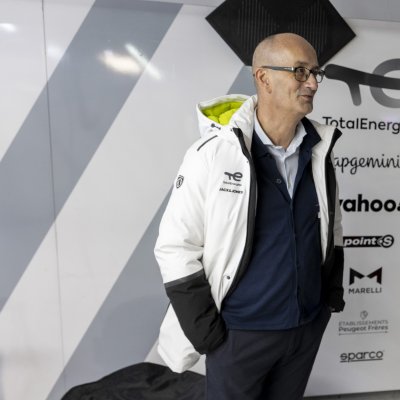
  • Point S renews partnership with Peugeot Sport for the 2026 FIA WEC season

    Feb 17: Point S, the world’s leading independent tyre dealer and car maintenance network, has announced the renewal of its partnership with Team Peugeot TotalEnergies for the 2026 FIA World Endurance Championship (WEC).

    The partnership represents another milestone collaboration for Point S, solidifying its presence in the motorsport industry alongside historic endurance racing organisation, Peugeot Sport. As with the 2025 season, the Point S logo will feature prominently on the PEUGEOT 9X8 Hypercar in the Hypercar category, as well as on driver suits and helmets, showcasing the global brand to millions of motorsport fans across the world.

    The continuation of their collaboration reflects the shared values of both Point S and Team Peugeot TotalEnergies. Endurance racing embodies the core principles of the global network and mirrors its dedication to excellence, safety, and innovation.

    Fabien BouquetPoint S International CEO, said: “Renewing our partnership with Team Peugeot TotalEnergies highlights Point S’s commitment to performance and innovation, and showcases our continued desire to engage with motorsport supporters worldwide. In continuing this partnership, we are merging the expertise of both parties and reinforcing the link between performance on the track and performance on the road. Independent tyre dealers and workshops can learn a lot from endurance racing and vice versa, and our collaboration with Team Peugeot TotalEnergies serves a bridge between two different ends of the automotive spectrum. We are excited to for the 2026 season to begin and to support our partners at Peugeot Sport throughout the year.”

    Olivier JansonnieStellantis Motorsport Director, said: “We are very pleased to continue our collaboration with Point S for the 2026 FIA WEC season. The continued support of committed partners is essential to the performance and long-term sustainability of PEUGEOT’s involvement in Endurance racing. Our shared expertise, values and objectives, together with the trust Point S places in us, will once again enable the PEUGEOT 9X8 programme to shine on the international stage in 2026”

    Beginning in Qatar on 28th March, the 2026 WEC season will again see Team Peugeot TotalEnergies represented by world-class drivers, including Nick Cassidy, Paul Di Resta, Stoffel Vandoorne, Loïc Duval, Malthe Jakobsen. The team will also be joined by new, highly anticipated official driver, Théo Pourchaire.

  • India’s FY2027 budget shifts focus from renewable deployment to manufacturing and industrial decarbonisation

    Clean energy spending rises 40% to US$5 billion as government prioritises CCUS, domestic supply chains and strategic manufacturing, but execution risks remain  

    SINGAPORE, Feb 16 – India’s FY2027 Union Budget marks a strategic shift in the country’s energy transition, moving from a primary focus on renewable deployment toward domestic manufacturing and industrial decarbonisation, according to new analysis from Wood Mackenzie.  

    In FY2027, clean energy spending will rise 40% year-on-year to approximately US$5 billion. The budget prioritises carbon capture, battery storage, domestic manufacturing and critical mineral supply chains, signalling a more industrial policy-led approach to the energy transition.  

    “India is repositioning itself as an alternative clean energy manufacturing hub as global trade dynamics shift,” said Rashika Gupta, Vice President, Power & Renewables, Wood Mackenzie. “Recent trade agreements with the European Union and the United States materially improve export competitiveness for India-origin solar modules. However, persistent underutilisation of allocated funds and execution delays could still limit the near-term impact of these commitments.”  

    Carbon capture and industrial decarbonisation take centre stage 

    The India government has allocated US$2.2 billion over five years for carbon capture, utilisation and storage (CCUS), targeting emissions reductions across power generation, steel, cement, refining and chemicals. The scale of the allocation reflects growing policy focus on hard-to-abate sectors.  

    “To date, CCUS investment in India has been largely driven by public sector companies such as NTPC and ONGC, with limited private-sector investment,” said Gupta. “High project costs remain the primary barrier to scale. As regulatory and implementation frameworks mature, we expect CCUS to move from pilot projects to early commercial deployment, catalysing broader private-sector participation and laying the foundation for a globally competitive carbon management ecosystem.”  

    Manufacturing ambition meets market constraints 

    The FY2027 budget removes import duties on lithium-ion battery cells, solar glass, nuclear equipment and machinery for critical mineral processing, reducing tariffs from 2.5–7.5% to zero. Data centres are designated as critical infrastructure, with foreign investor tax holidays extended to 2047 and a 15% safe-harbour regime for domestic operators.  

    Despite these incentives, implementation gaps persist. India currently has approximately 37 GW of PV cell manufacturing capacity, but utilisation remains below 30%. With local content requirements at the cell level taking effect in June 2026, up to three-quarters of projected demand could face supply constraints without accelerated ramp-up.  

    “The market remains underprepared for implementation of the approved list of PV cell manufacturers,” said Ankita Chauhan, Director, Supply Chain, Power & Renewables, Wood Mackenzie. “Similarly for batteries, while 40 GWh of the 50 GWh Advanced Chemistry Cell target has been awarded, upstream raw material volatility and execution challenges continue to slow manufacturing capacity buildout.”  

    Supply chain security and storage acceleration 

    To strengthen supply chain resilience, the government is backing the National Critical Mineral Mission with approximately US$4 billion. Amendments to the Mines and Minerals Act in September 2025 aim to accelerate domestic exploration, with more than 200 projects underway. India is also diversifying supply partnerships with Argentina, Australia, and Chile.  

    India operates 4.4 GWh of battery cell manufacturing capacity, with an additional 180 GWh in the pipeline. However, import dependence primarily on China remains high. A proposed 20% domestic content requirement for battery components is intended to support localisation, Wood Mackenzie noted.  

    Installed battery storage capacity stood at approximately 0.8 GWh at end-2025, with more than 59 GWh under development. However, funding for the Green Energy Corridor programme, focused on grid strengthening, was reduced 25% year-on-year, potentially constraining transmission readiness as renewable penetration increases.  

    Hydrogen underutilised as nuclear momentum builds 

    Funding for the National Green Hydrogen Mission remains unchanged at US$68 million after approximately 50% of FY2026 allocations went unutilised due to execution delays. Around 3 GW of electrolyser manufacturing capacity has been awarded under production-linked incentive schemes, with production expected to begin in FY2027.  

    In contrast, nuclear policy support strengthened following passage of the SHANTI Act 2025 and removal of customs duties on nuclear equipment through September 2035. The measures support India’s ambition to expand nuclear capacity to 100 GW by 2047, up from roughly 9 GW today, including the deployment of at least five indigenous small modular reactors by 2033.  

    “The FY2027 budget provides continuity and policy clarity, balancing energy transition objectives with energy security and industrial competitiveness,” Gupta added. “However, translating allocations into delivered capacity will require stronger coordination, faster approvals and improved utilisation rates. Execution remains the decisive factor in determining whether India can meet its 2070 net-zero ambition.” 

  • Spiritual Serenity and Ancient Rituals Mark Mahashivratri 2026 at Anand Dham Ashram

    New Delhi, Feb 16: Vedic mantras and spiritual enthusiasm filled the atmosphere at Anand Dham Ashram during the Mahashivratri celebrations held on February 14th and 15th, 2026. The two-day event brought devotees together for spiritual activities in the presence of Param Pujya Shri Sudhanshu Ji Maharaj and Dr. Archika Didi. The event honored Lord Shiva through traditional rituals, soulful Shiv Katha, and prayers at the twelve Jyotirlingas. These activities, combined with profound spiritual teachings, filled the atmosphere with a sense of peace and grace.

    Reflecting on the significance of the day, Param Pujya Shri Sudhanshu Ji Maharaj said, 

    “Mahashivratri is not merely a ritual; it is a sacred bridge that connects the human soul with the cosmic energy of Lord Shiva. When we pray with a pure heart and steady mind, we experience the stillness and divine strength that resides within all of us.”

    The celebrations began with a unique and massive spiritual undertaking: the preparation of one lakh and twenty-five thousand Parthiv Shivlingas. These sacred forms were hand-crafted by devotees and young Rishis using holy soil brought from the banks of the River Narmada. The atmosphere at the Ashram was filled with quiet dedication as participants prepared these Shivlingas, which were later placed near the Pashupatinath Temple and the ancient Banyan tree within the premises.

    On the main day of Mahashivratri, the air resonated with the sound of continuous Vedic chants during a grand Rudrabhishek ceremony. All 1.25 lakh Shivlingas were ritualistically bathed with sacred offerings such as milk, honey, and water. This ceremony was followed by the “Four Prahar Puja,” a rare overnight worship schedule that began at 6:00 PM and continued until the early hours of the next morning. Many devotees stayed throughout the night, participating in the vigil to experience the mental peace and purification associated with these traditional prayers.

    Speaking on the meditative aspect of the festival, Dr. Archika Didi remarked,

     “The night of Shiva is a journey from the outer world to the inner self. Through meditation and devotion, we invite divine grace into our lives, allowing us to find true bliss and a sense of transformation.”

    The spiritual experience was further enriched by “Shiv Dhyan,” a special midnight meditation session that focused on inner stillness and the yogic traditions of Lord Shiva. Complementing the silence of meditation was “Shiv Tarang,” a cultural evening featuring soulful devotional music and spiritually inspired dance.

    The venue, Anand Dham Ashram, served as a beautiful backdrop for the celebrations. Devotees took the opportunity to visit the 12 Jyotirlinga installations and the 800 kg Shri Yantra at the “Shiv Varadan Tirtha.” The event concluded with a sense of profound peace, leaving participants with memories of a beautifully conducted journey of faith.

  • Himalaya BabyCare Revamps Packaging, Aims to Cut 500 Tons of Plastic by 2031

    Hyderabad, Feb 16: Himalaya BabyCare, one of India’s most trusted baby care brands loved by babies and trusted by parents, has introduced a refreshed packaging design across its entire Gentle Baby Care Range, marking an important step in its ongoing sustainability journey. The new packaging combines improved usability, thoughtful design, and a strong environmental focus, reflecting Himalaya BabyCare’s continued efforts to reduce plastic waste and create meaningful impact.

    In line with its sustainability roadmap, the brand’s redesigned packaging is projected to eliminate the use of 500 tons of plastic over the next five years, cutting consumption by approximately 100 tons annually. The initiative also reflects a growing shift among parents who are increasingly mindful of the environmental impact of everyday choices and are seeking products that align with a more responsible future for their children.

    The new packaging launch is supported by a powerful digital film that taps into a shared parental concern the future our children will inherit. Set at a parents’ meet, the film opens with a though-provoking conversation around the growing burden of plastic waste and its long-term impact. What follows is an honest, relatable exchange that reflects a belief many parents hold today, that protecting children goes beyond daily care routines and extends to the choices we make for the world around them.

    Through this narrative, Himalaya BabyCare reinforces how mindful actions like reducing plastic through thoughtful packaging can collectively help build a cleaner, kinder, and sustainable future for the next generation.

    Commenting on the thought behind the change, Mr. N. V. Chakravarthi, Director – BabyCare, Himalaya Wellness Company, said,

    “At Himalaya BabyCare, our responsibility goes beyond creating gentle and safe products for babies today.Every decision we make is guided by our belief that while babies deserve the best of Nature’s nourishment, caring for Nature is essential to ensure a healthier world for our children tomorrow. BabyCare’s packaging transformation reflects our commitment to supporting the future of children by reducing plastic waste and staying true to our promise of gentle care that is good for our babies and good for our planet.”

    The refreshed packs feature a cleaner, modern visual language with enhanced labelling for easy readability. Thoughtfully designed with parents in mind, the new packaging offers better ergonomics, grip, and stability—making everyday use hassle-free without compromising quality or safety.

    To ensure the message reaches parents across India, the digital film has been developed in Hindi, with adaptations across ten additional regional languages, namely Punjabi, Tamil, Kannada, Telugu, Bengali, Odia, Assamese, Gujarati, and Marathi, enabling deeper resonance across diverse communities.

    With this initiative, Himalaya BabyCare reiterates its belief that baby care goes beyond skincare. It is about shaping the world our children will inherit – sustainably and in harmony with Nature.

  • Bill Gates, CM Chandrababu Inspect RTGS Centre, Review Tech in Governance

    Amaravati, Feb 16: The Chief Minister, Mr. Chandrababu Naidu, on Monday explained in detail to the Gates Foundation Chairman, Mr. Bill Gates, who is on a visit to Amaravati, how faster civic services are being provided and the results being achieved through Real Time Governance.

    Mr. Bill Gates asked how Data Lake, Aware 2.0, WhatsApp Governance, Sanjeevani project and the capital Amaravati projects are functioning. He also inspected the presentations on the display walls in the RTGS during which Mr. Chandrababu briefed Mr. Bill Gates that all the Government wings are interconnected with Data Lake.

    Mr. Bill Gates appreciated the efforts being made to simplify the citizen services through Data Lake and WhatsApp governance. The Chief Minister also informed Mr. Bill Gates that Real Time information is being gathered through Aware 2.0 following which decisions are being taken faster.

    Also, Mr. Bill Gates examined the way the State Government is gathering public opinion on the implementation of various schemes and policies. Mr. Chandrababu told Mr. Gates that the growth of the GSDP is being assessed regularly through Key Performance Indicators.

    When Mr. Bill Gates asked about the steps being taken for the safety and security of the property records, the officials informed him that land records are being preserved with the help of Black Chain Technology and similarly steps are being taken to ensure transparency with policies such as QR Codes for land records.

    While Mr. Gates termed the tax collection system as amazing, Mr. Chandrababu informed him that the tax collection in the country has increased significantly with the GST system. Mr. Bill Gates inquired about the implementation of the Sanjeevani project, which is being run in Chittoor district with the support of the Gates Foundation and also asked how the details of tests like blood pressure and diabetes are being recorded.

    Expressing deep satisfaction over the functioning of the Sanjeevani project at Kuppam commenting that ‘It is nice.” The officials explained that they are providing advice to the patients on their lifestyle and diet based on their digital health records. Mr. Chandrababu said that they are planning to take further steps to improve public health services by using AI which Mr. Bill Gates praised as ‘Great’. Mr. Gates felt that if diagnostic services are made available at a lower cost, it will further help the poor.

    Mr. Bill Gates also inquired about the progress of the ongoing construction works in the people’s capital of Amaravati and felt that 30 per cent green and blue plan is good in Amaravati. When Mr. Chandrababu explained in detail to Mr. Bill Gates the ongoing construction works in the capital, the Gates Foundation chairman responded terming it as ‘Great Work.”

  • Ramadan Mubarak: How Egyptians Welcome the Holy Month?

    At the center of the Arab world, Egypt stands out with a heritage shaped by thousands of years of culture, faith, and tradition. It is a place where history lives through everyday rituals and where the national spirit is renewed with each festive season.

    As Ramadan approaches, cities and towns across the country transform with a blend of spirituality and celebration. From Cairo’s bustling avenues to the small villages lining the Nile, lanterns, lights, and vibrant decorations illuminate streets, shops, and homes. The scents of traditional dishes and beloved Ramadan sweets drift through the air, creating a warm and inviting atmosphere for residents and visitors alike.

    At W7Worldwide Strategic Communications Agency, the annual “Ramadan Around the World” series continues, exploring how different countries celebrate the holy month. After featuring Saudi Arabia, Qatar, and Indonesia, this year’s focus turns to Egypt, home to Al-Azhar, historic Islamic architecture, and a vibrant popular culture that brings Ramadan to life. The series aims to capture Egypt’s distinctive Ramadan spirit, where faith, tradition, and art come together in an atmosphere of joy, serenity, and community.

    A Season of Faith and Festivity

    Ramadan in Egypt carries a unique charm that attracts visitors from across the region and beyond. As the month nears, markets and neighborhoods come alive with preparation. Seasonal fairs display Ramadan essentials, dried fruits, nuts, and spices, while traditional lanterns cast colorful reflections across alleyways, creating a festive and welcoming mood.

    When the crescent moon is sighted, celebrations begin across the country. Classic folk songs such as “Wahawi Ya Wahawi” echo through the streets, children walk with glowing lanterns, and warm greetings like “Ramadan Kareem” (Have a blessed Ramadan) and “Kul ‘Aam Wa Antum Bikhair” (Wishing you well throughout the year) fill homes, television broadcasts, and social platforms.

    One of the most iconic Ramadan moments in Egypt comes at sunset. As the adhan for Maghrib approaches, families wait for the sound of the historic iftar cannon, fired today from Mokattam Hill near the Salah El-Din Citadel. Similar cannons across the governorates mark the same moment, signaling households to gather for iftar.

    Historic Mosques at the Heart of the Month

    Egypt’s historic mosques form the spiritual center of Ramadan nights. Landmark sites such as Al-Azhar, Al-Hussein, and Amr Ibn Al-As welcome thousands of worshippers for Taraweeh and Tahajjud prayers. Quran recitations, spiritual lessons, and community gatherings fill these sacred spaces, where courtyards remain lively well into the night.

    Cultural performances, heritage events, and Ramadan tents offering traditional dishes bring families and friends together throughout the evenings. As suhur approaches, the mesaharati, known as the dawn caller, walks through neighborhoods tapping his drum and calling residents to wake. The tradition remains one of the most beloved and enduring features of Egyptian Ramadan nights.

    A Culinary Tradition Passed Through Generations

    Ramadan in Egypt is inseparable from its rich culinary heritage. Iftar typically begins with dates and traditional drinks such as Qamar al-Din (dried apricot paste), along with khoshaf, tamarind, hibiscus, and sobya. Households then serve classic dishes including mahshi, molokhia, roasted chicken, hearty tagines (clay-pot stews), and a variety of comforting soups.

    Desserts play a central role in the month’s celebrations. Kunafa, qatayef, and a variety of oriental sweets fill bakeries and dessert shops each evening. These dishes reflect the generosity of Egyptian households and capture the joy that defines gathering around the iftar table.

    Traditions of Community and Compassion

    Egypt’s Ramadan customs carry deep social significance. Families make it a priority to gather for iftar, and mawa’id al-rahman, the public charity tables set up across the country, provide meals to anyone fasting, embodying the nation’s deep-rooted culture of generosity.

    Spiritual practices reinforce this sense of togetherness. Taraweeh prayers bring communities closer, and during the last ten days of the month, many worshippers observe i’tikaf in mosques, dedicating time to reflection and prayer. Charitable activities flourish during this period, from food donations to financial support and other acts of giving.

    Ramadan Nights in Cairo

    Ramadan nights in Egypt are lively and filled with cultural richness. Cairo’s historic streets resonate with spiritual chants and heritage performances. Al-Muizz Street and Khan El Khalili transform into open-air cultural hubs where visitors enjoy music, crafts, and traditional cafés. The aroma of coffee blends with the sounds of religious hymns, creating an atmosphere that reflects Cairo’s timeless Ramadan character.

    In cities such as Cairo and Alexandria, night markets, cultural shows, and Ramadan tents continue until suhur, offering a festive experience that brings together families, friends, and travelers.

    Ramadan in Egypt is a harmony of spirituality and celebration, tradition and renewal. It is a month that Egyptians eagerly anticipate each year, embracing the values of generosity, compassion, and unity that define the holy month.

    A Journey Through Egypt’s Ramadan Stories

    Our “Ramadan in Egypt” series invites readers to explore traditional dishes, cultural customs across cities and villages, and the most enchanting Ramadan nights in Cairo and Alexandria, concluding with the joy of Eid al-Fitr.

    Join us as we explore the stories of Ramadan in Egypt, from illuminated streets to spiritual nights and centuries-old traditions. It is a journey that reflects the country’s unique blend of culture and faith and celebrates the warmth and joy that Egyptians are known for.

    Ramadan Mubarak, may Allah accept your fasting and prayers.