Author: admin

  • India’s Bioeconomy Grows to $195 Billion, Targets $300 Billion by 2030: Jitendra Singh

    NEW DELHI, March 20: Jitendra Singh on Thursday said India’s bioeconomy has expanded from about $10 billion in 2014 to over $195 billion in 2025, registering an annual growth of 17–18 per cent and emerging as a major global biotechnology hub.

    Addressing the 14th Foundation Day of the Biotechnology Industry Research Assistance Council (BIRAC) in New Delhi, the minister said the country is on track to achieve a $300 billion bioeconomy by 2030.

    He highlighted that biotechnology is becoming central to India’s growth, driving innovation in healthcare, agriculture, climate solutions and sustainable manufacturing. He credited BIRAC for playing a key role in bridging research and industry, enabling the translation of scientific ideas into market-ready solutions.
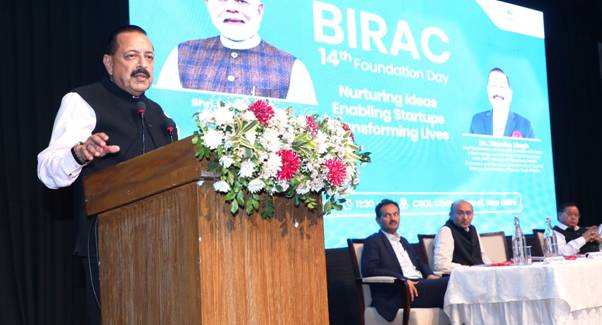
    India’s Bioeconomy Grows to $195 Billion, Targets $300 Billion by 2030: Jitendra Singh

    Referring to policy initiatives, Singh said the BioE3 Policy will promote sustainable biomanufacturing and innovation in areas such as precision biotherapeutics, smart proteins, climate-resilient agriculture, bio-based chemicals and carbon capture technologies.

    He also pointed to the ₹1 lakh crore Research, Development and Innovation (RDI) Fund as a major step to support biotechnology ventures and strengthen India’s deep-tech ecosystem.

    The minister noted that India’s bioeconomy now contributes nearly 5 per cent to GDP, citing findings from the India Bioeconomy Report (IBER) 2026 released at the event. The sector, supported by over 11,800 startups, has more than doubled in size since 2020.

    Officials said BIRAC’s initiatives in funding, incubation and mentorship have facilitated industry-academia collaboration, leading to the development of affordable healthcare solutions, sustainable technologies and job creation.

    Singh emphasised the need to nurture young scientific talent, particularly from smaller cities, and called for continued collaboration among researchers, industry and policymakers to drive innovation-led growth and support the vision of a self-reliant India.

  • India Records Highest-Ever 200 Mineral Block Auctions in FY 2025–26

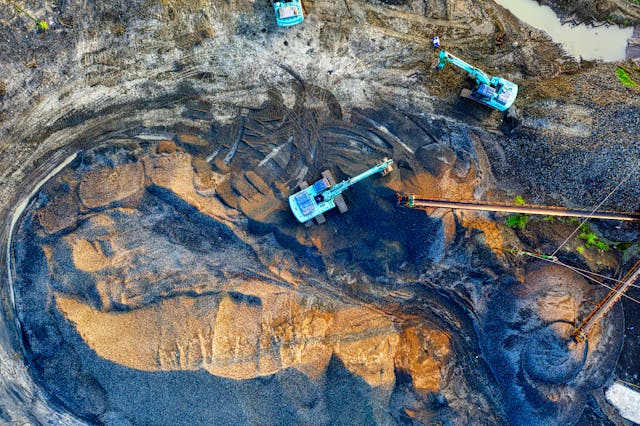
    NEW DELHI, March 20: India has achieved a record milestone in its mineral sector with the successful auction of 200 mineral blocks during the financial year 2025–26, marking the highest number of auctions conducted in a single year.

    According to the Ministry of Mines, the achievement reflects strong coordination between the Centre and states, as well as the growing maturity of the country’s auction-based mineral allocation system.

    Of the total blocks auctioned, 123 are Mining Lease (ML) blocks and 77 are Composite Licence (CL) blocks, indicating a balanced approach between operational mining and exploration activities. In addition, tenders for 70 more blocks—38 ML and 32 CL—are currently underway.

    India Records Highest-Ever 200 Mineral Block Auctions in FY 2025–26


    Among states, Gujarat led with 32 blocks, followed by Rajasthan with 30 and Tamil Nadu with 22 blocks. Tamil Nadu conducted its first-ever mineral block auctions, while Uttarakhand entered the framework with the successful auction of its first magnesite block.

    Limestone accounted for the largest share with 76 blocks, followed by iron ore (40 blocks) and bauxite (30 blocks), highlighting their importance for core industries.

    The year also saw the auction of 22 critical mineral blocks, underlining a strategic push towards securing key resources. States including Rajasthan, Chhattisgarh, Odisha, Karnataka and Maharashtra played a significant role in offering these blocks.

    The Ministry said the milestone underscores India’s commitment to building a transparent, efficient and future-ready mineral allocation framework to support long-term economic growth.

  • WII Conducts 10th Wildlife Conservation Course, Trains Public in Biodiversity Protection

    DEHRADUN, March 20: The Wildlife Institute of India (WII) has conducted its 10th Wildlife Conservation course for enthusiasts, training 15 participants as part of its ongoing efforts to promote public awareness and participation in conservation.

    The ten-day course, held from March 2 to 11, was organised under the aegis of the Ministry of Environment, Forest and Climate Change. Since its inception in 2012, the initiative has trained a total of 148 participants from diverse professional backgrounds.

    WII Conducts 10th Wildlife Conservation Course, Trains Public in Biodiversity Protection


    Designed for individuals without formal training in wildlife biology, the programme aims to provide exposure to key aspects of wildlife conservation. Participants included professionals from fields such as armed forces, medicine, engineering, information technology, finance, media, academia, and conservation.

    The course comprised four days of classroom sessions led by WII faculty and researchers, covering topics such as Indian biogeography, conservation challenges, management of large mammal populations, illegal wildlife trade, wildlife forensics, and citizen science initiatives.

    This was followed by a five-day field visit to the Lansdowne Forest Division near Kotdwar in Uttarakhand, where participants gained practical insights into forest ecosystems, wildlife management practices, and the relationship between local communities and forests.

    The valedictory session on March 11 was attended by Ramesh Kumar Pandey, Additional Director General (Wildlife), who interacted with participants and shared perspectives on conservation efforts in India.

    Officials said the initiative aims to strengthen public understanding of biodiversity and encourage citizens to actively contribute to wildlife conservation and awareness.

  • NICDC to Lead ‘BHAVYA’ Scheme for 100 Plug-and-Play Industrial Parks

    NEW DELHI, March 20: The National Industrial Corridor Development Corporation (NICDC) will anchor the implementation of the ‘BHAVYA’ scheme aimed at developing 100 plug-and-play industrial parks across the country to boost manufacturing and investment.

    The initiative, under the Department for Promotion of Industry and Internal Trade (DPIIT), Ministry of Commerce and Industry, will be executed as part of the National Industrial Corridor Development Programme (NICDP).

    Under the scheme, industrial parks will be developed with pre-approved land, ready infrastructure and integrated services to facilitate ease of doing business. The parks will also feature streamlined approval systems, including single-window clearances, enabling faster establishment of industries.

    Aligned with the PM GatiShakti National Master Plan, the parks will emphasise multimodal connectivity and efficient last-mile access. Infrastructure planning will include underground utilities and integrated systems to support reliable industrial operations.

    NICDC to Lead ‘BHAVYA’ Scheme for 100 Plug-and-Play Industrial Parks


    Officials said the BHAVYA scheme builds on NICDC’s experience in developing industrial corridors and smart cities, with a focus on expanding industrial infrastructure and promoting balanced regional growth.

    NICDC is currently implementing 20 projects across 13 states, including greenfield industrial smart cities designed to enhance manufacturing competitiveness, attract investments and generate employment. It is also serving as the project management agency for seven PM MITRA Parks under the Ministry of Textiles.

    Existing industrial nodes developed by NICDC, such as Dholera, Shendra-Bidkin, Vikram Udyogpuri and Greater Noida, have demonstrated progress in integrated infrastructure development and investor-ready ecosystems.

    These industrial smart cities incorporate plug-and-play facilities, multimodal logistics connectivity, digital monitoring systems and sustainable infrastructure, including green energy and water reuse mechanisms.

    The government said the initiative is expected to further strengthen India’s manufacturing ecosystem, attract investments from MSMEs and large industries, and support long-term economic growth.

  • Coal Stocks Rise, Supply Measures Strengthen India’s Energy Security

    NEW DELHI, March 20: Coal continues to play a critical role in ensuring India’s energy security, even as the country expands its renewable energy capacity, with production and stock levels remaining aligned with rising demand.

    According to the Ministry of Coal, coal remains essential for providing reliable baseload power and supporting key industries such as steel and cement, which are central to economic growth.

    Coal production is being maintained to match consumer demand, with adequate stocks being built up at mine sites. Officials said this has been supported by efficient transportation, particularly through the rail network.

    Coal Stocks Rise, Supply Measures Strengthen India’s Energy Security


    At Coal India Limited, pithead coal stock has increased from 106.78 million tonnes (MT) as on April 1, 2025, to about 125.54 MT as of March 18, 2026. Additional stocks include around 5.75 MT at Singareni Collieries Company Limited mines, 15.75 MT at captive and commercial mines, about 12 MT in transit, and 5.49 MT at ports and sidings.

    This is in addition to approximately 53.41 MT of coal available at thermal power plants, sufficient for nearly 23 days at current consumption levels.

    To ensure steady supply to all consumer segments, including small and medium industries, Coal India Limited has scheduled 29 e-auctions in March 2026, offering about 23.56 MT of coal. Of these, five auctions conducted since March 12 have seen 31.96 lakh tonnes booked against 73.1 lakh tonnes offered.

    The company is also facilitating coal supply through State Nominated Agencies (SNAs) and coordinating with state governments to meet additional requirements and prevent shortages.

    Officials said the government remains committed to ensuring reliable coal availability through policy support, monitoring, and stakeholder coordination, with the aim of meeting growing energy needs and supporting the vision of a developed India by 2047.

  • Gas Supply Boost Lifts Urea Output by 23%, Strengthens Fertilizer Stocks Ahead of Kharif

    NEW DELHI, March 20: The Government has increased natural gas supplies to urea plants, leading to a 23 per cent rise in domestic urea production and improving fertilizer availability ahead of the Kharif 2026 season.

    Amid recent developments in West Asia, the Department of Fertilizers has implemented a multi-pronged strategy combining higher domestic production and global procurement to safeguard supplies for farmers.

    Gas Supply Boost Lifts Urea Output by 23%, Strengthens Fertilizer Stocks Ahead of Kharif

    Through bidding conducted by the Empowered Pool Management Committee (EPMC), the government secured an additional 7.31 MMSCMD of natural gas on a spot basis. This has raised total gas supply to urea plants from 32 MMSCMD to 39.31 MMSCMD.

    With increased gas availability, domestic urea production is projected to rise from 54,500 metric tonnes per day to 67,000 metric tonnes per day. Gas supply now meets 76 per cent of the plants’ average requirement, compared to 62 per cent earlier.

    Fertilizer stock levels have also improved significantly. Urea stocks currently stand at 61.14 lakh metric tonnes, up from 55.22 lakh metric tonnes in the same period last year.

    Stocks of Di-Ammonium Phosphate (DAP) have more than doubled to 24.24 lakh metric tonnes, providing a strong buffer for the upcoming sowing season.

    Officials said the measures are aimed at insulating Indian agriculture from global supply disruptions while ensuring adequate and timely fertilizer availability for farmers.

  • Rs.200-Crore Banana Cluster Approved for Jalgaon, Chouhan Urges Shift to Natural Farming

    JALGAON (MAHARASHTRA), March 20: Shivraj Singh Chouhan on Thursday announced the approval of a ₹200-crore ‘Banana Cluster’ project in Jalgaon, aimed at strengthening agricultural infrastructure and enhancing farmers’ income.

    Interacting with banana cultivators in Jalgaon on the occasion of Gudi Padwa, the minister reiterated the Centre’s commitment to the development of the agriculture and horticulture sectors. He described Jalgaon, part of the Khandesh region, as a key hub for banana production in the country.

    The proposed cluster will include facilities such as Good Agricultural Practices (GAP), mechanisation, bio-control measures, fruit covering, pre-cooling units, cold storage, ripening chambers, refrigerated transport, processing, and export infrastructure. Financial support for these components will be provided under the Mission for Integrated Development of Horticulture and the Agriculture Infrastructure Fund.

    Chouhan expressed concern over the disparity between farm-gate prices and retail prices in urban markets, noting that farmers often receive low returns while consumers pay significantly higher prices. He said both the Centre and state governments are working to develop mechanisms to ensure fair pricing for farmers.

    Highlighting challenges in procuring perishable crops like bananas under the Minimum Support Price (MSP) system, the minister said the government is exploring alternative compensation models. These would provide financial support to farmers when market prices fall below cost or a pre-determined benchmark, similar to pilot initiatives undertaken for crops such as chillies and mangoes under the PM-AASHA.

    The minister also raised concerns about the excessive use of chemical fertilisers and pesticides, warning that it is adversely affecting soil health and reducing organic carbon levels. He urged farmers to adopt natural farming practices, starting on a small scale, and expressed confidence that such methods can sustain productivity while improving soil quality.

    Chouhan said a comprehensive roadmap will be prepared to address farmers’ concerns and suggestions. He added that efforts will be made to enhance the global recognition of Jalgaon’s bananas while ensuring long-term sustainability and prosperity for farmers.

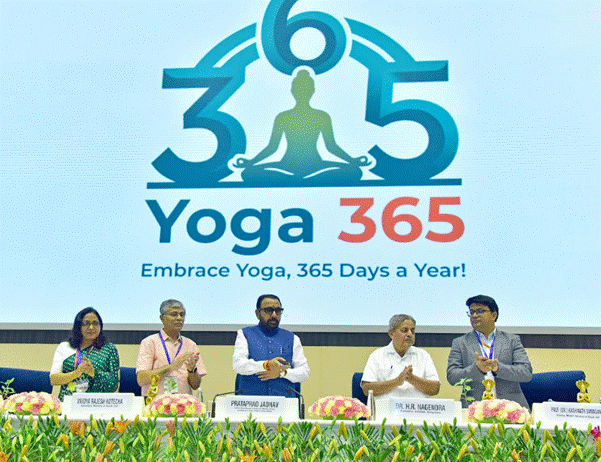
  • Government Launches ‘Yoga 365’ Campaign to Make Daily Yoga a National Habit

    NEW DELHI, March 20: The Government has launched Yoga 365, a nationwide initiative aimed at transforming yoga from an annual observance into a daily practice, with a focus on integrating wellness into everyday life.

    The campaign was unveiled during the launch of Yoga Mahotsav–2026 at Vigyan Bhawan, marking the 100-day countdown to the 2026 edition of the International Day of Yoga.

    Prataprao Jadhav said the initiative seeks to extend the spirit of the annual yoga day into a sustained, year-round movement. “The aim is to make yoga an integral part of citizens’ daily lives,” he noted.

    As part of the campaign, the Morarji Desai National Institute of Yoga signed a memorandum of understanding with wellness platform Habuild to offer free daily online yoga sessions, enabling wider accessibility across regions and age groups.

    Government Launches ‘Yoga 365’ Campaign to Make Daily Yoga a National Habit

    Officials highlighted that while awareness of traditional wellness systems is high—over 95 percent in both rural and urban India, according to the National Sample Survey—regular practice remains significantly lower. The initiative aims to bridge this gap by encouraging behavioural change and routine adoption.

    The programme will focus on community outreach, institutional partnerships, and digital engagement, promoting yoga across schools, workplaces, and neighbourhood groups.

    Vaidya Rajesh Kotecha said Yoga 365, along with new therapeutic yoga protocols, is designed to make yoga more practical and relevant for daily health needs.

    Describing it as a step towards building a culture of preventive healthcare, Monalisa Dash said the campaign aims to ensure yoga becomes a sustainable lifestyle practice across households.

    The initiative builds on the growing global reach of the International Day of Yoga, which has evolved into a major wellness movement since its inception in 2015. Officials said the next phase will focus on embedding yoga into everyday routines, beyond symbolic celebrations.

    With the countdown to IDY 2026 underway, the government expressed confidence that Yoga 365 could help convert widespread awareness into consistent daily practice, strengthening both individual health and collective well-being.

  • President Droupadi Murmu Offers Prayers at Ram Janmabhoomi Temple, Calls for Unity and Inclusive Development

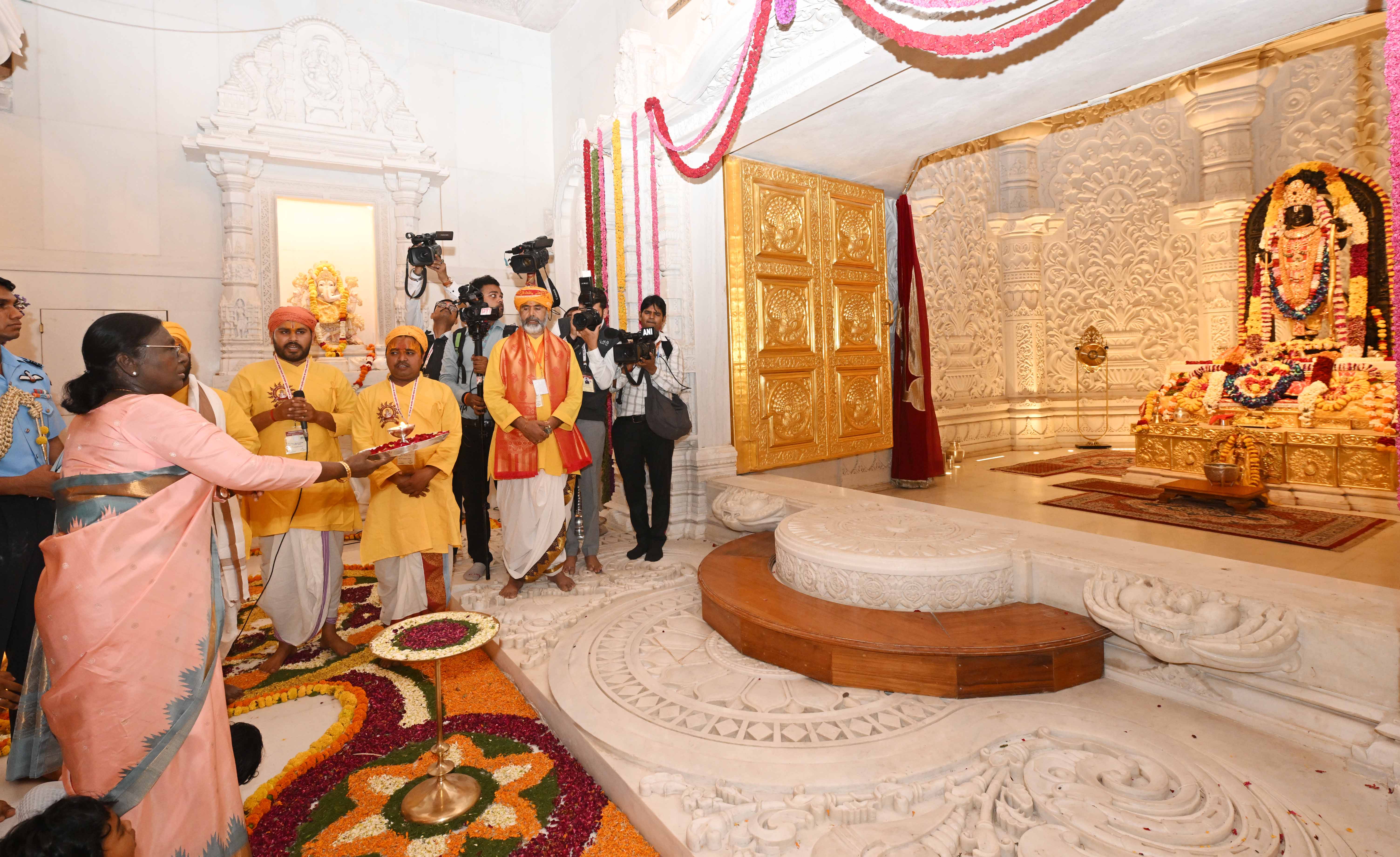
    AYODHYA, March 20: Droupadi Murmu visited the Shri Ram Janmabhoomi Mandir on Wednesday and offered prayers to Ram Lalla.

    During her visit, the President performed darshan and aarti at various locations within the temple complex. She also carried out the rituals of Shri Ram Yantra Sthapana and pujan.

    President Droupadi Murmu Offers Prayers at Ram Janmabhoomi Temple, Calls for Unity and Inclusive Development


    Addressing the gathering, Murmu described her visit as a “supreme privilege,” saying she felt blessed to be in Ayodhya, revered as the birthplace of Prabhu Shri Ram. She noted that the occasion coincided with Chaitra Shukla Pratipada, marking the beginning of Samvatsar 2083 and the first day of Navratri.

    The President said that key milestones related to the temple, including the Bhoomi Pujan, Pran Pratishtha of the idol, opening of the Ram Darbar, and installation of the temple flag, represent “golden moments” in India’s cultural and historical journey.

    Highlighting the vision of a developed and inclusive India, she expressed confidence that the country would achieve its goals by 2047 with the blessings of Lord Ram. She said the concept of Ram Rajya, as described by Goswami Tulsidas, reflects ideals of social harmony, prosperity, and moral values.

    President Droupadi Murmu Offers Prayers at Ram Janmabhoomi Temple, Calls for Unity and Inclusive Development


    Murmu said these principles align with India’s contemporary goals of social inclusion and economic justice. She added that the nation’s ongoing progress across economic, social, political, and cultural spheres reflects a broader renaissance.

    Calling for unity, the President urged citizens to work together in the spirit of devotion and shared responsibility to contribute to nation-building.

  • Wayne State University and Great Lakes Water Authority launch major collaboration to protect Lake Erie and Rouge River

    DETROIT – A research team led by Wayne State University was awarded a $473,566, three-year grant from the Great Lakes Water Authority (GLWA) for a major collaborative initiative focused on enhanced phosphorus removal at the nation’s largest single-site wastewater treatment facility.

    The GLWA Water Resource Recovery Facility (WRRF) serves 77 communities — including Detroit — and manages flows from a nearly 1,000‑square‑mile sewer shed. The project aims to protect the Rouge River and Lake Erie by improving phosphorus removal efficiency and ensuring compliance with increasingly stringent environmental regulations designed to reduce harmful algal blooms.

    “This project is critical for protecting the Great Lakes, which provide drinking water, food and recreation for many local communities,” said Dr. Shawn McElmurry, chair of Wayne State’s Department of Civil and Environmental Engineering in the James and Patricia Anderson College of Engineering. “Phosphorus enters our water systems through various ways like agricultural and urban runoff, sewage and waste, and when the amount entering the environment is too large, it can cause significant problems like algal blooms. It is critical that we continue to improve our ability to remove this nutrient to address these challenges.”

    The research team will develop a comprehensive understanding of how phosphorus moves through the WRRF using advanced chemical analyses to identify and quantify phosphorus species. They will build bench-scale treatment systems that allow controlled, side-by-side testing of biological and chemical processes to enhance phosphorus removal. Moreover, they will create new predictive models to help water treatment facility operators optimize phosphorus removal in real-time, which will advance data-driven water management.

    In addition to improving local water systems, the project will provide critical training for Wayne State students to become experts in wastewater treatment and environmental protection. 

    “This collaboration with Wayne State University represents the kind of innovation-focused partnerships that strengthen our ability to protect the region’s water resources,” said Dr. John Norton, director of energy, research and innovation at GLWA. “Through this research, we will not only enhance our treatment capabilities at the WRRF but also help train the next generation of water professionals.”

    “This collaboration is an excellent example of Wayne State’s Grand Challenges initiative, which aims to address increasingly complex problems and how we can deliver real-world solutions that impact our local communities and beyond,” said Dr. Ezemenari M. Obasi, vice president for research & innovation at Wayne State. “This project will aid in driving lifelong health and fostering sustainable environments — two of the major themes of our initiative — by creating discoveries that will improve lives and our critical environmental resources.”

    The project team includes McElmurry; Dr. Timothy Dittrich (co-PI), associate professor of civil and environmental engineering, Wayne State; Brooke Ballard, MSESE student, GLWA; Norton; and Dr. Andrew Marcus, senior research engineer, GLWA.