Author: admin

  • GitHub Selects Codio as Exclusive Commercial Partner to Extend Use of GitHub Classroom Benefits to Codio’s Advanced CS Learning Platform

    CAMBRIDGE, MA – Feb 26 – Codio, the cloud-based teaching platform built to scale computer science and technical skills education, today announced it has been selected by GitHub as the exclusive commercial partner extending the options available to GitHub Education users to use cutting-edge CS-specific learning tech for course management and the hands-on student experience. Codio has supported major universities and tech companies globally at scale, delivering evidence-based tools designed to support and streamline instructor workflows, enhance the student learning experience, and integrate AI responsibly into teaching and learning.

    Under this partnership, more than 3,000 instructors and 500,000 students who currently use GitHub Classroom will be eligible to transition their assignments and courses to Codio’s proven, enterprise-grade learning platform while retaining their GitHub-native workflows, including course materials, assignments, and grading scripts stored in Git repositories. Codio’s platform offers a robust environment for instruction and assessment, trusted for reliability at scale by hundreds of CS teaching institutions, with greater compute flexibility and modern AI tools, designed to help scale high-quality computing and tech skills programs.

    “This partnership reflects our shared vision with GitHub to keep the computing and tech skills learning experience at the forefront of advances in edtech and learning experience design, while embracing the use of AI to enhance the learner experience,” said Doug Hughes, CEO of Codio. “We’re working closely with the GitHub Education team to give instructors an easy, disruption-free path to use Codio while retaining the workflows they rely on, and in doing so gain access to tooling, support, and learner experiences at the forefront of modern computing education.”

    GitHub Classroom users will also gain access to Codio’s AI teaching assistant, Coach, which provides immediate feedback to help students with common challenges, such as programming error messages, without giving away answers. This approach has been shown to improve assignment completion rates, lower DWF rates, and raise median grade performance by 15%, while reducing the manual grading load. Codio’s platform also delivers advanced autograding, LLM rubric-based evaluation, and learner behavior insights across entire programs, features that make it possible to scale high-quality instruction to thousands of learners.

    In partnering with GitHub, Codio is launching a dedicated onboarding program that includes migration tools, live sessions, and two flavors of free access, giving users the option to continue to use GitHub Codespaces or migrate fully to the Codio platform. Beyond the free tiers, institutions can enjoy preferential pricing with enhanced support options for the largest-scale users.

  • IR Power launches derisked solution for factory energy loss and smart opex savings

    LONDON, UK – Feb 26: IR Power, a Scottish energy tech firm owned by MWNW Group, introduces its cutting-edge solution to the vast industrial energy waste experienced when factory machines slow down – helping manufacturers to achieve extensive energy savings using a rental model where manufacturers pay nothing upfront and only pay from proven savings.

    In modern factories, many large machines constantly speed up and slow down as part of normal operation; automotive presses lifting and lowering, conveyor systems starting and stopping, industrial mixers ramping up and down. Every time these machines decelerate, they generate electricity that’s currently wasted.

    IR Power’s plug-and-play systems work like regenerative braking in electric cars, but for industrial equipment. They capture this energy (that would otherwise be burned off as heat) and feed it back into factory power grids for immediate reuse. On large automotive press lines typically consisting of machine clusters cycling every six seconds, this recaptures 10-20% of total electricity consumption – representing up to £50,000-100,000 in annual savings per machine cluster at current UK energy prices.

    The problem: Proven technology, broken business model

    While energy recovery technology has existed for years, previous solutions required expensive custom engineering that typically demanded weeks or months of install and interrupted operations, high upfront costs, and longer integration cycles – particularly where drive systems had to be modified or replaced. At historical electricity prices of £50/MWh, the complexity wasn’t justified. At today’s prices of £100-150/MWh – combined with binding net-zero commitments – the economics have fundamentally changed.

    The solution: Redesigned technology and commercial model

    IR Power has eliminated the adoption barriers that prevented previous solutions from scaling:

    Standardised sizing – Three standard product sizes work across different applications, replacing expensive custom engineering that previously cost £30-40k or more.

    Plug-and-play installation – Systems connect to existing equipment in hours. No modifications to machines, no changes to operations, and no production downtime.

    Rental model – Customers pay nothing upfront. Monthly fees are based only on measured energy savings. If the system doesn’t save energy, customers don’t pay.

    Equipment agnostic – Unlike solutions locked to one manufacturer’s drives or motors, IR Power’s systems integrate with any supplier. Factories can connect multiple machines into a single energy recovery network, optimising across the entire site.

    Fail-safe design – When braking energy exceeds system capacity, excess safely routes to existing waste resistors while the system continues operating. Competitor systems often shut down completely when overloaded, requiring manual restarts.

    Why now: Energy prices and net-zero create perfect storm

    With industrial electricity prices doubling and manufacturers facing binding net-zero commitments, energy efficiency has shifted from ‘nice-to-have’ to business-critical. IR Power’s technology addresses both imperatives simultaneously: cutting costs and carbon.

    Industrial machines have 20–30-year lifespans and even upgrading drive systems can cost £1m or more, making retrofit the viable route for capturing immediate savings. The rental model, typically approved as operating expense rather than capital, removes approval barriers and aligns incentives perfectly – IR Power only succeeds when customers save money.

    Richard Bradshaw, Founder and Managing Director of IR Power, said:

    “For years, energy recovery systems existed but didn’t deploy at scale because they cost too much and put all the risk on customers. We’ve inverted that model completely. Our customers pay zero upfront – no capital expenditure, just operating expense. Installation takes hours with no production downtime. And here’s the key: if our system doesn’t save them money, we don’t get paid; we take all the performance risk. The equipment lasts 15-20 years, so customers get over a decade of pure savings. The technology works – it always has. Our job was removing every barrier that prevented adoption: the cost, the complexity, the risk, and the disruption.”

    Commercial deployment

    IR Power is beginning commercial deployments in 2026, prioritising press applications including tier-one automotive and construction materials manufacturing. The company deliberately chose diverse sectors to prove the technology across different operating conditions before accelerating deployment.

    The addressable market includes thousands of suitable machines across automotive, construction materials, food processing, and other sectors in the UK alone, with global expansion planned once the model is proven. Target applications include motor-driven machinery with frequent start/stop or speed-change cycles where braking energy is highest and most consistent.

    Prospective customers can currently request a complimentary, no-obligation site assessment by contacting the IR Power team at info@i-r-power.com.

  • Liquid Intelligent Technologies Announces Debt Repayment and Agrees New Credit Facilities

    LONDON, United Kingdom, Feb 26 — Liquid Intelligent Technologies, a business of Cassava Technologies (www.CassavaTechnologies.com), has confirmed the full repayment of its ZAR term loan and USD revolving credit facility.

    In tandem with this repayment, Liquid has agreed $410 million in new ZAR and USD credit facilities from a syndicate of commercial and development finance lenders. Cassava Technologies is further reinforcing Liquid’s financial position by injecting $195 million in fresh capital into the business.

    Commenting on these developments, Hardy Pemhiwa, President and Group CEO stated: “These transactions, alongside the recent sale of a minority stake in a data centre subsidiary in South Africa, are part of a significant strengthening of our capital structure as we position the Group for accelerated growth. Through our One Cassava ecosystem, we are delivering innovative AI, cloud, data centre, payments, and low latency broadband connectivity solutions to enterprise customers across Africa.”

    Africa Data Centre Holdings (“ADCH”) remains a wholly owned subsidiary of Cassava Technologies as the minority stake sale was in the ADCH South Africa business.

    Looking ahead, Liquid intends to issue a new $300 million bond to replace its existing $620 million bond in advance of its maturity in September 2026. This move will reduce Liquid’s overall leverage and further strengthen the company’s balance sheet.

  • Wordly Introduces Mobile-First Enhancements to Translation App, Expanding Onsite and Hybrid Event Accessibility

    Los Altos, CA, Feb 26: As events become more global and multilingual, organizers are under increasing pressure to deliver seamless, inclusive experiences without adding operational complexity. Wordly, the pioneer and leader in live AI translation and captioning, on February 25 announced new mobile-first enhancements to the Wordly Translation App designed specifically for conference, tradeshow, and events.

    The latest updates include background audio and screen-lock functionality, allowing attendees to listen to live translations while multitasking and conserving battery life, along with instant language search for faster onboarding. Speakers also benefit from push-to-talk and automatic language detection, enabling seamless, two-way multilingual communication in dynamic sessions, all at no additional cost to existing customers.

    “Event professionals are rethinking accessibility as a core part of the attendee experience,” said Lakshman Rathnam, Founder and CEO of Wordly. “These mobile enhancements give organizers a scalable way to provide inclusive, multilingual access without additional hardware, staffing, or logistical burden.”

    Designed for the Realities of Live Events

    The updated Wordly Translation App introduces several features tailored to how attendees and speakers engage during events, including:

    •  Background Audio for Multitasking: Attendees can now continue listening to translated audio while switching between apps on their mobile device. Whether checking the event app, reviewing presentation materials, or responding to messages, participants remain connected to the session without interruption.
    •  Screen-Lock Battery Optimization: With extended conference days in mind, the app now allows translated audio to continue playing while a device screen is locked. This feature helps conserve battery life, critical for multi-session agendas and large-scale conventions.
    •  Instant Language Search: A newly added search function enables users to quickly locate their preferred language from dozens of options, reducing onboarding friction and minimizing the need for onsite support.

    New Capabilities for Speakers and Session Leaders

    In addition to enhancing the attendee experience, Wordly has expanded functionality for presenters and facilitators, including:

    •  Push-to-Talk Functionality: Speakers can now use push-to-talk directly within the app, allowing for two-way communication in multilingual settings. The feature is particularly well-suited for breakout discussions, workshops, hosted buyer meetings, and small-group sessions, where interactive dialogue is essential.
    •  Automatic Language Detection and Switching: For sessions where presenters shift between languages, the app automatically recognizes language changes and adjusts translations accordingly to ensure a smooth experience for diverse audiences without manual resets.

    Scalable Language Access Without Headsets or Booths

    Unlike traditional interpretation models that require physical equipment, interpreters onsite, or dedicated booths, the Wordly mobile app operates on attendees’ own iOS or Android devices. Participants simply enter a Session ID provided by the organizer and select their language, no account creation is required. For speakers, access to advanced features such as push-to-talk is granted through a secure passcode.

    Meeting Industry Demand for Inclusive Design

    With international attendance rebounding and hybrid formats remaining standard, language accessibility has become a strategic priority for event organizers, associations, and corporate planners. Wordly’s mobile enhancements support:

    •  Global events and tradeshows seeking to broaden international participation
    •  Corporate events connecting distributed teams
    •  Association meetings aiming to increase member engagement
    • Education and campus events serving multilingual communities
    • Government and civic gatherings prioritizing public access

    By eliminating hardware requirements and simplifying user onboarding, the updated Wordly Translation App enables planners to scale multilingual access across general sessions, breakouts, and ancillary meetings with minimal operational lift.

  • Bacterial pathogens build antibiotic-resistant “bunkers” using filament scaffolds

    Researchers have discovered and characterized at the atomic level a mechanism that enables bacterial pathogens—including hospital bacteria Acinetobacter baumannii and Pseudomonas aeruginosa—to assemble antibiotic-resistant three-dimensional (3D) biofilms. These findings open a new avenue for developing therapies against multidrug-resistant bacterial infections by targeting the biofilm assembly.  Many pathogenic bacteria form 3D biofilms to protect themselves from the immune system, antibiotic treatments, and drying on environmental surfaces. Some of the most problematic hospital bacteria, such as multidrug-resistant A. baumannii and P. aeruginosa, use specialized hair-like filaments called adhesive pili to attach to tissues or abiotic surfaces. After attaching, the bacteria then grow into thick 3D biofilms consisting of multiple layers of bacteria. This process is also mediated by adhesive pili, but until now it has been unclear how they prevent the growing 3D biofilm from falling apart. 

    Using a combination of advanced electron microscopy methods, the researchers at the MediCity Research Laboratory of the University of Turku in Finland, led by S. Jusélius Senior Researcher Anton Zavialov, discovered that adhesive Csu pili from neighboring A. baumannii bacteria attach to each other in an antiparallel manner. These pili rapidly assemble into flat sheets that link bacteria together and shield them from hostile environments. 

    “Impressively, Csu pili can self-assemble into huge, complex networks connecting hundreds of bacterial cells,” says Dr. Zavialov. 

    The team demonstrated that Csu pili can form at least two types of flat structures and resolved them at a near-atomic resolution.  

    “Cryo-electron microscopy methods are developing very rapidly. To obtain the first model, I initially developed a manual approach, and only later did we apply computational tools to solve these exceptionally large assemblies in 3D,” explains first author, Doctoral Researcher Henri Malmi

    The researchers also found that the pilus network becomes embedded in a less defined matrix composed of polysaccharides and DNA secreted by the bacteria.  

    “This final structure somewhat resembles reinforced concrete: the pili act like steel bars, while polysaccharides and DNA form the concrete. In this way, the bacteria effectively hide in a bunker,” adds Dr. Zavialov. 

    The team is now focused on developing inhibitors that target the connections between pili. Such inhibitors could be used in combination therapies to prevent 3D biofilm assembly and help antibiotics eliminate the pathogens more effectively. 

  • Wootzwork raises $6.6M to bring predictability to offshore manufacturing

    Wootzwork is scaling a new manufacturing model that gives global OEMs a single, accountable partner for complex industrial programs across India and Southeast Asia. 


    Houston, Dallas – Feb 25; As global manufacturing shifts across regions, supply chains, and regulatory environments, execution risk has quietly become one of the biggest constraints on industrial growth. For many OEMs, the challenge is no longer access to factories, but the complexity of coordinating dozens of suppliers, quality systems, timelines, and interfaces across borders. Wootzwork was built to solve that problem. Today, the company announced a $6.6 million Series A round to scale a new model of manufacturing execution built around single-point accountability. 

     The round was led by Z47, with continued participation from Nexus Venture Partners and AdvantEdge Founders, and the addition of Stride Ventures. The capital will be used to expand Wootzwork’s global engineering and program teams, support larger and more complex OEM programs, and scale its manufacturing control systems across regions.

     As industrial supply chains globalise, execution has become increasingly fragmented. Programs now span multiple countries, dozens of suppliers, and different quality frameworks, creating coordination gaps that lead to delays, rework, and cost overruns. It is estimated that 15 to 30 percent of anticipated offshore savings are typically lost through these breakdowns. What should be a strategic advantage often turns into an operational burden that absorbs time, talent, and leadership attention.

     Wootzwork was built as an alternative to that model. The company operates as a single, accountable manufacturing partner to global OEM’s for complex industrial programs across India and Southeast Asia, with on-shore manufacturing where required in customer markets. This allows OEMs to execute at scale without managing factories, interfaces, or execution risk internally. Wootzwork operates with engineering and program teams across India, the United States, the United Kingdom, and Germany, enabling close coordination with enterprise customers while retaining deep on-ground manufacturing control.

     “Most companies treat manufacturing complexity as a risk to be minimised,” said Karan Anand, co-founder and CEO of Wootzwork. “We treat it as a competitive advantage. When the system is engineered properly, complexity becomes leverage – not chaos.” 

     No factory in the world is fully efficient for any complex product. Modern OEM programs involve high-mix parts, specialised processes, and sequencing that rarely exist under one roof and often shouldn’t, for economic reasons. Even when capacity exists, the right machine, process maturity, or quality discipline is usually fragmented across suppliers. By mapping, qualifying, and governing manufacturing capacity across regions, Wootzwork orchestrates the journey of a product from concept to factory-level output in weeks rather than years. For global enterprises, this translates into faster time to production, fewer internal teams tied up in supplier coordination, and full visibility and control from raw materials through final delivery which allows them to stay focused on product, engineering, and customers instead of execution complexity.

     Over the past year, Wootzwork has executed highly complex, cross-border manufacturing programs for more than 22 global enterprises across 12 international trade lanes spanning North America, Europe, and APAC. These include the US, UK, Germany, Italy, Switzerland, Australia, and New Zealand. 

     The company has activated a network of more than 300 suppliers, executing over 30 million parts and assemblies across precision components, heavy and structural fabrication, industrial fasteners and hardware, custom industrial machines, process equipment and skids, and multi-part assemblies. Programs span industries including food processing, packaging, renewable energy, data centres, automotive engineering, material handling, warehousing, and industrial hardware. Across these programs, Wootzwork has maintained greater than 98 percent on-time delivery and quality compliance under stringent international quality frameworks.

     “Even as a relatively new partner, Wootzwork moved very quickly to support us across a broad range of work, including programs tied to demanding end customers,” said Felix Franke, managing director at Saxonia-Franke GmbH & Co. KG. “Their ability to ramp up fast while maintaining quality gave us confidence early on.”

     “Working with Wootzwork has been a seamless experience,” added Curtis Bishop, director of sales at AFC Industries. “The team stands out for its responsiveness and ability to stay flexible as our requirements evolve. Their quoting process is extremely thorough, and they remain highly adaptable to our needs. We look forward to continuing our partnership with Wootzwork in 2026 and beyond.”

     Under the hood, Wootzwork overlays its proprietary engineering, governance, and execution systems on top of existing factory infrastructure, enabling manufacturing partners to operate at global standards without being replaced or rebuilt. “Scale usually breaks quality because systems don’t scale with it,” explains Himanshu Uniyal, co-founder and COO of Wootzwork. “We built the system so quality scales with execution, not against it.”

     “Wootzwork represents the kind of founder-led global ambition in advanced manufacturing that we want to back from India,” said Sudipto Sannigrahi, Managing Partner and Investor at Z47. “Karan and Himanshu have built deep execution capability in a space where trust is earned over years, not quarters. We are happy to see the AI driven manufacturing engine that Wootzwork has built and the quality of global customers they are adding value to. We’re proud to support them with patient capital, conviction, and partnership as they build a globally relevant manufacturing company.” 

     The Series A will enable Wootzwork to expand its engineering footprint, deepen its manufacturing control capabilities, and take on larger, more mission-critical OEM programs. As global supply chains continue to rebalance, the company believes the next phase of industrial manufacturing will be defined less by geography and more by who owns execution.

     

  • Amid a Shifting Publishing Scene, Ascot Media Group Reaches 18-Year Milestone

    Texas-based firm reflects on nearly two decades of helping authors find visibility in a fast-changing media market

    HOUSTON, Texas, Feb. 25 — From the rise of self-publishing to growing concerns over AI-driven scams, authors today face a complex path to visibility. Ascot Media Group, now celebrating 18 years in operation, continues to work with writers across genres to help their stories reach journalists, producers and readers in an increasingly crowded media environment.

    “For nearly two decades, our mission has been to help authors share their voices with the world,” said Trish Stevens, founder of Ascot Media Group. “Every story has the power to touch someone’s life. We just make sure it reaches the people who need to hear it.”

    The Story Behind the Stories

    Founded 18 years ago in Friendswood, Texas, Ascot Media Group has become a trusted bridge between authors and the media. From debut writers to NY Times bestselling authors and public figures, politicians, judges and celebrities, the company has helped clients across every genre find their audiences — and, in some cases, even movie deals.

    “Every day, our inbox fills with fascinating people and powerful stories waiting to be told,” Stevens said. “Whatever the topic, whatever the genre, chances are we’ve worked with an author who has brought one of those stories to life.”

    A Reputation Built on Access and Approachability

    Behind Ascot’s success is Stevens’ belief that every author deserves a fair shot at being heard — not just those with big budgets or big names. Known for her compassion toward “struggling authors,” she offers a range of affordable publicity plans designed to meet writers where they are.

    “I never want cost to be the barrier between an author and their readers,” Stevens said. “Some of our most inspiring clients started with nothing more than a manuscript and a dream of making it big.”

    That approach has earned Ascot both loyalty and respect. Many authors return with every new book, and other PR firms even turn to Ascot behind the scenes to execute their campaigns — a testament to the firm’s results and professionalism.

    Expanding Services for a Changing Market

    In 2026, Ascot Media Group plans to expand its services to include additional support across the publishing process, such as editorial assistance, back-cover copy development, publishing guidance and audiobook production. The expansion reflects broader industry shifts as authors increasingly seek integrated support beyond traditional publicity.

    Transparency in an AI Era

    As AI-driven scams flood the publishing world, it’s become more important than ever for authors to do their due diligence when it comes to doing business with agents, publishers and marketing firms. Ascot Media Group stands apart because it operates with full transparency, credible testimonials (www.ascotmedia.com/testimonials) and a long track record of real results.

    A Partner to the Media

    With countless media relationships built over the years, Ascot remains a go-to resource for journalists and producers worldwide in search of credible guests and compelling story ideas.

    “If you need stories, we have them — all of them,” Stevens said. “Because stories are what connect us, and helping share them is what drives us.”

  • Teledyne Flir OEM, Teledyne FLIR OEM Launches Lepton XDS at Mobile World Congress; A Compact Thermal‑Visible Camera Module Featuring Patented MSX Technology

    Prism™ ISP–Powered Dual Camera Module Delivers Enhanced Performance and Faster Integration for OEMs


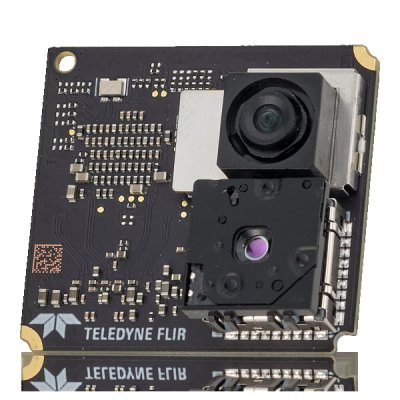
    BARCELONA and GOLETA, Calif.,– Teledyne FLIR OEM, a part of Teledyne Technologies Incorporated (NYSE: TDY), today announced the launch of the Lepton® XDS, a compact dual‑thermal‑and‑visible camera module bringing Teledyne FLIR’s patented MSX® (Multi‑Spectral Dynamic Imaging) technology to a new class of space‑ and power‑constrained Original Equipment Manufacturer (OEM) products. Designed for rapid integration, the International Traffic in Arms Regulations (ITAR) -free Lepton XDS reduces development risk and accelerates time‑to‑market for embedded, mobile, and industrial applications.

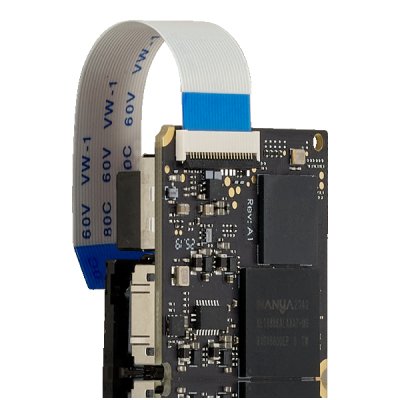
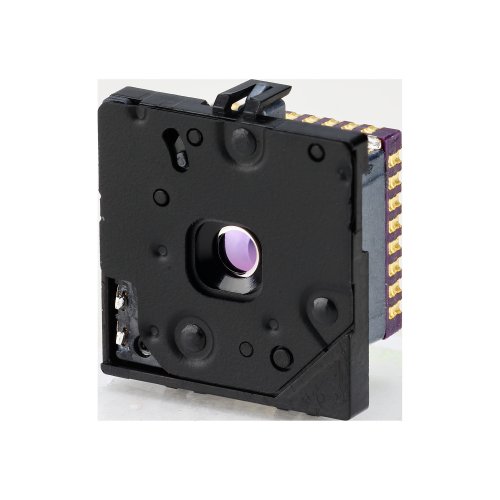
    The Lepton XDS pairs a 160 × 120 radiometric Lepton 3.5 micro‑thermal camera with a five‑megapixel (MP) visible sensor, featuring MSX that enhances thermal imagery in real time by embossing visible‑image edges directly onto the thermal scene. This patented software delivers sharper detail, improved context, and a level of actionable thermal intelligence typically associated with more-expensive, higher-resolution camera systems. It is ideal for fire detection and prevention, EV battery monitoring, robotics navigation, unmanned platforms, smart infrastructure, and health and safety systems.

    “MSX technology has long been a defining advantage of Teledyne FLIR, and with Lepton XDS, we are making that capability accessible in a compact, OEM‑ready module,” said Mike Walters, vice president of product management, Teledyne FLIR OEM. “By combining a visible camera, a proven micro‑thermal sensor, onboard Prism ISP processing, and direct access to radiometric overlays including spot meters and regions of interest we’re accelerating innovation and enabling OEMs to deliver clearer thermal imagery for faster user interpretation.”

    Prism ISP: Advanced Imaging Beyond MSX

    The integrated FLIR Prism ISP software ensures real‑time image enhancement while providing a comprehensive out‑of‑the‑box suite of advanced image‑processing features, including thermal‑visible fusion, advanced image processing, and an industry-first radiometric JPEG (RJPEG) output. Built‑in measurement and visualization tools include regions of interest (ROI), spot temperature measurements, isotherms, and customizable color palettes, and it is seamlessly compatible with the Teledyne FLIR OEM software ecosystem for analysis, post‑processing, and reporting. 

    Designed for Scalable OEM Deployment

    The Lepton XDS is a size, weight, and power (SWaP)‑optimized module, and an industry‑standard USB output makes it well-suited for battery‑powered and always‑on systems. It is also ITAR‑free and classified under 6a993.b.4.b enabling broadly available for commercial applications worldwide.

    As the global leader in thermal camera manufacturing, Teledyne FLIR OEM’s global technical services organization and proven high‑volume manufacturing systems have delivered more than six million Leptons supporting scalable production while minimizing supply‑chain risk.

    To see the new Lepton XDS and other exciting products from the Thermal by FLIR collaborative development program, visit booth 7B6 at Mobile World Congress in Barcelona, 2-5 March 2026. Learn more at www.oem.flir.com/lepton.


  • Barakat Group Starts Construction of AED 150M Baby Food Manufacturing Facility in KEZAD

    First Dedicated Industrial-Scale Halal Baby Food Purée Facility in the GCC to be Developed within KEZAD Abu Dhabi


    Abu Dhabi, United Arab Emirates – Feb 25: Khalifa Economic Zones Abu Dhabi – KEZAD Group, one of the largest operators of integrated and purpose-built economic zones in the region, and Barakat Group, the UAE’s leading fresh food and juice producer, today announced the commencement of construction of a dedicated baby food manufacturing facility through Barakat Group’s joint venture with Pure Baby Food Industries, in KEZAD.

     The project marks the development of the Gulf Cooperation Council’s first industrial-scale facility dedicated exclusively to the production of baby food purées. Representing a total investment of approximately AED 150 million by the company, the facility will strengthen local food manufacturing capacity and support growing regional demand for locally produced infant nutrition.

     Once fully operational, the 10,000 sqm facility is expected to achieve an annual production capacity of 90 million units of baby food products, covering fruit and vegetable purées as well as protein-rich meat and fish baby foods. Products will be manufactured using fresh fruit, vegetables, meat, and fish, and supplied in both pouch and glass jar formats. Selected ambient juice products will also be produced as part of the integrated operation.

     The facility is projected to create approximately 200 direct jobs, spanning manufacturing, quality assurance, food safety, logistics, and operational support roles. Additional indirect employment is expected across local supply chains, logistics, and agricultural sourcing.

     The facility is being designed as a fully halal-certified baby food manufacturing plant, applying end-to-end halal certification across the full baby food category, including protein-based meat and fish purées. This addresses a clear gap in the GCC market, where locally produced, halal-compliant protein baby foods remain limited.

     Abdullah Al Hameli, CEO of Economic Cities & Free Zones Cluster – AD Ports Group, said, “This investment reflects the scale and sophistication of food manufacturing projects now choosing KEZAD. The projected production capacity and employment impact underline how specialised manufacturing can deliver both economic value and strategic resilience within the food sector.”

     Kenneth D Costa – Managing Director, Barakat Group, said, “By expanding our production footprint into premium infant nutrition, this facility reinforces Barakat Group’s mission to nourish the ambitions of the nation. Establishing dedicated capacity within KEZAD allows us to meet regional demand efficiently while creating skilled employment and maintaining the highest standards of quality and halal compliance.”

     Designed to meet the highest international standards for food safety, quality, and traceability, the facility will prioritise nutrition, freshness, and clean-label production. It is expected to reduce reliance on imported baby food products while contributing to the development of a domestic, halal baby food manufacturing ecosystem.

     The project supports national objectives related to food security, local manufacturing, and value-added food production, and represents a significant milestone in the continued expansion of Abu Dhabi’s food processing sector within KEZAD.

  • Thomas Cook India & SOTC Travel launch Business Travel Report 2026

    Thomas Cook India & SOTC Travel launch Business Travel Report 2026

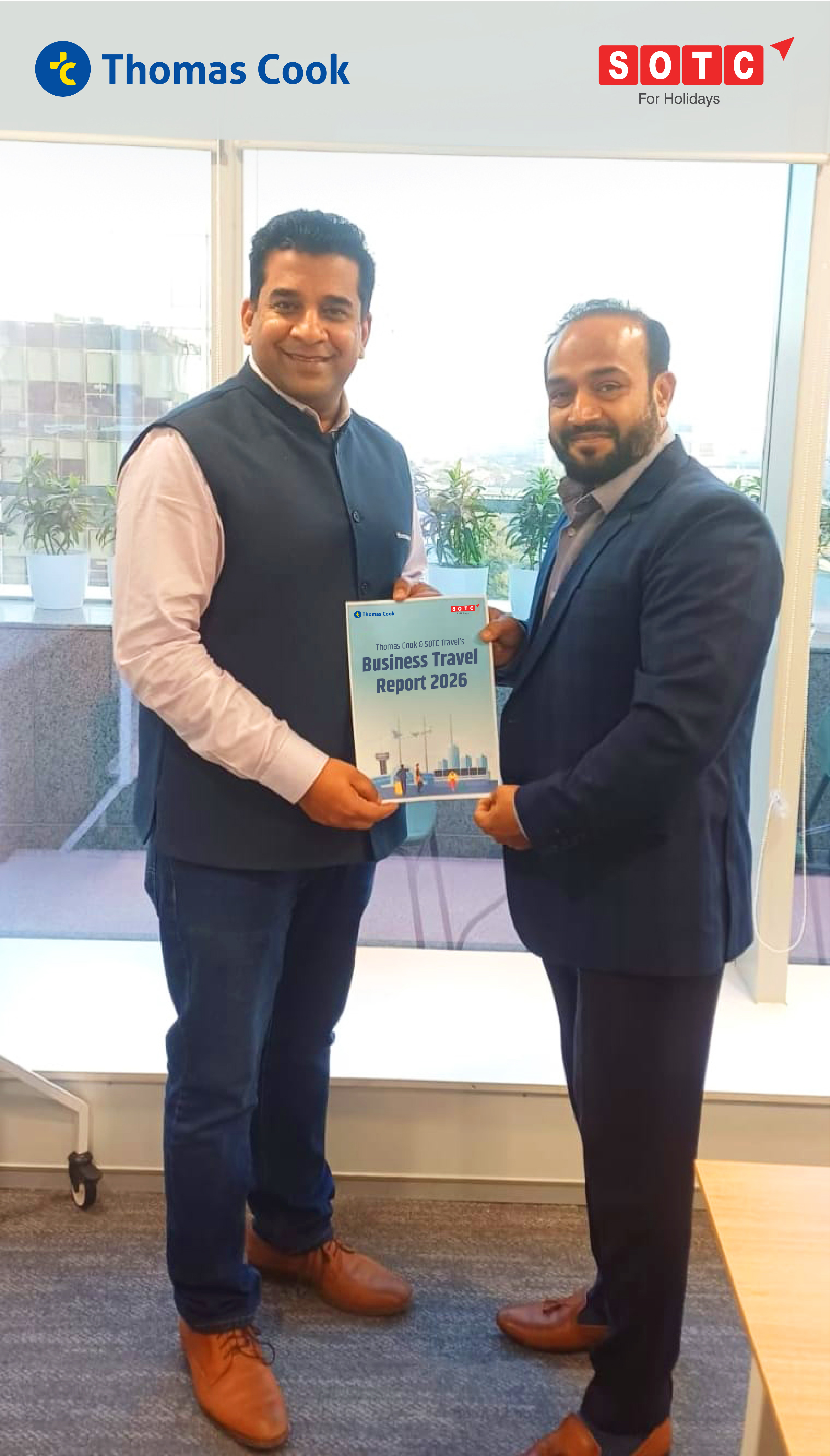
    Mumbai, Feb 25: Thomas Cook (India) Limited, India’s leading omnichannel travel services company, and its group company, SOTC Travel, have released the inaugural edition of their Business Travel Report 2026, offering insights into­­ the evolving priorities, patterns and pressures shaping business travel across India.

    The survey conducted over a two-month period, is based on responses received from 25+ leading enterprises across sectors including BFSI, manufacturing, hospitality, healthcare, conglomerates and professional services, along with insights from internal booking and transactional data. The report highlights a strong revival in business travel demand, alongside a heightened focus on cost optimization, policy discipline, traveller experience and compliance.

    Business Travel Trend Report 2026 key observations:

    ·        Business travel demand remains resilient: Nearly 65% of corporates expect their business travel volumes to increase over the next 12 months, while 30% expect it to remain stable. Only 5% anticipate a decline. This translates to 95% of respondents projecting stable-to-growth spend, underlining travel’s continued role in driving growth, client engagement and business continuity. Client meetings, sales-related travel and internal business-critical movement continue to dominate business travel demand.

    ·        Technology and data-led decision-making on the rise: More than 70% of corporates are increasing their reliance on digital tools for booking, approvals, expense management and MIS reporting, enabling improved visibility, policy compliance and data-backed decision-making across business travel programs.

    ·        Shift towards value-driven travel management: While cost optimization remains critical, over 62% of respondents highlighted a move towards value-led travel decisions — balancing cost efficiency with safety, reliability, compliance and traveller well-being. This has elevated the role of managed travel programs and strategic travel partners.

    ·        Traveller experience, flexibility and duty of care gain prominence: Alongside business objectives, over 56% of respondents acknowledged the growing importance of traveller experience, flexibility and duty of care — particularly for frequent flyers and senior leadership. The findings point to a clear trade-off between traveller convenience and policy compliance, underscoring the need for smarter, more flexible travel policies supported by technology and data-led controls to reduce friction while maintaining governance.

    ·        Policy tightening and supplier renegotiations gain momentum: Close to 60% of corporates indicated that they have tightened or are in the process of revisiting their travel policies. Renegotiation of airline and hotel contracts, rationalization of preferred suppliers and stricter approval workflows have emerged as key levers to offset rising costs and tax-related pressures.

    ·        B-Leisure travel on the rise: 68% of corporates report that employees are increasingly extending business trips to include personal leisure time — blending work and downtime. This growing shift is prompting organizations to reassess travel policies, clarify cost‑sharing norms and offer greater flexibility to support work‑plus‑leisure travel.

    ·        Domestic hubs dominate, with growth in international business travel: 72% of corporate travel continues to be domestic, led by key business hubs such as Mumbai, Delhi-NCR, Bengaluru, Chennai, Hyderabad and Pune. These cities remain critical for client meetings, internal reviews and project-based travel. On the international front, Singapore, Thailand, Hong-Kong, Maldives, Dubai-Abu Dhabi, UK, Italy, Netherlands, USA, South Africa and Australia remain preferred destinations for leadership meetings, supplier engagements and strategic business expansion —with China and Japan emerging strongly on the radar.

    ·        ­­Rising airfares and costs driving sharper controls: A sharp 80% of respondents reported an increase in Average Ticket Prices (ATP) over the past year — with over 36% witnessing a significant rise of more than 15%, and 45% reporting a moderate increase of 5–15%, highlighting tighter controls, advance booking mandates and closer monitoring of travel spends.

    ·        GST and input tax credit challenges add pressure to travel budgets: GST-related complexities continue to weigh on business travel programs. Over 55% of respondents highlighted challenges around GST applicability, compliance and input tax credit (ITC) optimization — particularly for air travel and hotel stays. This has led corporates to increasingly seek structured invoicing, compliant supplier ecosystems and expert support to minimize leakage and improve tax efficiency.

    Indiver Rastogi, President & Group Head, Global Business Travel, Thomas Cook (India) and SOTC Travel, said,

     “We are pleased to launch the Thomas Cook India and SOTC Travel Business Travel Report 2026, which presents a comprehensive view of how leading Indian corporates are recalibrating travel strategies in an increasingly dynamic environment. The findings highlight a clear shift towards value-driven programs, accelerated technology adoption and tighter governance. At Thomas Cook India and SOTC Travel, our sustained engagement with customers and deep market understanding have enabled us to anticipate shifts early and introduce innovations such as Dhruv.ai, our voice-enabled AI advisor, and TravelOne, our integrated booking and management platform — helping create smarter, policy-aligned and technology-enabled travel ecosystems. As business travel continues to evolve amid economic, regulatory and technological changes, we aim to publish this report regularly to equip industry stakeholders with actionable insights that support informed, future-ready decision-making.”