Author: admin

  • Gold Slips On Stronger Dollar And Higher Treasury Yields

    Gold eased on Monday, drifting back toward the USD 5,100 per ounce consolidation zone as a firmer US dollar and shifting expectations around Federal Reserve monetary policy weighed on the metal.

    Disruptions in the Middle East pushed crude oil prices above USD 100 per barrel for the first time since 2022, reigniting fears of renewed global inflation pressures. Rising energy costs affected the monetary policy outlook and reduced the expectations of near-term rate cuts from the Federal Reserve, leading to higher yields. The latter could continue to weigh on gold, limiting its upside potential.

    However, geopolitical tensions continue to provide structural support. Ongoing tensions in Eastern Europe and the Middle East maintain elevated risk premia. Institutional demand also remains resilient, as evidenced by continued ETF inflows and ongoing central bank purchases.

    Looking ahead, markets will closely monitor US inflation data later this week, including CPI and PCE releases. These indicators could prove decisive in shaping expectations for monetary policy and gold‘s near-term trajectory.

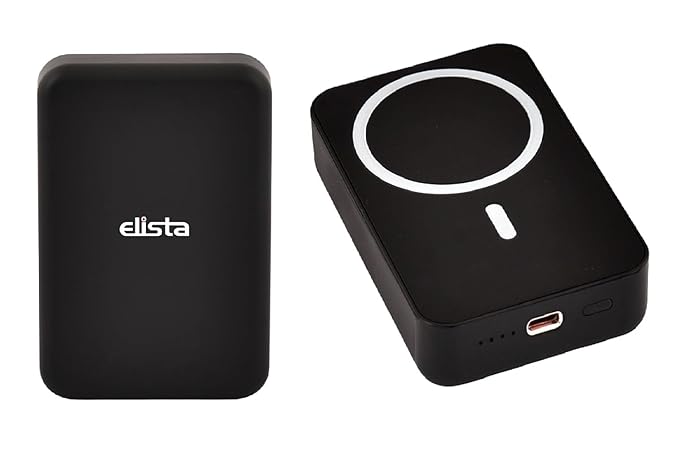
  • Elista Enters Power Bank Category with ELS-PBM101, a 10,000mAh Magnetic Fast-Charging Solution

    Elista Enters Power Bank Category with ELS-PBM101, a 10,000mAh Magnetic Fast-Charging Solution

    New Delhi, Mar 09:  Elista, one of India’s fastest-growing consumer electronics and home-appliance brands under the TeknoDome Group, today entered a brand-new product category with the launch of its first-ever power bank — the Elista ELSPBM101, a magnetic 10,000mAh fastcharging solution designed for effortless, everyday use.

     
    With this launch, Elista extends its commitment to solving real-world consumer technology pain points — from battery anxiety during travel to the need for safer, faster, on-the-go charging. The ELSPBM101 brings together a compact design, magnetic wireless charging and multi-layer protection, making it a practical essential for today’s always-connected smart technology users.
     
    Introducing the new categoryPawan Kumar, CEO, Elista, said, “Power banks are no longer optional, they are becoming an essential part of daily life. With our entry into this categoryElista is expanding its ecosystem to support today’s always-connected consumers by bringing together smart design, performance-driven innovation and safety. The ELSPBM101 reflects our focus on creating a compact, fastcharging and reliable power solution that addresses everyday needs, whether consumers are commuting, travelling, working or simply away from a charging point.”
     
    Elista ELSPBM101 Features
     
    The debut Elista power bank features a 10,000mAh lithium polymer cell, offering up to 20W wired fast charging and 15W magnetic wireless charging, making it compatible with the latest smartphones. The strong MegaSecure Magnetic Pad ensures stable wireless charging even when the user is moving, while Type-C input and output simplify how the device powers up and powers other devices.
     
    Built for daily use, the power bank includes protection against overcharging, overloading and short circuits, and features LED indicators for quick battery-level checks.
     
    The launch of the ELSPBM101 marks an important step in Elista’s expansion into personal electronics—an area where everyday utility, safety and thoughtful design matter as much as performance. Known for its smart TVs, air conditioners, audio products and home appliances, the brand is steadily building a connected ecosystem of accessories that make daily life easier and more seamless. This progress continues to be driven by Elista’s fully automated, Industry 4.0-enabled Kadapa facility in Andhra Pradesh, which anchors its ‘Make in India for the World’ roadmap, alongside expansion plans that include a ₹500 crore MoU for a second unit in Kopparthy.
     
    With a strong retail presence across 20,000+ outlets in India, Elista is also growing international footprint with the backing from the TeknoDome Group.
  • Kamats Legacy Introduces Its Flavour of the Month: Parotta Urulai Kulambu A Comfort Classic

    Mumbai, Mar 09: Continuing its legacy of Authentic South Indian vegetarian hospitality, Kamats Legacy introduces its Flavour of the Month, Parotta Urulai Kulambu a one pot meal that brings together flaky Kerala-style paratha and rich, slow-cooked dal and potato gravy (Urli Kulambu).

    Kamats Legacy Introduces Its Flavour of the Month: Parotta Urulai Kulambu A Comfort Classic

     Rooted in decades of heritage-driven cooking, Kamats Legacy is known for honouring regional South Indian flavours through dishes that feel homestyle, familiar, and deeply satisfying. A celebration of tradition, the brand brings authentic South Indian flavours to life through its signature Banana Leaf dining experience, focusing exclusively on specialties from the five southern states. With age-old recipes, traditional cooking techniques, and the use of natural ingredients such as groundnut oil, coconut oil, white butter, desi ghee, and podis, Kamats Legacy creates a dining experience rooted in culture and taste.

    Available across its Mumbai outlets in Nariman Point, Vashi, Malad, and Mira Road, this Flavour of the Month celebrates traditional recipes that have stood the test of time while appealing to today’s comfort-food lovers.

    Prepared by skilled South Indian chefs, Parotta Urulai Kulambu celebrates the joy of simple, honest food, with its flaky layers soaking beautifully into a rich, slow-cooked gravy that delivers warmth and depth in every bite. Best enjoyed with a refreshing glass of Majjiga (Andhra-style buttermilk), this classic pairing perfectly balances the richness of the dish with a cooling, traditional touch. Staying true to its philosophy, Kamats Legacy incorporates wholesome ingredients to create a comforting and deeply satisfying dining experience.

    Speaking about the Flavour of the Month, Dr. Vikram Kamat, Founder, Vikram Kamats Hospitality Limited, said:

    “Parotta Urulai Kulambu is more than just a dish, it represents comfort, nostalgia, and everyday food memories many of us grew up with in South India. At Kamats Legacy, our aim has always been to preserve authentic flavours while serving food that feels familiar and nourishing. Through this Flavour of the Month, we are sharing a taste that truly feels like home.”

    Much like the wider culinary experience at Kamats Legacy, a pure vegetarian destination, which offers wholesome breakfast favourites, traditional South Indian thalis, flavourful snacks, and a thoughtfully curated kids’ menu, every dish is crafted to create moments of togetherness and authentic taste.
    For menus, festival updates, and ongoing offers, follow Kamats Legacy on Instagram and Facebook:

  • Central Electricity Authority and Tata Power Delhi Distribution Ltd. Celebrate Sixth Edition of ‘Lineman Diwas’

    New Delhi, Mar 09: The sixth edition of ‘Lineman Diwas’ was celebrated today in New Delhi by the Central Electricity Authority (CEA), Ministry of Power, in collaboration with Tata Power Delhi Distribution Ltd. (Tata Power-DDL). The event honoured the dedicated frontline workforce of the power sector, recognising the crucial role of linemen and ground maintenance staff in ensuring uninterrupted electricity supply across India.

    The event was graced by Shri Shripad Yesso Naik, Minister of State for Power and New & Renewable Energy; Shri Pankaj Agarwal, Secretary (Power); Shri Ghanshyam Prasad, Chairperson, CEA; and Mr. Dwijadas Basak, CEO, Tata Power-DDL, along with senior leaders and stakeholders from across the power sector.

    Around 250 linemen and supervisors from more than 66 State and private power distribution and generation companies, as well as transmission licensees nationwide, participated in the celebrations. The programme provided a platform for experience sharing, discussion of operational challenges, and collaborative learning, with a strong emphasis on safety and best practices in the field.

    The event commenced with a safety pledge, reaffirming participants’ commitment to adhere to safety practices to protect themselves, their families, and society at large.

    Key Highlights and Remarks:

    • Shri Shripad Yesso Naik emphasised the importance of strengthening safety culture, the use of personal protective equipment, proper shutdown protocols, and adoption of modern technologies such as smart grids, AI-enabled predictive maintenance, and drone-based inspections to reduce risk to field personnel. He highlighted the theme of the sixth edition: “Seva, Suraksha, Swabhiman”, reflecting service, safety, and dignity of the workforce.

    • Shri Pankaj Agarwal referred to linemen as the warriors of the power sector, noting their dedication during harsh weather and natural disasters. He urged power utilities to institutionalise daily safety awareness, including safety drills and informative videos before each shift.

    • Shri Ghanshyam Prasad acknowledged the linemen’s contribution as a key pillar of nation-building and highlighted the evolution of Lineman Diwas into a nationwide movement recognising frontline workers’ efforts.

    • Mr. Dwijadas Basak said, “‘Lineman Diwas’ not only honours our frontline warriors but amplifies their voices, enables experience sharing, and reinforces our collective commitment to their safety and well-being.”

    Event Highlights:

    • Release of a special Lineman Geet dedicated to the courage and contribution of linemen.

    • Launch of a ‘Safety Pocketbook’ providing essential safety guidelines for field operations.

    • Introduction of a safety awareness video on lightning hazards and precautions.

    • Felicitation of High Performing Discoms and Linemen for their contributions to a safe and secure power sector.

    • Hands-on display of safety equipment and advanced tools for practical learning.

    • Event live telecast across power utilities nationwide to encourage wider participation.

    The celebrations of Lineman Diwas 2026 reinforced the power sector’s commitment to safety, service, and empowerment of its frontline workforce, ensuring that linemen remain recognised, protected, and equipped to sustain India’s reliable electricity supply.

  • kyron.bio Announces Strategic Partnership with Servier to Advance Precision Glycosylation in Antibody Therapeutics

    Innovative glycobiology platform aimed at enhancing the efficacy, safety, and scalability of next-generation antibody therapeutics across multiple disease areas

    Paris, Mar 09 – kyron.bio, a biotechnology company pioneering precision glycoengineering for antibody therapeutic development, today announced a strategic partnership with Servier, an international pharmaceutical group governed by a Foundation.

    Under the terms of the agreement, kyron.bio will use its technology to glycoengineer an antibody selected by Servier, who will fund the associated research activities. Servier will have the option to further explore antibody engineering and development opportunities based on the outcomes. Financial details are not disclosed.

    kyron.bio’s proprietary glycoengineering platform can enhance therapeutic performance of antibodies by enabling precise control of the glycan structures to improve efficacy, safety, and scalability. In this partnership kyron.bio will seek to demonstrate clear glycan control on the Servier antibody of interest for a specific pre-determined N-glycoform.

    To date, engineering of glycans have been under-exploited, due to technical challenges, limiting the use of glycan engineering in drug design. kyron.bio is changing that. The company has developed a scalable, proprietary method to achieve comprehensive control over glycosylation, unlocking the possibility to use precision glycosylation in next generation drug design.

    Dr. Emilia McLaughlin, founder and Chief Executive Officer of kyron.bio said,

    “We are delighted that Servier has chosen to explore the potential of our glycoengineering platform. Servier has deep expertise in therapeutic development and combined with our precision glycosylation technology, this partnership provides a powerful opportunity to unlock new levels of antibody performance and deliver better outcomes for patients.

    “Precision glycosylation represents a transformative approach in biologics development. By engineering defined glycan profiles, therapeutic antibodies can be optimized for improved immune engagement, pharmacokinetics, and reduced variability.”

    In 2024, kyron.bio was the winner of the Servier Golden Ticket award which has provided invaluable support and mentorship through the company’s early translational phase and has developed a foundation for understanding the potential of kyron.bio’s technology.

    Dr. Emmanuel Nony, Director of External Innovation Europe at Servier said,

    “Meeting kyron.bio as a winner of Servier’s Golden Ticket award has enabled our scientists to develop an understanding of the kyron.bio glycan engineering technology and its exciting possibilities in antibody drug design. This collaboration is opening new frontiers for antibody derivatives as well. Together, we are exploring innovative pathways to optimize drug design and production, with a shared commitment to bringing safer and more effective therapies to patients.”

    kyron.bio’s strategy is to form strategic drug design partnerships with pharmaceutical and biotech companies working on next-generation antibody therapeutics, alongside in house therapeutic development programs.

    A successful company creation from the French Entrepreneur First Scheme, in 2025 kyron.bio raised €5.5m in a seed round from an experienced syndicate of venture investors including HCVC, Verve Ventures, Entrepreneurs First and Saras Capital, as well as private angel investors and the European Innovation Council. It has established an R&D base at the biotech hub Paris Biotech Santé in the Cochin Hospital.

  • SRMIST Grants License for Patented Solar Cell Encapsulant Technology to Anabond Ltd., Chennai


    Moving from Fundamental Research to Translational Research”: Prof. C. Muthamizhchelvan, Vice Chancellor, SRMIST, on ₹1-Crore Solar Technology Licensing Agreement with Anabond Limited, Chennai

    SRMIST Licenses Patented Solar Cell Encapsulant Technolgy to Anabond Ltd, Chennai


    Chennai, Mar 09: In a significant step toward strengthening India’s clean energy manufacturing ecosystem, SRM Institute of Science and Technology (SRMIST) has licensed a patented solar cell encapsulant technology to Chennai-based specialty materials manufacturer Anabond Limited. The agreement represents an important milestone in the commercialization of university research and highlights the growing role of academia in advancing indigenous technology development.

    The licensing agreement includes an upfront payment of ₹1 crore for the patented technology, along with a seven-year royalty arrangement linked to the commercial turnover of products based on the technology. The partnership reflects a broader trend of industry–academia collaboration aimed at translating laboratory innovations into scalable industrial solutions.

    India has set an ambitious target of achieving 500 GW of non-fossil fuel energy capacity by 2030, with solar power expected to account for the largest share. As the country rapidly expands domestic solar manufacturing under Production Linked Incentive (PLI) schemes and other policy initiatives, advanced materials such as encapsulants—which play a critical role in protecting solar modules and ensuring long-term performance—are emerging as strategic components of the renewable energy supply chain.

    Dr. P. Sathyanarayanan, Pro-Chancellor (Academics), SRMIST, described the partnership as a significant step toward aligning academic research with industry needs and national priorities. “Universities must move beyond knowledge dissemination to knowledge creation—and ultimately to translating that knowledge into real-world solutions.” He emphasized that while universities traditionally focus on education and placements, research achievements become truly meaningful when they lead to practical technologies that benefit society. “When industry partners come forward to adopt research developed in university laboratories, it brings immense satisfaction to researchers and demonstrates the real impact of academic innovation.” Dr. Sathyanarayanan also revealed that SRMIST is planning to establish an Industrial Research Park, which will bring industry R&D units closer to the university campus and create opportunities for students, researchers, and companies to collaborate on real-world technological challenges.

    Prof. C. Muthamizhchelvan, Vice Chancellor of SRMIST, described the technology licensing agreement as the culmination of a long institutional journey from academic teaching toward research and innovation. Over the past two decades, SRMIST has steadily strengthened its research ecosystem, moving from a focus on scholarly publications to cutting-edge research supported by government agencies and industry partners. According to the Vice Chancellor, the university currently receives around ₹35 crore annually in research funding across domains such as energy, environment, healthcare, water technologies, and disruptive innovations. “If we can enhance the performance of solar cells by preventing environmental degradation and significantly extending their life and performance, then we are truly moving from fundamental research to translational research.” Prof. Muthamizhchelvan also highlighted the university’s growing intellectual property portfolio, noting that SRMIST currently holds more than 538 granted patents. With this expanding IP base, the institution has begun focusing on commercialization pathways that allow research outcomes to benefit society and industry.

    “We wanted to move our research from publications to solutions that benefit society,” he added, emphasizing that the collaboration with Anabond Limited represents a visible example of how academic innovation can translate into industrial applications.

    Dr. Shantanu Patil, Director of the Directorate of Entrepreneurship and Innovation (DEI), SRMIST, explained that the university has developed structured mechanisms to support intellectual property development, startup incubation, and technology commercialization. “The Directorate of Entrepreneurship and Innovation serves as a central hub that helps transform ideas developed by students, faculty, and researchers into startups, technologies, and impactful solutions.” He added that the SRM Center for Intellectual Property Rights and Protection plays a crucial role in identifying and protecting innovations emerging from the university, while the Technology Transfer Office (TTO) focuses on commercializing these innovations through industry partnerships.

    The licensed technology was developed by Prof. K. Ananthanarayanan and his research team from the Department of Chemistry, SRMIST, who have been working on advanced materials for solar energy systems. Explaining the importance of encapsulation technology, Prof. Ananthanarayanan noted that while solar cells are becoming increasingly efficient, they remain highly sensitive to environmental conditions such as ultraviolet radiation, moisture, dust, and temperature fluctuations. “Encapsulants protect solar modules from ultraviolet radiation, moisture, dust, and environmental stress. When panels are expected to operate for 25 to 30 years, the reliability of this protective material becomes critical.” To illustrate the concept, he compared encapsulation to the tempered glass used to protect smartphone displays. “Just as a protective glass layer prevents damage to a phone screen, encapsulation materials protect solar cells and ensure that they continue to function reliably throughout their lifetime.”

    The research team spent four to five years developing a patented polymer encapsulant specifically designed for next-generation solar technologies such as TOPCon and perovskite–silicon hybrid solar cells, which place greater performance demands on encapsulation materials than conventional systems.

    “Solar energy will power the world in the future, and we are proud, in our own small way, to contribute to making that future more reliable and durable,” Prof. Ananthanarayanan said.

    For Anabond Limited, the collaboration represents an important step in expanding its portfolio into renewable energy materials. Founded in 1979 by a scientist with experience in India’s nuclear research establishments, the company has grown into a major manufacturer of specialty adhesives, sealants, and advanced materials.

    Mr. M. Rajan, Managing Director of Anabond Limited, said the company has built its growth on a strong foundation of research and development combined with the ability to scale laboratory innovations into commercial products. “This technology has strong potential for the future, and we are proud to partner with SRMIST in taking this innovation toward commercialization.” He explained that Anabond has extensive experience in technology transfer and industrial scaling, having worked with strategic organizations including ISRO and defense research establishments, where its products have supported demanding aerospace and missile applications. “Scaling laboratory innovations into reliable industrial products is a complex challenge, and we are confident this collaboration will successfully bring the technology to market.”

    The company currently operates multiple manufacturing facilities across India and maintains a wide distribution network that supports industrial clients across sectors including aerospace, automotive, electronics, and defense.

    Highlighting the broader importance of partnerships between universities and industry, Mr. Abraham, Joint Managing Director of Anabond Limited, said such collaborations are essential for converting research breakthroughs into technologies that create economic and societal value.

    “Universities are hubs of innovation and new technologies. Partnering with industry enables these innovations to move from laboratory research to production scale, ultimately benefiting society and contributing to economic growth.” He also acknowledged the role of government initiatives in enabling collaboration between academic institutions and industry, particularly programs that allow companies to access advanced research infrastructure available within universities. “The partnership between SRM Institute of Science and Technology and Anabond Limited will certainly contribute to technological advancement and economic growth, while supporting the national vision of Atmanirbhar Bharat,” he added.

    Institutional leaders at SRMIST emphasized that the licensing agreement was made possible through the university’s growing innovation ecosystem. Together, these institutional platforms help bridge the gap between academic discovery and real-world application.

    According to SRMIST’s Technology Transfer Office, the university has already facilitated more than 17 technology transfer agreements with industry partners. However, the solar encapsulant licensing stands out as one of the first to include a structured royalty model linked to commercial success.

    The university also organizes the Industrial Research and Innovation Summit (IRIS), an annual platform that brings together industry leaders, investors, researchers, and startups to explore commercialization opportunities for emerging technologies. With this licensing milestone, SRMIST reinforces its broader vision of positioning academia not only as a generator of knowledge, but also as a key contributor to India’s industrial capability and sustainable technological future.

     
     
  • Surya Brasil Brings Clean Beauty Conversation to Jaipur, Highlights Ban on Over 9,000 Toxic Ingredients

    Jaipur, Mar 09:  Surya Brasil, the Brazilian clean beauty brand known globally for its natural henna-based hair colour solutions, hosted a two-day gathering in Jaipur that brought together wellness practitioners, industry professionals and invited guests to discuss clean cosmetics, ingredient transparency and plant-based hair care.

    Surya Brasil Brings Clean Beauty Conversation to Jaipur, Highlights Ban on Over 9,000 Toxic Ingredients

     At the centre of these discussions was the brand’s long-standing formulation policy. Surya Brasil stated that it has eliminated more than 9,000 potentially toxic ingredients from its cosmetic products. With consumers increasingly questioning what goes into personal care formulations, the company emphasised the need for greater transparency and more informed decision-making when it comes to everyday beauty products. The brand also noted that its formulations avoid harsh chemicals such as ammonia and its by-products, including ethanolamine and triethanolamine, as well as other commonly used ingredients such as PPD, EDTA, parabens, lauryl sulfate and synthetic fragrance

    Held at Pachewar Garh Fort in Jaipur, where the setting provided a distinctive backdrop for conversations around clean beauty and wellness, the programme also featured cultural performances celebrating Indian artistic traditions. Guests witnessed a classical music recital by Grammy Award winner and Padma Bhushan awardee Vishwa Mohan Bhatt, along with a Kathak performance by Uma Sharma.

    The discussions also touched upon the growing number of hair and scalp concerns linked to modern lifestyles. Stress, pollution, hard water and environmental exposure are often cited as factors contributing to hair fall and scalp imbalance. Surya Brasil shared how its formulations seek to address these concerns by combining botanical ingredients with contemporary cosmetic science.

    One of the key product lines presented during the event was the brand’s Hair Therapy range, developed using herbal ingredients sourced from India, the Amazon and other regions of Brazil. The formulations range from 92% to 100% natural and are designed to support scalp health while strengthening hair using plant-based ingredients.

    The company also showcased its Balanced Cleansing Shampoo, formulated to help remove excess oil, mineral residue caused by heavy water, pollutants and chlorine exposure. The shampoo is designed to cleanse the scalp effectively without triggering the rebound oiliness often associated with harsher cleansing agents.

    Speaking during the event, Clelia Cecilia Angelon, Founder and CEO of Surya Brasil, said:

    “At Surya Brasil, we believe beauty should come from nature and be guided by responsibility. Since 1995, our company has been built on the principles of nature, Ayurveda and technology working together. Consumers today are far more aware about what goes into the products they use, and our focus has always been on developing hair and scalp solutions that rely on plant-based ingredients while remaining transparent about formulations.”

    The brand also spoke about the importance of reading cosmetic labels carefully. In some cases, products marketed as ammonia-free may still rely on alternative compounds that perform a similar chemical function. Surya Brasil encouraged consumers to look closely at ingredient lists and make informed choices when selecting personal care products.

    The Jaipur gathering forms part of the company’s continued engagement with the Indian market, where interest in clean beauty and plant-based hair care solutions continues to grow.

  • Ubitium tapes out universal processor to end embedded computing complexity crisis

    Ubitium Tapes Out First Silicon of its Universal Microprocessor Architecture on Samsung 8nm

    DÜSSELDORF, GERMANY, Mar 09: Ubitium, a German semiconductor start-up, today announced the tape-out of its first silicon on Samsung Foundry’s 8nm process. The tape-out was completed in December 2025. The chip is the first universal RISC-V processor to replace the stack of specialized processors used in modern embedded systems.

    Embedded computing, a $115 billion market, has reached a breaking point. Cars once ran on one processor; today’s vehicles contain more than 200, each with its own toolchain, software stack and supplier. Performance is no longer the only limiting factor. Complexity is. As AI workloads move into robots, drones, and industrial machines, this complexity becomes unsustainable.

    Ubitium builds on RISC-V, the open-source architecture already used in billions of chips worldwide and extends it beyond a conventional CPU. Its universal processor runs Linux and RTOS simultaneously, handles radar and audio signals in real time, and executes neural networks for inference at the edge, without separate accelerators or coprocessors. Full RISC-V software compatibility preserved. 

    “This tape-out turns a long-held thesis into silicon,” said Martin Vorbach, CTO of Ubitium. “Embedded workloads have outgrown the architectures the industry relies on today. Consolidation isn’t optional anymore. It’s inevitable.”

    Ubitium does for embedded compute what software-defined radio did for wireless: replaces fixed-function hardware with one reconfigurable silicon. The result: embedded systems that ship faster, cost less, and have long product lifecycles.

    Ubitium is working with Samsung Foundry, Siemens Digital Industries Software and ADTechnology as it advances toward production silicon.

    “The shift toward software-defined, reconfigurable compute is accelerating. Ubitium’s approach, one universal processor replacing multiple specialized chips, aligns with where we see embedded systems heading. We’re proud to manufacture their first silicon.” Said Taejoong Song, vice president and head of Foundry Technology Planning Team, at Samsung Electronics.

    “Shift-left verification helps teams validate system behavior earlier by running more realistic workloads ahead of first silicon,” said Jean-Marie Brunet, Sr. Vice President, Hardware Assisted Verification, Siemens Digital Industries Software. “Ubitium’s use of Siemens’ EDA tools, specifically the Veloce CS hardware-assisted verification and validation system, highlights how early validation can de-risk integration, support design closure, and accelerate time to first silicon.”

    “Advanced-node silicon delivery depends on disciplined back-end execution across timing, power, and signoff,” said Jun-Kyu Park, CEO of ADTechnology. “We are pleased to have supported Ubitium throughout the implementation process as it progressed to tape-out on Samsung Foundry’s 8nm process.”

    Ubitium’s founders have spent decades building programmable architectures and the software stacks that unlock them at scale. CTO Martin Vorbach created PACT XPP, an early commercial reconfigurable processor, and holds 200+ processor-architecture patents. The core team combines deep industry experience from Intel, Texas Instruments, Apple and NVIDIA, with 350+ peer-reviewed publications.

    The tape-out validates the foundational components of Ubitium’s architecture: the Universal Processing Array with runtime reconfiguration and LPDDR5 memory interface. A second tape-out is targeted for later this year, with volume production in 2027.

    Technical Notes

    • Workload coverage: Ubitium’s universal processor spans general-purpose computing, real-time signal processing, and massively parallel AI inference on a single die; in a homogeneous architecture

    Software stack: Full Linux and RTOS support, standard RISC-V toolchains, and compatibility with modern software frameworks. No need for proprietary languages or vendor-specific compilers.Target applications: Radar and multi-sensor signal chains, real-time audio and voice, computer vision, edge AI, automotive cockpits, industrial HMI.Runtime adaptability: The Universal Processing Array shifts execution mode at runtime (CPU, DSP, GPU, parallel accelerator) without context-switch penalty or external offload.System consolidation: One processor, one toolchain, one qualification cycle. Reduces BOM cost, board complexity, and supplier dependencies across product lifecycles.


  • Staatsolie to Chart Suriname’s Offshore Future at Caribbean Energy Week 2026

    The national oil company will showcase its role in shaping offshore investment opportunities, recent exploration milestones and initiatives to prepare Suriname’s private sector for the country’s emerging oil and gas boom

    PARAMARIBO, Suriname, Mar 09: Suriname’s national oil company Staatsolie is set to highlight the country’s expanding offshore opportunities at the inaugural Caribbean Energy Week (CEW) 2026, taking place March 30 to April 1 in Paramaribo. Offshore Exploration Manager Sharista Kalapnat-Kisoensingh is expected to speak on Staatsolie’s strategic offshore initiatives, alongside sessions on the company’s Enterprise Development Center (EDC), which aims to strengthen the local private sector and prepare Surinamese businesses for participation in the country’s growing oil and gas industry.

    Staatsoilie has been at the center of Suriname’s offshore oil boom. The company’s declaration of the Sloanea field as commercial in November 2025 marked a major milestone, highlighting the basin’s growing hydrocarbon potential. Staatsolie’s seismic survey program with TGS and BGP Offshore, launched late last year, is generating critical geological insights across multiple offshore blocks, while new production sharing agreements for Blocks 9 and 10 are attracting further international investment. Together, these initiatives position Staatsolie not just as a producer, but as a strategic enabler – coordinating development, structuring investment opportunities, and shaping Suriname’s broader offshore growth agenda.

    Further supporting the sector’s growth, Staatsolie launched an Open-Door Offering in late 2025, making roughly 60% of Suriname’s offshore acreage available under flexible exploration agreements. Alongside its 20% stake in the $10.5 billion GranMorgu development on Block 58 – which is set to generate over $1 billion in local content expenditure – Staatsolie is driving Suriname’s evolution from a modest onshore producer into a globally relevant offshore player with significant investment, production and local economic potential.

    At CEW 2026, Staatsolie’s sessions will also highlight the EDC, a flagship initiative to prepare Suriname’s private sector for offshore participation. As GranMorgu and other developments advance toward production, the EDC will ensure that local companies are equipped to capture opportunities arising from exploration, construction, and supply chain activities.

    Staatsolie’s upstream operations already account for roughly 9.5% of Suriname’s GDP and 32% of government revenues, figures expected to rise as offshore production ramps up. Kisoensingh’s participation is expected to outline how the company is managing Suriname’s offshore growth, supporting private sector engagement and positioning the country as an emerging hub in regional energy markets.

  • Rivet by WeWork India Debuts as End-to-End Design & Build Platform for Enterprises & End-Users

    Arnav S Gusain elevated as Chief Executive Officer, Rivet, to drive the next phase of growth

    Rivet by WeWork India Debuts as End-to-End Design & Build Platform for Enterprises & End-Users


    Mumbai, Mar 09: WeWork India Management Limited (“WeWork India”), one of India’s leading premium flexible workspace operators, today announced the launch of Rivet by WeWork India – a design & build platform delivering integrated, experience-led, customised workspaces tailored to the unique needs of enterprises and end users – backed by a proven large-scale operating footprint and expertise. The launch comes at a defining moment for India’s commercial office market. As enterprise expansion accelerates, GCCs scale rapidly, and workplace strategies grow more complex, the demand for execution certainty is rising — a need the fragmented, multi-vendor design and build (D&B) ecosystem has struggled to meet. Built on WeWork India’s extensive experience designing, delivering, and operating commercial workspaces across industries and businesses of all sizes, from global enterprises to high-growth startups, Rivet introduces a fundamentally distinct model to the market: a single contract, unified accountability, and end-to-end delivery from concept to commissioning. Alongside the launch, WeWork India has elevated Arnav S Gusain as Chief Executive Officer, Rivet, in addition to his ongoing role as Chief Supply Officer at WeWork India, underscoring the strategic significance of this new vertical and ensuring leadership continuity.

    India’s office market is witnessing unprecedented momentum, with gross leasing activity reaching 83.3 million sq. ft. in 2025 alone, according to JLL. This surge underscores growing demand for high-quality, future-ready environments that place human experience at the centre, enabling collaboration, productivity, and ESG-led performance. Today, WeWork India has evolved from a flexible workspace operator into a full workspace-as-a-service platform, supporting members at every stage of growth — from a day pass for an entrepreneur to fully customised managed offices for large enterprises and GCCs. Despite the scale of opportunity, the D&B ecosystem in India remains deeply fragmented. Enterprises today are required to manage multiple vendors across design, engineering, and construction, with limited cost visibility, dispersed accountability, and significant execution cost risk. The result is workspaces that are delivered late, over budget, and underperforming against the brief.

    Rivet represents the next step in that evolution, addressing the gaps through an integrated, governance-led delivery model that combines unified ownership with full lifecycle visibility. The platform is powered by BIM-led planning, real-time site monitoring, and structured financial governance, offering enterprise clients the transparency and delivery performance that the traditional D&B model has struggled to provide. The launch of Rivet reflects WeWork India’s broader vision to build a comprehensive workspace-as-a-service ecosystem, and over time, extend into infrastructure-as-a-service – removing friction points for enterprises as they scale.

    Commenting on the launch, Karan Virwani, Managing Director & CEO, WeWork India, said, “India’s workplace landscape is evolving rapidly. Over the past eight years, we have built deep insight into how enterprises operate and how workspace shapes performance, while designing, evaluating, and operating over 8.2 million square feet across markets. Working with businesses of varying scale and sizes, and a broad partner ecosystem has given us real-time understanding of what truly drives workplace success. Rivet brings that experience together into an integrated platform by combining behavioural insight, operational depth, and execution capability. It is built to deliver premium commercial workspaces that perform at scale, with the precision and confidence that enterprises demand.

    As we launch this new vertical, Arnav takes on the role of CEO of Rivet, bringing deep domain expertise and a proven track record. With over three decades of experience, he brings a holistic understanding of the real estate and workspace ecosystem. In his capacity as Chief of Supply at WeWork India, he has been instrumental in expanding our portfolio and strengthening delivery capabilities. Furthermore, backed by an experienced team that has delivered large-scale projects across markets, we are committed to building Rivet into the benchmark for end-to-end workspace delivery in India.”

    Rivet’s delivery model is powered by technology and built for long-term performance. Its tech-enabled systems bring structure, precision, and real-time visibility to every stage of the design-and-build process – improving cost control, timeline predictability, and execution clarity while reducing inefficiencies. Sustainability is embedded from the outset, with durable materials, efficient layouts, and design choices that enhance longevity and minimise waste, alongside eco-conscious options tailored to client goals. Rivet’s accountability extends well beyond handover, supporting the workspace as an evolving ecosystem through integrated infrastructure, workplace technology, and a curated network of trusted partners. Backed by scale and long-standing vendor relationships, the platform delivers smarter value, consistent quality, and execution certainty without compromising speed or design integrity. Some of the successfully completed projects include workspace for a global leader in agricultural equipment and smart farming solutions, One World Centre, and Embassy One (EMBARK/Embassy Group HQ), spanning over 1 lakh sq. ft. and representing a cumulative project value of nearly ₹ 50 crore. “Rivet is a natural extension of our core business. It allows us to continue serving members who have grown with us and may now seek their own independent spaces, while also engaging new enterprise clients who can benefit from our integrated design and build expertise. It strengthens our ability to serve their broader workspace needs across markets. Together, flexible workspaces, managed offices, and D&B create a connected ecosystem that removes friction and enables seamless scale – advancing our vision to evolve into a comprehensive infrastructure-as-a-service platform for enterprises in India,” added Karan Virwani.

    Arnav SGusain, CEO, Rivet by WeWork India and Chief Supply Officer, WeWork India, added, “Enterprises today are making increasingly strategic workplace investments, yet the delivery ecosystem has not evolved at the same pace. Rivet is connected to our larger vision of building infrastructure as a platform and service, where D&B is not isolated from real estate intelligence, but informed by it. Having assessed over millions sq. ft. of real estate across markets, we bring a deep understanding of site potential, constraints, cost variables, and delivery risks, allowing us to integrate those insights into design, cost optimisation, and execution planning from day one.

    What differentiates us is our operational DNA. We don’t just design spaces, we understand how they perform at scale and over time. That perspective enables future-ready design thinking – from smarter space planning and adaptability to embedding human-centric elements that enhance collaboration, productivity, and well-being. We also recognise that every organisation carries a distinct design language and cultural identity. Rivet’s role is to translate that into a workspace that is not only aligned to brand and behaviour, but engineered for long-term performance. In my role as CEO, my focus is to build Rivet into a delivery platform enterprises can rely on with complete confidence – not just to create a space, but to deliver infrastructure that performs consistently, sustainably, and in step with how people actually work.”

    Rivet further differentiates itself through the operational intelligence embedded within its platform. Drawing on WeWork India’s experience designing and executing large-scale commercial workspaces, Rivet integrates real-world performance insights into every design and infrastructure decision. Transparency is embedded within its operating architecture, with technology-enabled systems providing continuous visibility into timelines, cost structures, and project milestones, ensuring informed decision-making throughout the lifecycle.

    With the launch of Rivet WeWork India further strengthens its position across the full workspace lifecycle, from operating flexible workspaces to enabling how modern offices are designed and delivered. As enterprises place greater strategic importance on workplace performance and execution certainty, Rivet positions WeWork India to play a more strategic, end-to-end role in shaping India’s next phase of commercial office development. WeWork India is currently operational across 8 cities, with over 1.21 lakh desks, with robust relationships across key stakeholders such as landlords, IPCs, and members. With solutions for all kinds of businesses – solopreneurs to startups to Fortune 500 companies – WeWork India offers the perfect workspace solutions that deliver a premium experience.