Category: Business

  • Urban Co-operative Banks Expand Credit Role as Outstanding Balances Almost Double in Five Years

    Feb 13: Urban Co-operative Banks (UCBs) are strengthening their position in India’s credit ecosystem, supported by steady balance growth, improving asset quality, and rising demand across both retail and small business segments.

    Outstanding credit balances of UCBs stood at ₹3.4 lakh crore as of September 2025, representing a 1.9x increase over the last five years, according to Sahakaar Trends, a joint publication by the National Urban Co-operative Finance and Development Corporation (NUCFDC) and TransUnion CIBIL, India’s pioneer information and insights company.

    While UCBs continue to hold a modest share of overall industry credit at around 1.8%, the data shows a system that is expanding in scale while adapting to changing borrower profiles, competitive dynamics, and regulatory expectations.

    “UCBs are expanding more widely into Bharat, extending formal credit beyond large urban centres to households and small businesses in semi-urban and emerging regions. Their proximity to local communities allows them to serve borrowers where local context and relationships matter, helping bring more of Bharat into the formal credit system. As these banks expand their reach across retail and small-business lending, sustaining credit quality while broadening access will remain central to their role in supporting more balanced and inclusive economic participation,” said Mr. Bhavesh Jain, MD and CEO, TransUnion CIBIL.

    “The expanding credit footprint of UCBs reflects strong borrower trust, particularly in semi-urban and emerging regions where access to formal credit remains critical. As these banks scale up, the focus must remain on strengthening institutional capacity, improving operational efficiency, and building resilient governance frameworks. Supporting UCBs through this transition is essential to ensuring that their growth continues to translate into meaningful financial participation and long-term economic stability,” said Shri Prabhat Chaturvedi, CEO, NUCFDC.

    UCB Lending Remains Concentrated in Eight Core Products

    Commercial loans, housing loans, retail business loans, loan against property, gold loans, personal loans, auto loans and loans against bank deposits dominate UCB balance sheets. As of September 2025, these products together accounted for nearly 83% of UCBs’ total outstanding balances, reflecting a continued emphasis on collateral-backed retail lending and credit to small enterprises.

    The average housing loan ticket sizes for UCBs stood at around ₹23 lakh, compared to ₹26 lakh for housing finance companies. For gold loans, the average ticket size is ₹1.3 lakh for UCBs, compared to ₹2.3 lakh for PSU banks. In contrast, average commercial loan ticket sizes for UCBs were approximately ₹50 lakh, higher than ₹37 lakh for Public Sector Banks (PSUs), while personal loan ticket sizes averaged about ₹4.7 lakh, compared to ₹2 lakh for Non-Banking Financial Companies (NBFCs).

    Gold Loans Present Growth Opportunity for UCBs

    Gold loans account for about 5% of UCBs’ overall credit portfolio. Although they cater to a relatively higher share of below-prime borrowers in this segment compared with PSU banks, credit performance indicators have improved, with the balance-level delinquencies, measured as balances 90 days past due or more, declining steadily in recent periods.

    Commercial Loans Account for Largest Share of UCBs’ Portfolio

    Commercial loans account for the largest share of the total outstanding balances for UCBs, as of September 2025. Indexed to September 2020 as 100, enquiry-level data shows a sharper rise in commercial loan demand for UCBs by September 2025.

    While UCBs recorded a higher conversion rate from enquiry to origination compared with PSU banks during the three months ended June 2025, the pace of disbursement remains slower, with 45% of originations disbursed within 15 days, compared with 61% for PSU banks. UCBs also cater to a higher share of entities with credit exposure exceeding ₹1 crore and also have a higher share of low-risk borrowers at 49% compared to 45% medium-risk borrowers and 6% high-risk borrowers1.

    Housing Loan Demand Higher in Metro and Semi-Urban Regions

    Housing loans constitute the second largest share of total outstanding balances for UCBs. Demand for housing loans has remained stable with UCBs recording 2x growth in the last five years attracting younger consumers, women, and New-to-Credit borrowers. Additionally, the growth has also been greater in urban and semi-urban regions.

    The credit performance for housing loans has improved, with 90+ DPD balance-level delinquencies falling to 2.8% as of September 2025, from 3.2% in September 2024.

    Customer Profile of Personal Loan Borrowers Has Improved for UCBs

    Personal loan demand at UCBs has strengthened in recent periods. UCBs recorded higher conversion rates for personal loan enquiries at 39%, compared to 22% for NBFCs during the three months ended August 2025, although only 42% of these loans were disbursed within five days, compared with 68% for NBFCs. Additionally, the balance-level delinquencies for personal loans have steadily improved for UCBs and have been consistent for recent periods. The personal loan delinquencies (90+ DPD) declined from about 4.5% in September 2020 to approximately 2.1% by September 2025.

    Opportunity Exists for UCBs to Expand Credit Reach

    The data also points to a gap in portfolio deepening. As of March 2025, UCBs had approximately 30 lakh live retail borrowers, of which around 1.7 lakh, or about 6%, also had a commercial credit footprint. During April to September 2025, nearly 3,000 such borrowers sourced new commercial loans from PSU banks, with total sanctioned amounts of about ₹724 crore, including approximately ₹442 crore extended to low- and medium-risk borrowers.

    Overall, the sustained growth of UCBs reflects a sector that is strengthening its balance sheets while accelerating efforts to modernise its operations and risk frameworks. Backed by improving asset quality, disciplined credit expansion, and rising adoption of technology‑enabled processes, UCBs are increasingly well positioned to serve their core constituencies with greater efficiency and resilience.

    “As UCBs continue to balance their community-rooted strengths with data‑led decisioning and regulatory alignment, they are set to play an increasingly meaningful role in supporting inclusive economic growth and deepening formal credit penetration across India’s urban and semi‑urban landscape,” Mr. Jain said.
  • DSP Asset Managers Launches Multi-Year Scholarship for PGP YL at Indian School of Business

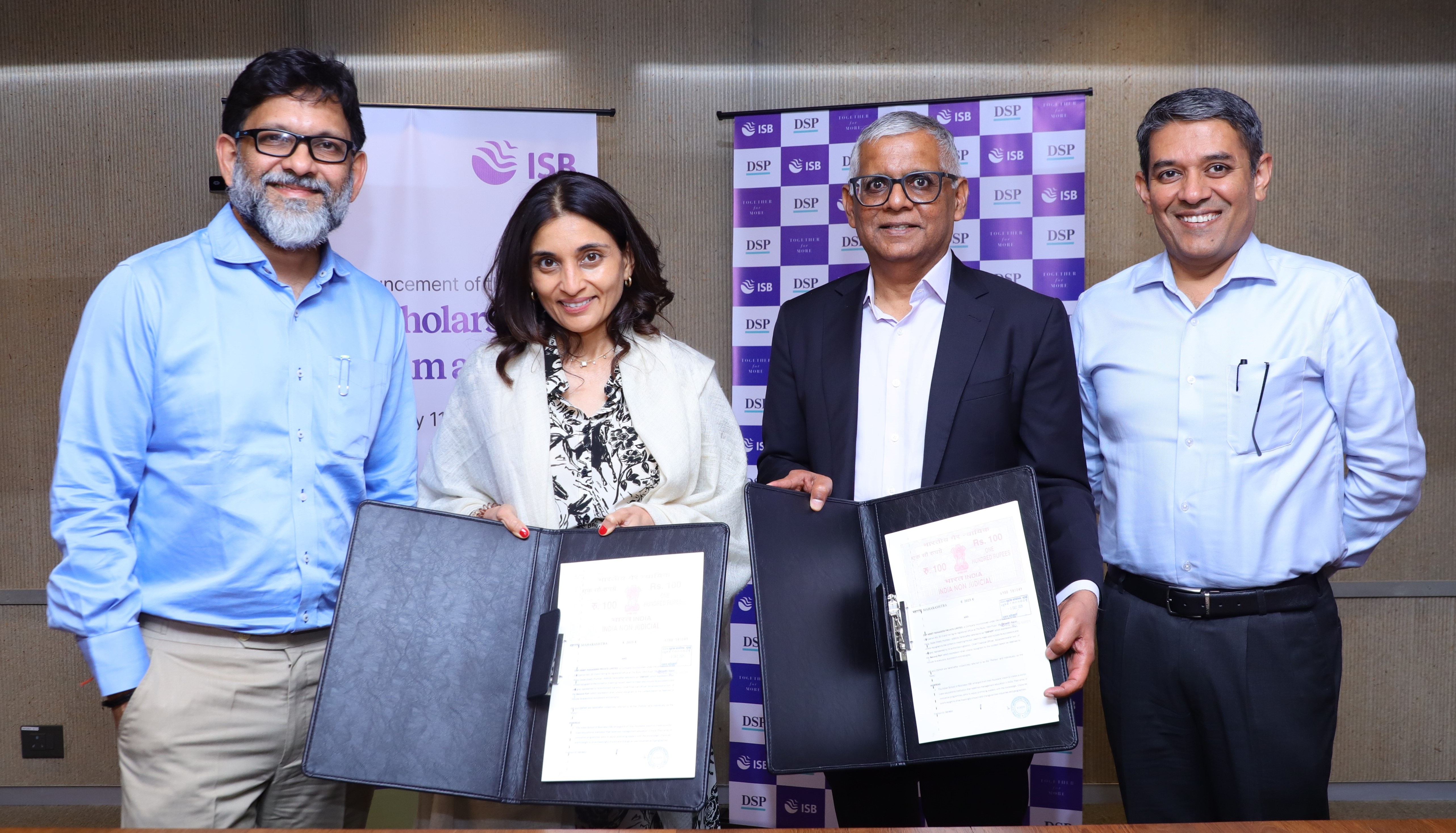
    Feb, 13 : The Indian School of Business (ISB) has announced the DSP Scholarship Programme for students of its Post Graduate Programme in Management for Young Leaders (PGP YL), supported by a multi-year CSR gift from DSP Asset Managers Private Limited (DSPAM). The need-cum merit scholarship will provide 100% tuition fee waivers to recipients over multiple years, beginning with the current academic year.

    Under the DSP Scholarship Programme, two PGP YL students from the current class will be supported, followed subsequently by five students each year. This sustained commitment reflects DSPAM’s focus on enabling access to high-quality management education for talented young individuals at an early stage of their academic and professional journeys.

    The MoU for this scholarship was exchanged in the presence of Aditi Kothari Desai, Chairperson, DSP Asset Managers Private Limited; Dean Madan Pillutla; Kalpen Parekh, Managing Director & CEO, DSP Mutual Fund; and DNV Kumara Guru, Senior Director – Advancement, Alumni Engagement and External Relations, ISB.

    The PGP YL is ISB’s early-entry management programme, designed to nurture high-potential students through a rigorous, globally benchmarked curriculum and immersive learning experiences. By easing financial constraints, the DSP Scholarship Programme will enable recipients to focus fully on their academic development, leadership growth, and long-term aspirations.

    Commenting on the initiative, Aditi Kothari Desai, Chairperson, DSP Asset Managers Private Limited, said

    “At DSP, we strongly believe that leadership development begins early, and that access to high-quality education should never be limited by financial constraints. Through this multi-year scholarship program with ISB, we are investing in young leaders at a formative stage of their journey, enabling them to focus on learning, self-discovery, and long-term impact. This initiative reflects our commitment to building a strong and inclusive foundation for future leadership in India.”

    Adding to this, Ravi Patodi, Head – Human Resources, DSP Asset Managers, said

    “The scholarship program with ISB reflects DSP’s long-standing belief that access to quality education can shape long-term outcomes for individuals and for institutions. We see this as an investment in potential at a formative stage of leadership development. Our continued engagement with educational initiatives, including our support for the MVBS Hostel in Dadar which provides boarding and scholarship assistance to college students, stems from the same philosophy enabling talent with continuity, care, and a long-term perspective.”

    Welcoming the support from DSPAM, Professor Madan Pillutla, Dean, Indian School of Business, said

    The DSP Scholarship Program adds to ISB’s growing portfolio of merit and need-based scholarships for the recently launched PGP YL, reinforcing the School’s commitment to inclusion and access as it prepares the next generation of responsible business leaders.

  • Alvarez & Marsal Strengthens Disputes & Investigations Team with Tanmay Bhargav Appointment

    New Delhi, Feb 13: Leading global professional services firm Alvarez & Marsal (A&M) India has announced the appointment of Tanmay Bhargav as Managing Director within its Disputes and Investigations practice. This strategic addition reflects A&M’s commitment to deepening its expertise in complex investigations, dispute advisory and antitrust matters.

    With over 24 years of experience across forensic services, infrastructure advisory, regulatory matters, and financial services, Mr. Bhargav specializes in disputes, investigations, fraud risk management, governance and compliance, and construction and infrastructure matters. He has provided expert witness testimony related to shareholder disputes, computation of claims for loss of profits, business interruption, business valuation, and consumer claims, among others.

    Mr. Bhargav has led high-stakes investigations involving fraud, corruption, financial misstatements, and regulatory enforcement, working closely with regulators, law enforcement agencies, and the Competition Commission.

    Prior to joining A&M, he was a Partner at KPMG in India, where he led forensic services for infrastructure and antitrust matters. He holds a Master’s in Finance from the London Business School and is a member of the Institute of Chartered Accountants of India.

    Himanshu Bajaj, Managing Director & Head – A&M India and GCC, said,

    “As organizations face increasing regulatory scrutiny and complex enforcement environments, they need seasoned advisors who can navigate disputes and investigations with rigor, independence, and credibility. Tanmay’s expertise across investigations, disputes, and regulatory matters will further strengthen A&M’s ability to help clients manage risk, uphold governance, and ensure compliance.”

    Dhruv Phophalia, Managing Director and Head of A&M’s Disputes and Investigations practice in India, added,

    “Tanmay’s appointment underscores A&M’s commitment to supporting clients across high-stakes investigations and dispute resolution. His deep sector knowledge and experience with regulatory bodies will enhance our ability to provide clients with pragmatic, defensible solutions.”

    Tanmay Bhargav, Managing Director, A&M India, said,

    “The growing complexity of disputes and investigations in India has made robust governance and risk management a boardroom priority. A&M’s practical, hands-on approach and strong operational focus provide a powerful platform to support organizations in addressing these challenges. I am excited to join A&M and contribute to helping clients manage risk, resolve disputes, and strengthen governance and compliance across industries.”

  • Vegas Mall Welcomes Kraus Jeans to Its Fashion Destination Portfolio

    Delhi, Feb 13: Vegas Mall, the premier fashion, lifestyle, entertainment and dining destination in Dwarka, is excited to announce the grand opening of Kraus Jeans on the 2nd floor. This new addition further elevates Vegas Mall’s curated fashion mix and offers shoppers an expanded range of premium, trend-driven denim and casualwear options.

    Kraus Jeans, known for its high-quality denim and stylish fits for women, brings an exciting new shopping experience to fashion-savvy customers visiting Vegas Mall. The brand’s latest collection — featuring a variety of fits, washes, and styles will now be accessible to the mall’s diverse clientele right in the heart of Dwarka.

    “We are delighted to welcome Kraus Jeans to the Vegas Mall family,” said Ravinder Choudhary, Vice-President, Vegas Mall. “Fashion is at the core of what we offer here, and Kraus Jeans’ entry underscores our commitment to bringing both established and emerging brands to our shoppers. With the continued growth of our fashion portfolio, we aim to provide even more choices and a superior shopping experience for visitors from Dwarka and beyond.”

    Vegas Mall continues to be a go-to destination for discerning shoppers, housing a wide range of national and international apparel brands, lifestyle outlets, entertainment venues and dining options under one roof. The opening of Kraus Jeans aligns with the mall’s ongoing strategy to enrich the retail experience and meet evolving customer preferences.

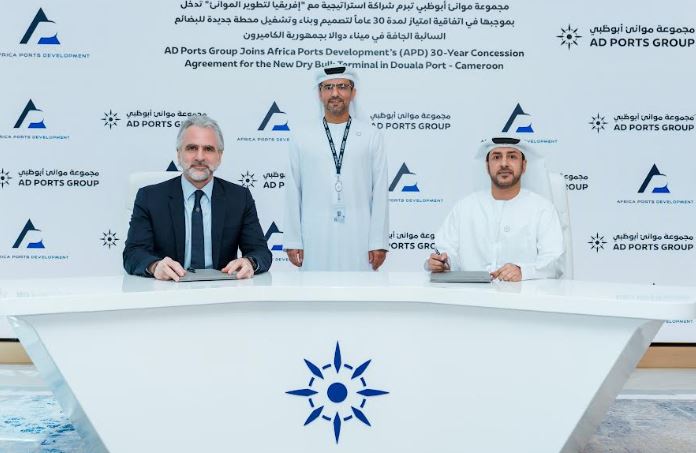
  • AD Ports Group Joins Africa Ports Development’s (APD) 30-Year Concession for the New Dry Bulk Terminal in Douala Port – Cameroon

    Abu Dhabi, UAE – Feb 12: AD Ports Group (ADX: ADPORTS), a leading global enabler of trade, logistics, and industry solutions, has joined Africa Ports Development’s (APD) 30-year concession to design, build and operate a new dry bulk terminal at the Port of Douala in the Republic of Cameroon.

    The agreement establishes an investment structure, in which AD Ports Group together with two other UAE investors own 60% of the operating company alongside Africa Ports Development LTD’s 40% ownership, implying an effective economic interest of 51% for AD Ports Group.

    Based on the ownership of this investment structure AD Ports Group’s share of investment is expected to be around AED 320 million (EUR 73.4 million), for the development of phase 1 of the dry bulk terminal, which comprises 2 berths and approximately 450 metres of quay wall, with an annual handling capacity of around 4 million tonnes of dry bulk cargo, such as clinker, gypsum, fertiliser, and grain.

    Construction is expected to take place between 2026 and 2028, in close collaboration with the Port Authority of Douala, to address strong and sustained demand at Cameroon’s principal maritime gateway. 

    Mohamed Eidha Al Menhali, Regional CEO – AD Ports Group, said: “This agreement represents a strategically important expansion of AD Ports Group’s presence in Africa and reinforces our commitment to developing high-impact maritime infrastructure in high-growth markets, in line with the vision of our wise leadership. The Douala dry bulk terminal will enhance trade resilience, support industrial development, and strengthen Cameroon’s role as a gateway to Central Africa.”

    Al Menhali added: “Through our partnership with Africa Ports Development, we are combining local market expertise with AD Ports Group’s global capabilities in port development and operations to support the Port Authority of Douala’s plans to modernise and enhance Douala Port, enabling regional trade and long-term economic growth. We commend the Port Authority for the significant progress achieved in recent years, which has driven strong growth in Cameroon’s maritime sector, and we look forward to contributing further to its long-term development ambitions.


    Marc Tabchy, Managing Partner of Africa Ports Development, said: “We are honoured to bring this partnership to life with AD Ports Group, a global reference that shares our firm belief in this project, in Cameroon, and in the potential of the African continent. Building upon the opportunity provided by the Port Authority of Douala’s modernisation and specialisation initiatives, this collaboration establishes a strategic synergy combining our group’s ambition and regional depth with AD Ports Group’s operational excellence.”


    Located at the Port of Douala, the largest maritime port in Cameroon, which handles the majority of the country’s bulk imports, and serves as a critical transit hub for landlocked Central African markets, the new terminal will strengthen regional supply chains and enhance the efficiency of key cargo flows. The new terminal will also benefit from strong hinterland connectivity, linking Douala with major industrial centres and regional trade corridors across Central Africa.

    AD Ports Group continues to expand its footprint across Africa, building on established investments and operations in Egypt, Morocco, Tunisia, Kenya, Tanzania, Angola, and the Republic of the Congo, reinforcing its position as a preferred partner for trade, logistics, and trade-enabling infrastructure across the continent.

  • Marriott International’s Asia Pacific Excluding China Region Reports Exceptional Growth and Development Momentum in 2025

    Feb 12: Marriott International, Inc today announced that its Asia Pacific excluding China (APEC) region delivered another outstanding year of growth and strategic expansion in 2025, marking the region’s third consecutive year of record-breaking development activity. The performance reflects strong intra-region travel demand and continued confidence from owners and developers across diverse markets.

    “Our record performance in 2025 underscores the strength of Marriott’s growth engine across the region and the enduring confidence our hotel owners place in our brands and operating platform. Sustained intra-regional and international travel demand and a diversified portfolio have enabled us to scale with purpose across markets, segments and development models”, said Rajeev Menon, President, Asia Pacific excluding China, Marriott International. “As we expand into emerging destinations and accelerate conversions and multi-unit agreements, we remain focused on delivering long-term value for owners while creating compelling experiences that resonate with today’s travelers.”

    Record Development Activity and Pipeline Expansion

    APEC delivered its third consecutive year of record development signings, with 187 organic deals representing more than 28,000 rooms signed in 2025, a 32% year-over-year increase. Underscoring strong owner confidence in Marriott’s diverse brand portfolio and operating platform, the region closed the year with more than 400 hotels and over 86,000 rooms in the development pipeline.

    Conversions continued to be a key growth engine, accounting for 35% of total signed deals, reinforcing Marriott’s value proposition for owners seeking speed-to-market and access to a powerful global distribution ecosystem. Multi-unit agreements also contributed significantly, representing close to 30% of total signings, reflecting growing appetite for owners to scale portfolios across markets and brand segments with a single hospitality platform.

    The top five growth markets in APEC with the highest number of signings in 2025 were India, Thailand, Vietnam, Malaysia and Japan. India saw the most signings with a record 99 deals representing over 12,000 rooms.

    In 2025, Marriott introduced Series by Marriott™ through a founding multi-unit deal in India. The deal resulted in the conversion of 26 hotels to the brand in a single day, adding approximately 1,900 rooms to its portfolio overnight. As of end-2025, the brand has 37 open properties (approximately 2,600 rooms) in 23 cities across India. Operating as Fern Hotels & Resorts, Series by Marriott, the portfolio marks the brand’s inaugural global debut, showcasing a collection of eco-sensitive hotels rooted in sustainability and regional charm, and underscoring Marriott’s ability to scale locally resonant brands at speed.

    Brand Momentum Across Segments

    Luxury remained a strategic focus in 2025 and accounted for approximately 19% of 2025 organic rooms signings, with JW Marriott, The Ritz-Carlton and Luxury Collection seeing the highest number of signed deals. Insights from Marriott’s Intentional Traveler research continue to point to sustained long-term demand among affluent travelers, who increasingly prioritize wellness, personalization and purpose-driven experiences.

    The company strengthened its luxury pipeline in urban and resort destinations, with key luxury signings in 2025, including:

    • JW Marriott Hotel Johor Bahru (est. 2027 opening) – this signing marks the brand’s anticipated arrival in Malaysia’s southern state. The property is set to play a pivotal role in Johor Bahru’s emergence as a dynamic destination for discerning global travellers.
    • Pottuvil, a Ritz-Carlton Reserve (est. 2032 opening) – expected to debut in Sri Lanka along its pristine eastern coast, this highly exclusive property underscores the company’s focus on untapped destinations, offering deeply immersive experiences rooted in nature, culture, and place.
    • The Ritz-Carlton, Fiji, Namuka Bay (est. 2032 opening) – a brand debut in Fiji, anticipated to expand Marriott’s presence in the destination and mark the company’s entry into the Coral Coast.
    • Fraser’s House, a Luxury Collection Hotel, Singapore (opened in January 2026) –, this marks the second Luxury Collection hotel in Singapore, enriching the brand’s footprint in the city with a distinctive blend of heritage, design, and modern luxury.

    Marriott’s diversified brand portfolio also fueled growth across midscale and lifestyle segments. The successful introduction of Series by Marriott in India and continued momentum for Four Points Flex by Sheraton underscore Marriott’s strategy of scaling flexible, design-forward brands across the region to meet evolving traveler needs.

    Milestone Portfolio Expansion and Emerging Destinations

    In 2025, Marriott opened 109 properties across the region and marked a major portfolio milestone with the opening of its 700th APEC property, Legacy Mekong, Can Tho, Autograph Collection. Set on a private islet in Vietnam’s Mekong Delta, the opening underscores Marriott’s strategy of expanding beyond traditional gateway cities into culturally rich, high-growth emerging destinations. By the close of 2025, Marriott had more than 730 open properties across 22 countries in APEC, spanning 27 brands. Several notable openings during the year marked brand debuts in both established and emerging markets, reinforcing Marriott’s commitment to diversifying its portfolio, capturing new demand drivers, and delivering distinctive, locally inspired experiences across the region. Some key openings include:

    • The Laurus, a Luxury Collection Resort (Oct 2025) – marked the brand’s entry into Singapore, strengthening Marriott’s presence in one of Asia’s premier travel and business hubs.
    • The Halcyon Private Isles Maldives, Autograph Collection (Oct 2025) – debuted in the Maldives, a world-renowned resort destination, offering two private islands to capture demand for seclusion and experiential stays.
    • The Farm at San Benito, Autograph Collection (Dec 2025) – a wellness-oriented resort that represents the brand’s debut in the Philippines, aligning with the rising demand for experiential and wellness tourism.
    • Moxy Kathmandu (Dec 2025)- a lifestyle brand debut in Nepal, tapping into the growing demographic of younger travelers drawn by cultural and adventure travel in emerging destinations.

    With a robust development pipeline, strong intra-region demand trends and a diversified portfolio spanning luxury, premium, select service, and midscale segments, Marriott’s APEC region enters 2026 well positioned to continue delivering growth and long-term value for owners and guests.

  • Rolls-Royce to scale-up investment, jobs and supply chain sourcing in India

    NEW DELHI|Feb 12: Rolls-Royce (LSE: RR., ADR: RYCEY) today announced its intention to scale-up its business in India to support future programmes and partnerships across defence, civil aviation and energy. The company’s ambition is to make India a strategic home market, supporting the country’s Viksit Bharat vision for national security and deterrence, energy resilience, infrastructure development and air connectivity.

    Rolls-Royce is currently exploring opportunities in India that include the potential co-development of a next-generation combat jet engine; as well as partnerships to localise and manufacture engines for the Indian Army, Navy and Coast Guard and potentially power solutions for critical infrastructure and industry. These initiatives could more than double the size of the workforce that supports Rolls-Royce and its partners, to approximately 10,000 people in India.

    Rolls-Royce believes the opportunities it is looking to secure could lead to a ten-fold increase in the company’s supply chain sourcing from India, a move which would nurture and benefit many small and medium sized enterprises (SMEs).

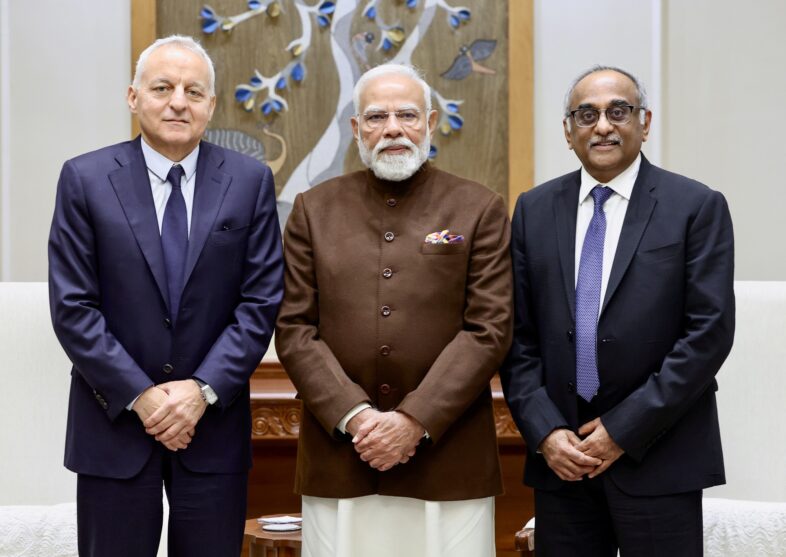
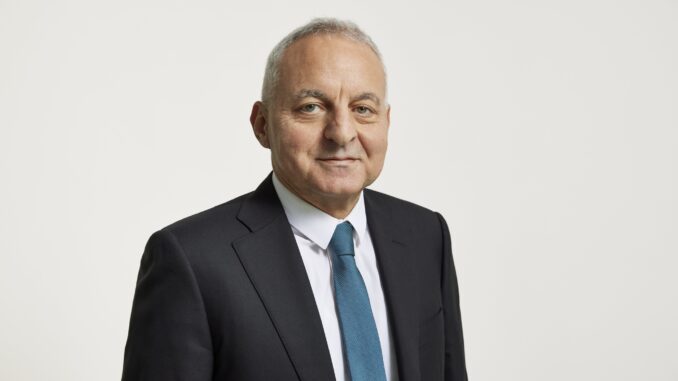
    Tufan Erginbilgic, Rolls-Royce Chief Executive Officer, met the Hon’ble Prime Minister of India, Shri Narendra Modi, in New Delhi today to discuss the company’s desire to be part of Viksit Bharat and how its advanced technologies can support India’s growth plans and Atmanirbhar journey in critical sectors of the economy.


    Speaking about the company’s plans, Tufan Erginbilgic, CEO, Rolls-Royce plc, said:

    “Our ambitions for India are built on the strong foundations of our decades-long presence in the country, our growing footprint, our deep industry partnerships, and our competitively advantaged technologies. As we grow our participation in programmes across India’s defence, aviation and energy sectors, we will expand our ecosystem in India, as we have done successfully in other countries.

    We are determined to partner India on its Atmanirbhar journey, by developing indigenous propulsion capabilities, providing sustained power to critical infrastructure and industry, and expanding local manufacturing for global supply chains. We believe our unique portfolio of advanced capabilities can help us grow our presence and partnerships further, to power, protect and connect India for decades to come.”

    Today’s announcement builds on a pivotal year for India–UK strategic cooperation and the India-UK Vision 2035 roadmap for deeper bilateral industrial and defence collaboration. As India advances its next generation military capabilities, Rolls-Royce with the UK Government, has offered to co-develop a 120 kN class combat jet engine core that could be India’s fastest route to an indigenous next-generation engine. The co-development will provide full technology transfer with IP ownership for India, supported by a dedicated design complex and manufacturing capabilities that will unlock significant job creation.

    Rolls-Royce in India

    • More than 1,400 Rolls-Royce engines are currently powering various defence platforms such as the Jaguar combat aircraft and Hawk trainers of the Indian Air Force and Navy; the Arjun Main
    • Battle Tanks of the Army, and a variety of vessels and submarines of the Indian Navy and Coast Guard including the prestigious Anti-Submarine Warfare Shallow Watercrafts and the P17 Alpha frigates
    • The company also provides mission-readiness support and service capabilities for its MTU engines and gensets, and works in close partnership with HAL to support in-service aero engines.
    • Today, more than 4,000 people work across the Rolls-Royce ecosystem in India, including 2,800 engineers who contribute to global programmes across its businesses. The company’s long-standing industrial footprint includes its manufacturing joint ventures with HAL and Force Motors as well as sourcing partnerships with over 100 different vendors including Tata, Bharat Forge, Godrej, Azad Engineering and many small and medium sized enterprises (SMEs)
    • Rolls-Royce recently inaugurated its newly expanded Global Capability and Innovation Centre in Bengalaru, which houses digital capabilities, enterprise services, and engineering teams supporting its Civil Aerospace and Defence divisions. Positioned to become the company’s largest capability hub, the centre serves global corporate functions while advancing digital and engineering expertise
    • Engineering talent in India is already supporting the drive for a self-reliant India, having helped design parts of the Trent XWB engines that power Airbus A350 aircraft, which were recently ordered by Air India and IndiGo. Teams in Pune have also done significant work to make Rolls-Royce’s portfolio of MTU marine engines compatible with alternate fuels
    • The company’s International Aerospace Manufacturing Private Limited (IAMPL) joint venture, meanwhile, is supporting the Government’s ‘Make in India for India and the world’ project with factories in Bengaluru and Hosur having developed the capability and competence necessary to manufacture 160 high precision aero-engine parts for the global market. IAMPL is likely to play a key role as Rolls-Royce scales up its supply chain requirements.
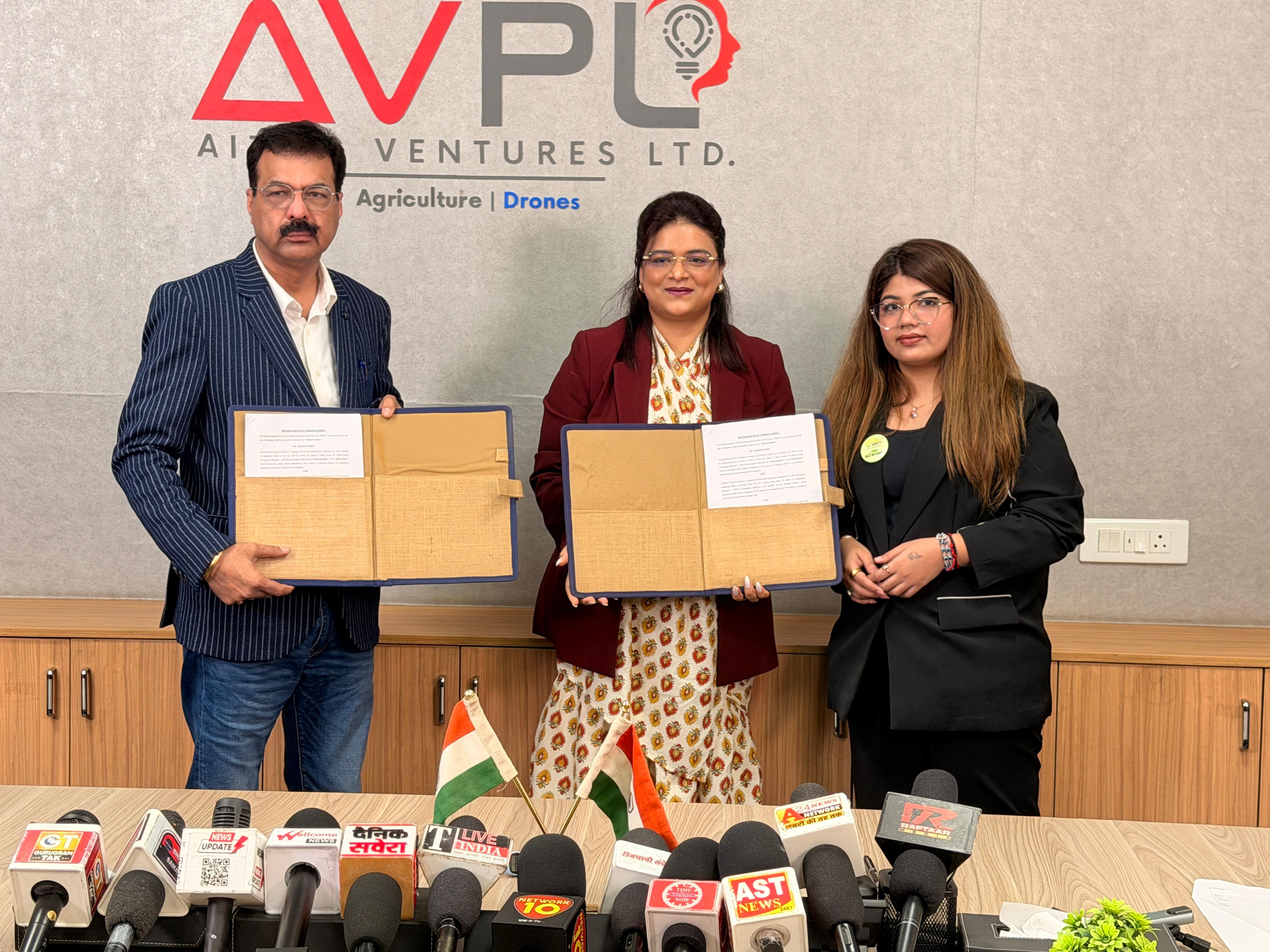
  • AITMC Ventures and Victory International Join Hands to Build Pan-India EV Charging Infra and Entrepreneurship Ecosystem

    Gurugram, Feb 12: Gurugram-based Startup Stairs Private Limited, AITMC Ventures Limited (AVPL) and Victory Electric Vehicles International Limited today announced a strategic partnership to build a nationwide, franchise-led ecosystem focused on electric vehicle (EV) charging infrastructure, skilling, manufacturing and entrepreneurship.

    The collaboration establishes a structured and exploratory framework to evaluate large-scale EV skilling, infrastructure deployment and employment-linked entrepreneurship initiatives across India. The partnership brings together Startup Stairs’ incubation and ecosystem-building platform, AVPL’s skilling and infrastructure footprint, and Victory International’s EV technology and manufacturing expertise.

    Strengthening EV Skilling Through ITIs and Centres of Excellence

    As part of the initiative, the partners will evaluate the establishment of EV-focused training centres across approximately 70 Industrial Training Institutes (ITIs) and allied facilities nationwide. The objective is to equip youth and technicians with industry-aligned EV service, maintenance and charging infrastructure skills.

    AVPL will provide access to its existing and upcoming Centres of Excellence across states to support large-scale skilling delivery, while aligning training programmes with practical industry requirements. Pilot and proof-of-concept programmes will be rolled out in phases to assess scalability and regional demand.

    Skill-to-Income Pathways Through Franchise Enablement

    A core pillar of the partnership is to ensure that skilling translates into tangible livelihood outcomes. Upon successful completion of EV training programmes, candidates will be evaluated for participation in a structured franchise-led ecosystem designed to promote self-employment and first-generation entrepreneurship.

    The proposed franchise formats are being evaluated at ₹5 lakh and ₹10 lakh investment levels, enabling trained individuals to establish:

    ●       EV charging centres

    ●       EV dealer service centres

    ●       EV dealerships

    This integrated model is aimed at creating a clear pathway from training to income generation, addressing workforce readiness and unemployment within the rapidly expanding EV sector.

    Domestic Manufacturing at AVPL Future Tech Park

    Manufacturing of EV AC/DC chargers, batteries and allied components will be undertaken in phases at AVPL’s Future Tech Park in Sisai, Hisar. The facility will anchor domestic production capabilities aligned with the Government of India’s Aatmanirbhar Bharat vision while supporting the deployment of franchise-led EV infrastructure across multiple regions.

    Victory International will lead the technical design, manufacturing setup, quality systems and franchise operations in line with applicable regulatory norms. Startup Stairs will support ecosystem structuring, institutional coordination and entrepreneur onboarding.

    Dr Preet Sandhu, Founder and Managing Director, AITMC Ventures Limited (AVPL), reflecting on this partnership, said “At AVPL, we believe skilling must translate directly into employment and entrepreneurship aligned with real industry demand. Having built strong capabilities in drone skilling and infrastructure, we are now expanding this vision into the EV and battery sectors. Through Startup Stairs, we aim to create structured skill-to-income pathways that enable youth and innovators to build sustainable ventures in EV charging and allied infrastructure. This partnership strengthens our commitment to developing future-ready talent while supporting India’s clean energy and Aatmanirbhar Bharat goals.”

    Phased Rollout and Implementation Framework

    The collaboration will be implemented in phases, beginning with pilot programmes, institutional alignment and franchise onboarding in selected regions. All infrastructure deployment, commercial arrangements and operational activities will be subject to separate definitive agreements and regulatory approvals, in line with the structured MoU framework

    Mr. Sanjay Poply, Managing Director, Victory Electric Vehicles International Limited, also added

    “Skill development must lead to tangible economic outcomes. Through this collaboration, we are focused on building a job-ready EV workforce trained in service, maintenance and charging infrastructure, while also enabling entrepreneurship through structured franchise models. By integrating ITI-based training with real business opportunities, we aim to accelerate India’s electric mobility transition and create sustainable livelihood pathways at scale.” The collaboration will be rolled out in phases, with pilot programmes, franchise onboarding and manufacturing activities expected to commence in the coming months, subject to definitive agreements and regulatory approvals.

  • BASF to further strengthen Global Business Services through global Hub setup

    Feb 12: BASF advances the transformation of its Global Business Services organization, aiming to take the next step to secure long-term cost competitiveness, resilience, and consistent service delivery for its businesses worldwide.

    To better meet the evolving needs of BASF’s businesses and significantly improve cost efficiency, Global Business Services intends to bundle Finance and HR services in a new global Hub in India. Supply Chain-related services are intended to be consolidated at the established Hub in Kuala Lumpur, Malaysia. Activities that must remain close to operations will continue to be delivered regionally or locally. This initiative is part of a broader transformation aimed at creating a consolidated service portfolio, driving standardization and automation more effectively, and leveraging cost-efficient locations.

    “With this step, we plan to systematically strengthen Global Business Services to support BASF’s strategy with the most competitive services structures,” says Dr. Dirk Elvermann, Chief Financial Officer and Chief Digital Officer, BASF SE. “Bundling services into scalable global Hubs is targeting to be a cornerstone for reliable internal service delivery while ensuring long term cost competitiveness.”

    The existing regional Hubs in Berlin (Germany), Kuala Lumpur (Malaysia), and Montevideo (Uruguay) will continue to deliver services where bundled on a regional level. “Global Business Services has always thrived on an entrepreneurial spirit – finding smart solutions, adapting quickly, and supporting BASF with a strong service mindset. As we take this next step, early and transparent communication is essential to us,” says Tobias Dratt, President of Global Business Services, and adds: “The upcoming project gives us the opportunity to build a more agile, fit-for-purpose organization that continues to unlock value for BASF’s businesses.” Further details are being developed. The involvement of the respective employee representatives will be ensured timely in accordance with local laws and regulations.

    BASF’s Global Business Services consists of around 8,500 employees and delivers services out of various legal entities and three regional Hubs (Berlin/Germany, Kuala Lumpur/Malaysia and Montevideo/Uruguay) to BASF’s businesses worldwide, including Finance, Logistics, Human Resources, Communication, Regulatory and Intellectual Property as well as EHSQ.

  • Synergy Marine Group Assumes Technical Management of Yang Ming’s LNG Dual-Fuel Container Vessels

    New Delhi, Feb 12: Synergy Marine Group has assumed technical management of YM WILLPOWER and YM WORTHINESS, two newly delivered 15,500 TEU LNG dual-fuel container vessels owned by Yang Ming Marine Transport Corporation. Built by Hyundai Heavy Industries in Ulsan, South Korea, the sister vessels form part of Yang Ming’s fleet modernisation programme and reinforce the liner’s long-term operational and environmental objectives.

    Under Synergy’s technical management, the vessels are supported by experienced global shore teams and seafarers trained in LNG-fuelled operations. The scope of management includes crewing, maintenance, safety management systems and performance monitoring, with a clear focus on safe fuel handling and regulatory compliance.

    YM WILLPOWER commenced her inaugural voyage on 8 February, joining Yang Ming’s MD2 service connecting Asia and the Mediterranean. Both vessels are managed in accordance with the International Safety Management (ISM) Code under a Document of Compliance held by Synergy Onyx in Pune. Operational oversight is provided from India on a 24/7 basis, supported by Indian shore teams and Indian seafarers trained for LNG dual-fuel operations, aligning with Yang Ming’s strategy to lower emissions while maintaining high service reliability across its global network.

    Ajay Chaudhry, Co-CEO – Ship Management, Synergy Marine Group, said,

    “Managing LNG dual-fuel container vessels requires preparation, technical competence and sound judgement. India is strengthening its capabilities across training, systems and oversight to support modern fleets. As the sector looks ahead over the coming decades, including India’s broader Amrit Kaal horizon, these strengths across people and infrastructure will remain important to global shipping.”

    Jesper Kristensen, Group CEO, Synergy Marine Group, added,

    “India’s role in global shipping today extends well beyond crewing. The combination of skilled seafarers, strong shore-based oversight and growing technical infrastructure is supporting some of the most advanced vessels in service. For us, this reflects how India’s maritime capability has evolved and why it will continue to play a meaningful role in global ship management.”

    Each vessel is equipped with high-pressure LNG dual-fuel main engines, enabling operation on liquefied natural gas as well as conventional marine fuel. In addition to dual-fuel propulsion, the vessels feature energy-efficient hull forms and advanced automation and monitoring systems, supporting Yang Ming’s focus on operational efficiency and environmental performance.

    Headquartered in Singapore, Synergy Marine Group has a significant operational presence in India, with offices across seven cities. More than 70% of its 28,000 seagoing workforce and nearly 85% of its 3,000 shore-based employees are Indian nationals. The Group is also the largest third-party manager of Indian-flagged vessels. Its maritime training infrastructure includes Centres of Excellence in Delhi, Mumbai and Chennai, supporting technical development and operational readiness across sea and shore roles.

    The addition of YM WILLPOWER and YM WORTHINESS further strengthens Synergy’s presence in alternative-fuel vessel management, while aligning with Yang Ming’s measured approach to modernising its global container fleet.