Category: Business

  • Urban Transformation on Rails: India’s Expanding Metro Network

    Metro Momentum: How India’s Rail Expansion Is Transforming Urban Mobility

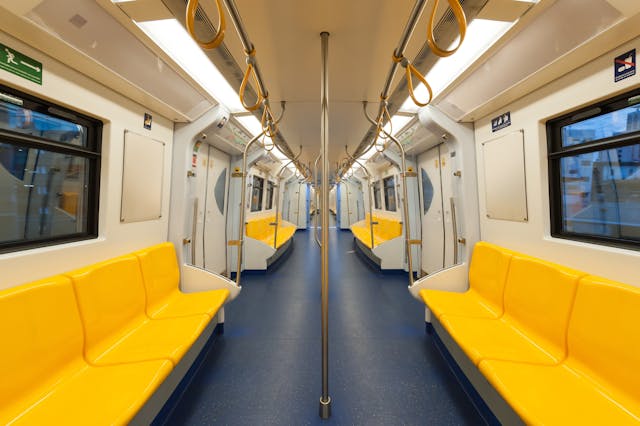
    Pic Credit: Pexel

    India’s cities are in the midst of a quiet but transformative mobility revolution. Beneath busy streets and along rising elevated corridors, metro rail systems are reshaping the daily movement of millions of people. What was once limited to a few major metropolitan areas has rapidly expanded into a nationwide urban transport strategy.

    Over the past decade, metro rail development has emerged as one of the most ambitious infrastructure initiatives in India’s urban history. As cities grapple with population growth, traffic congestion, and environmental challenges, mass rapid transit systems are increasingly being seen as the backbone of sustainable urban mobility.

    More than just a transportation solution, the metro boom is redefining how cities function—improving economic efficiency, easing financial pressure on households, and helping urban centers move toward a cleaner and more organized future.

    A Decade of Rapid Expansion

    India’s metro network has expanded dramatically since 2014, reflecting a major policy shift toward modern public transport infrastructure. In this period, 38 metro rail projects covering about 1,051 kilometres have been sanctioned, representing an estimated investment of ₹3.44 lakh crore.

    Government support for metro infrastructure has also grown significantly. Annual allocations for metro rail projects have risen from ₹5,798 crore in 2013–14 to nearly ₹29,550 crore in 2025–26, highlighting the scale of commitment to transforming urban transport systems.

    The results of this investment are increasingly visible across the country. Metro services now operate in over two dozen Indian cities, compared to only a handful a decade ago. New lines, extensions, and construction projects continue to expand connectivity, linking residential areas with business districts, educational institutions, and commercial hubs.

    This rapid expansion has positioned India among the fastest-growing metro rail markets in the world.

    Reducing the Cost of Urban Living

    While metro systems are often celebrated for engineering and infrastructure achievements, their most meaningful impact can be seen in the everyday lives of urban commuters.

    Transportation is a major expense for many city households. Dependence on private vehicles, taxis, and auto-rickshaws can make commuting costly and unpredictable. Metro rail systems offer a reliable and affordable alternative, significantly reducing daily travel costs.

    For millions of commuters, metro travel provides a stable and economical means of transportation. The predictability of fares and travel times allows families to better manage their monthly budgets.

    Time savings are another crucial benefit. Faster travel means workers spend less time stuck in traffic and more time at home, at work, or pursuing personal activities. In this way, metro connectivity not only improves mobility but also enhances quality of life.

    Moreover, efficient transit expands access to employment opportunities. Workers can travel across longer distances quickly, allowing them to seek better jobs in different parts of the city without relocating.

    Fueling Urban Economic Growth

    Metro rail networks are increasingly becoming powerful drivers of urban economic development.

    Large-scale construction projects generate employment and stimulate demand in industries such as steel, cement, engineering, and technology. The economic ripple effects extend far beyond the transportation sector.

    Once operational, metro corridors often become focal points for new commercial and residential development. Retail centers, office spaces, and housing projects frequently emerge around stations, creating vibrant economic zones.

    Urban planners are also embracing transit-oriented development, which encourages high-density mixed-use neighborhoods near metro stations. This model promotes efficient land use, reduces dependence on private vehicles, and strengthens urban economic ecosystems.

    Improved connectivity benefits businesses as well. Companies gain access to a larger workforce, while customers can reach commercial districts more easily.

    Advancing Environmental Sustainability

    India’s urban areas face growing environmental challenges, particularly rising air pollution and traffic congestion. Metro rail systems play an important role in addressing these concerns.

    Unlike most road transport, metro trains operate on electric power and produce significantly fewer emissions. As more commuters shift from cars and motorcycles to metro systems, cities benefit from reduced fuel consumption and lower greenhouse gas emissions.

    Fewer vehicles on the road also mean less congestion, improved traffic flow, and quieter urban environments.

    These environmental advantages align with broader national goals of building sustainable cities and reducing carbon emissions. In this context, metro systems are not only transport infrastructure but also key components of India’s climate and sustainability strategy.

    The Future of Urban Mobility

    Despite impressive progress, India’s metro journey is still evolving. With urban populations continuing to grow rapidly, the demand for efficient public transport will only increase.

    Future development will likely focus on expanding metro coverage, improving integration with buses and suburban rail networks, and strengthening last-mile connectivity through shared mobility and electric transport options.

    Innovative transit models designed for smaller cities are also being introduced, ensuring that modern rapid transit systems are not limited to major metropolitan centers.

    At the same time, technological advancements such as integrated ticketing systems and smart mobility cards are helping create seamless travel experiences across multiple transport modes.

    Reimagining Indian Cities

    The rapid rise of metro rail systems represents far more than an infrastructure expansion. It reflects a broader transformation in how India imagines the future of its cities.

    Efficient public transport has the potential to reshape urban lifestyles—reducing commute times, improving air quality, and making cities more accessible for millions of residents.

    Metro networks influence patterns of development, guide the growth of neighborhoods, and strengthen the economic vitality of urban centers.

    As new lines continue to emerge across the country, metro rail is gradually redefining the pace and structure of urban life in India.

    In many ways, the metro revolution is not just about trains and tracks—it is about building cities that are smarter, greener, and better connected for the generations to come. 🚇🏙️

     
  • Sheraton Hyderabad Brings Karaikudi’s Boldest Table to the City

    Hyderabad, Mar 16 This March, Sheraton Hyderabad is turning up the heat, quite literally. Feast, the hotel’s all-day dining restaurant, will host the Karaikudi Food Festival from March 18 – 22, 2026, bringing one of India’s most distinctive and least-diluted regional cuisines to the heart of the city. At the helm is Chef Athi Lakshmi, a home chef from Madurai whose cooking is as rooted in tradition as the recipes themselves.

    There are few cuisines in India as unapologetically bold and layered as the food from Karaikudi. Nestled in the Sivaganga district of Tamil Nadu, Karaikudi is the cultural heart of the Chettiar community, a merchant clan historically known for their trade routes, grand mansions, and, above all, their extraordinary food. Chettinad cooking is defined by a generous hand with freshly ground spices like kalpasi (black stone flower), marathi mokku (dried flower pods), star anise, pepper, and sesame oil, many of which are native to the region and rarely found in other Indian cuisines. The result is food that is deeply aromatic, layered in heat and fragrance and unlike anything that can be replicated with shortcuts.

    Chef Athi Lakshmi with an array of traditional Karaikudi ingredients

    Chef Athi Lakshmi carries that philosophy into everything she cooks. Deeply rooted in the culinary traditions of South Tamil Nadu, she has spent years mastering the bold gravies, hand-pounded masalas, and slow-cooked preparations that define this cuisine. For her, cooking is not just about feeding people.

    “For me, food has never been just nourishment. Every dish I cook is a celebration of culture, of tradition, of love. I want every plate at Hyderabad to carry that same authenticity and pride,” says Chef Athi Lakshmi.

    At Feast, guests can expect a spread that does full justice to the Karaikudi table: Chettinad Chicken, Karaikudi Mutton Chops, Kola Urundai, Pepper Crab, Kuzhi Paniyaram, Vazhai Poo Vadai, and a traditional Chettinad Vegetable Curry served alongside rice and dosa. The restaurant will be dressed in a Karaikudi-themed setup with think textures, colours, and details that draw from the region’s visual identity, making the experience as atmospheric as it is delicious.

    For a cuisine that has quietly influenced Indian cooking for centuries without ever quite getting the spotlight it deserves, this festival is a long overdue moment. Hyderabad, a city that takes its food seriously, is perhaps the perfect stage for it.


  • International Food and Hospitality Fair AAHAR 2026 Concludes at Bharat Mandapam; Over 1.5 Lakh Visit Five-Day International Food & Hospitality Exhibition

    International Food and Hospitality Fair AAHAR 2026 Concludes at Bharat Mandapam; Over 1.5 Lakh Visit Five-Day International Food & Hospitality Exhibition


    New Delhi, 15 March 2026

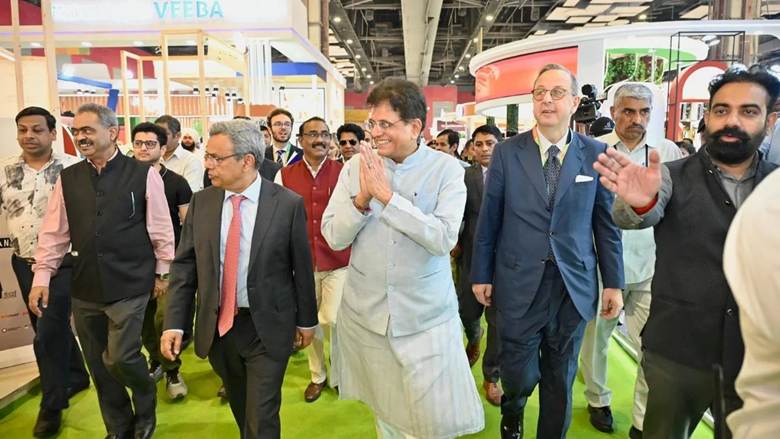
    The 40th edition of AAHAR 2026, the International Food & Hospitality Fair, concluded on Saturday at Bharat Mandapam in New Delhi, drawing strong participation from industry stakeholders, global exhibitors and buyers, further reinforcing its position as one of Asia’s leading B2B platforms for the food processing and hospitality sectors.

    The exhibition witnessed over 1.5 lakh visitors, significantly exceeding the pre-event estimate of over one lakh visitors and facilitated more than 2,800 B2B meetings between exhibitors and buyers from India and overseas. AAHAR 2026 witnessed participation from over 1,800 exhibitors from 17 countries, including 155 international exhibitors, showcasing a wide range of food products, processed foods, beverages, food processing technologies, packaging solutions and hospitality equipment

    Organised by the India Trade Promotion Organisation (ITPO) under the Ministry of Commerce and Industry in association with the Ministry of Food Processing Industries (MoFPI), AAHAR 2026 was inaugurated on 10 March 2026 by Union Minister of Commerce and Industry Shri Piyush Goyal and ran through 14 March 2026.

    Speaking on the conclusion of the exhibition, Shri Javed Ashraf, Chairman, ITPO, said:

    “AAHAR continues to serve as an important platform for the food processing and hospitality industry, bringing together producers, exporters, technology providers and global buyers. The strong participation reflects the growing opportunities in India’s food sector and the increasing interest in partnerships and trade. Initiatives such as AAHAR support the vision of positioning India as a global hub for processed food by promoting innovation, encouraging MSMEs and generating employment across the sector.”

    Spread across approximately 1,15,000 square metres, the exhibition brought together leading brands, exporters, technology providers, industry associations and institutional participants from India and abroad, making it one of the most comprehensive platforms for the sector.

    .

    The exhibition also provided a significant platform for MSMEs and start-ups, enabling them to showcase innovative products and technologies while connecting with domestic and international buyers. Several emerging enterprises utilised the platform to explore partnerships, expand market access and strengthen their presence in global value chains.

    For the first time, Italy participated as the Partner Country at AAHAR 2026. Country pavilions from Australia, Brazil, Canada, Chile and Thailand attracted significant visitor interest. Companies from Belgium, China, Finland, France, Germany, Japan, South Korea, Spain, Taiwan, the United Kingdom and Vietnam also took part in the exhibition.

    Special industry pavilions including the APEDA Pavilion, MoFPI Pavilion, Foreign Participation Pavilion, ICMA Pavilion and FIFI Pavilion highlighted export-oriented products, technological innovations and emerging trends in the food processing and hospitality sectors.

    The exhibition also featured several special events such as Culinary Art India 2026, the Hospitality Challenge, industry seminars and interactive sessions, providing opportunities for knowledge sharing, skill demonstration and industry networking.

    The AAHAR 2026 Official Mobile App recorded over 20,000 downloads, reflecting strong digital engagement from visitors, buyers and exhibitors during the exhibition. Additional facilities such as registration counters, cloak rooms and air-conditioned food courts were also provided to ensure a seamless visitor experience.

    For the first time, the exhibition was also opened to general visitors during the last two days, which witnessed enthusiastic participation from individuals interested in the food processing industry, hospitality technologies and emerging food businesses.

    Over the past four decades, AAHAR has evolved into one of Asia’s leading B2B exhibitions for the food processing and hospitality industry, providing a vital platform for Indian enterprises, exporters and global companies to connect, collaborate and explore new trade opportunities.

    The next edition of AAHAR will be held from 2–6 March 2027.

     
  • PM Mudra Yojana Offers Collateral-Free Loans up to Rs.20 Lakh to Small Entrepreneurs

    New Delhi: The Pradhan Mantri Mudra Yojana (PMMY), launched in 2015 to support small businesses and entrepreneurs, provides collateral-free loans of up to ₹20 lakh through banks and financial institutions, the government informed Parliament.

    According to information provided by the Department of Financial Services (DFS), the scheme was launched on April 8, 2015, to extend credit support to small enterprises engaged in manufacturing, trading, services and agriculture-allied activities. Loans under the scheme are provided by Member Lending Institutions, including Scheduled Commercial Banks, Non-Banking Financial Companies and Micro Finance Institutions.

    Individuals with viable business plans for small enterprises are eligible to apply for loans under the scheme. The loans are categorised into four segments based on the amount required.

    Under the Shishu category, loans of up to ₹50,000 are provided, while the Kishor category covers loans above ₹50,000 and up to ₹5 lakh. The Tarun category offers loans above ₹5 lakh and up to ₹10 lakh.

    To encourage successful borrowers, the government introduced a new category called Tarun Plus from October 24, 2024. Under this category, entrepreneurs who have successfully repaid their earlier loans under the Tarun category can avail collateral-free loans ranging from ₹10 lakh to ₹20 lakh.

    The scheme has played an important role in supporting small businesses, traditional enterprises, handicrafts and agriculture-allied activities. It has also helped women entrepreneurs who often face challenges in accessing credit due to lack of collateral or credit history.

    To simplify the loan application process and ensure timely disbursal, the government has also launched digital platforms such as the Jan Samarth portal, which integrates multiple credit-linked schemes and enables applicants to apply for loans through a self-service or assisted process.

    This information was provided by Minister of State for Micro, Small and Medium Enterprises Shobha Karandlaje in a written reply in the Lok Sabha on March 12, 2026.

  • MSME Ministry Completes 364 MSE-CDP Projects; SFURTI Scheme Strengthens Traditional Industry Clusters

    New Delhi: The Ministry of Micro, Small and Medium Enterprises (MSME) has completed 364 projects under the Micro and Small Enterprises–Cluster Development Programme (MSE-CDP), aimed at enhancing productivity and competitiveness of micro and small enterprises across the country.

    The MSE-CDP scheme focuses on establishing Common Facility Centres (CFCs) and creating or upgrading infrastructure facilities in existing industrial clusters. These initiatives provide financial support to improve technology access, production capacity and overall efficiency of micro and small enterprises.

    Since the inception of the scheme, a total of 606 projects have been approved by the Ministry. Of these, 364 projects have been completed while 242 projects are currently under implementation.

    Meanwhile, the Scheme of Fund for Regeneration of Traditional Industries (SFURTI) has also made significant progress in promoting cluster-based development and strengthening traditional industries.

    According to the Ministry, 513 clusters have been approved across the country since 2015-16 under the SFURTI scheme, with a total committed assistance of ₹1,332.95 crore from the Government of India. These clusters are expected to benefit around 3.03 lakh traditional artisans engaged in sectors such as handicrafts, handloom, agro-processing, coir, honey and other related activities.

    Out of the total clusters approved, 378 clusters are currently functional, while 135 clusters are at different stages of implementation.

    Officials said the initiative has contributed to infrastructure development, skill enhancement, value addition and improved market linkages for traditional artisans at the grassroots level.

    The schemes are part of the government’s broader efforts to promote rural entrepreneurship, strengthen traditional industries and generate sustainable livelihoods for artisans across the country.

  • Union Minister of Coal and Mines G. Kishan Reddy Inaugurates Key Projects, Reviews Operations at WCL

    Union Minister of Coal and Mines G. Kishan Reddy Inaugurates Key Projects, Reviews Operations at WCL

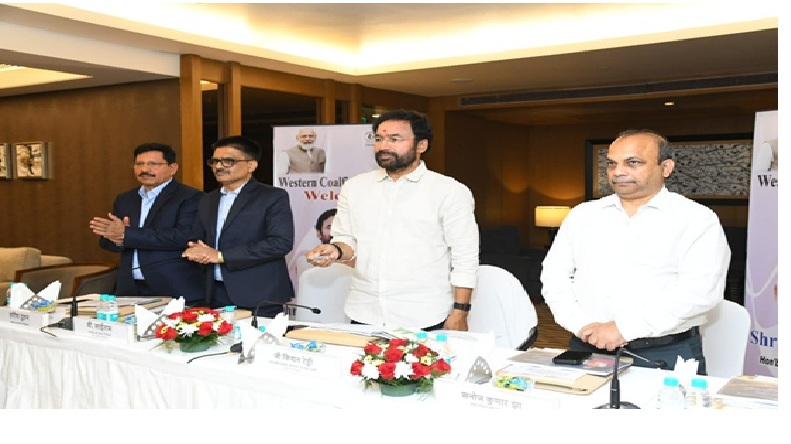
    Nagpur: Union Minister of Coal and Mines G. Kishan Reddy, currently on a two-day visit to Western Coalfields Limited (WCL), virtually inaugurated and laid the foundation stone for several infrastructure and development projects while reviewing the company’s operational performance.

    During the programme on Friday, the Minister virtually flagged off 25 electric vehicles aimed at supporting cleaner and more efficient operations within the organisation. He also laid the foundation stones for three major projects: the Black Diamond Sports Stadium in the Kamptee area of Nagpur, the Swami Vivekananda Eco Park in Tadali in Wani area, and a First Mile Connectivity (FMC) Project at the Sasti Open Cast Mine in the Ballarpur area.

    The projects are expected to strengthen regional infrastructure, promote environmental sustainability, and modernise coal mining operations.

    Following the inauguration, the Union Minister conducted a detailed review meeting on WCL’s performance, focusing on coal production, safety measures, sustainable development initiatives, environmental protection, and upcoming projects.

    Praising the work culture and performance of the organisation, Reddy commended Team WCL for its achievements and expressed confidence that the company would deliver even stronger results in the current financial year. He also discussed WCL’s role in the evolving landscape of the coal industry.

    During the meeting, WCL Chairman-cum-Managing Director Harish Duhan presented a detailed overview of the company’s achievements during the financial year 2025–26.

    Senior officials present at the meeting included Sanoj Kumar Jha, Additional Secretary in the Ministry of Coal, B. Sairam, Chairman of Coal India Limited, along with other senior officers from the Ministry of Coal, Coal India Limited, and WCL.

    As part of his visit, the Union Minister will also inspect the ongoing mine closure process at the Murpar underground mine on March 14, 2026. He is scheduled to hold a meeting with the District Collector and members of the Mine Closure Advisory Committee (MCAC).

    Representatives from WCL’s Mine Closure team, non-governmental organisations, consultants, and members of local villages are expected to participate in the meeting to discuss issues related to mine closure and rehabilitation.

  • India’s Medical Devices Market Eyes $30 Billion by 2030: Opportunity, Policy Push and Global Interest

    India’s medical devices industry is entering a period of rapid transformation. Long considered a small but essential part of the healthcare ecosystem, the sector is now drawing major policy attention and investor interest as the country works toward a projected $30 billion market by 2030.

    Industry analysts say the growth will be driven by a combination of rising healthcare demand, government incentives for domestic manufacturing, and increasing adoption of advanced medical technologies.

    A Market on a Strong Growth Path

    India’s medical devices market is currently estimated at around $12–14 billion, but the sector has been expanding at a double-digit annual growth rate of roughly 15%. If this pace continues, the market could more than double within the next five years.

    Several structural factors are supporting this expansion. India’s population of more than 1.4 billion is aging, lifestyle diseases such as diabetes and cardiovascular conditions are rising, and access to healthcare services is improving across smaller cities. Together, these trends are increasing the demand for diagnostic equipment, implants, consumables, and digital medical technologies.

    Hospitals and diagnostic centers are also investing more heavily in modern equipment as healthcare infrastructure grows in both public and private sectors.

    Government Push for Domestic Manufacturing

    A major catalyst for growth has been the government’s push to reduce import dependence and strengthen local manufacturing.

    India currently imports around 70–80% of its medical devices, particularly high-value products such as imaging equipment, implants, and advanced diagnostic systems. To address this gap, the government has introduced initiatives such as the Production Linked Incentive (PLI) scheme for medical devices, along with the creation of dedicated medical device parks in several states.

    These measures aim to attract global manufacturers, encourage domestic production, and create a stronger supply chain ecosystem.

    Policy support is also helping the industry move beyond low-value consumables toward more sophisticated products such as diagnostic imaging systems, surgical equipment, and high-precision implants.

    Growing Investment and Global Partnerships

    Global medical technology companies are increasingly looking at India as both a manufacturing hub and a major growth market.

    International firms are expanding local production facilities and forming partnerships with Indian manufacturers to serve both domestic and export markets. At the same time, Indian startups are entering the field with innovations in digital health, AI-enabled diagnostics, and affordable medical technologies designed for emerging markets.

    Venture capital investment in health technology has also accelerated, with investors backing companies developing portable diagnostic devices, wearable monitoring systems, and telemedicine platforms.

    Opportunities in Tier-2 and Tier-3 Cities

    While metropolitan hospitals have traditionally driven demand for advanced medical equipment, the next wave of growth is expected to come from Tier-2 and Tier-3 cities.

    Healthcare infrastructure is expanding rapidly in these regions as private hospital chains and diagnostic networks move beyond major urban centers. Government health insurance programs and rising middle-class incomes are also increasing healthcare access.

    As a result, demand for imaging equipment, point-of-care diagnostic devices, and affordable medical technologies is rising across smaller cities and semi-urban areas.

    Challenges Remain

    Despite strong growth prospects, the sector still faces several challenges.

    Industry leaders often cite regulatory complexity, limited domestic component manufacturing, and price controls on certain medical devices as areas that need further policy clarity. High research and development costs also make it difficult for smaller companies to scale advanced technology production.

    Supply chain constraints and reliance on imported components remain another concern for manufacturers aiming to build a fully integrated domestic ecosystem.

    The Road to 2030

    Even with these challenges, the long-term outlook for India’s medical devices sector remains optimistic.

    If current growth momentum continues, analysts believe the industry could reach $30 billion by 2030, positioning India as one of the fastest-growing medical device markets in the world.

    For policymakers, the sector offers an opportunity to strengthen healthcare infrastructure while building a globally competitive manufacturing base. For investors and technology companies, it represents a market where demand, innovation, and policy support are beginning to align.

    The coming decade will determine whether India can turn this potential into a robust medical technology ecosystem that serves both domestic healthcare needs and global markets.

  • FUJIFILM India Strengthens Advanced Diagnostic Infrastructure at Porunai Hospitals, Expanding Access to Quality Healthcare in South Tamil Nadu

    FUJIFILM India Strengthens Advanced Diagnostic Infrastructure at Porunai Hospitals, Expanding Access to Quality Healthcare in South Tamil Nadu

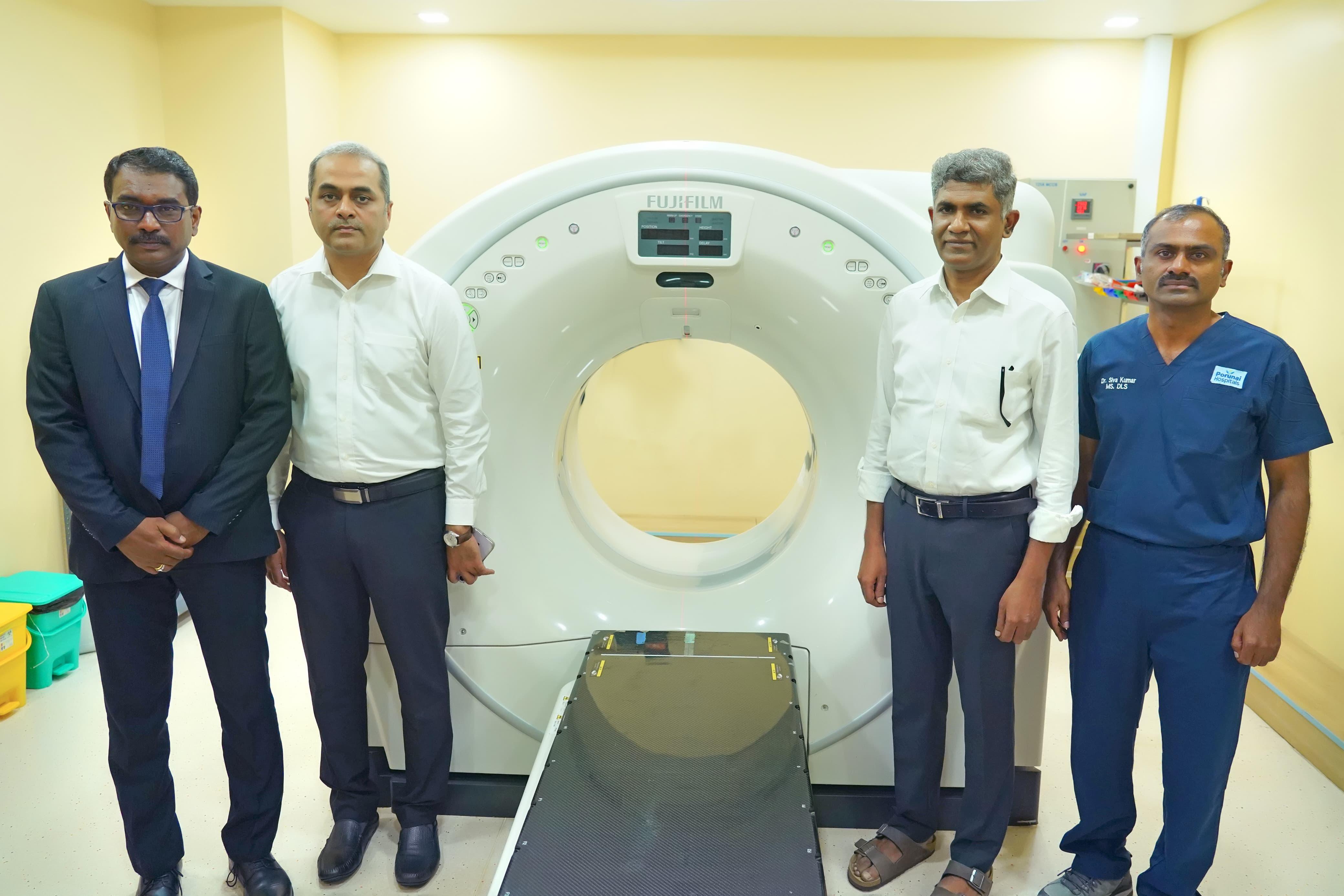
    Mar 14th:  FUJIFILM India, a leader in advanced diagnostic imaging and healthcare technology, has announced the installation of a comprehensive suite of advanced diagnostic and medical equipment at Porunai Hospitals, Tirunelveli, further strengthening the hospital’s diagnostic capabilities and reinforcing the role of technology in expanding access to quality healthcare in South India.

    The installation includes CT System Supria 32, Amulet Innovality Mammography which includes the state-of-the-art features available globally, FDR Smart F – 40 kW Digital Radiography, Bone Mineral Densitometry (BMD), along with EP 6000 Endoscopy video processor with Multi-LED light source and Dry Chemistry analyser DRI-CHEM NX 600, enabling Porunai Hospitals to enhance its diagnostic ecosystem across multiple clinical domains.

    At the center of this deployment is the Supria 32 CT system, a 32-slice CT platform designed to deliver high-resolution imaging with optimized radiation dose and efficient workflows across routine and advanced diagnostics. The installation marks the first deployment of the Supria 32 CT system in Tamil Nadu, reflecting Porunai Hospitals’ commitment to adopting advanced imaging technologies to support accurate diagnosis and improved patient outcomes. 

    Complementing the CT platform is the FDR Smart F digital radiography system, which enables high-quality imaging with fast acquisition speeds and dose-optimized performance across a wide range of radiography applications. Designed to support high-throughput clinical environments, the system enhances operational efficiency while ensuring reliable diagnostic performance for everyday clinical needs.

    The deployment also includes the Amulet Innovality mammography system, a digital mammography platform equipped with advanced detector technology and low-dose imaging capabilities. As the first installation of its kind in South Tamil Nadu, the system strengthens women’s healthcare services in the region by supporting early and accurate breast cancer detection through advanced imaging technology. 

    Further strengthening preventive diagnostic capabilities, an advanced Bone Mineral Densitometry (BMD) system has also been installed, enabling precise assessment of bone health and early detection of osteoporosis. This installation marks the first advanced BMD system in South Tamil Naduexpanding access to specialized diagnostics and preventive screening in the region. In addition to imaging technologies, the deployment also includes EP 6000 Endoscopy video processor with Multi-LED light source and Dry Chemistry analyser DRI-CHEM NX 600, helping Porunai Hospitals strengthen its diagnostic ecosystem across multiple clinical domains, including gastroenterology, pathology, and preventive screening.

    Commenting on the development, Dr D.R. Sivakumar MBBS, MS, DLS, Medical Superintendent, Porunai Hospitals and Research Centre, said, “At Porunai Hospitals, our focus has always been to strengthen diagnostic capabilities so that patients in our region have access to reliable and advanced healthcare services. The installation of these advanced imaging and diagnostic systems significantly enhances our ability to provide accurate and timely diagnosis across multiple clinical areas, including radiology, preventive screening, etc.”

    Speaking on the collaboration, Mr. Nagaraj Kempaiah, National Head – Private Business, FUJIFILM India, said: “At FUJIFILM India, our commitment is closely aligned with the Fujifilm Group’s global purpose of ‘Giving our world more smiles’ by expanding access to reliable, advanced, and patient-centric diagnostic technology. Tamil Nadu continues to be one of India’s most progressive healthcare markets, with a strong focus on preventive healthcare, cancer screening, and technology-driven clinical services. Partnerships such as this with Porunai Hospitals play an important role in bringing advanced imaging solutions closer to Tier-2 and Tier-3 regions. Our collaboration reflects Fujifilm’s commitment to strengthening regional healthcare infrastructure by supporting hospitals with innovative technologies that enable early detection, clinical confidence, and improved patient outcomes.”

    Through collaborations with progressive healthcare institutions such as Porunai HospitalsFUJIFILM India continues to expand access to advanced diagnostic technologies, supporting early detection, preventive healthcare, and improved clinical outcomes while enabling healthcare providers to manage increasing patient volumes with greater efficiency and diagnostic confidence.

  • GLP-1 Medication Changes May Support Long-Term Weight Management

    DALLAS, Mar 14th:  Patients without diabetes who switched GLP-1 receptor agonist (GLP-1RA) drugs for overweight or obesity were more likely to stick with their treatment longer than those who didn’t switch, according to a new study by UT Southwestern Medical Center researchers. The findings, published in JAMA Network Open, suggest that medication changes are not uncommon among patients undergoing weight loss and that clinicians should encourage them to change GLP-1RAs if necessary to promote continuity of care.

    “This study provides one of the largest real-world descriptions to date of how adults with overweight or obesity use and switch GLP-1RAs over time,” said first author Luyu (Amber) Xie, Ph.D., Pharm.D., Assistant Professor in the Peter O’Donnell Jr. School of Public Health and co-Director of the Biostatistics and Data Science Core at UT Southwestern. “It highlights that long-term persistence is low and that switching between medications is a relatively common part of ongoing treatment rather than a sign of failure.”

    The study examined insurance claims from nearly 127,000 U.S. adults with overweight or obesity who initiated GLP-1 therapy between 2019 and 2024. By tracking medication use over 12 months, the researchers found that treatment often did not follow a linear path. Instead, many patients adjusted therapy in response to side effects, access, insurance coverage, and the introduction of new medications.

    GLP-1RAs, including semaglutide, liraglutide, and tirzepatide, are now a central part of obesity treatment. However, maintaining long-term adherence to the drugs has been challenging.  

    In the study, only a quarter of the patients remained on any GLP-1RA one year after starting, with roughly 1 in 5 patients transitioning to a different GLP-1RA during that period. Patients who switched were more likely to continue treatment and showed higher adherence than those who remained on their initial medication, suggesting adjustments often reflected active management.
    “Switching between GLP-1RA medications should be viewed as a normal part of long-term obesity care,” said senior author Sarah Messiah, Ph.D., M.P.H., Professor of Epidemiology and Pediatrics, Associate Dean for Research in the O’Donnell School of Public Health, and Director of the Child and Adolescent Population Health Program. “Persistence should not be judged by staying on a single drug indefinitely, but by maintaining engagement in care and working with clinicians to find sustainable, effective treatment strategies over time.”

    The researchers also visualized treatment pathways to illustrate how patients transitioned among medications during the study period. Newer, once-weekly injectable therapies frequently served as both starting points and switch destinations, reflecting their growing role in obesity management.

    “In today’s clinical environment, successful obesity care often involves adapting treatment over time rather than expecting a single medication to meet every patient’s needs indefinitely,” said co-author Jaime Almandoz, M.D., M.B.A., Professor of Internal Medicine in the Division of Endocrinology and Medical Director of UTSW’s Weight Wellness Program.

    The findings underscore the importance of setting clear expectations with patients early in treatment, including the possibility that more than one medication may be prescribed before a long-term approach is identified. 

    The authors said future research will explore how patient characteristics, specific medications, and timing of therapy influence treatment trajectories, with the goal of informing more personalized and sustainable approaches to obesity care.

    Other UTSW researchers who contributed to this study are Diego Anazco Villarreal, M.D., Internal Medicine resident; Azucena Herrera Chancay, M.D., Internal Medicine fellow; M. Sunil Mathew, M.S., Senior Population Science Data Manager; and Jackson Francis, M.P.H., Population Science Project Coordinator.

    The study was supported by the UTSW Clinical and Translational Science Award, the National Institutes of Health (1U54TR00236), the Texas Health Resource Clinical Scholar program, and the UTSW Nutrition & Obesity Research Center (NORC). 

  • The Role of Statement Chandeliers in Shaping Contemporary Living Environments

    Jaipur: In contemporary interiors, certain elements have the ability to define a space almost instantly. Among them, statement chandeliers hold a particularly influential role. More than sources of illumination, they act as architectural anchors, establishing visual identity, reinforcing spatial hierarchy, and bringing cohesion to the design. Their presence shapes not only how a room looks, but how it is experienced.

    As homes increasingly embrace open layouts and expansive volumes, the role of the chandelier has become even more significant. These fixtures introduce structure within openness, helping organize space without the need for physical divisions. A well-placed chandelier naturally draws the eye, creating a focal point that grounds the surrounding design.

    “A chandelier has the ability to transform the perception of a room,” says Naman Jain, Founder of Lumeil. “It becomes a visual reference point that helps define proportion, scale, and atmosphere. When chosen thoughtfully, it strengthens the architectural intent rather than simply adding decoration.”

    In living areas, chandeliers often become the defining visual element. A piece like the Mushroom Medley Crystal Chandelier introduces depth through its layered crystal composition, allowing light to interact dynamically with the space. Its presence adds dimension without overwhelming the environment, making it particularly suited to contemporary interiors that balance minimalism with warmth.

    Similarly, the Orbit Rose Gold Crystal Chandelier offers a sculptural expression of modern lighting. Its circular form introduces rhythm and continuity, while the rose gold finish brings a sense of subtle richness. Fixtures like these demonstrate how chandeliers contribute not only illumination, but also spatial character.

    Their importance becomes even more evident in entrance foyers and double-height volumes, where lighting must complement architectural scale. A carefully selected chandelier enhances vertical continuity, guiding the eye upward and reinforcing the openness of the space.

    “Entrance spaces set the tone for what follows,” explains Jain. “A chandelier placed here creates an immediate sense of identity. It introduces clarity and establishes the design language from the moment one enters.”

    While chandeliers provide focal presence, wall lighting plays an equally important supporting role. Fixtures such as the Opalescent Warm White Indoor Wall Light introduce softness and depth, highlighting surfaces while ensuring visual continuity. These elements work together to create layered environments where light enhances both form and material.

    Wall lights also contribute to the rhythm of a space, particularly in corridors and transitional areas. They ensure that the experience of moving through a space feels intentional rather than incidental.

    At Lumeil, the approach to decorative lighting is rooted in understanding how fixtures interact with architecture. Each piece is selected not only for its visual appeal, but for its ability to integrate seamlessly into the design.

    “We see lighting as an essential architectural element,” says Naman Jain. “The right chandelier becomes part of the space’s identity. It adds depth, reinforces structure, and ensures that the environment feels complete.”

    As contemporary interiors continue to evolve toward openness and material clarity, statement chandeliers remain central to defining spatial character. They bring presence without excess and clarity without distraction. When thoughtfully integrated, they do more than illuminate. They help shape spaces that feel enduring, intentional, and complete.