Category: Technology

  • HANMI Semiconductor Deepens Strategic Partnership with Micron at India ATMP Facility’s Opening Ceremony

    HANMI Semiconductor Deepens Strategic Partnership with Micron at India ATMP Facility’s Opening Ceremony

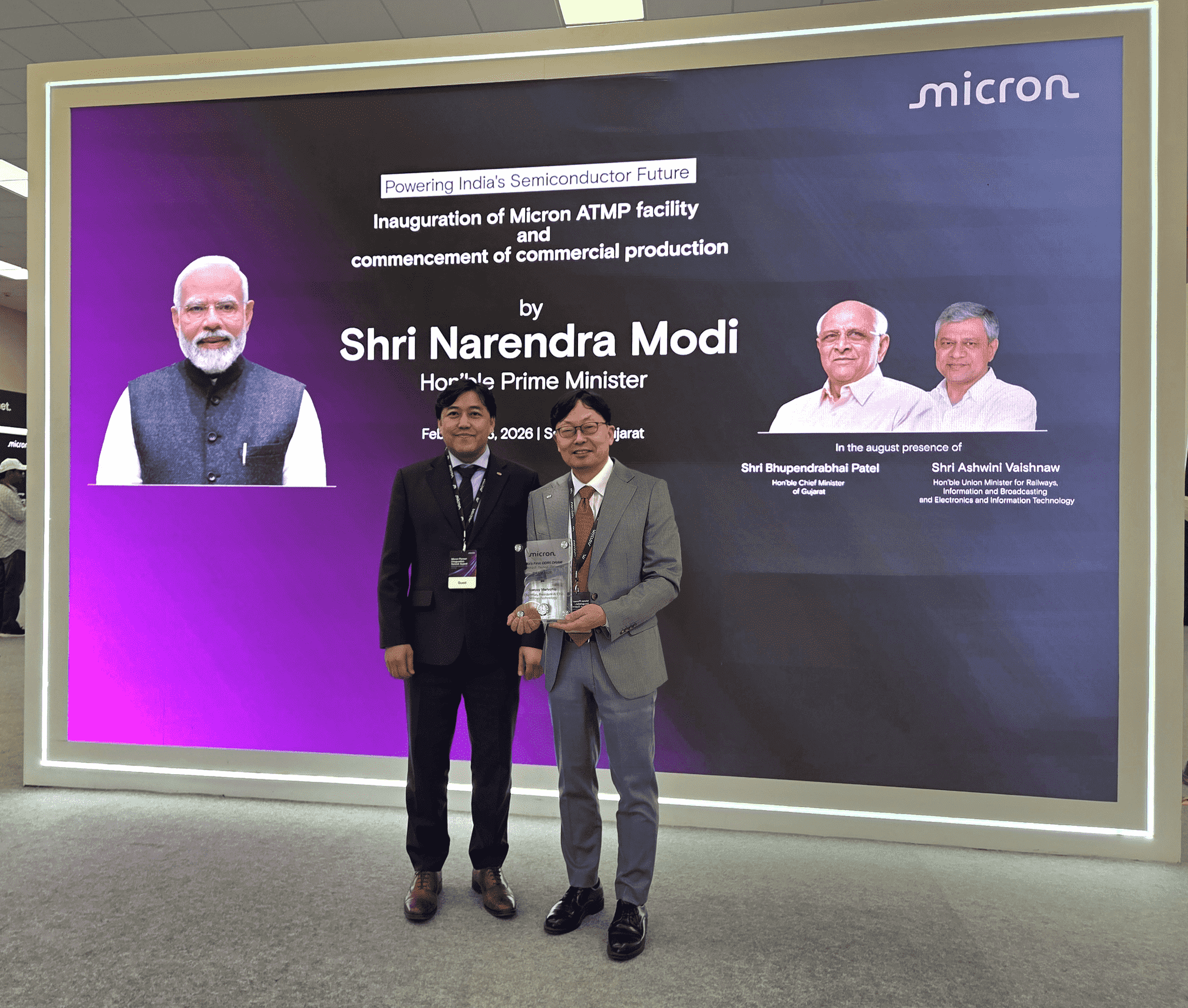
      Director Jong-Jin Lee and Executive Vice President Myung-Ho Lee of HANMI Semiconductor attended the grand opening ceremony of Micron’s first semiconductor manufacturing facility in India on February 28. During the event, HANMI Semiconductor received a commemorative plaque for DDR5 DRAM produced in India from Micron Chairman and CEO Sanjay Mehrotra.

    SEOUL, South Korea (Mar 3) — HANMI Semiconductor today announced that it attended the grand opening ceremony of Micron Technology’s semiconductor facility in Sanand, Gujarat, India, on February 28. The facility marks Micron’s first semiconductor manufacturing plant in India.

    The inauguration ceremony was attended by Indian Prime Minister Narendra Modi, who delivered a commemorative address, along with senior government officials, Micron Chairman and CEO Sanjay Mehrotra, and other key executives.

    HANMI Semiconductor was invited as a key equipment supplier to Micron’s India facility, reaffirming its position as a key strategic partner.

    Micron’s plant in India is an advanced packaging facility backed by a total investment of USD 2.75 billion and supported by financial incentives from the Government of India. Aimed at strengthening the country’s semiconductor industry, the project has been designated as a national strategic initiative, with the Government of India providing 50% of the investment in subsidies and the State of Gujarat contributing an additional 20%. The facility is expected to serve as a strategic hub for testing and packaging high-performance AI memory products, including multi-die GDDR (Graphics DRAM) and enterprise SSDs (stacked NAND Flash).

    The DDR5 DRAM currently being produced in Gujarat, India, is based on Micron’s most advanced DRAM technology, utilizing its latest 1-gamma process node. Micron announced that it plans to begin packaging and testing tens of millions of chips this year, with production expected to scale to hundreds of millions next year. Accordingly, it is expected that KRW 2 trillion (approximately USD 1.4 billion) will be invested in advanced semiconductor packaging equipment, including TC bonders used for stacking AI memory semiconductor chips.

    The facility also holds historic significance as the first project approved under the “India Semiconductor Mission 2.0” and as the first semiconductor manufacturing facility established in the country. It is widely regarded as a major milestone in India’s advancement toward becoming a key hub in the global semiconductor supply chain. Through the initiative, the government has introduced an incentive program of approximately USD 10 billion to advance the country’s ambition of becoming a global semiconductor manufacturing hub.

    Advanced bonding technology and rapid technical support are critical to ensuring the stable operation of the new facility. As a core supplier to Micron, HANMI Semiconductor plans to fly in engineers to India to provide on-site technical support and operate training programs, reinforcing its long-term strategic collaboration. Building on this partnership, the company received the “Outstanding Supplier Performance Award” from Micron in 2025.

    “HANMI Semiconductor’s participation in Micron’s grand opening of semiconductor facility in India and the roundtable reaffirms our position as a key supplier in the global semiconductor supply chain,” said a HANMI Semiconductor official. “As Micron’s key supplier, we will continue to dispatch engineers to India and provide close technical support to ensure the highest level of customer satisfaction.”



  • Tenable Research Reveals Growing AI Exposure Gap Fueled by Supply Chain Risks and Lack of Identity Controls


    Dubai, UAE. – (Mar 2)Tenable® (NASDAQ: TENB), the exposure management company, today released its Cloud and AI Security Risk Report 2026. The research reveals organizations face a zeromargin AI exposure gap as they inherit cyber risks faster than they can address them. Engineering velocity — driven by AI adoption, third-party code and cloud scale — has outpaced the human-led ability to assess, prioritize and remediate risks before threat actors exploit them.

    The AI Exposure Gap is a largely invisible form of exposure that emerges across applications, infrastructure, identities, agents and data, and that most security teams are not equipped to manage. Tenable’s analysis of cloud environments identifies severe risks across four key security areas: AI security posture, supply chain attack vectors, least privilege implementation and cloud workload exposure — all of which demand immediate attention. The report includes actionable guidance for security and business leaders to reduce risk across cloud and AI environments.

    Key findings from the Cloud and AI Security Risk Report 2026 include:

           70% have integrated at least one AI or Model Context Protocol (MCP) third-party package, embedding AI deep into applications and infrastructure, often without central security oversight.

           86% host third-party code packages with critical-severity vulnerabilities, making the software supply chain a primary and persistent source of cloud exposure. Furthermore, nearly 1 in 8 (13%) have deployed packages with a known history of compromise, such as the s1ngularity or Shai-Hulud worms.

           18% of organizations have granted AI services administrative permissions that are rarely audited, creating a “pre-packaged” catalog of privileges for attackers to claim.

           Nonhuman identities such as AI agents and service accounts now represent higher risk (52%) than human users (37%), forming “toxic combinations” of permissions and access that fragmented tools fail to connect.

           65% possess “ghost” secrets—unused or unrotated cloud credentials—with 17% of these tied specifically to critical administrative privileges.

           49% of identities with critical-severity excessive permissions are dormant.

    Liat Hayun

    AI systems embedded in infrastructure pose a critical risk that CISOs and defenders must address, in addition to anticipating emerging threats from both AI and cloud technologies. Lack of visibility and governance means teams are at the mercy of new exposures, including over-privileged identities in the cloud,” said Liat Hayun, Senior Vice President of Product Management and Research at Tenable. “By focusing on the unified exposure path, organizations can stop managing ‘security debt’ and start managing actual business risk.”

    To manage emerging risks, organizations must secure the AI integration process through comprehensive visibility and identity-centric controls. This includes enforcing least privilege for AI roles, neutralizing “ghost” identity risk and eliminating static secret exposure. Third-party code and external accounts are now extensions of organizations’ infrastructure; steps to reduce extended supply chain exposure include unifying visibility across code packages, virtual machines, identity access and cloud environments.

    The 2026 Cloud & AI Security Risk Report presents findings from the Tenable Research team, analyzing anonymized telemetry from diverse public cloud and enterprise environments collected from April to October 2025 (AI findings extended through December 2025).

    Exposure Management is the practice of identifying, evaluating, and prioritizing the risks posed by all entry points an attacker could exploit. This includes not just software vulnerabilities (CVEs), but also misconfigurations, excessive user privileges (identity risk), cloud security gaps, and the “shadow” assets created by AI and third-party supply chains.

  • Rohde & Schwarz demonstrates FR1–FR3 carrier aggregation, advancing 6G readiness

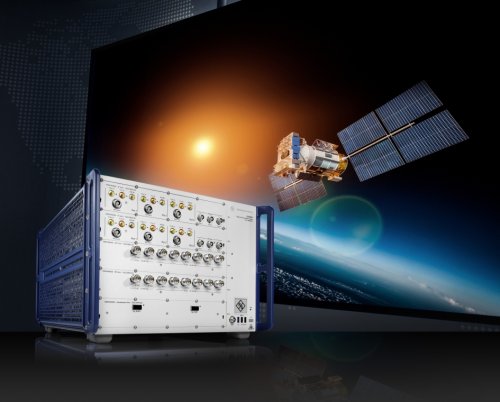
    Mar 2: Rohde & Schwarz and Qualcomm Technologies, Inc. have reached another pivotal milestone in 6G research and ecosystem readiness, successfully demonstrating carrier aggregation across FR1 and FR3 frequency ranges. The joint achievement is showcased live at MWC Barcelona 2026.
     

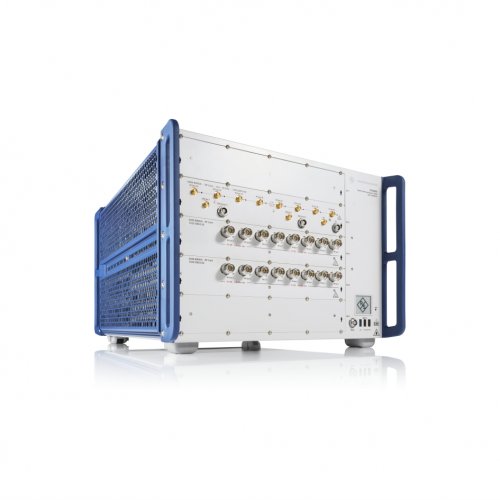
    The CMX500 one box tester is ready for 6G research with the new modular RFU18 board.

    At MWC Barcelona, Rohde & Schwarz and Qualcomm Technologies present a live demonstration at the Rohde & Schwarz booth (5A80) that aggregates a mid-band channel around 2.5 GHz (FR1) with an upper mid-band channel around 7 GHz (FR3), using 4×4 MIMO on both bands and higher-order modulation. With this setup, the two companies validate end-to-end device behavior across the aggregated spectrum.

    At the heart of the test setup is the CMX500 one-box signaling tester from Rohde & Schwarz, extended with the new RFU18 board to provide coverage up to 18 GHz. RFU18 is a modular hardware upgrade for the CMX500 platform, giving customers a straightforward, cost-effective path to extend existing testers towards 6G. As device under test (DUT), Qualcomm Technologies provided a Mobile Test Platform (MTP) powered by the Qualcomm® Modem-RF System, enabling comprehensive validation of RF performance and protocol behavior across the aggregated FR1 and FR3 bands.

    The FR3 frequency range (7.125 to 24.25 GHz) has been identified by industry and research as a “sweet spot” for combining wide-area coverage with high capacity. FR3 in terrestrial networks (TN) and non-terrestrial networks (NTN) is expected to support demanding applications such as eXtended Reality (XR), connected and autonomous vehicles and industrial automation. By validating FR3 as an additional frequency range for future networks, the partners are helping accelerate 6G development and ecosystem readiness.

    Goce Talaganov, Vice President Mobile Radio Testers at Rohde & Schwarz, said: “Through our ongoing collaboration with Qualcomm Technologies, we continue to push the boundaries of wireless communications. As the ecosystem moves toward 6G, we’re showing how easy innovation can be with our test equipment. In response to customer demand, we are extending the CMX500 platform to 18 GHz – so that our customers gain headroom for FR3 evolution and higher-frequency emissions and harmonic testing.”
    Tingfang Ji, Vice President of Engineering and Head of 6G Research at Qualcomm Technologies, Inc. said: “Our collaboration with Rohde & Schwarz highlights the importance of aggregating existing spectrum bands with new 6G spectrum in FR3 to establish 6G as the high efficiency digital infrastructure for the 2030s. By validating new spectrum layers and advanced RF capabilities using our MTP powered by Qualcomm Modem-RF System, we are accelerating innovation across the ecosystem and helping prepare devices and networks for the next-generation of services.”

    Future-ready CMX500 platform for 6G:
    The CMX500 is a modular, powerful and future-proof one-box signaling tester enabling comprehensive multi-technology testing – from RF to protocol – across all relevant frequency ranges (FR1, FR2 and FR3). All existing CMX500 platforms can be enhanced with the new RFU18 board to extend frequency coverage and capabilities without replacing the entire system, offering users a simple upgrade path.

    Engineered for data rates up to 20 Gbps, the CMX500 is one of the most versatile mobile device test platforms, supporting wide dynamic range, 4096QAM and up to 16 device antenna ports for advanced spatial multiplexing. With its multi-band capabilities, it covers LTE and NR in SA/NSA modes, NR-NTN, NB-NTN, Direct-to-Cell (D2C/DTC) testing, and WLAN including Wi‑Fi 7 and future Wi‑Fi 8.

    Visitors to MWC Barcelona 2026 can experience the joint demo of FR1–FR3 carrier aggregation at the Rohde & Schwarz booth 5A80 in hall 5 from March 2 to 5, 2026, and can learn from the company’s experts how the CMX500 platform with RFU18 enables faster 6G device and network innovation.

  • America’s First X-Ray: How Yale Advanced Medical Imaging

    Mar 02: The discovery of X-rays in 1895 by German physicist Wilhelm Conrad Röntgen marked a major advance in science and medicine, making it possible for physicians to see inside the human body for the first time without surgery. Medical scientists quickly recognized the potential of X-rays as a diagnostic tool, particularly for identifying broken bones and other internal injuries. Röntgen’s first X-ray, of his wife’s hand, clearly revealed bones and joints, offering an early demonstration of how X-ray imaging could transform medical diagnosis.

    News of Röntgen’s discovery quickly spread through the global scientific community, generating widespread excitement and experimentation. Scientists around the world were excited about Röntgen’s work. In the United States, Yale physicist Arthur Wright was among the first to explore the new technology. In January 1896, barely a month after Röntgen introduced X-rays to the world, Wright successfully produced an X-ray image, making him the first in the country to work with the technique. He published hist findings in Engineering and Mining Journal and Electrical Engineer magazine, helping to introduce X-ray imaging to American scientific and medical audiences.

    Interest in Wright’s work was immediate and intense, drawing widespread attention from both the scientific community and the popular press. An X-ray image he produced of coins and other metal objects, along with a photo of his X-ray machine, appeared on the cover of Scientific American on Feb. 15, 1896, introducing many readers to the emerging technology for the first time.

    Public interest was equally strong on campus. When Wright presented his findings at Yale, the auditorium was filled beyond capacity. According to one newspaper account, students continued climbing through the windows more than 30 minutes into the lecture, even though only those in the first few rows could hear.

    X-rays lead to the rise of medical imaging

    Within just four years, by 1900, X-rays had become indispensable in diagnosing fractures and locating foreign objects within the body. Over time, the technology evolved into advanced imaging tools such as CT scans and MRIs, transforming clinical decision-making, and saving countless lives. Today, seven out of 10 Americans undergo some form of medical or dental imaging each year, according to the Food and Drug Administration.

    While Wright’s X-ray experiments captured national attention and marked a turning point in medical imaging, they represented just one facet of his broader scientific legacy. His career began long before the advent of X-rays and continued through decades of innovation and leadership in building Yale’s physics department.

    No stranger to firsts, Wright received the first doctoral degree awarded in the United States from Yale University in 1861. From 1863 to 1868, he taught Latin and later physics at Yale, returning in 1872 as professor of molecular physics and chemistry—a title later changed to experimental physics.

    In the 1880s, Wright played a key role in securing funding for the nation’s first dedicated physics, Yale’s Sloane Physics Laboratory, where he later produced his X-ray images. In 1966, Yale expanded this legacy by establishing the A.W. Wright Nuclear Structure Laboratory, enabling the study of medium-mass and heavy nuclei. Today, research in experimental nuclear physics, particle physics, and astrophysics continues at the Yale Wright Laboratory, which opened its current facility in 2017.

    From diagnosing disease to imaging health

    More than a century after Wright’s first X-ray photograph, the technology he helped pioneer remains central to modern medical practice. From routine chest X-rays to complex interventional procedures, X-ray imaging continues to provide a noninvasive window into the body, supporting diagnosis, guiding treatment, and shaping generations of clinical decision-making.

    Wright’s early work at Yale not only brought Röntgen’s discovery to American scientists and physicians but also helped establish a foundation for continued advances in medical imaging.

    Today. Yale remains at the forefront of imaging science. In June 2025, the University marked another major milestone with the launch of the Yale Biomedical Imaging Institute. The institute brings together advanced imaging research centers—including its PET and MRI laboratories, the scientific descendants of Wright’s early X-ray experiments—with experts in artificial intelligence and data science.

    The institute focuses on developing new imaging tools that can detect disease earlier and with greater precision, using advanced computational methods to help predict and track illnesses. This work reflects a broader shift in medicine—from diagnosing disease after it appears to understanding, monitoring, and protecting health. Rather than identifying illness only once it has progressed, researchers aim to detect subtle changes before symptoms emerge and to better define what healthy organs and tissues look like over time.

    “Part of the paradigm shift is to move from imaging disease to imaging health,” says Georges El Fakhri, PhD, Elizabeth Mears and House Jameson Professor of Radiology and Biomedical Imaging, professor of therapeutic radiology, and of biomedical informatics and data science at Yale School of Medicine.

    The future of medical imaging owes much to a scientist who, inspired by a sudden discovery in Germany, helped lay the groundwork for radiology as a transformative tool in medicine. Today, Yale carries that legacy forward—uniting advanced technologies, artificial intelligence, and clinical insight to extend and reimagine what Wright began.


  • Philips Evnia Unleashes 200Hz Speed Demon Gaming Monitor: Built for Middle Eastern Gamers

    Cairo,  Mar 1 – MMD Singapore the manufacturer of Philips displays, announced the regional launch of its latest competitive gaming monitor, the 24M2N3200FQ and 27M2N3200FQ, designed to deliver championship-level performance and immersive visuals to the passionate gaming community across the Middle East. This 24 and 27 inch Fast IPS monitor combines blistering 200Hz speed with cutting-edge image clarity technologies, offering gamers the critical edge needed for victory.

    The Middle East’s gaming scene is renowned for its intensity and competitive spirit. The Philips Evnia gaming monitor meets this demand head-on with its ultra-fast 200Hz refresh rate and a near-instant 0.3ms (Smart MBR) response time, effectively eliminating motion blur and ghosting. This ensures every panning shot in an FPS and every high-speed turn in a racing game is rendered with stunning sharpness, giving players a seamless and lag-free advantage.

    Philips Evnia Unleashes 200Hz Speed Demon Gaming Monitor: Built for Middle Eastern Gamers


    “Gamers in our region deserve equipment that matches their skill and ambition”, said Carol Anne Dias, Sales Director, Middle East & Africa for Philips Monitors“The 24M2N3200FQ and 27M2N3200FQ are engineered for those decisive moments where a split-second can mean the difference between victory and defeat. We’re bringing hyper-responsive performance and rich, immersive visuals to a broader audience of dedicated gamers”.

    Beyond raw speed, the monitor features Stark ShadowBoost, a proprietary technology that illuminates dark scenes in games without overexposing bright areas, ensuring enemies lurking in shadows are clearly visible. The Smart Crosshair feature dynamically changes color based on the background for maximum visibility, enhancing targeting accuracy.

    For a truly captivating visual experience, the monitor supports HDR10 content, delivering a wider range of colours, superior contrast, and more lifelike images. Gamers can further personalize their experience through the Evnia Precision Center software, which offers intuitive controls to fine-tune settings for different game genres or create custom profiles.

    Designed with players well-being in mind, the monitor incorporates LowBlue Mode and Flicker-Free technology to reduce eye strain during marathon gaming sessions. It’s sustainable design, featuring chassis made with 85% post-consumer recycled plastic, aligns with a forward-thinking ethos.

    The monitors are now available for purchase in the UAE with Naam Electronics. The monitors come with 3 years warranty.

  • Rohde & Schwarz and Viasat to collaborate on NB-NTN IoT test plan for connectivity via satellite

    Feb 28: Viasat and Rohde & Schwarz have joined forces to boost testing for Narrowband Non-terrestrial Networks (NB-NTN) IoT devices connecting via satellite. By thoroughly validating devices and confirming interoperability with Viasat’s network, the collaboration aims to help ensure uninterrupted connectivity for a wide range of satellite-based Internet of Things (IoT) applications. Visitors to MWC Barcelona 2026 can experience the test plan in action.
     

     The test plan with Viasat runs on the CMX500 one-box tester for NTN testing.

    Viasat, a global leader in satellite communications, and Rohde & Schwarz, a leading provider of test and measurement solutions, are working together to strengthen and expand testing for Non Terrestrial Network (NTN) capabilities, specifically for NB-IoT devices. The collaboration aims to ensure that chipsets, modules and devices interoperate seamlessly with Viasat’s satellite network and comply with 3GPP Release 17 standards.

    Deploying advanced testing methodologies upholds the highest standards of quality, performance and reliability for Viasat’s connectivity services: delivering ubiquitous IoT applications in areas without terrestrial network coverage.

    The certification test plan with Viasat entails protocol, performance and RF test scenarios. It is based on the CMX500 one-box signaling tester from Rohde & Schwarz, a versatile solution designed for testing various NTN technologies, including New Radio (NR-NTN) and NB-NTN. In a single instrument, the CMX500 covers R&D through certification and carrier acceptance tests, guaranteeing reliable and repeatable results. It empowers engineers to accelerate development, ensure quality and confidently deploy reliable NTN services, safeguarding that the whole ecosystem can achieve the highest levels of performance.

    Rohde & Schwarz will showcase first test results covering protocol, performance and RF test scenarios of the test plan at the Rohde & Schwarz booth 5A80 in hall 5 from March 2 to 5, 2026 at MWC Barcelona 2026. Visit Viasat in hall 6, booth 6A20.

  • Eros Innovation Launches Large Cultural Voice Models from Tamil Nadu, Unveils “PERSONA” Voice Stack

    Eros Innovation announced the launch of its Large Cultural Voice Models (LCVM) from Tamil Nadu, alongside the unveiling of PERSONA, a sovereign, performance-aware voice and identity infrastructure designed to power multilingual artificial intelligence rooted in culture.

    The launch in Chennai in the presence of Tamilnadu Cheif Minister Hon’ble M K Stalin, marks a significant expansion of the company’s cultural AI roadmap following the debut of India’s first Large Cultural Model (LCM) at the AI Impact Summit, aligned with the Ministry of Electronics and Information Technology (MeitY) and the IndiaAI Mission. LCVM represents the voice-layer evolution of that platform engineered not merely to translate language, but to preserve emotion, cadence, identity and regional nuance across multilingual communication.

    As part of the initiative, Eros Innovation will establish advanced AI infrastructure, research clusters and voice technology ecosystems across Tamil Nadu. Phase I of the project is expected to generate more than 1,000 direct high-skill AI and engineering jobs, further strengthening the state’s emergence as a global hub for culturally grounded AI innovation.

    With its deep linguistic heritage and the enduring legacy of the Thiruvalluvar, Tamil Nadu is being positioned as a natural leader in culturally rooted and ethically aligned voice AI development.

    Tamil Nadu – with its deep linguistic heritage and the legacy of Thiruvalluvar – is uniquely positioned to lead the world in culturally rooted and ethically aligned voice AI innovation.

    Thiru M.K. Stalin, Hon’ble Chief Minister of Tamil Nadu said: “As part of Tamil Nadu’s commitment to strengthening employment and economic development, ErosGen AI, in collaboration with IIT Madras, has established the Large Cultural Voice Models (LCVM) initiative in Chennai. I am pleased to inaugurate this project.”

    While conventional AI systems translate words, EROS PersonaAI is designed to translate performance – preserving tone, rhythm, emotional expression, and identity across languages. Following the launch of LCM – trained on Eros’s rights-cleared cultural archive of approximately 1.5 trillion multimodal tokens across 12,000+ titles – PersonaAI extends Cultural Intelligence into voice and identity.

    Ridhima Lulla, Co-Founder and Co-President of Eros Innovation, said: “I thank the Hon’ble Chief Minister Shri M. K. Stalin for his visionary leadership and support in inaugurating the Large Cultural Voice Models initiative today. At Eros, this milestone reflects years of dedicated research and development in building culturally grounded AI systems. With the launch of PersonaAI, we are demonstrating that identity is a sovereign digital asset. A persona is an individual’s signature – unique, expressive, and deeply personal. Through our continued collaboration with Prof. V. Kamakoti and IIT Madras, we are committed to ensuring that this power is governed ethically, with consent and traceability at its core. PersonaAI removes language barriers while preserving character and cultural nuance. It enables individuals to project their voice globally and responsibly access rights-cleared creative IP across our character library. The future is not about imitation – it is about empowering every persona to become a global voice.”

    Dr. TRB Rajaa, Minister for Industries, Investment Promotion & Commerce, Govt of Tamil Nadu added: “AI must be sovereign – it should reflect our culture, language and creativity. Large Cultural Voice Models are not just about technology. They are about building AI systems rooted in Indian languages, narratives and creative industries, while ensuring responsible and inclusive deployment. glad to see Eros Gen AI attempting this tough domain.”

    The Large Cultural Voice Models are being developed in collaboration with the Indian Institute of Technology Madras (IIT Madras), positioning Tamil Nadu at the forefront of multilingual speech intelligence research and responsible AI frameworks.

    “The development of Large Cultural Voice Models represents a significant advancement in multilingual AI research. We look forward to working with Eros Innovation in areas such as multilingual speech intelligence, AI governance, and scalable public-impact applications. By combining linguistic depth, performance fidelity, and robust ethical safeguards, this collaboration has the potential to set new benchmarks in culturally grounded voice technologies that will play a critical role in India’s AI future,” said Prof. V. Kamakoti, Ph.D., Director, IIT Madras. 

    Together, LCVM and EROS PersonaAI enable a sovereign multilingual voice infrastructure trained across Indian languages, regional accents, and cinematic expression. With performance-aware speech-to-speech dubbing in 60+ languages, consent-first identity protection, licensed performance libraries, and built-in provenance and governance frameworks, the platform is designed for trusted, responsible AI deployment across storytelling, education, and enterprise applications.

  • India’s Salaried Class Emerges as the Backbone of Domestic Consumption: GI Group Holding Report

    New Delhi, Feb 27 : GI Group Holding’s latest report, The Rise of Aspirational India: India’s Consumer Durables Sector Evolution, Innovation, and the Road Ahead, reveals how India’s Fast Moving Consumer Durables (FMCD) market is undergoing a fundamental shift—from necessity-led buying to aspiration-driven, smart lifestyle upgrades.

    Driven by rising incomes, rapid technology adoption, and easy access to financing, consumer behaviour is evolving across demographics. The report offers actionable insights for brands, retailers, and policymakers to tap into a market projected to grow at an 11% CAGR, reaching INR 3 lakh crore by 2029. It highlights the emergence of a dual consumer mindset—one that balances value-for-money pragmatism with a growing appetite for premium, feature-rich products within smaller, smarter, and more selective households.

    The findings show a clear change in purchase priorities. Indian consumers are increasingly valuing performance over price, with product features (68%) ranking as the top decision driver, followed by reviews (61%), price (59%), and warranty (55%). While 73% of buyers continue to opt for value-for-money choices, nearly 70% are willing to invest in mid-tier or premium products when performance justifies the spend—underscoring the coexistence of aspiration and practicality in a dual price-point market.

    A defining trend highlighted in the report is the rise of a younger, upgrade-oriented consumer. Young professionals account for 37% of FMCD sales and nearly 45% of financed purchases, reflecting how access to credit is expanding demand for advanced and premium durables. Financing plays a pivotal role among younger cohorts, with 74% of Gen Z consumers using EMIs or Buy Now, Pay Later options—signalling a structural shift in how durables are researched, selected, and funded.

    Brand loyalty is also becoming increasingly fluid as replacement cycles shorten. The report notes that 46% of consumers replace durables every two to three years, while 63% often switch brands during upgrades. As a result, buying experience, post-purchase support, and service reliability are emerging as critical differentiators in a market where upgrade intent remains consistently high.

    Commenting on the findings, Sonal Arora, Country Manager, GI Group Holding, said: 

    “This paper explores the subtleties of the FMCD landscape in light of India’s rising consumer ambitions, providing crucial insights for business leaders, brands, and legislators. From FMCD 3.0’s connected smart homes and credit-driven access to transient brand loyalty, short replacement cycles, and the gap between pragmatic and premium customers, it highlights disruptive patterns expected to change consumer durables. These findings highlight the necessity of personnel training, immersive retail experiences, excellent post-purchase assistance, and further expansion through PLI programs. Businesses that adjust to these shifts can create flexible, creative, and customer-focused strategies to satisfy the needs of India’s growing middle class.”

    The findings make it clear: the future of FMCD isn’t one-size-fits-all. Brands that embrace smart ecosystems, finance partnerships, experiential selling, and multigenerational needs from Gen Z’s digital-first buys to Conventionalists’ reliability focus will be best positioned to lead in an evolving consumer landscape. By celebrating diversity in preferences, city profiles, and lifestyle upgrades, organizations can unlock the full potential of India’s aspirational boom and thrive in the years to come.

  • Sinch expands its platform with agentic conversations for AI-powered customer engagement

    Stockholm, Sweden, Feb 26 – Sinch (publ) today announced agentic conversations, a new set of capabilities designed to operationalize AI agents across global communication channels, enabling enterprises to deploy intelligent agents across messaging, voice, and email at scale.

    As generative AI and conversational channels like voice, RCS and messaging apps become central to customer engagement, enterprises are shifting toward agent-driven models. To scale, AI agents must do more than converse. They need secure integration with enterprise systems to execute actions across channels.

    With agentic conversations, Sinch simplifies this transition by providing a flexible, secure and open platform that enables businesses to operationalize AI agents at their own pace and according to their technical maturity. Customers are not locked into a single agent model, proprietary data layer, or closed ecosystem. Whether they choose to build their own solutions, use Sinch’s AI capabilities, bring their own agents, or integrate through Sinch’s ecosystem of partners, Sinch provides the infrastructure and orchestration required to support deployment at scale, built on Sinch’s global messaging, voice, and email APIs.

    “Our philosophy is simple: enterprises should be free to build with us or bring their own AI,” said Daniel Morris, Chief Product Officer at Sinch. “We do not believe in locking customers into a single agent model, proprietary data layer, or closed ecosystem. Whether businesses use Sinch’s AI capabilities, deploy their own agents, or work with trusted partners, we provide the communications and orchestration infrastructure that makes those agents operational across messaging, email, and voice.”

    Agentic conversations is a suite of capabilities, including Sinch Agent Builder, developer and agent tools such as Sinch Functions and Sinch Skills, as well as a broad set of integrations, designed to help enterprises build, deploy and manage AI agents across channels. The transition toward agent-driven engagement is expected to drive substantial growth in conversational traffic across messaging, voice and email. Managing this increase in volume, while maintaining trust, reliability and compliance, will require infrastructure purpose-built for scale.

    “Unlike standalone AI agent frameworks, Sinch provides the trusted communications layer that agents depend on to operate reliably across channels and markets. Sinch has long experience in carrier-grade routing, global number provisioning, regulatory compliance, identity verification, branded calling, deliverability optimization and fraud protection. That experience ensures agent-driven communications are secure, scalable, and ready for real-world deployment.” Daniel Morris said.

    As AI agents take on a more active role in customer engagement, enterprises are redefining how they manage trust, relevance, and conversational scale across channels. The next phase of customer communications will be shaped not only by smarter AI, but by the infrastructure that provides agents with the context, data access and intelligence needed to operate securely, reliably, and at volume. With agentic conversations, Sinch positions itself at the center of that shift.

  • Toray Develops Bio-Based Polyamide 4 Production Technology for Cosmetics Microparticle Market

    Tokyo, Japan, Feb 26 – Toray Industries, Inc., announced that it has developed a proprietary technology to produce bio-based 2-pyrrolidone, a raw material in its polyamide 4, which delivers excellent biodegradability (see note 1) in marine and other environments and helps address microplastic issues. The company will use this technology to verify the scale-up of bio-based polyamide 4, with a view to offering it by the fiscal year ending March 2029, mainly for microparticles in foundation, eyeshadow, and other cosmetics.


    In recent years, ocean discharges of microplastics (note 2) from cosmetics and facial cleansers have become a key environmental issue, prompting various countries (note 3) to restrict their use. Toray set about developing and launching polyamide 4 in response to this situation.

    The conventional feedstock for 2-pyrrolidone, the raw material in polyamide 4, is petroleum-based. Toray embarked on R&D into synthesis approaches with sugars and other biomass sources, resulting in its bio-based version. The sizes and shapes of polyamide 4 microparticles from polymerizing and processing 2-pyrrolidone with this technique are comparable to those of conventional offerings. This bio-based feedstock conversion does not affect end products.

     It is also worth noting that reactions are milder than those of regular petrochemical processes. Toray’s breakthrough should help lower carbon dioxide emissions across the value chain, from raw materials through polyamide 4 microparticle production.

    The applications of 2-pyrrolidone made with Toray’s technology extend well beyond polyamide 4. It is also a feedstock for N-methylpyrrolidone, used extensively in manufacturing semiconductor materials and engineering plastics (note 4), and for N- vinylpyrrolidone (note 6), a monomer for high-performance polymers in pharmaceuticals and other applications. This opens the door to bio-based production across diverse materials supporting next-generation industries.

    Toray is pushing ahead with initiatives to transition to a circular economy and conserve natural resources as part of its sustainability efforts. The company will accordingly keep pursuing R&D in keeping with its commitment to delivering new value and contributing to social progress.

     Results from the Ministry of Environment-funded Projects to Promote the Construction of Decarbonized Circular Economy Systems (FY2023 and FY2024) contributed to Toray’s technological breakthrough.

    Notes

    1.  With biodegradation, bacteria, fungi, and other microorganisms break down organic compounds into simpler inorganic substances, including water and carbon dioxide. Biodegradation is generally slower in the sea, where microorganisms are less abundant than in the soil.

    2.  Microplastic particles are smaller than 5 mm. They include primary microplastic microbeads in products like facial cleansers and secondary microplastic fragments from the degradation and fragmentation of items like plastic bottles and shopping bags owing to ultraviolet radiation and waves. There are concerns about the adverse effects of microplastics on ecosystems and human health across the food chain.

    3.  Strengthening of Microplastic Regulations Worldwide

    Europe amended its Registration, Evaluation, Authorization and Restriction of Chemicals regulation in 2023 to prohibit the use of cosmetics and other products intentionally incorporating microplastics after a transition of six to 12 years. The regulation exempts plastics meeting specific biodegradability test standards. Toray’s polyamide 4 microparticles meet the OECD 301F ready biodegradability standard and are thus not subject to this regulation.

    4.  Engineering plastics offer high mechanical strength and heat resistance. Their light weight and high performance make them common substitutes for metals, including in automotive parts.

    5.  N-methylpyrrolidone is a liquid compound in which a methyl group replaces the hydrogen on the nitrogen atom of 2-pyrrolidone. It has a high boiling point, excellent chemical stability, and strong solvency for diverse compounds, and is a common cleaning agent, paint stripper, and solvent.

    6.  N-vinylpyrrolidone is a liquid compound in which a vinyl group replaces the hydrogen on the nitrogen atom of 2-pyrrolidone. Polymerization from the vinyl group yields polyvinylpyrrolidone. It serves as a thickener in cosmetics, a binder in pharmaceutical tablets, and a clarifying agent in alcoholic beverages.