
Chandigarh, May 26 : Ambuja Cements, the 9th largest building materials solutions provider globally and part of the diversified Adani Portfolio, is driving water security and sustainable rural livelihoods in SerJeri village of Kunihar block in Solan district through integrated watershed development and renewable energy–led irrigation solutions.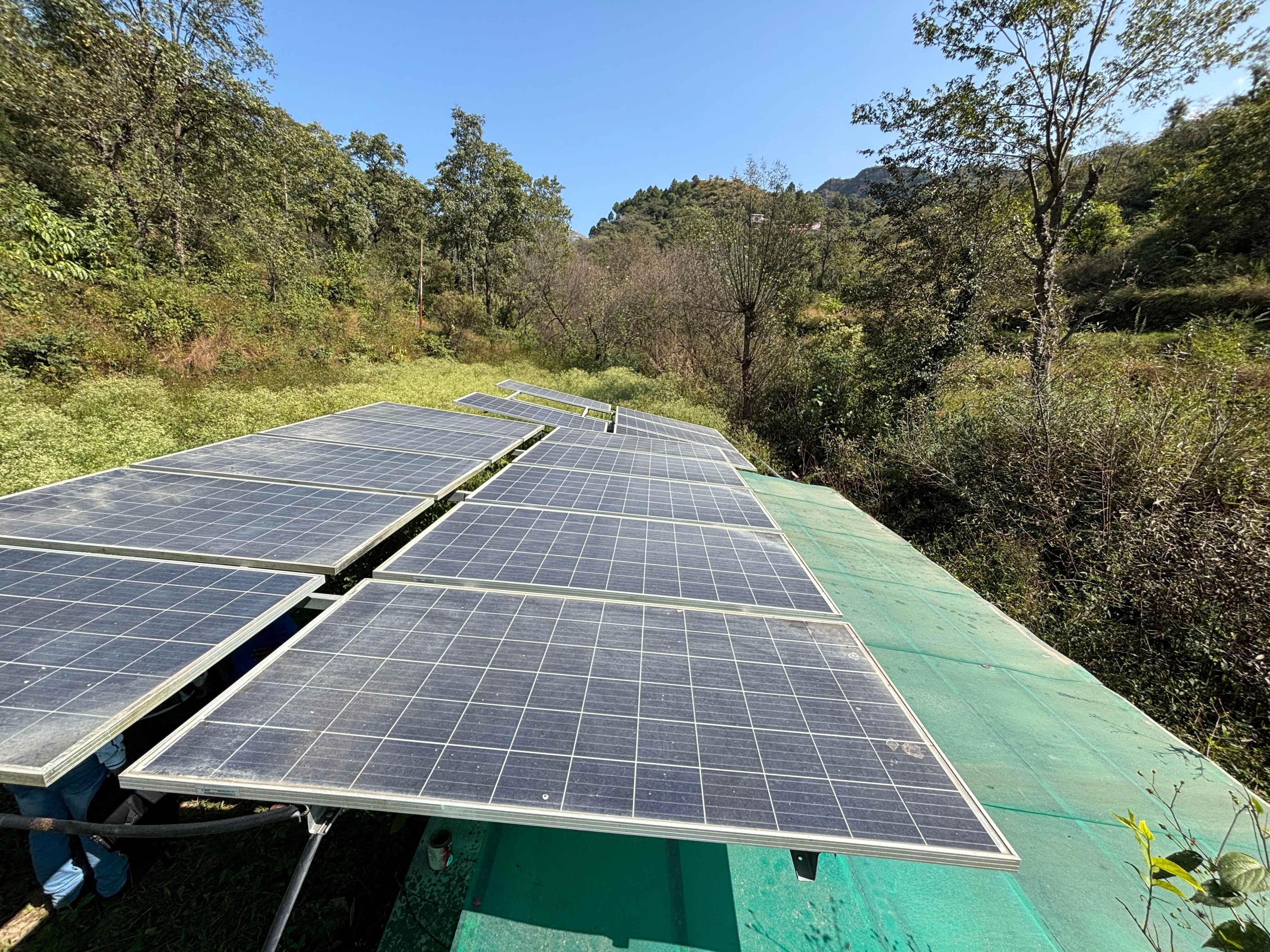
Located near an Ambuja Cements mining area, SerJeri faced acute water scarcity due to erratic rainfall and lack of irrigation, resulting in low productivity and vulnerable livelihoods. To address this, Ambuja Cements’ CSR arm implemented a NABARD-funded Watershed Development Project in 2019 in Patti Badog, covering 392 households and treating 991 hectares through soil conservation, water harvesting, and sustainable agriculture practices.
Key interventions included check dams, water storage structures, contour trenching, revival of traditional water systems, plantation drives, and promotion of drip irrigation. Strong community participation, led by the Village Watershed Committee, ensured ownership and long-term sustainability.
To strengthen irrigation, a solar-powered lift irrigation system was installed, enabling reliable, zero-cost water access through pipeline distribution. The intervention benefited 24 households across 8 hectares, increased cropping intensity from two to three cycles, and enabled a shift to cash crops such as garlic, onion, tomato, and horticulture. It also reduced irrigation costs, improved groundwater recharge, and lowered carbon emissions.
The initiative has been recognised by NABARD Himachal Pradesh. Its success has led to further government support, including additional solar lift schemes and the SHIVA Project for horticulture development. Village SerJeri now stands as a water-secure, climate-resilient, and economically strengthened community, offering a replicable model for sustainable rural development.
Through this integrated approach, Ambuja Cements has demonstrated how watershed management, renewable energy solutions, and strong community institutions can transform water-scarce regions into climate-resilient and economically vibrant ecosystems.
