Blog

  • HDFC Bank Parivartan Contributes to Saving Over 3.26 Lakh Acres of Farmland from Stubble Burning Across North India

    Pune, June 4: On World Environment Day, HDFC Bank, through its CSR programme Parivartan, in partnership with CII Foundation, announced a landmark milestone in its Crop Residue Management (CRM) initiative, 88% of 3,78,425 acres of farmland have been saved from stubble burning across Punjab and Haryana in the 2025 season. Reaching 86,000 farmers across more than 380 villages in Ludhiana and Sangrur districts of Punjab and Fatehabad district of Haryana, the programme is a comprehensive and impactful private-sector-led effort to tackle agricultural air pollution in North India.

    Stubble burning after the paddy harvest is among the contributors to the severe air pollution that blankets North India every winter, disrupting life and aggravating chronic heart and lung diseases. Burning one tonne of paddy straw, generated in approx. 1/3rd of an acre farm, releases three kilograms of particulate matter into the atmosphere, while also stripping the soil of essential nutrients. Despite a 53% reduction in burning incidents in Punjab and Haryana in 2025, small and marginal farmers continue to face barriers in accessing machinery and managing residue within tight inter-seasonal windows.

    Launched in October 2023 in Ludhiana and expanded in 2024 to Sangrur and Fatehabad, the three-year programme is implemented by CII Foundation across 380 villages. To date, 8 villages have eliminated stubble burning entirely, and 174 have achieved over 90% non-burning compliance.

    Speaking about the milestone, Nusrat Pathan, Head – CSR, HDFC Bank, said,

     “Stubble burning is not simply an agricultural habit – it is a systemic challenge rooted in economics, access, and awareness. HDFC Bank Parivartan’s partnership with CII Foundation has addressed all three dimensions simultaneously. By making machinery accessible to farmers through cooperative tool banks, driving behaviour change through sustained community engagement, and introducing ex-situ solutions like biogas and composting, we have built a model that delivers environmental outcomes alongside real savings for farmers. On World Environment Day, we reaffirm our commitment to scaling this impact further.”

    The programme’s success is anchored in a community tool bank approach: over 450 pieces of farm machinery, including Balers, Super Seeders, Smart Seeders, Mittar Seeders, were procured and donated to more than 140 farmer cooperatives and Farmer Producer Organisations (FPOs), making these available to farmers at an affordable rental cost.  800 tractors were deployed on hire for small and marginal farmers during the peak stubble burning period. Use of machinery enables in-situ residue management, mulching and incorporating paddy straw into the soil while also completing soil preparation, sowing of wheat seeds and fertiliser application in a single operation – reducing stubble management and sowing costs from ₹2,000–₹2,500 per acre to approximately ₹800–₹1,200 per acre, while also improving soil fertility and reducing dependence on chemical fertilisers in the long run. Farmers unable to adopt in-situ straw management methods could use Baler machines to mechanically collect, bundle and dispose of straw in a quick time. Over 30 village youth were mentored and supported with provision of Baler machines to initiate small businesses on paddy straw aggregation, supply chain management and value addition. Eighteen paddy straw-based small biogas units have been installed, and two bio-pelletization plants and one bio-fertiliser plant are being established under the program to enhance ex-situ straw management.

    Farmers’ participation and sustained behaviour change was brought about through thousands of village-level meetings, farmer awareness sessions, and training programmes conducted in partnership with the Agriculture Department.

    Chandrakant Pradhan, Lead – Climate Resilience, CII Foundation, said,

    “What makes this programme exceptional is the depth of community ownership it has generated. Farmers who once had no alternative to burning now champion in-situ management and actively encourage their neighbours. Across villages in Ludhiana, Sangrur and Fatehabad, farmers in large numbers have moved on from the practice of open field burning of paddy straw for years, to become harbingers of a zero burning movement just within a two-to-three-year time, a testament to what becomes possible when communities are equipped, educated, and trusted to lead change.”

    The human dimension of the programme reflects its breadth of reach. Gurmeet Singh of Cheema village, Ludhiana, shifted to CRM practices across his entire farm in 2023 and has since halved his per-acre residue management costs. Paramjeet Singh, a small landholder from Lamba village in Fatehabad, found that access to a cooperative-owned Super Seeder eliminated the financial pressure of expensive private machinery rentals, making sustainable farming viable for even the most resource-constrained households.

    As the programme continues through 2026–27, HDFC Bank Parivartan and CII Foundation are committed to deepening adoption in new villages, expanding ex-situ straw management infrastructure, and building long-term agricultural resilience across the region.

  • InnoVision Marketing Group Earns National Spotlight with Dual Wins at Chief Marketer IGNITE Awards

    SAN DIEGO, June 3, 2026: Nationally recognized marketing agency InnoVision Marketing Group earned two top honors at the inaugural Chief Marketer Network IGNITE Awards, recognizing the agency’s standout work across public relations and digital marketing. The full-service agency received awards in the “Best Press Event” and “Best Website/Microsite” categories, underscoring its integrated approach to strategic storytelling and creative execution. 

    InnoVision’s two Chief Marketer Network IGNITE Awards highlight the agency’s excellence in modern marketing and communications, recognizing its creativity, innovation, strategic impact and execution across multiple sectors. Backed by respected industry brands such as Chief Marketer and PRNEWS, the awards reinforce the San Diego based agency’s ability to compete at a high level alongside nationally recognized brands and agencies, including fellow 2026 IGNITE Award winners Bose, Levi’s and ESPN, among others. 

    InnoVision’s “Best Press Event” win showcases the agency’s impactful public relations work in partnership with Herman Law, a national law firm dedicated to representing survivors of childhood sexual abuse. In coordination with the Herman Law team, InnoVision’s public relations department developed and executed a press conference to raise awareness around proposed Maryland legislation that threatened to limit legal protections for survivors of sexual abuse seeking justice. The campaign spotlighted survivor voices while generating meaningful media attention and informed public dialogue surrounding the issue. 

    The agency also earned recognition in the “Best Website/Microsite” category for its revamped website. Designed to better reflect the agency’s full-service capabilities, the site features a bold visual identity, intuitive user experience and curiosity-driven storytelling strategy that encourages visitors to explore InnoVision’s work, culture and Anti-Agency® approach that makes it a differentiator in the market. 

    “Our PR and digital teams continue to demonstrate what’s possible when talented people unite around meaningful work and a shared vision,” said Ric Militi, CEO/Executive Creative Director of InnoVision Marketing Group. “From helping elevate important social issues and survivor advocacy to building bold, impactful digital experiences that reflect who we are as a brand, these awards represent the power of extraordinary communication, collaboration, passion and purpose-driven creativity. I could not be more proud of our teams and the impact they continue to make together.” 

    The success of both campaigns is a testament to InnoVision’s dedicated in-house marketing team, which delivers a full spectrum of integrated marketing services through 12 specialized departments spanning branding, media, creative, public relations and digital. Named one of Inc.’s 5000 fastest-growing companies for 2025, InnoVision continues to evolve and expand while remaining deeply committed to exceptional client service. By operating as a seamless extension of each client’s internal team, the agency provides tailored marketing solutions designed to support evolving business goals, meet unique client needs and drive measurable impact. 

  • The FIFA World Cup Spending Index: Which Category Do You Fall Into?

    The upcoming FIFA World Cup is expected to be the largest commercial sporting event in history, with FIFA projecting record-breaking $13 billion in revenue across the 2026 tournament cycle. But beyond the goals, rivalries, and celebrations lies something even bigger: a global emotional economy that changes consumer behaviour in real time.

    A new study by Click Intelligence explores how football increasingly influences spending habits, hospitality demand, advertising engagement, retail behaviour, and social commerce during major tournaments. 

    From stress spending during penalty shootouts to celebration spending after dramatic victories, the emotional highs and lows of football are driving measurable shifts in how consumers spend money.

    The report identifies a growing behavioural trend known as “emotional spending,” in which consumers make impulsive purchasing decisions influenced by excitement, anxiety, national pride, social participation, and emotional volatility during live sporting events.

    Key Stats

    • FIFA predicts the 2026 World Cup will generate a record-breaking $13 billion in revenue, making it the most lucrative sporting event in history. 

    • Americans spent $19 billion across restaurants, transport, and accommodation during the 2025 Super Bowl. 

    • Spending within 1km of English football stadiums rises by an average of 4.1% on matchdays. 

    • Average football fan spending reaches £138 per matchday outside of ticket costs alone. 

    • 37% of Gen Z and 39% of Millennials admit to “doom spending” during periods of emotional or economic stress. 

    • 74% of sports fans now follow sport through social media, turning tournaments into real-time digital commerce events. 

    • 49% of Gen Z notice advertising more during sporting events. 

    • Restaurant and bar spending near the Champions League Final increased by 7.4% during the event. 

    • FIFA’s revenues are expected to rise by 73% by the end of the current World Cup cycle. 

    • Fans continue spending billions supporting teams despite ongoing cost-of-living pressures. 

    Football: Emotional Economy

    Football is no longer simply entertainment. Major tournaments now function as large-scale emotional economies capable of influencing how consumers spend, travel, socialise, and engage with brands in real time.

    During events like the FIFA World Cup, emotional intensity rises dramatically. Excitement, anxiety, tribal loyalty, optimism, disappointment, and fear of missing out all contribute to impulsive consumer behaviour that businesses can increasingly track through measurable spending patterns.

    The more emotionally invested fans become, the more reactive their spending behaviour becomes.

    Click Intelligence’s research identified four major emotional spending behaviours that consistently emerge during major football tournaments.

    1. Celebration Spending

    Winning drives reward-based spending behaviour.

    Last-minute goals, qualification victories, dramatic comebacks, and major upsets regularly trigger spikes in:

    • Food delivery orders 

    • Pub and bar spending 

    • Merchandise purchases 

    • Transport demand 

    • Nightlife activity 

    • Group spending behaviour 

    This behaviour mirrors the emotional release fans experience after positive sporting moments.

    The scale of this effect is already measurable. Americans spent $19 billion during the 2025 Super Bowl across restaurants, accommodation, and transport, while the average football fan now spends £138 per matchday, excluding ticket costs.

    Football victories increasingly create short-term “celebration economies” where emotional highs temporarily override budgeting habits.

    1. Doom Spending & Stress Spending

    Football not only influences spending during victories. High-pressure moments can also trigger emotionally driven stress spending behaviour.

    Penalty shootouts, knockout fixtures, rivalry games, unexpected losses, and controversial refereeing decisions heighten emotional states, often leading consumers to seek comfort through spending.

    There will be increased spending on:

    • Takeaways 

    • Alcohol 

    • Impulse purchases 

    • Betting activity 

    • Convenience spending 

    • Emotional “treat” purchases 

    Research shows 37% of Gen Z and 39% of Millennials admit to doom spending during stressful periods, while more than a quarter of Americans report emotionally driven spending linked to economic anxiety.

    Football appears to temporarily amplify these same emotional spending behaviours during high-stakes tournament moments, particularly among younger audiences who are already more emotionally reactive consumers.

    1. Tribal & Identity Spending

    Football spending is increasingly identity-driven rather than purely practical.

    Fans spend money not only to support teams but to reinforce belonging, national identity, and participation within a wider fan community. During major tournaments, emotional loyalty frequently overrides budgeting concerns.

    This drives increased spending on:

    • Shirts and merchandise 

    • Flags and decorations 

    • Watch parties 

    • Travel 

    • Hospitality experiences 

    • Social events 

    Even during periods of economic pressure, supporters continue spending billions supporting clubs and national teams because football fandom is deeply tied to identity and emotional connection.

    The continued commercial growth of football reflects this behaviour. FIFA expects the 2026 World Cup to become the most commercially successful tournament in sporting history, highlighting the enormous financial power of tribal consumer behaviour.

    1. Social Media & Second-Screen Spending

    The modern World Cup experience is no longer confined to stadiums or television screens. Football has become a fully integrated social media event.

    Fans increasingly experience matches alongside:

    • TikTok reactions 

    • Live commentary 

    • Memes 

    • Highlight clips 

    • Influencer content 

    • Live betting apps 

    • Ecommerce promotions 

    This creates what Click Intelligence describes as “second-screen spending” — where emotional reactions on social platforms directly influence purchasing behaviour during live matches.

    The behavioural shift is especially visible among younger audiences:

    • 74% of sports fans now follow sport through social media 

    • 72% of Gen Z sports fans consume sports content socially 

    • 49% of Gen Z notice advertising more during sporting events 

    Emotionally heightened environments combined with algorithm-driven exposure create ideal conditions for impulsive purchasing behaviour, increased ad responsiveness, and real-time consumer engagement.

    Football’s Local Economic Impact

    Major football tournaments also generate substantial economic surges around stadiums, host cities, and fan zones.

    The emotional atmosphere surrounding matches creates measurable increases in:

    • Hotel demand 

    • Transport usage 

    • Restaurant spending 

    • Nightlife activity 

    • Tourism 

    • Local retail spending 

    Research already shows that spending within 1km of English football stadiums rises significantly on matchdays, while spending at restaurants and bars near the Champions League Final increased by 7.4%.

    As the 2026 World Cup expands across the United States, Mexico, and Canada, local economies are expected to experience unprecedented demand spikes throughout the tournament.

    Why Brands Care About Emotional Spending

    Emotionally heightened sporting moments create rare periods where consumer attention, social engagement, and impulsive purchasing behaviour peak simultaneously.

    For brands, this creates significant opportunities across:

    • Retail 

    • Hospitality 

    • Food delivery 

    • Ecommerce 

    • Betting 

    • Transport 

    • Travel 

    • Entertainment 

    Sporting emotion increases:

    • Advertising visibility 

    • Social engagement 

    • Brand recall 

    • Conversion opportunities 

    • Impulse purchasing behaviour 

    Businesses that understand emotional spending patterns are increasingly building campaigns around live sporting moments rather than relying solely on traditional advertising schedules.

    Expert Insight

    James Owen, Co-Founder of Click Intelligence, states:

    “Major football tournaments are becoming real-time emotional economies. The emotional volatility of sport increasingly shapes where consumers spend, how quickly they make purchasing decisions, and which brands successfully capture attention during high-pressure moments.

    The 2026 World Cup will likely become one of the largest emotional spending events ever measured, creating enormous opportunities for brands that understand how consumer behaviour changes during live sporting experiences.”

    Conclusion

    The FIFA World Cup is no longer just a sporting tournament. It has become one of the world’s largest emotional economies, capable of influencing consumer behaviour at enormous scale.

    From celebration spending after dramatic wins to stress spending during penalty shootouts, football increasingly shapes how consumers spend money in real time.

    As the 2026 World Cup approaches, businesses, marketers, retailers, and hospitality brands are preparing for what could become the most commercially influential sporting event the world has ever seen.


  • Naso Profumi Introduces the Attar Bag Charm: A Fragrant Keepsake for Everyday Rituals

    Naso Profumi Introduces the Attar Bag Charm: A Fragrant Keepsake for Everyday Rituals


    Naso Profumi reimagines the art of traditional attar-making with the launch of its Attar Bag Charm, a bespoke accessory designed to carry fragrance as an intimate part of everyday life. Encased in an intricately crafted silver exterior, the charm balances contemporary design with the heritage of Indian perfumery.

    At its heart lies a handcrafted attar created using rich botanical ingredients, chosen for both their olfactory beauty and grounding qualities. Inspired by the connection between scent, memory, and ritual, the fragrance unfolds gently through movement and touch, creating a personal sensory experience that lingers throughout the day.

    Designed to travel with its wearer, the charm releases delicate traces of fragrance through everyday moments, transforming scent into something instinctive and deeply lived-in. Whether accompanying long journeys, quiet mornings, or intimate evenings, it serves as both a meaningful accessory and a treasured keepsake.

    Founder Astha Suri shares, “We wanted to create something that felt intimate, emotional, and lasting, a piece that becomes part of your everyday rituals and memories. The Attar Bag Charm is designed to travel quietly with you, offering moments of comfort, grounding, and beauty wherever life takes you.”

    Available in scents including Oud Mud, Saffron Musk & Amber, Basil Infused in Sambac, Mint Infused in Rose & Lemon, Gardenia Marigold, Tabac, Tamarind, Pepper Wood, Sarawak Mazzo, Blackcurrant, and Palo Santo, each charm offers a unique fragrance journey rooted in craftsmanship and self-expression.

    Shopping Link:https://www.nasoprofumi.com/products/attar-copy

  • 121 Finance Crosses INR 10 Crore in GeM Sahay Disbursements, Strengthening MSME Access to Digital Credit

    Mumbai,  June 4 : 121 Finance, a  NBFC-Factor, has crossed INR 10 crore in cumulative disbursements through GeM Sahay, the credit facility integrated with the Government e-Marketplace . The company has disbursed over 2,600 loans to more than 400 MSMEs across 173 cities in 27 states, helping small suppliers access working capital against confirmed government purchase orders.

    Built on the Open Credit Enablement Network , GeM Sahay enables eligible MSMEs to access collateral-free, short-term financing in minutes by leveraging transaction data from government procurement orders. 121 Finance was the first lender to go live on GeM Sahay and remains the largest lender on the platform.

    The company has focused on serving small-ticket credit needs, often underserved by traditional lenders. Its collection-controlled lending model routes repayments through cash flows generated from government orders, enabling faster and more efficient underwriting while reducing credit risk. It has built its own technological backbone to meet high-volume micro-ticket transactions efficiently. With GeM Sahay, 121 Finance has shown how underwriting and disbursing loans of as small as INR 127 can be made possible by digital public infrastructure, demonstrating how even the smallest business finance needs can be met.

    Commenting on the milestone, Dr. Ravi Modani, Founder & Managing Director, 121 Finance, said:

    “India’s MSME ecosystem requires credit products that are aligned with business cash flows rather than traditional collateral-based lending. GeM Sahay demonstrates how digital public infrastructure and OCEN can make formal credit accessible to even the smallest enterprises. Our focus remains on enabling seamless, transaction-based working capital financing for MSMEs across the country. Our expertise in technology-enabled factoring and cashflow-based lending has enabled us to develop scalable financing solutions that align with the business cycles of MSMEs and provide access to formal credit where it is most needed.”

    According to GeM data, the platform crossed INR 5 lakh crore in Gross Merchandise Value during FY25 and has recorded cumulative transactions exceeding ₹18 lakh crore since inception. With over 11 lakh MSMEs registered on the platform, the opportunity for embedded, cash-flow-based financing continues to expand.

    Commenting on the broader significance of the initiative, Sagar Parikh, Core Volunteer at iSPIRT, the institution behind OCEN and India Stack, says,

     “GeM Sahay demonstrates how OCEN can enable highly personalised, cashflow-based lending at scale. By combining transaction-linked underwriting with controlled repayment mechanisms, it helps expand credit access while improving portfolio quality.”

    Industry stakeholders view GeM Sahay as one of the first scaled demonstrations of OCEN-enabled lending, showcasing how transaction-based underwriting can improve credit access for underserved businesses while maintaining portfolio quality.

    Adding to this, Rahul Bhaik, Volunteer, iSPIRT said

    “GeM Sahay is one of the first large-scale demonstrations of cashflow lending in India. It shows how verified transaction data can help deliver credit in minutes while creating better outcomes for MSMEs.”

    Building on its experience with GeM Sahay, 121 Finance is exploring opportunities to extend similar purchase-order-linked financing solutions across other government procurement ecosystems, further supporting MSME growth and financial inclusion.

  • How to Dress for & Host in Soccer Summer Sustainably, Affordably, and Full of Team Spirit

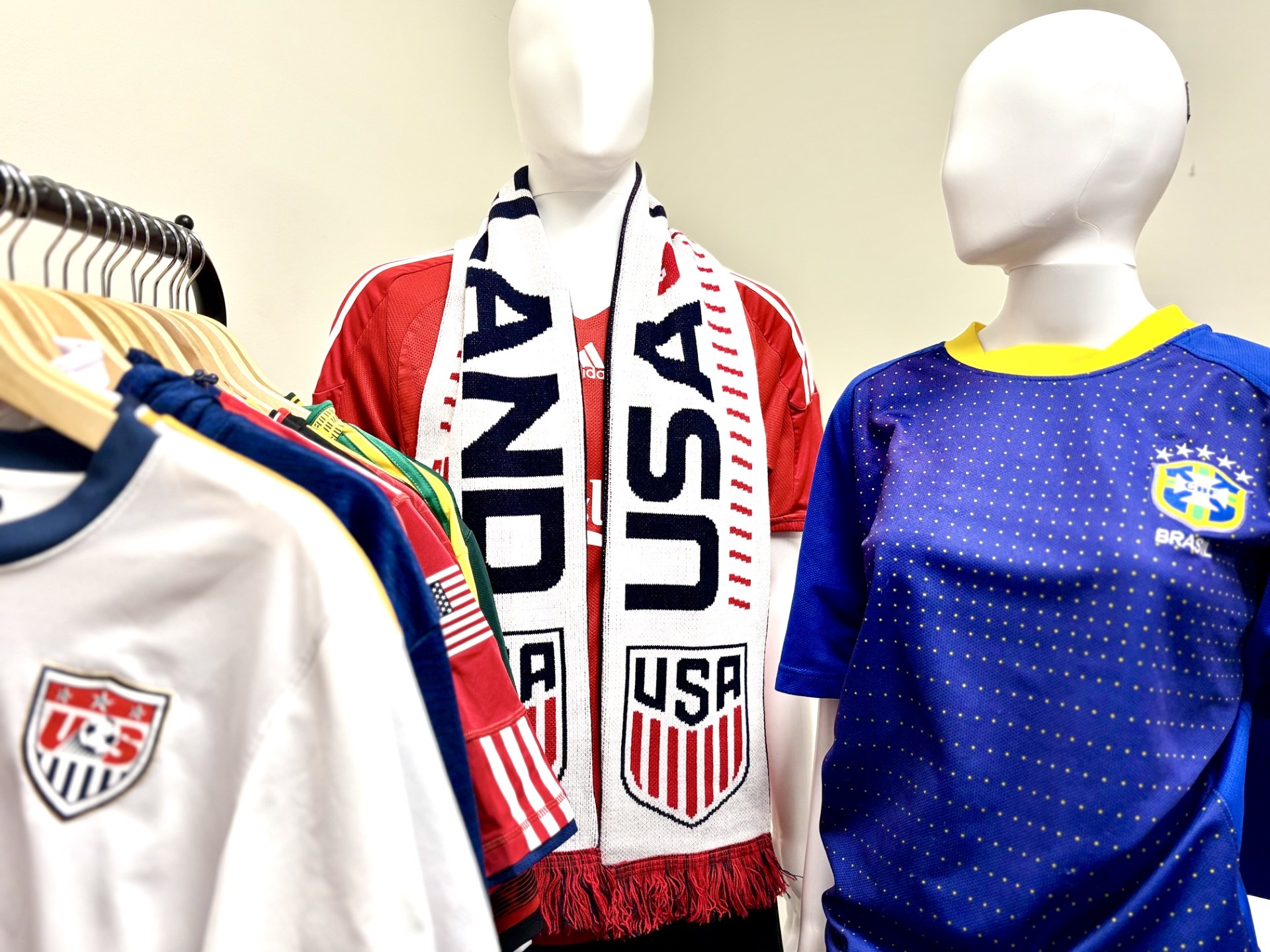
    Seattle, WA June 2, 2026. With global excitement building around the FIFA World Cup, fans everywhere are getting ready for watch parties, international pride, and nonstop soccer energy. Whether you’re gathering friends at home or heading out to celebrate with fellow fans, you don’t need an official jersey—or a big budget—to get into the spirit. Thrifting offers a creative, sustainable way to show your team pride and host memorable match-day gatherings.

    News In Pics

    What to Wear When You Don’t Have a Jersey

    No official kit? No problem. Thrifting makes it easy to show your team pride with creative, one-of-a- kind looks:

    • For Team USA: Look for white and red striped shirts—an easy, recognizable nod to national colors that’s simple to thrift.

    • Retro soccer jerseys: Keep an eye out for vintage international kits or local club gear—they add authenticity and a unique edge.

    • Color blocking: Build an outfit around your team’s palette using basics like tees, jackets, and accessories.

    • Athletic wear: Tops, hats, sneakers, and other pieces can mirror team colors and styles. Pair bold colors with classic denim or neutral basics for a balanced, wearable look.

    Style tip: Balance bold colors with neutral staples like denim or solid basics to keep the look wearable beyond match day.

    Thriftable Hosting Essentials for Match-Day Watch Parties

    Hosting a World Cup watch party? Skip disposable décor and build a reusable, visually striking setup with secondhand finds:

    • Serveware in team colors like red, white, and blue—or mix and match pieces to reflect the countries playing that day.

    • Platters and bowls for passing and sharing snacks like chips, fruit, or sliders.

    • Glassware, mason jars, or reusable cups for beverages that minimize waste.

    • Table linens or scarves in bold colors that can double as décor and conversation starters.

    Pro tip: Choose a versatile color theme you can reuse throughout the tournament—or adapt it as different teams play.

    News In Pics

    Why Thrifting Matters This World Cup

    Celebrating the World Cup through secondhand finds isn’t just cost-effective—it’s impactful. When you thrift your outfits, décor, and hosting supplies, you help reduce waste and extend the life of quality goods. With Evergreen Goodwill, you also support community programs that create pathways to jobs and economic mobility.


  • NAREDCO Maharashtra Felicitates UPSC Achievers, Celebrates India’s Future Civil Servants

    NAREDCO Maharashtra Felicitates UPSC Achievers, Celebrates India’s Future Civil Servants

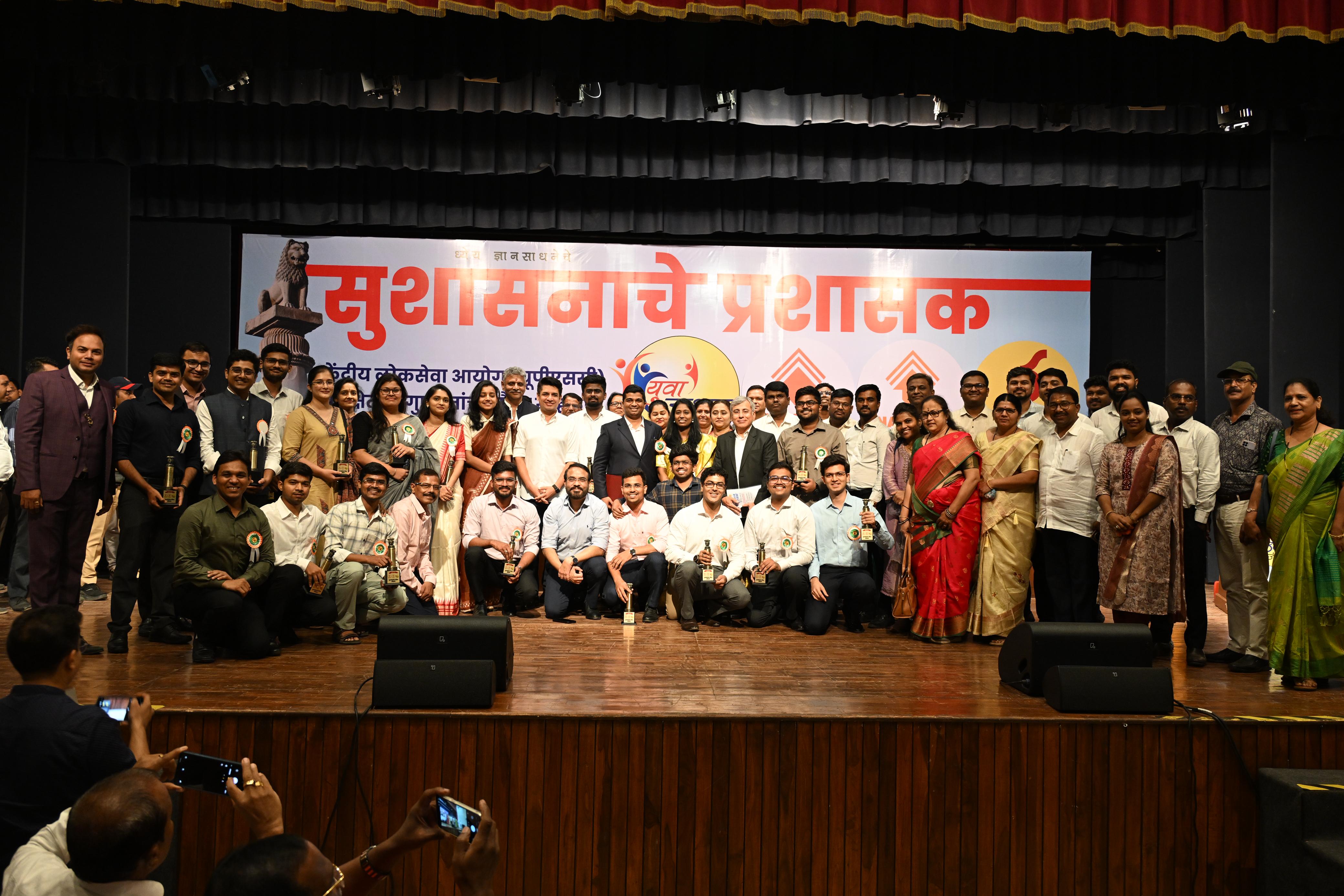
    Mumbai, June 04: Demonstrating its commitment towards youth empowerment and nation-building, NAREDCO Maharashtra and NAREDCO Pune took a noble initiative to encourage and support the felicitation of successful UPSC candidates at a special ceremony jointly organized by Yuva Utthan Foundation. For the past four years, NAREDCO Maharashtra has proudly supported this noble endeavour, recognizing the dedication and excellence of UPSC achievers while inspiring countless young aspirants to pursue careers in public service and contribute to India’s development. The event was held at the Yashwantrao Chavan Centre, Nariman Point, Mumbai, bringing together distinguished leaders from government, administration, industry and academia to celebrate the achievements of India’s future civil servants. 

    The programme was graced by eminent dignitaries including Shri Narayan Rane, Member of Parliament and Former Chief Minister of MaharashtraShri Satyajeet Tambe, Member of Legislative Council (MLC), MaharashtraDr. Niranjan Hiranandani, Chairman Emeritus, NAREDCO MaharashtraShri Sanjeev Jaiswal, IAS, Vice President & Chief Executive Officer, MHADA; Shri Mallinath Jeure, IRS, Additional Commissioner, GST; and Smt. Mokshada Patil, IPS, Additional Commissioner of Police, Mumbai. 

    Addressing the gathering, Mr. Kamlesh Thakur, President, NAREDCO Maharashtra said, “The UPSC examination represents one of the highest standards of merit, perseverance and public service commitment in the country. Recognizing and honouring these achievers is an investment in India’s future leadership. Through such initiatives, we aim to inspire more young minds to contribute meaningfully to governance, policymaking, and nation-building.” 

    Dr. Niranjan Hiranandani, Chairman Emeritus, NAREDCO Maharashtra stated, “The success of these young achievers reflects not only academic excellence but also resilience, discipline and a strong sense of responsibility towards society. India’s progress depends on capable and ethical administrators who can drive positive transformation. We are proud to celebrate these future leaders who will play a vital role in shaping the nation’s development journey.” 

    Mr. Rajan Bandelkar, Founder of NAREDCO Maharashtra remarked, “The milestone achievements of UPSC aspirants reflect the immense potential of India’s youth and their dedication towards public service. It is important that society recognizes and encourages such talent. Platforms like these not only honour excellence but also motivate future generations to pursue careers that strengthen governance, public administration and national development.” 

    The felicitation ceremony served as a platform to acknowledge the hard work, determination and aspirations of successful candidates while encouraging thousands of young aspirants preparing to serve the nation through the country’s prestigious administrative services. 

    As a responsible industry body committed to social impact NAREDCO Maharashtra remains dedicated to supporting initiatives that promote education, leadership development and youth empowerment. Under its CSR initiatives, NAREDCO Maharashtra plans to undertake larger and more impactful programmes in the future to encourage greater participation among UPSC aspirants and young individuals aspiring to join India’s administrative and public service institutions. The organization also invites leading corporates and industry stakeholders to collaborate in these initiatives and contribute towards nurturing the next generation of public leaders who will shape the future of the nation.

  • WiXtar Introduces Agentic AI Store Manager for Automated Restaurant Operations

    Featuring a 24/7 AI Store Manager, the solution combines front-of-house, back-of-house and headquarters operations to support data-driven decision-making across chain restaurants.
     

    WiXtar Introduces Agentic AI Store Manager for Automated Restaurant Operations


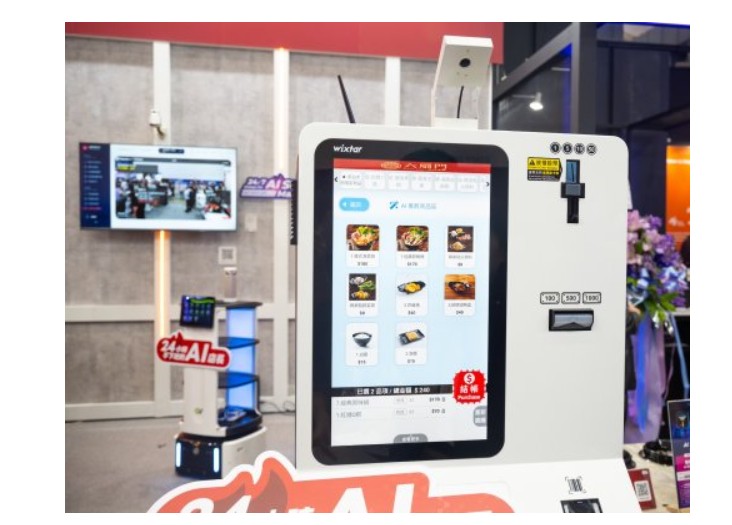
    With an annual output value of NT$40 billion, Taiwan’s hotpot sector stands as one of the largest segments within its food and beverage (F&B) industry. Nevertheless, a persistent labor crunch has left frontline store management grappling with ongoing staffing gaps. In order to resolve this labor-induced management deficit, WiXtar, the leading brand in F&B technology under the BenQ Qisda Group, has partnered with 6owl Door to debut the world’s first Agentic AI hotpot store at COMPUTEX 2026. The actionable deployment of Agentic AI in the F&B industry is demonstrated by a “24/7 AI Store Manager” that integrates front-of-house (FOH) consumer experiences, back-of-house (BOH) management, and corporate headquarters (HQ) decision-making. This highlights the Group’s strategic layout in “AI solutions and smart manufacturing.”

    According to the 2025 annual report of the Ministry of Labor, annual salaries in the food and beverage (F&B) sector surged by 7.5%. However, persistent vacancy rates and staff turnover suggest that the labor shortage cannot be resolved through wage adjustments alone. Lee Yu-hsuan, General Manager of 6owl Door, noted: “The real challenge for chain restaurants stems from rapid employee turnover alongside inexperienced new hires, compounding the operational complexities of frontline management. From labor scheduling and inventory control to sales forecasting and anomaly detection, numerous tasks that once relied on empirical judgment are precisely the scenarios where AI delivers its greatest value.”

    AI 24/7 Store Patrol Robot: The World’s First “24/7 AI Store Manager” Delivering Round-the-Clock Inspections
    Integrating 360-degree panoramic imaging and Vision-Language Models (VLM) scene recognition and analytics technology, this system automatically collects images for analysis and converts them into execution commands via WiXtar’s AI decision-making platform. Additionally, the system recalibrates detection tasks based on mealtimes. This includes conducting sanitation and personnel grooming audits pre-service; monitoring food preparation volumes in-service; and managing safety and disaster-prevention protocols post-service. This 24/7, uninterrupted smart inspection support offloads multiple manual inspection functions from frontline staff.

    AI Self-Ordering Kiosk: The Sales Expert on Consumer Behavior and Preferences
    In the front-of-house (FOH) customer touchpoints, self-ordering kiosks, QR code ordering, and the integration of VLM scene recognition and analysis enable the detection of customers’ hesitations or transactional friction in real time. Customers are then directed through the ordering process and given AI-based product and set-meal options. The endeavor to provide recommendations increases average order value (AOV) and alleviates the FOH manpower burden.

    WiXtar Introduces Agentic AI Store Manager for Automated Restaurant Operations


    AI Decision-Making Platform: The Data-Driven Store AI Command Center
    An AI decision-making advisor that offers actionable recommendations has been created by integrating omnichannel transactions, membership data, inventory, and ERP systems, and by leveraging D8AI’s AI Agent Builder platform. These recommendations include pre-opening ingredient prep and labor scheduling, mid-shift real-time sales intelligence, and post-closing operational insights and improvement plans. This advisor drives real-time frontline execution, enabling management decisions to transition from being “experience-driven to data-driven.” Simultaneously, it empowers corporate headquarters to proactively align with frontline demands in real time while maintaining a precise grasp on individual store performance.

    AI Ordering and Receiving: The Food Waste Sentinel of the Smart Supply Chain
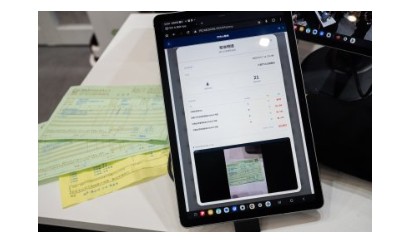
    By incorporating historical sales data, weather, holiday calendars, and budgeting, the system automatically generates AI order recommendations. Upon receipt, the system uses VLM image recognition to identify incoming orders, automatically cross-reference the data, and complete receiving verification. This eliminates labor-intensive manual invoice entry and verification, enforcing a digital audit trail across the entire workflow to mitigate food waste and cut operational costs at the source.

    From SaaS Platform to AI Infrastructure: WiXtar’s Digital Edge and Strategic Deployment Roadmap
    According to May Kang, CEO of WiXtar, “In the age of Agentic AI, global SaaS is transitioning from licensing sales modules to actively driving business outcomes, fueling WiXtar’s evolution into an execution-level Agentic AI that empowers brands to build actionable, quantifiable AI infrastructure. By leveraging our data-driven foundation, brands can obtain quantifiable business outcomes, such as improving restocking accuracy rates and increasing order volume.” Leveraging its one-stop vertical integration expertise across the Asia-Pacific region, WiXtar is accelerating the F&B industry’s AI transformation by scaling its Agentic AI operating model across more than 47,000 chain outlets.

    WiXtar is joining the BenQ Qisda Group’s COMPUTEX AI IN ACTION exhibition zone to demonstrate the group’s commercial deployment and integration capabilities in “AI solutions and smart manufacturing.” The AI restaurant solutions will be showcased on the 4th Floor of TaiNEX 1 (Taipei Nangang Exhibition Center, Hall 1) (Booth Number M0104) from June 2 to June 5, fostering a more sustainable and intelligent future through collaborative endeavors.

    Exhibition Information:
    Date and Time: June 2, 2026, to June 4 9:30 – 17:30. June 5 9:30-15:30.
    Venue: Taipei Nangang Exhibition Center, Hall 1 (No. 1, Jingmao 2nd Rd., Nangang Dist., Taipei City)
    Booth Name: BenQ Booth Number: M0104 (4F)

    Participating Companies at COMPUTEX 2026 of BenQ Qisda Group:
    BenQ Corporation, Qisda Corporation, AEWIN Technologies, Alpha Networks, APLEX Technology, Arivor Technologies, DATA IMAGE, DFI, D8ai, Grandsys, MetaAge, Partner Tech, URSROBOT, WiXtar

  • India Surpasses 150 GW Solar Milestone as Sector Eyes Second-Largest Market Status in 2026: Rubix Data Sciences

    Mumbai, India, June 04: Against a backdrop of rising US-Iran tensions and surging oil prices that have once again exposed the world’s dependence on fossil fuels, India’s solar energy sector is entering a pivotal phase of expansion. Driven by strong policy support, rising consumer adoption, and rapid manufacturing scale-up, solar power is increasingly becoming central to India’s long-term energy security and sustainability strategy, particularly because it imports more than 85% of its crude oil requirements. Rubix Data Sciences has released its latest report titled Solar Energy Update” as part of its Rubix Industry Insights series. An update to the Solar Energy report published in March 2025, it provides a comprehensive assessment of India’s solar landscape, covering capacity additions, manufacturing dynamics, trade flows, government initiatives, and the investment environment.
     
    The report notes that FY2026 marks a watershed year for India’s solar growth. Cumulative installed solar capacity reached 150.26 GW as of 31 March 2026, crossing the 150 GW milestone. FY2026 also recorded the highest-ever annual solar addition of 44.61 GW, exceeding the government target of 34 GW and nearly doubling the previous record of 23.83 GW in FY2024–25. Over the decade from FY2016 to FY2026, annual capacity additions grew from 3.13 GW to 44.61 GW, a more than fourteen-fold increase. Distributed Renewable Energy from solar accounted for 16.3 GW or 36% of total additions, while the PPA route and C&I segment contributed 34% and 30% respectively.
     
    India has steadily improved its global standing from 9th place in 2015 to 3rd place in cumulative installed solar capacity by 2025, and is poised to become the world’s secondlargest solar market in 2026 in terms of annual installations.
     
    The report highlights significant regional concentration, with seven states accounting for approximately 85% of cumulative installed solar capacity. Rajasthan and Gujarat have consistently held the top two positions, while Maharashtra has risen sharply from 8th to 3rd place and Karnataka from 10th to 5th over the same period.
     
    On manufacturing, India added 119 GW of solar module capacity and over 9 GW of cell capacity in 2025, taking total module capacity to approximately 210 GW. This far exceeds domestic demand of 40-45 GW annually, with capacity utilisation falling to around 40%, down from over 70% in FY2023. The report notes that nearly 30 GW of existing capacity remains dependent on older MonoPERC technology, which is rapidly being displaced by next-generation TOPCon technology, heightening the risk of margin compression and consolidation among manufacturers unable to upgrade. Solar PV exports peaked at USD 1.97 billion in FY2024 before falling to USD 1.12 billion in FY2025, with 97% directed to the US, a dependency critically exposed when combined US tariffs exceeded 200% in April 2026. PV cell imports surged to USD 2.72 billion in the April 2025 to February 2026 period, up from USD 1.44 billion in the prior-year period , driven partly by front-loaded procurement ahead of the government’s mandatory domestic sourcing requirement for solar cells scheduled to take effect from June 2026. China’s share in India’s PV cell imports declined from 83% to 65% year-on-year, signalling gradual but meaningful supply chain diversification.
     
    The report also points to strong investor confidence, with India’s solar sector attracting nearly USD 2.37 billion in FDI in 2025, accounting for over 4% of total FDI inflows and roughly 76% of all non-conventional energy FDI.
     
    The report further details key government initiatives driving India’s solar transition. PM Surya Ghar: Muft Bijli Yojana, the world’s largest domestic rooftop solar programme, targets one crore household installations by March 2027 with approximately 22.7 lakh households covered as of January 2026 and nearly 10,000 installations carried out daily. The Union Budget 2026–27 allocated INR 220 billion to the scheme, a 181% increase from FY2024–25. The PLI scheme for solar PV modules, with a total outlay of INR 240 billion, has attracted approximately INR 529 billion in investments and 44,400 new jobs, while ALMM List-III for ingots and wafers, effective from June 2028, is set to deepen upstream domestic manufacturing integration.
     
    “India has delivered a genuinely historic year in solar, 150 GW crossed, 44.61 GW added in a single year, and a credible path to becoming the world’s secondlargest market. But the sector is now entering a more difficult chapter. Manufacturing capacity is running at roughly 40% utilisation, the US has effectively shut its door with tariffs above 200%, and nearly 30 GW of capacity is still based on the technology that the market is moving away from. The companies that survive the next three years will be those that integrate upstream, upgrade to TOPCon, and find markets beyond America. India’s solar ambition is real, but so is the consolidation ahead.” Tushar Bhaskar, President, Rubix Data Sciences.
    Looking ahead, India’s solar capacity is expected to reach 280–300 GW by 2030, in support of the national target of 500 GW of non-fossil fuel capacity, an ambition that will require annual installations to sustain a 50 GW trajectory consistently. Whether that trajectory holds will depend on how effectively the sector navigates its current structural challenges: absorbing manufacturing overcapacity, diversifying beyond the US export market, accelerating upstream integration, and scaling rooftop solar from a subsidy-driven programme into a self-sustaining household utility.
  • AI Must Complement, Not Replace Journalists, Say Experts at Digital Pahchan Event

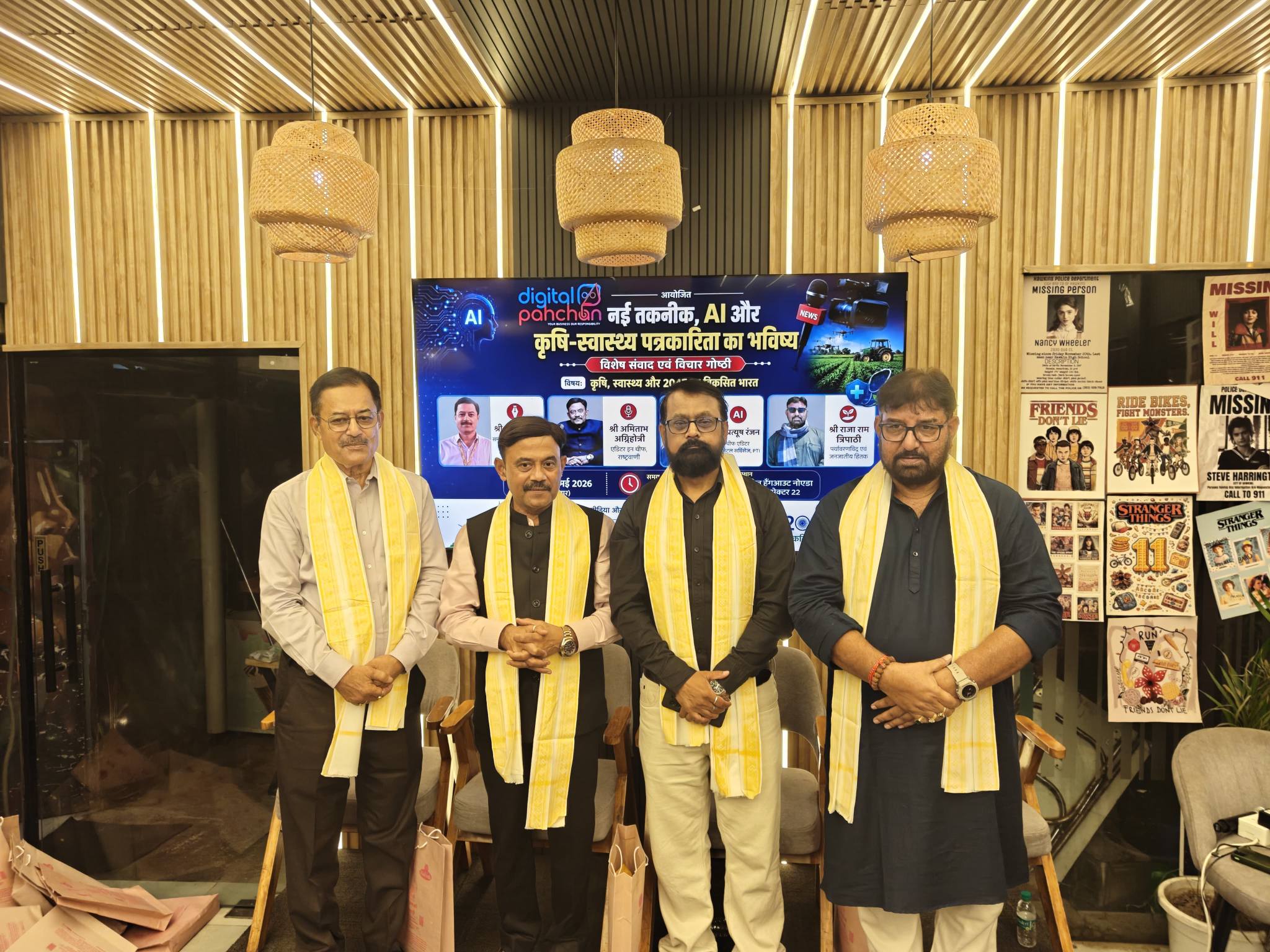
    New Delhi: As artificial intelligence (AI) continues to reshape industries worldwide, a special dialogue and panel discussion on “New Technologies, AI, and the Future of Agriculture and Health Journalism” was recently organized by Digital Pahchan. The event brought together media professionals, communication experts, and thought leaders to discuss the transformative role of AI in journalism and its broader impact on society.

    The discussion extended beyond technology, focusing on how AI is influencing agriculture, healthcare, media, and the overall information ecosystem. Speakers highlighted the opportunities and challenges presented by emerging technologies and emphasized the need for responsible adoption.

    AI Must Complement, Not Replace Journalists, Say Experts at Digital Pahchan Event


    Addressing the gathering, a keynote speaker spoke about the growing influence of AI in journalism and its implications for the future of newsrooms. He noted that AI is increasingly being used in content creation, research, data analysis, translation, fact-checking, and audience engagement.

    “Learning AI is not merely about mastering new tools. It is about understanding when, why, where, and how these tools should be used effectively,” he said.

    He emphasized that AI is not a replacement for journalists but a powerful collaborator that can enhance their capabilities and productivity. At the same time, he cautioned against challenges such as bias, misinformation, deepfakes, lack of transparency, and accountability issues. According to him, every AI-generated output must undergo rigorous ethical review, bias assessment, and fact-checking before publication.

    The event featured insightful contributions from several distinguished speakers. Veteran journalist Uday Kumar shared valuable perspectives on editorial practices in the evolving media landscape. Amitabh Agnihotri discussed the changing nature of media and its growing responsibilities in the digital age, while Raja Ram Tripathi highlighted critical issues related to agriculture, environmental sustainability, and grassroots India.

    Participants agreed that achieving the vision of a Developed India by 2047 will require a robust, trustworthy, and technology-driven information ecosystem. They stressed that while AI will play a pivotal role in shaping the future, its success will depend on responsible use, human judgment, and ethical standards.

    The speakers also expressed gratitude to the Digital Pahchan team for organizing the event and creating a platform for meaningful discussions on the intersection of technology, journalism, and social development.

    The discussion concluded with a shared understanding that the future of AI is not solely about technological advancement but also about responsibility, credibility, and human wisdom—qualities that will be essential in building an informed and resilient society.