Discipline is often seen as key to success in work, fitness, learning, or personal growth, but it’s commonly misunderstood. Many think it means endless hustle, extreme willpower, or strict “Monk Mode” routines, which usually lead to burnout. In reality, discipline is about creating sustainable habits, caring for yourself, and intentionally choosing where to focus your time and energy. Done right, it doesn’t limit freedom—it enhances it, giving you control over your life. As runner Eliud Kipchoge said, “Only the disciplined ones in life are free,” showing that thoughtful discipline allows you to live on your own terms.

Understanding Discipline
Discipline is a skill—both mental and emotional. Unlike motivation, which can be fleeting, discipline gives you a steady structure to consistently take action. It turns your intentions into real results by helping habits stick.
Discipline isn’t about strict rules or forcing yourself to do things you hate. It’s about learning how to manage yourself, stay consistent, and grow over time. True discipline allows flexibility—you can adjust when life gets messy without losing progress.
When done wrong—through toxic hustle culture, extreme self-denial, or overworking—discipline leads to burnout: fatigue, irritability, and a feeling of never being enough. Understanding the difference is the first step to creating habits that actually last.
Start Small and Stay Consistent
One of the best ways to build discipline is to start tiny. Big, radical changes often fail because they overwhelm you. Instead, focus on “ridiculously small” habits that are easy to do every day.
-
Want to exercise? Start with five push-ups or a 10-minute walk.
-
Want to journal? Write just one sentence.
-
Want to work on a project? Spend 15 focused minutes rather than trying to do a whole day’s work.
Consistency beats intensity. Over time, these small actions compound and become part of your routine. Starting small respects your energy and makes habits stick.
Build Systems, Not Just Goals
Goals are important, but relying on willpower alone is exhausting. Willpower is limited—it fades as the day goes on. A better approach is to create systems that make good habits easier.
-
Lay out your workout clothes or set up your workspace the night before.
-
Use reminders, habit trackers, or apps to stay on track.
-
Design your environment to make healthy choices simple and distractions harder.
Good systems let you keep going even when motivation is low. They make discipline automatic rather than a daily struggle.
Set Clear, Achievable Goals
Vague goals are demotivating. Instead, make your goals specific, measurable, and realistic. Break big goals into smaller milestones to feel progress along the way.
-
Instead of “I want to get fit,” try: “I’ll do three 30-minute workouts each week for a month.”
-
Break learning or creative goals into weekly chunks instead of expecting overnight results.
Connect your goals to a deeper purpose—like health, skill growth, or supporting your family. When your “why” is clear, discipline becomes meaningful, not a chore.
Practice Gentle, Flexible Discipline
Discipline doesn’t mean pushing yourself to the point of exhaustion. Gentle discipline focuses on consistency over intensity and kindness over perfection.
-
If energy is low, scale your task down instead of skipping it completely.
-
Make small, repeated actions a habit rather than doing extreme efforts that burn you out.
-
Allow flexibility—life is unpredictable, and that’s okay.
Gentle discipline helps you stay consistent while protecting your mental and physical health.
Rest and Recovery Matter
Rest isn’t a reward—it’s part of discipline. Your mind and body need breaks to maintain focus and energy.
-
Schedule downtime for meditation, hobbies, or light activity.
-
Take short breaks during work, like with the Pomodoro technique.
-
Recognize that recovery strengthens your habits rather than weakens them.
Without rest, motivation drops, productivity suffers, and burnout is inevitable. Treat recovery as part of your disciplined routine.
Use Habit Stacking and Environment Design
Habit stacking pairs new habits with ones you already do. This makes them easier to stick to.
-
Floss after brushing your teeth.
-
Journal after your morning coffee.
-
Stretch after your shower.
Environment design makes good habits easier: keep water nearby to stay hydrated, healthy snacks within reach, and remove distractions like social media notifications. Combined, these small tweaks make discipline feel natural.
Track Progress and Celebrate Wins
Tracking progress keeps you motivated without needing extreme willpower. Use a journal, checklist, or app to see patterns, identify improvements, and celebrate success.
Even small wins matter. Each step forward reinforces your habits and makes discipline more enjoyable. Reflection helps you refine your approach, turning setbacks into learning opportunities.
Mindfulness and Self-Compassion
Being mindful—fully present in the moment—boosts discipline by increasing awareness of your thoughts, behaviors, and distractions. Meditation can strengthen focus, reduce stress, and improve emotional control.
Self-compassion is equally important. Treat yourself kindly when you slip up. View setbacks as learning opportunities, not failures. Journaling your thoughts can help maintain perspective and prevent guilt from derailing your progress.
Mindfulness plus self-compassion builds resilience, making discipline sustainable and burnout-proof.
Build a Support System
Discipline is easier with support. Friends, family, mentors, or online communities provide accountability, encouragement, and perspective.
-
Partner with someone to check in on progress.
-
Share challenges to reduce isolation.
-
Celebrate achievements with others to stay motivated.
Support systems normalize struggles and make your journey less lonely, strengthening both motivation and well-being.
Learn from Setbacks and Build Resilience
Setbacks happen—and that’s normal. The key is to treat them as lessons, not failures.
-
Understand what caused a lapse and adjust your approach.
-
Stay flexible to avoid letting small disruptions derail your progress.
-
Use accountability or mentors to gain perspective and stay on track.
Resilience turns setbacks into growth, making discipline adaptive and long-lasting.
Avoid Extreme Isolation or Denial
Going into extreme “Monk Mode” or cutting yourself off from the world can do more harm than good. Focus is important, but prolonged isolation harms mental health and can lead to burnout.
Discipline should include relationships, social connections, and responsibilities outside your personal goals. True focus thrives alongside a sense of belonging and purpose.
Similarly, total avoidance of indulgence isn’t necessary. Controlled indulgence teaches balance and strengthens self-regulation.
Enjoy the Journey
Discipline is easier when you enjoy what you do. Whether it’s work, learning, or creative pursuits, loving the process keeps you going even on tough days.
-
Choose activities that bring intrinsic satisfaction.
-
Focus on progress, not perfection.
-
Remember, discipline is ongoing—there’s no finish line.
Thinking about life’s impermanence can also sharpen focus. If every moment matters, using your energy deliberately becomes a form of discipline. It’s not about suffering—it’s about choosing what deserves your attention and energy.
Discipline as Freedom
Discipline is a journey, not a punishment. It grows through small, consistent actions, supported by systems, mindfulness, and purpose. Sustainable discipline balances consistency with self-care, letting you thrive without burning out.
Key takeaways:
-
Start small: Consistency over intensity.
-
Prioritize systems: Make habits automatic, not forced.
-
Set realistic goals: Align with values and break them into steps.
-
Be gentle: Scale tasks when needed, avoid self-criticism.
-
Rest and recover: Make downtime part of your routine.
-
Habit stack and design environments: Make discipline effortless.
-
Track progress and celebrate wins: Reinforce momentum.
-
Practice mindfulness and self-compassion: Build focus and resilience.
-
Have a support system: Accountability strengthens adherence.
-
Enjoy the journey: Align discipline with your passions.
Discipline isn’t about punishing yourself. It’s about creating a life where your energy, time, and attention are used deliberately, nurturing growth, freedom, and fulfillment. Done right, discipline becomes not just a path to achievement—but a framework for a balanced, meaningful life.
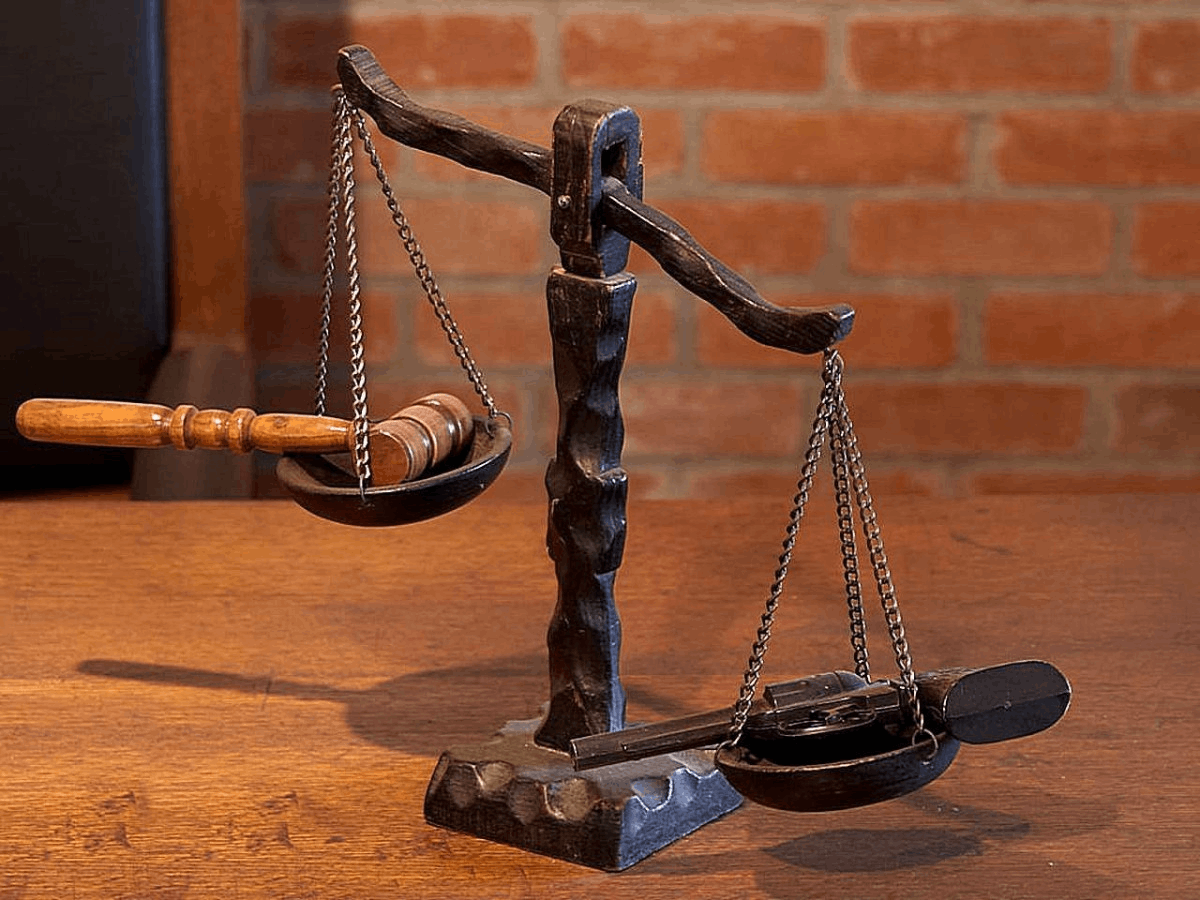
Photo by Ahmet Yüksek ✪: