Author: admin

  • Two-Wheeler Makers Close FY26 Strong Amid Rural Recovery and Premium Demand

    India’s two-wheeler industry wrapped up the fiscal year 2025-26 on a high note, buoyed by a revival in rural markets and a growing appetite for premium models. Manufacturers reported robust sales across motorcycles, scooters, and high-end bikes, signaling renewed consumer confidence and shifting preferences.

    Rural Markets Drive Growth

    A key factor in the industry’s strong performance has been the resurgence in rural demand. After a period of muted consumption, improved monsoon patterns, higher farm incomes, and targeted financing schemes have encouraged rural consumers to invest in personal mobility. Entry-level motorcycles, especially those priced below ₹80,000, saw healthy uptake, supporting sales volumes for brands catering to tier-2 and tier-3 towns.

    Premium Segment Sees Surge

    While rural recovery drove volume growth, urban markets contributed through heightened demand for premium two-wheelers. Scooters and motorcycles with advanced features, stylish designs, and superior fuel efficiency gained traction among young professionals and aspirational buyers. Electric two-wheelers are also slowly finding a foothold, with government incentives and rising environmental awareness nudging consumers toward sustainable options.

    Strategic Moves by Manufacturers

    Two-wheeler companies leveraged the favorable market environment with aggressive product launches, extended dealer networks, and targeted financing offers. OEMs invested in marketing campaigns highlighting safety, style, and efficiency, while expanding digital sales platforms to tap into tech-savvy buyers. Collaborations with fintech companies for easy loan approvals also played a crucial role in boosting rural demand.

    Industry Outlook

    Industry analysts expect the momentum to continue into FY27. Rural income growth, urban aspirational demand, and rising adoption of premium and electric models are likely to drive further expansion. Manufacturers are also focusing on after-sales service improvements, localized supply chains, and innovation in design and technology to sustain growth in a competitive landscape.

    The combination of robust rural recovery and premium demand not only reinforces India’s position as one of the largest two-wheeler markets in the world but also highlights the evolving dynamics of consumer behavior. The sector’s ability to adapt and innovate will determine how it capitalizes on these trends in the years ahead.

  • India’s Defence Exports Hit Record Rs 38,424 Crore in 2025-26

    India’s defence exports surged to an all-time high of Rs 38,424 crore in 2025-26, marking an impressive 62.7% increase compared to the previous fiscal, according to the latest data from the Ministry of Defence.

    This record growth reflects India’s expanding footprint in the global defence market, driven by a combination of indigenous manufacturing, strategic international partnerships, and a strong push for self-reliance under the “Make in India” initiative. Advanced fighter jets, naval vessels, missile systems, and defence electronics were among the key exports contributing to this surge.

    Officials highlight that the rise in exports not only strengthens India’s defence industry but also enhances strategic ties with partner nations. Several deals signed over the past year, including long-term agreements with Southeast Asia, the Middle East, and Africa, have played a crucial role in this growth.

    The increase in defence exports also has significant economic implications. By promoting domestic manufacturing and boosting foreign revenue, the sector is creating high-value jobs, fostering technological innovation, and reinforcing India’s position as a reliable supplier in the global defence market.

    As India continues to focus on advanced indigenous capabilities and global collaborations, defence exports are expected to remain a key driver of both economic growth and strategic influence in the coming years.

  • India Powers Ahead as a Global Renewable Energy Leader

    India has emerged as the third-largest renewable energy market in the world in 2025, according to the latest report by the International Renewable Energy Agency (IRENA). The country’s rapid expansion in solar, wind, and other clean energy sectors reflects a sustained commitment to reducing carbon emissions and meeting growing energy demand.

    The report highlights India’s remarkable capacity additions over the past year, with solar and wind installations leading the growth. Government policies, investment incentives, and private sector participation have all contributed to this acceleration, making India a key player in the global clean energy transition.

    Experts note that India’s renewable energy surge is not only an environmental achievement but also a strategic economic move. Expanding renewable infrastructure supports energy security, creates jobs, and positions the country as a hub for sustainable technology development.

    With ambitious targets set for 2030, India’s renewable energy journey demonstrates how policy, innovation, and investment can combine to transform the energy landscape. The nation’s success serves as an inspiration for emerging economies seeking to balance growth with sustainability.

  • Sweet Surge: India’s Sugar Output Grows 9% This Season

    India’s sugar production has seen a significant boost this season, rising 9% to reach 272.31 lakh tons as of March 31, 2026, according to data from the Indian Sugar Mills Association (ISMA). This increase reflects favorable crop conditions and higher yields across key sugar-producing states.

    The latest figures indicate a steady recovery in output compared to the previous year, driven by improved cane availability, timely harvesting, and supportive weather conditions. Maharashtra, Uttar Pradesh, Karnataka, and Tamil Nadu remain the largest contributors to India’s sugar production, collectively accounting for a major portion of the total output.

    Higher production is expected to ease pressure on domestic supply and could support steady prices in the coming months. The industry has also been focusing on enhancing efficiency and adopting modern milling techniques to maximize sugar recovery from sugarcane.

    With India being one of the world’s largest sugar producers, the rise in production this season strengthens its position in global markets while also meeting domestic demand. The government and industry bodies continue to monitor output and market trends to ensure balanced supply and pricing stability.

  • ISM 2.0: India’s Ambitious Leap to Become a Global Semiconductor Powerhouse

    India is accelerating its push to become a key player in the global semiconductor industry with the launch of India Semiconductor Mission (ISM) 2.0, an upgraded plan to expand the country’s chip ecosystem.

    While the initial ISM 1.0 focused on attracting investments and building foundational infrastructure for chip fabrication, assembly, and testing, the new phase lays out a broader roadmap. It aims to strengthen domestic capabilities across the entire semiconductor value chain — from research and design to manufacturing and supply chain resilience.

    Key Focus Areas of ISM 2.0

    • Research and Development: Supporting innovation in chip technologies and materials.
    • Design and Intellectual Property: Promoting indigenous chip design and reducing reliance on foreign IP.
    • Supply Chain Resilience: Boosting production of essential inputs, equipment, and chemicals for semiconductor manufacturing.
    • Domestic Manufacturing: Expanding high-value production beyond assembly and packaging.
    • Skill Development: Training engineers and technicians to support a growing semiconductor ecosystem.

    The government has approved a substantial budget allocation for this next phase, signaling strong commitment to building a robust and self-reliant semiconductor sector.

    Strategic Importance

    Semiconductors underpin modern technology, powering everything from smartphones and data centers to electric vehicles and AI systems. By broadening the focus from ISM 1.0, India aims not just to participate in global supply chains but to become a contributor to high-value segments, strengthening technological sovereignty and creating job opportunities.

    Looking Ahead

    ISM 2.0 represents a transformative step in India’s semiconductor journey. With its expanded scope and strategic focus, the country is positioning itself as a competitive, innovation-driven hub that can play a significant role in the global chip industry in the years to come.

  • UPI Records 22.64 Billion Transactions in March, Shows Robust Growth

    India’s digital payments ecosystem reached a new milestone in March 2026, with the Unified Payments Interface (UPI) processing 22.64 billion transactions. This represents a significant increase from February and highlights the growing adoption of real-time digital payments across the country.

    The surge in transactions reflects steady growth in both consumer and merchant usage. Compared to February, which saw around 20.39 billion transactions, March recorded an 11% month-on-month rise. On a year-on-year basis, UPI transactions grew approximately 24%, indicating strong long-term momentum.

    In terms of transaction value, UPI also posted impressive numbers. Total transactions in March amounted to ₹29.53 lakh crore, up from ₹26.84 lakh crore in February, marking a 10% month-on-month increase and nearly 19% growth year-on-year. On average, the platform handled around 730 million transactions per day, with an average daily transaction value of about ₹95,243 crore.

    The strong performance in March coincided with festive periods and increased economic activity as the financial year ended, contributing to higher spending and digital payments. UPI’s reach is expanding beyond India, with services now live in several international markets, reflecting its growing influence in global digital payments.

    As India continues its transition toward a cashless economy, UPI remains central to this shift, offering speed, convenience, and financial inclusion for millions of users and businesses nationwide.

  • India’s Real Estate Sector On A High Growth Trajectory: EXCELERATE 2026 Highlights Branded Residences and Institutional Capital as Future Growth Engines

    India’s Real Estate Sector On A High Growth Trajectory: EXCELERATE 2026 Highlights Branded Residences and Institutional Capital as Future Growth Engines

    Mumbai, India Apr 03:  The Indian real estate landscape is undergoing a monumental structural shift, transitioning from traditional family-funded models to a globally integrated, institutionalized asset class. This was the central theme at EXCELERATE 2026, a premier international conclave organized by NAREDCO Maharashtra NextGen in Mumbai. 

    The event brought together over 750 delegates, including global investors, policymakers, and industry titans, to deliberate on the rapid evolution of the sector driven by urbanization, regulatory transparency, and innovative financing vehicles like REITs and Small & Medium REITs (SM REITs). 

    Delivering the keynote address, Dr. Niranjan Hiranandani, Chairman Emeritus of NAREDCO Maharashtra, “India’s real estate sector is at an inflection point, with urbanization set to rise from 35% to nearly 50% by 2047, fundamentally reshaping demand and development patterns. The industry has already transitioned from reliance on family funding to more institutionalized capital through private equity and REITs and is steadily evolving into a global asset class. However, persistent challenges around land availability, pricing and financing need to be addressed,” he said. 

    He further emphasised that ESG considerations, transparency, and compliance will be critical, adding that the sector must evolve from constructing buildings to developing integrated platforms and asset classes. Emerging segments such as senior living, warehousing, and asset management platforms are expected to drive the next growth cycle, with infrastructure acting as the key catalyst. 

    Mr Prashant Sharma, President, NAREDCO Maharashtra, said, “India’s real estate sector is experiencing strong growth driven by a decade of reforms, including the RERA, GST rationalization and supportive RBI policies, which have improved transparency, governance and investor confidence. These changes have led to record property sales and a steady rise in institutional investment.” 

    Mr Vikas Jain, President, NAREDCO Maharashtra NextGen, said, “India’s real estate sector has undergone a remarkable transformation over the past decade. Investor confidence, both domestic and international, is at an all-time high. The platforms like ‘EXCELERATE 2026’ play a critical role in bringing together global and domestic stakeholders to exchange ideas, explore capital partnerships and accelerate the next phase of growth for Indian real estate. The avenues like investments from the family offices and private equity have found new dimensions and asset classes in the sector in the form of branded residences, REITs and INVITs.” 

    The Panel discussion on ‘Family Offices – The Emerging Capital Pool for Indian Real Estate observed that the family offices were increasingly pivoting toward branded residences and hospitality assets as ‘core holdings’ to ensure long-term wealth preservation and generational legacy. Despite complex legal structuring and regulatory hurdles like RERA, the strategic alignment of premium lifestyle services with tangible real estate assets offered superior capital appreciation and a prestigious, liquid investment. 

    In the session “REITs and Invits Unlocking Institutional & Retail Capital, the panellists focused on how India’s Real Estate Investment Trust (REIT) market was witnessing robust growth, emerging as a compelling investment alternative not only domestically; but also, against its Asian peers. 

    On the sidelines, a Report by ANAROCK titled ‘India REITS: Taking a Stride – Building Momentum with Scale & Performance’, was launched wherein it was observed that the real estate sector was rapidly evolving into a mature and high-performing asset class driven by strong fundamentals, regulatory support and increasing investor confidence. The report further stated that the introduction of Small and Medium REITs (SM REITs) in 2025 further enabled real estate investment, facilitating retail participation through fractional ownership model and expected to unlock a monetisation opportunity of Rs 67,000 to Rs 71,000 crore. 

    The Panel on ‘Sustainability in Real Estate – Finance, Incentives & ROI’, emphasized on the financial implications of green development and the necessity of measurable returns on sustainable investments and also explored the growth of data centres, mixed-use developments, and organized rental housing. 

    The event also featured a special session, “Legacy Builders of Indian Real Estate,” celebrating first-generation entrepreneurs who laid the foundation for the industry. This session was preceded by addresses from Ashok Mohanani (Advisory Committee), Sandeep Runwal (Vice Chairman, NAREDCO Maharashtra) and Rajan Bandelkar (Former Vice Chairman, NAREDCO India). 

    The event included special addresses by Mr Rajan Bandelkar, Former Vice Chairman, NAREDCO India, Mr Kamlesh Thakur, Vice President, NAREDCO Maharashtra and other dignitaries. 

    EXCELERATE 2026 concluded that with rising household incomes and deeper global integration, India is well-positioned for a decade of sustained expansion. The shift toward transparency bolstered by RERA and GST has ensured that foreign capital now accounts for more than half of institutional investments in the sector.

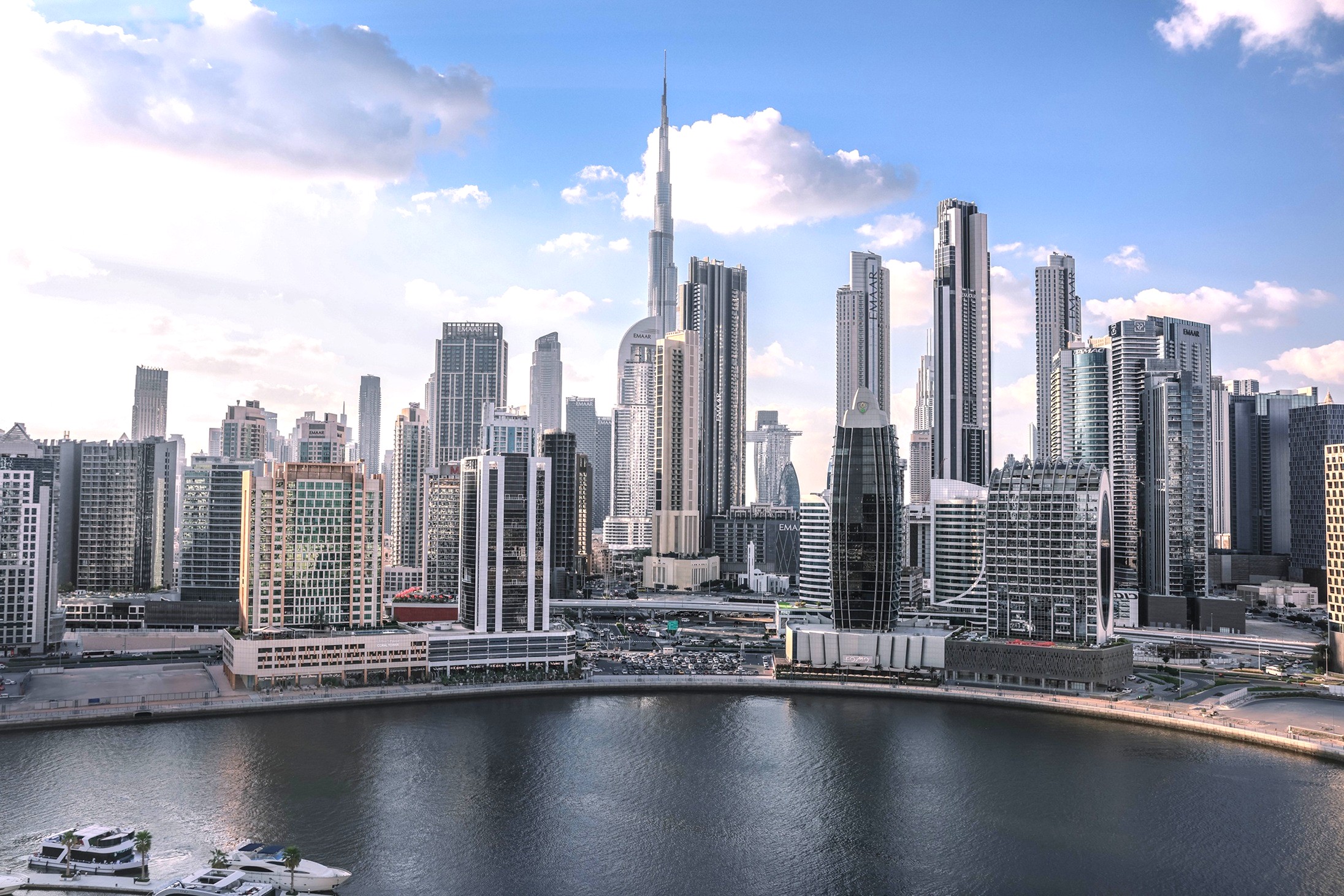
  • Dubai property market sales hit AED176.7B in Q1 2026

    fäm Properties analysis shows transactions rose 23.4% YoY in value, 5.5% in volume to 47,996 deals as off-plan growth continued in March


    Dubai, UAE, 3rd April, 2026: The Dubai real estate market recorded 47,996 sales transactions worth AED176.7 billion in Q1 2026, a 5.5% year-on-year increase in volume and a 23.4% rise in value, as the property sector showed strong resilience in March.


    A market report issued by fäm Properties today reveals that the off-plan segment dominated in Q1, accounting for 70% of sales transaction volume and 71% of total value, reflecting Dubai’s ongoing pipeline of new launches from major developers.

    Dubai property market sales hit AED176.7B in Q1 2026

    Data from DXBinteract showed that the off-plan market remained strong in March, with 10,303 sales transactions amounting to AED31.2 billion, representing YoY increases of 5.4% in volume and 8.9% in value.

    “The market continues to show clear resilience even against a backdrop of regional uncertainty,” said Firas Al Msaddi, CEO of fäm Properties. “The investor confidence we’re seeing now is built on strong fundamentals, transparency and long-term growth drivers that remain firmly in place.”

    Apartments led the way in Q1, with 36,428 sales transactions worth AED75.2 billion, a 10.5% increase in value. Villa sales transactions were up 17.9% in volume YoY to 8,261 deals amounting to AED59.1 billion, while commercial sales transactions, including offices and shops, soared by 69.1% to AED10.2 billion in value, despite a marginal 0.6% fall in volume to 2,048.

    Meanwhile, sales transactions for plots rose 3.2% in volume YoY to 1,193, and by 14.3% in value to AED31.9 billion. The volume of Q1 mortgage transactions increased by 7.5% to 11,829.

    In the primary market, the median price for villas climbed 35.3% YoY to AED4.1 million, while off-plan apartments were up by 3.1% YoY to AED1.4 million. Meanwhile, plots fell 23.6%, likely reflecting a shift in buyer preferences towards ready property.

    A similar trend was seen in the resale market, where median prices for villas climbed 16.2% to AED4.3 million over 2025, and are now 35.1% above 2014 levels. Apartment resale prices rose 6.3% YoY to AED4.3 million, while plot resale prices dropped by 38.3% to AED4.8 million.

    Mortgage transactions totalled 11,829 in Q1, up 7.5% year-on-year, with an overall value of AED59.8 billion, a 46% increase. In the resale segment, cash transactions accounted for 67% of activity, compared to 33% for mortgage-backed purchases.

    The most expensive properties sold during Q1 went for AED 422 million at Aman Residences Tower 2, while the most expensive villa was sold for AED350 million at Jumeirah First. Led by Al Barsha South Fourth, the highest transaction volumes were concentrated in emerging communities attracting buyers with competitive pricing and new off-plan launches. 

    Top 5 Performing Areas by Volume in Q1

    Area

    Transactions

    Value AED

    Al Barsha South Fourth

    3,162

    4.0B

    Dubai South

    2,889

    5.4B

    Al Yelayiss 1

    2,885

    12.9B

    Wadi Al Safa 5

    2,694

    4.5B

    Wadi Al Safa 3

    2,273

    5.3B


    Apartment Average Prices in Top 5 Areas

    Area

    Avg. Price

    Price/sqft

    Dubai Creek Harbour

    2,940,888

    2,559

    Dubai Islands

    2,677,091

    2,782

    Business Bay

    2,265,000

    2,595

    Nad Al Sheba First

    1,405,000

    3,567

    Dubai South

    1,290,000

    1,533


    Villa Average Prices in Top 5 Areas

    Area

    Avg. Price

    Price/sqft

    Me’Aisem Second

    15,831,888

    1,784

    Me’Aisem First

    12,213,000

    2,016

    Al Yelayiss 5

    7,890,888

    1,482

    Nad Al Sheba First

    6,906,000

    2,301

    Dubai South

    4,250,000

    1,327


    Best Selling Projects in Q1 2026 

    Primary Market Apartments


    Project

    Volume

    Value

    Median Price

    Binghatti Vintage

    539

    412.4M

    699.0K

    Maybach 6 – Tower B

    403

    689.6M

    1.4M

    Sierra By Iman

    338

    483.2M

    1.3M

    Binghatti Cullinan

    326

    393.0M

    880.0K

    Samana Boulevard Heights

    281

    250.6M

    757.8K


    Primary Market Villas

    Project

    Volume

    Value

    Median Price

    DAMAC Islands 2 – Bahamas 2

    376

    1.2B

    2.8M

    DAMAC Islands 2 – Cuba

    371

    1.2B

    2.9M

    DAMAC Islands 2 – Bahamas 1

    357

    1.2B

    2.9M

    DAMAC Islands 2 – Tahiti 2

    331

    1.1B

    2.9M

    DAMAC Islands 2 – Bermuda

    323

    1.0B

    2.9M


    Resale Apartments 

    Project

    Volume

    Value

    Median Price

    Peninsula Four

    62

    151.7M

    2.2M

    The Holland Gardens

    54

    81.1M

    1.5M

    Peninsula Three

    48

    87.9M

    1.8M

    Ashjar

    47

    94.8M

    2.0M

    The Neighbourhood C1

    46

    92.8M

    1.9M


    Resale Villas 

    Project

    Volume

    Value

    Median Price

    Rukan 3

    46

    65.4M

    1.2M

    Jumeirah Village Triangle

    41

    203.2M

    5.0M

    The Valley-Nara

    36

    111.8M

    2.9M

    The Valley-Orania

    34

    103.1M

    2.8M

    Aura

    33

    176.5M

    5.2M


  • Johns Hopkins Team Develops Therapeutic, Nasally Delivered DNA Vaccine for Tuberculosis

    Baltimore, USA, Apr 03: Researchers at Johns Hopkins Medicine and the Johns Hopkins Bloomberg School of Public Health have developed a novel intranasal DNA vaccine that could significantly improve treatment outcomes for tuberculosis (TB), one of the world’s deadliest infectious diseases. The findings were published in the Journal of Clinical Investigation.

    The innovative vaccine is designed to be administered through the nose and works alongside standard drug therapies to enhance the body’s immune response against TB. It specifically targets drug-tolerant bacterial “persisters,” which are known to survive prolonged antibiotic treatment and contribute to disease relapse.

    According to the World Health Organization, TB remains a global health crisis, with approximately 2 billion people carrying latent infections and more than 10 million new active cases reported annually. In 2024 alone, the disease caused an estimated 1.2 million deaths, making it the leading cause of death from a single infectious agent.

    “Administered together with first-line TB drug therapy, our intranasal DNA fusion vaccine helped infected mice clear the disease bacteria faster, reduced lung inflammation, and prevented relapse after treatment ended,” said Styliani Karanika, M.D., lead author of the study and faculty member at the Johns Hopkins Center for Tuberculosis Research.

    The vaccine combines two genes—relMtb and Mip3α—to stimulate a targeted immune response. This fusion helps attract and activate dendritic cells, which play a crucial role in presenting TB-related proteins to T cells, thereby enabling a more effective immune attack on the bacteria.

    Unlike traditional vaccines, the intranasal delivery method focuses the immune response directly in the lungs—the primary site of TB infection. This approach not only enhances localized immunity but also generates long-lasting systemic immune responses.

    Preclinical studies demonstrated promising results. In mice, the vaccine improved bacterial clearance, reduced inflammation, and prevented relapse. Additionally, it enhanced the effectiveness of a powerful TB drug combination, suggesting potential benefits in treating drug-resistant TB cases.

    Further testing in rhesus macaques showed that the vaccine generated durable immune responses in both the bloodstream and respiratory tract, lasting at least six months. While these findings are encouraging, researchers emphasized that additional studies are needed before progressing to human clinical trials.

    “Our nonhuman primate data provide an important translational bridge between animal studies and future clinical applications,” added Karanika. “This approach could help shorten treatment durations and improve outcomes, particularly in difficult-to-treat TB cases.”

    The study highlights a broader shift in TB treatment strategies, focusing on combining immunotherapy with antibiotics to target both active and persistent bacteria. Researchers note that DNA vaccines also offer practical advantages, including stability and efficient manufacturing, which could support large-scale deployment if proven effective in humans.

    The research was supported by multiple funding sources, including grants from the National Institutes of Health, and represents a significant step forward in the global fight against tuberculosis.

  • Infinix NOTE 60 Pro Set To Bring a New Design Benchmark with Active Matrix LED Display and Flagship Aluminium Craftsmanship

    Infinix NOTE 60 PRO

    Apr 3, New Delhi: Infinix, a new-age smartphone brand, is set to introduce a unique feature in its upcoming NOTE 60 Pro, a smartphone carefully designed with aspirational design at its core, seamlessly blending innovation first through its customizable Active Matrix LED Display.
     
    At the heart of the NOTE 60 Pro is a customizable Active Matrix LED Display, precisely embedded within the iconic island camera module, designed to stand out from the scroll and keep users connected in the moment. Driven by 288 independent LED pixels, it delivers enhanced visibility and dynamic lighting patterns for a more expressive and customizable experience, transforming everyday alerts into a visually engaging interaction. The Active Matrix Display lets users check what matters, without unlocking, without distractions, whether it is calls, messages, time, weather, charging status, or notifications. Users can also adjust brightness levels through in-device settings for better visibility across different environments. With features such as Customizable Matrix Studio, Pixel Pets, Mini Games like Dosh Dash and Star Blast, and music-responsive lighting effects, the NOTE 60 Pro brings together work, play, and personal expression in a way that feels intuitive and distinctive. And under all that beauty, power begins to stir.
     
    Crafted to inspire, the NOTE 60 Pro blends premium materials such as Aluminium, refined detailing, and a modern minimalist design language to create a smartphone that feels as aspirational as it looks. Its bold island camera module, premium metal finish, and balanced form factor are designed to create an instantly recognizable identity, while the sturdy construction enhances structural integrity, keeps the phone rigid, and improves long-term durability, making the device more than just a tool; it becomes a statement.

    Built with a flagship-level Aluminium design approach, the NOTE 60 Pro features a premium metal frame that enhances durability, structural rigidity, and in-hand confidence. Designed to balance strength with sophistication, it delivers a refined finish that feels solid, balanced, and premium from every angle. The frame further elevates the device’s luxury appeal through its texture, weight, and craftsmanship, making the NOTE 60 Pro a smartphone where design, interaction, and expression come together for those who aspire for more.
     
    Stay tuned to know more about the soon to be launched – Infinix NOTE 60 Pro