Author: admin

  • ”AgriTech Startup Cropcoin Technologies raises Rs 12 Crore in Pre-Series A led by Unicorn India Ventures’

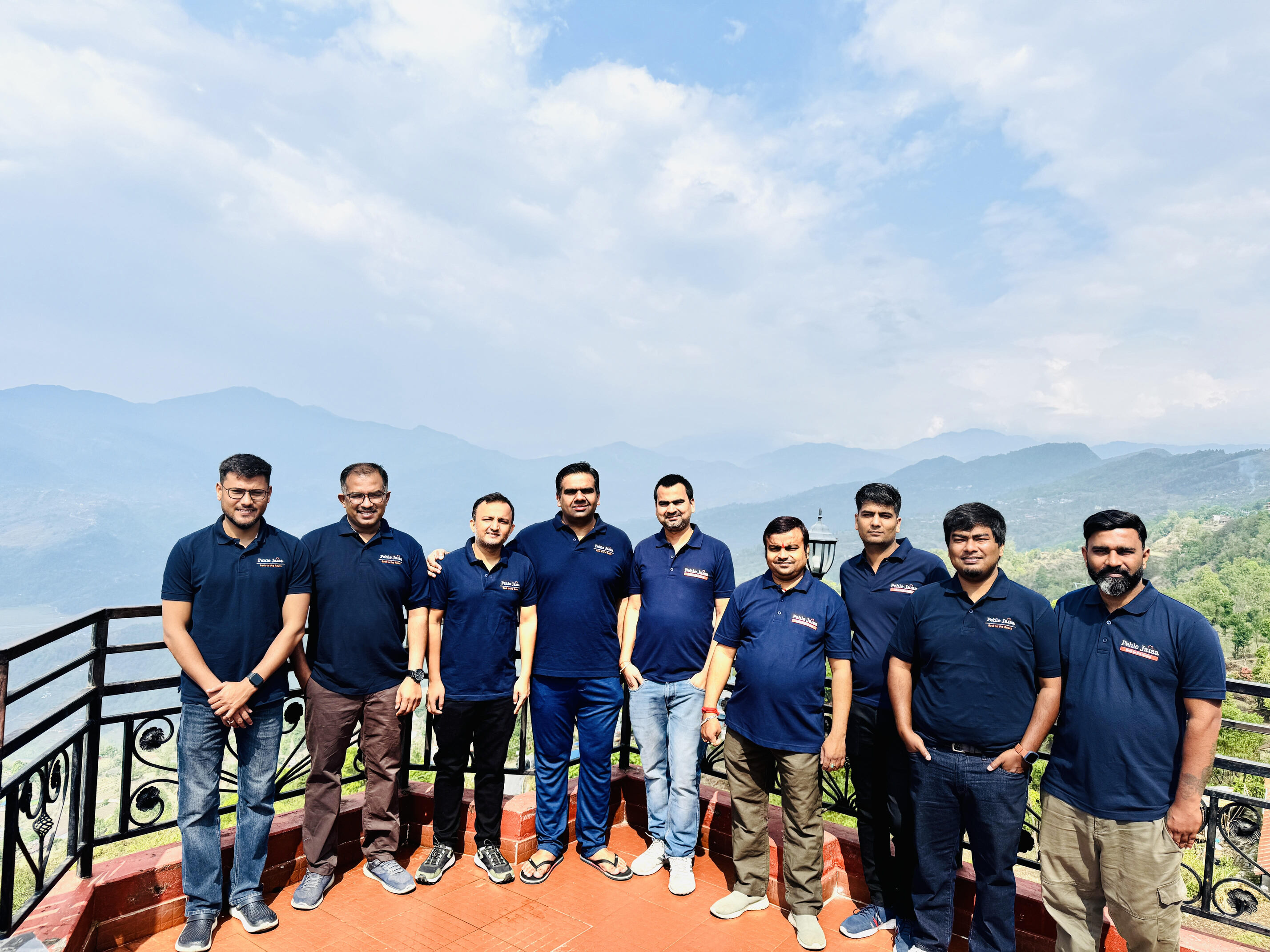
    Mumbai, Mar 30: Agritech startup Cropcoin (Pehle Jaisa) has raised Rs 12 Crore in Pre-Series A round led by Unicorn India Ventures. The round also saw participation from Climate angels Funds raised will be strategically deployed for geographical expansion for scaling operations from 10 districts to the entire 66 districts of Bihar and Jharkhand. They will also be directed towards product development to enhance R&D for bio-category products to improve soil health and reduce chemical usage along with building infrastructure to reach a ₹100 Crore ARR in the next 24 months.
    ''AgriTech Startup Cropcoin Technologies raises Rs 12 Crore in Pre-Series A led by Unicorn India Ventures'

     Founded in 2022 by serial entrepreneurs Pankaj Pandey and Ehtesham Farooqui, alongside a team of industry veterans, Cropcoin (Pehle Jaisa) is an agritech startup dedicated to solving agricultural waste management and soil health degradation. The company transforms animal waste into organic fertiliser and bio stimulants at the source. Cropcoin’s onsite solutions help poultry and daily farms turn waste into value, boosting their profits while keeping farms cleaner.

    Commenting on the fund raise Uttam Kumar, Co-founder, Cropcoin, says,

    “Our mission at Pehle Jaisa is to redefine the rural economy by turning agricultural waste into a high-value resource. This investment from Unicorn India Ventures validates our decentralized approach, which not only improves soil health but also makes farming more profitable for the smallholder. We aren’t just building a supply chain; we are building a self-reliant agricultural ecosystem that restores the land to its original, healthy state—exactly as the name ‘Pehle Jaisa’ suggests.”

    The company is helping to alleviate the adverse impact of chemical fertilizers by encouraging use of more sustainable and farming methods. By promoting organic practices and traditional techniques, it helps improve soil content and optimise soil health. This not only helps reduce the usage of chemical fertilizers but also in greenhouse gas emission, making the environment cleaner. Additionally, the company also supports the production of chemical-free food which helps in lower health risks related to hazardous residues and ensures safer and more nutritious produce for consumers.

    Cropcoin has introduced a new line of bio-category products designed to restore soil health and biodiversity, significantly reducing farmer input costs and reliance on chemical inputs. The company is growing at 3x year-on-year in active districts and is set to close the year at a ₹10 Crore ARR while maintaining minimal burn.

    Pulkit Mehrotra, Vice President, Unicorn India Ventures, says,

     “Indian Agritech market is experiencing rapid growth, moreover the rising awareness of sustainability and environmental fluctuations are influencing agritech trends in India. Farmers are increasingly turning to precision agriculture and moving towards bio-fertilizers to improve soil health and cut down on chemicals. This not only helps in lowering the costs for farmers but also protects the environment and soil in the long run. Cropcoin uses a hyperlocal and decentralised model which has helped them to expand faster. We believe the company will build a bigger farmer community going forward and with such innovation coming out of India this will definitely promote sustainable and highly organic farming inputs and help lower the agriculture cost in India.”

    Cropcoin in the last 12 months has grown its revenues 3X and expanded its farmer network to 70,000 from 20,000 across Bihar, Jharkhand, and Manipur. With an aim to build a decentralized supply chain model, the company will focus on capturing the entire 66 districts in Bihar and Jharkhand from the current 10 district presence and will further strengthen its presence in the North East over the next 3 years. In the next 12 – 18 months, CropCoin aims to complete the 66-district rollout in Bihar and Jharkhand, doubling its farmer reach to 1.5 Lakh+ and solidifying decentralized processing units.

  • Yamaha Launches Inaugural Mega Mileage Challenge in Bangalore

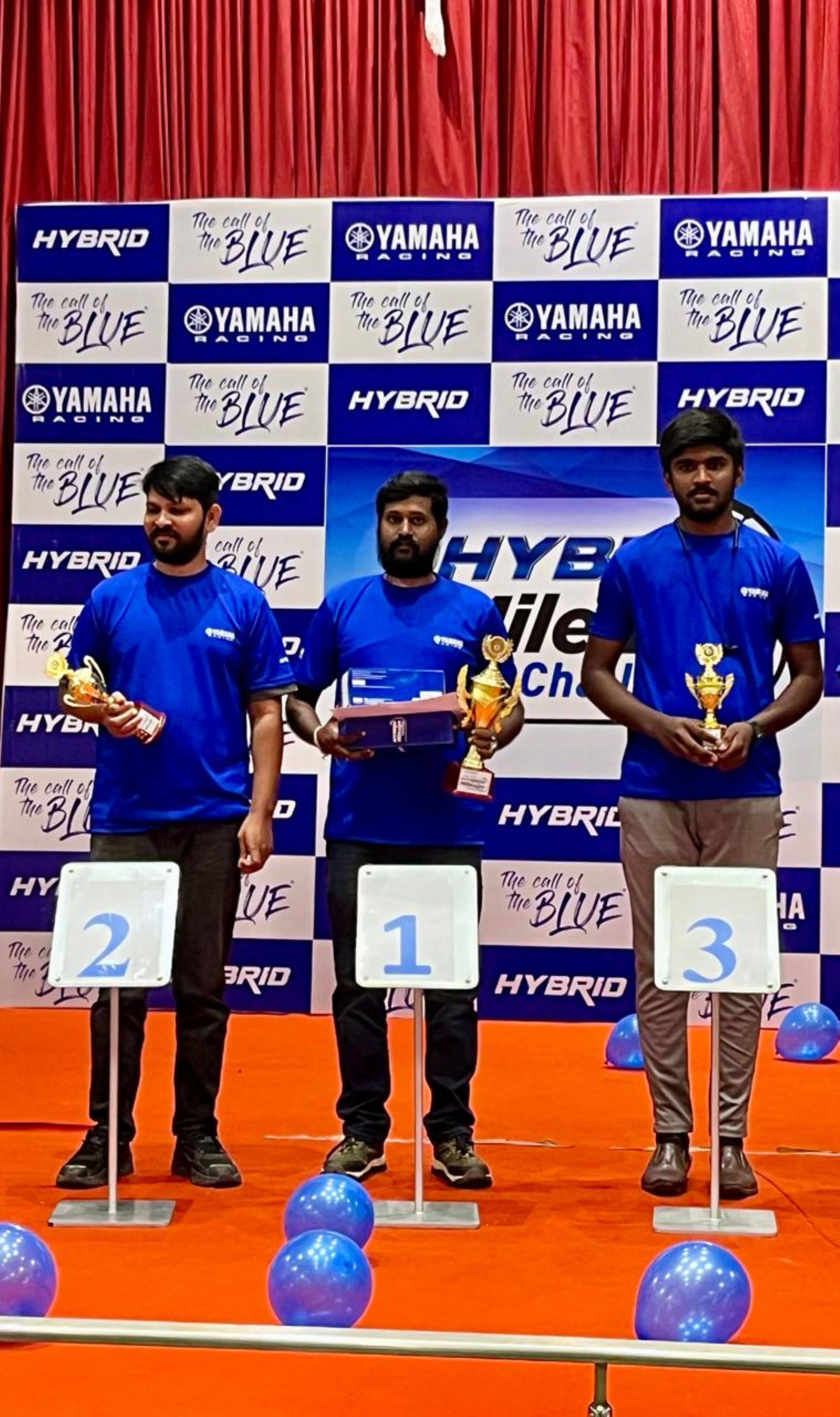
    Bengaluru,  Mar 29 : India Yamaha Motor (IYM) Pvt. Ltd. hosted the Mega Mileage Challenge in Bangalore for the FZ-S Fi Hybrid motorcycle and 125cc Fi Hybrid Scooters  Fascino & RayZR. The event aimed to educate customers about the impressive fuel efficiency delivered by the Hybrid Technology featuring Smart Motor Generator (SMG) system and its benefits. Organized in collaboration with authorized dealerships – Eye Automobiles, Whitefield Yamaha, Garuda Motorcycles, Vinayak Motors, and Panache Enterprises – the challenge witnessed enthusiastic participation from Yamaha customers, and their family members.Yamaha Hosts First-Ever ‘Mega Mileage Challenge’ in Bangalore

     The Smart Motor Generator (SMG) and Stop & Start System (SSS), optimizes fuel economy and as a result, also reduces emissions. These systems ensure quieter starts, electric-assisted torque for exhilarating acceleration, and engine shutdown during idle, ultimately conserving fuel. This hybrid innovation allows riders to enjoy longer journeys with cost savings and a reduced environmental footprint, making it an ideal choice for eco-conscious riders seeking high performance and efficiency.

    Kicking off the challenge, Yamaha motorcycles and scooters were fueled up and set off on a dedicated route – 60 kms for motorcycles and 35 kms for scooters – starting from Samruddhi Convention Center in Bangalore and back to the same point. The route covered varied riding conditions, including city roads, urban traffic, and open stretches. This gave participants a first-hand opportunity to evaluate the bike’s suspension, manoeuvrability, braking, acceleration, and initial pick-up. After completing the ride and returning to the venue, the bikes were refuelled to their original level, and fuel consumption was recorded to calculate mileage. As part of the engagement, Yamaha experts also shared insights on effective riding techniques and maintenance practices to ensure better mileage.

    As a gesture of appreciation, each participant received exclusive souvenirs along with a complimentary bike wash. Additionally, Yamaha’s commitment to customer satisfaction was exemplified through a comprehensive 10-point inspection, ensuring optimal performance and safety for all the motorcycles during the challenge

  • Jammu & Kashmir Tourism Showcases Destination Excellence at India International Travel Mart, Kolkata

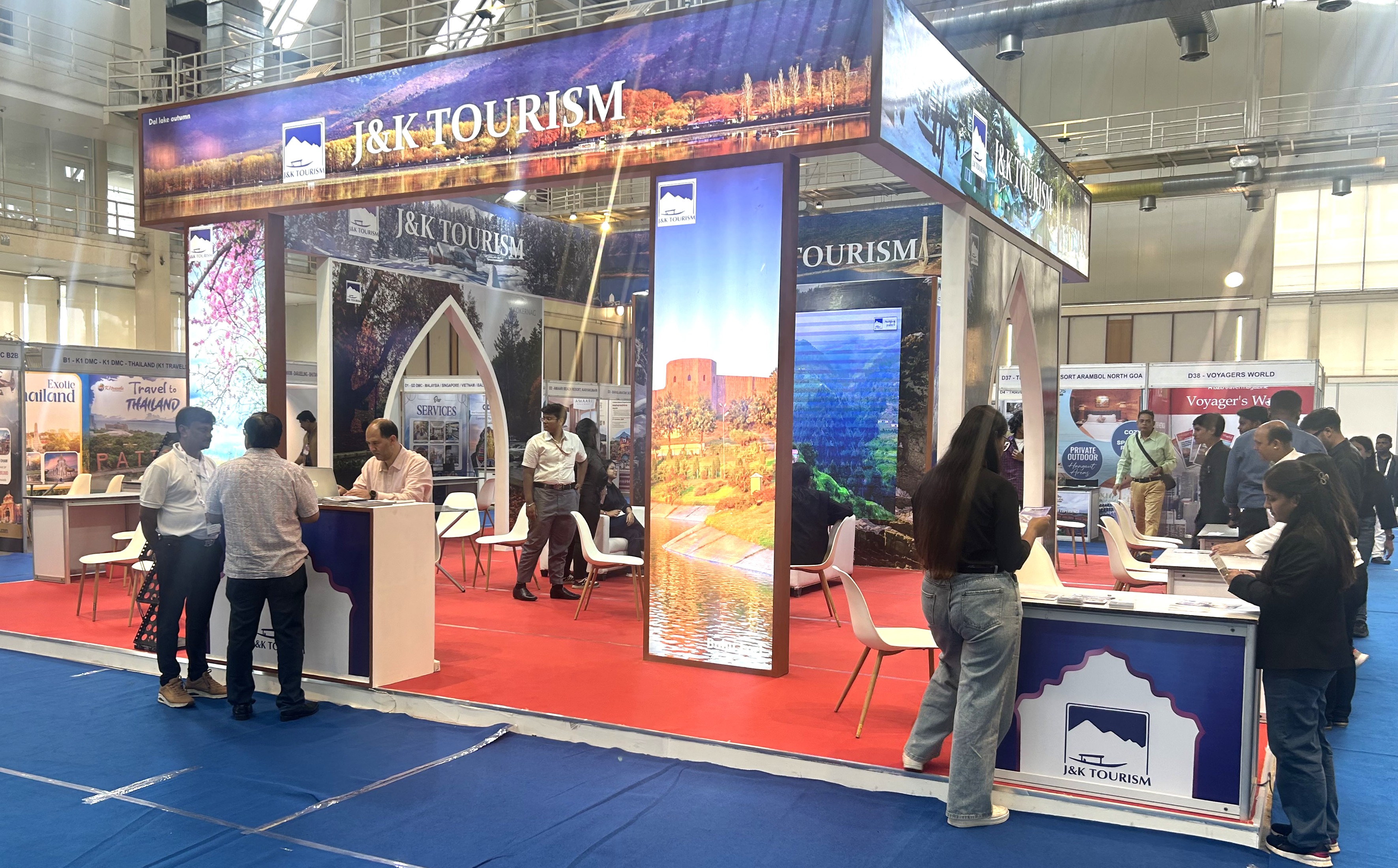
    Jammu & Kashmir Tourism Showcases Destination Excellence at India International Travel Mart, Kolkata

     Kolkata, Mar 30: Jammu and Kashmir Tourism Department marked a significant presence at the India International Travel Mart (IITM), held from 27–29 March 2026 at the Biswa Bangla Convention Centre in Kolkata. The participation highlighted the region’s diverse tourism offerings and reinforced its position as one of India’s most captivating travel destinations.

    Representing the department were Rashmi Deepika Razdan, Director – Finance, Tourism Department, and Peer Zahid Ahmad, Deputy Director, Tourism Kashmir. Their presence underscored the department’s commitment to strengthening trade partnerships and expanding outreach in key domestic markets such as West Bengal. Jammu & Kashmir Tourism is the Partner State at this year’s edition of ‘India International Travel Mart’ at Kolkata.

    The Jammu & Kashmir pavilion drew considerable attention from travel trade professionals, tour operators, and visitors, offering insights into the region’s unique blend of natural beauty, cultural richness, and experiential tourism. From the serene landscapes of the Kashmir Valley to the spiritual circuits of Jammu and emerging adventure tourism opportunities, the showcase emphasized the region’s versatility for leisure, pilgrimage, and experiential travel.

    Speaking on the occasion, officials highlighted Jammu & Kashmir’s renewed focus on sustainable tourism, infrastructure development, and enhanced connectivity. The participation at IITM provided an ideal platform to engage with stakeholders, promote curated travel experiences, and encourage increased tourist inflow from eastern India.

    The delegation also held productive B2B interactions with travel agents, tour operators, and hospitality partners, exploring collaborations to design customized itineraries and promote year-round tourism. Special emphasis was placed on promoting lesser-explored destinations, winter tourism, and experiential offerings such as houseboat stays, trekking, and cultural tours.

    Visitors to the pavilion were introduced to the region’s evolving tourism narrative—one that combines heritage with modern infrastructure, and tradition with contemporary travel experiences. Informational material, destination presentations, and interactive discussions helped create awareness about the wide spectrum of travel opportunities available in Jammu & Kashmir.

    The India International Travel Mart continues to serve as a premier platform connecting tourism stakeholders across India and beyond. Jammu & Kashmir Tourism’s participation not only strengthened its visibility in the eastern market but also reaffirmed its commitment to positioning the region as a safe, accessible, and must-visit destination.

    As the event concluded, the delegation expressed optimism about forging new partnerships and attracting increased tourist interest in the coming seasons, further contributing to the growth of tourism in the Union Territory.

  • Vodia Networks Announces the Official Release of Version 70 of the Vodia PBX

    BOSTON – 29 March 2026: Vodia Networks, Inc., a provider of unified cloud communications solutions to enterprises, contact centers, and service providers, is pleased to announce the official release of Vodia PBX V70, the next major version of its cloud phone system. V70 has been engineered for operational scale, administrative clarity, and production readiness; it introduces architectural and usability improvements designed for real-world, multi-tenant deployments. 

    As organizations consolidate communication tools and look to automate customer interactions, V70 brings voice, messaging, and AI into a single PBX platform. 

    The V70 interface has been designed for efficiency and speed. Whether managing a single system or hundreds of tenants, V70 delivers faster navigation, smarter workflows, and powerful new capabilities to make administration more intuitive. V70 also introduces improvements in scalability, flexibility, and operational safety, including higher call capacity per server, cross-tenant presence and BLF sharing, snapshots, and centralized remote provisioning. 

    “V70 reflects how our partners deploy and manage PBX systems at scale,” said Christian Stredicke, founder and CEO of Vodia. “We focused on improving visibility, simplifying administration, and enabling automation without adding complexity.”

    V70 also gives users enhanced emergency alerts, robust scheduling, and greater control. With V70, administrators can configure emergency and notification alerts triggered by users – once activated, alerts can send notifications via multiple channels and automatically initiate calls to designated numbers. Service flags in V70 can now be configured with multiple events and integrated with external calendars.

    AI, automation, and real-time visibility

    V70 introduces integrated AI capabilities and real-time monitoring tools to improve operational control, including fully-automated outbound AI Voice Agents for automated customer outreach, powered by OpenAI’s Realtime API. The same framework can handle both inbound and outbound calls, creating consistent conversational experiences. V70 also introduces a powerful custom dashboard framework, allowing administrators complete control to build and tailor dashboards based on their specific monitoring needs, eliminating the need for third-party tools. 

    WhatsApp business messaging

    V70 enables integration with the WhatsApp Business Platform for calling and messaging, allowing WhatsApp users to call your business number and have those calls routed directly into the PBX, without any middleware or gateway. Messaging capabilities are also included to support incoming and outgoing text and image messages. 

    External presence sharing and skills-based routing

    External presence sharing enables two tenants on the same PBX to share presence information, or across different PBX servers in separate locations (the PBX systems must be able to reach each other via the internet). V70 provides users with skills-based routing, so organizations can assign skills to numbers, enabling incoming calls to be routed to agents based on expertise, language, or role.

    Supported operating systems and platforms

          Ubuntu 24 and above

          Debian 12 and above

          CentOS Stream 10 and above

          AlmaLinux 10 and above

          Rocky Linux 10 and above

          Amazon Linux 2023 (AL2023)

          Support continues for the embedded Vodia IOP (Raspberry Pi) solution

          Support for AArch64 (ARM64) architecture (to run the PBX on AWS Graviton processors)

    Documentation

    Detailed release notes for V70 are available for further information. 

    Vodia welcomes feedback from partners and customers deploying V70, v70feedback@vodia.com, +1 (617) 861-3490.

  • Excelsoft Technologies appoints Mr. Doreswamy P as CEO

    Bengaluru, March 28:

    Excelsoft Technologies appoints Mr. Doreswamy P as CEO

    Excelsoft Technologies Limited, a leading provider of technology-driven learning solutions, today announced the appointment of Doreswamy P as its Chief Executive Officer (CEO), effective immediately following approval by the Board of Directors.

    The Board has expressed strong confidence in Doreswamy’s leadership to guide Excelsoft into its next phase of accelerated growth and global expansion.

    Doreswamy P brings over 25 years of leadership experience across technology, services, and financial management. He has a proven track record of building scalable businesses, strengthening governance frameworks, and delivering long-term value creation.


    He has held senior leadership roles at organisations such as ISS, Quess Corp, SMS, and KPIT, where he drove business growth, operational excellence, and strategic transformation. As Co-Founder and former CEO of CredoPay Technology Services Private Limited, he led the development of a global payment orchestration platform and built strategic partnerships with banks, fintechs, and international stakeholders.

    A Chartered Accountant by training, Doreswamy has extensive experience working with Boards and investors, including leading IPO readiness, investor engagement, and post-listing governance.

    Notably, he has previously been associated with Excelsoft Technologies as an Independent Director and Chairman of the Audit Committee, where he played a key role in strengthening governance practices and supporting the company’s IPO journey.

    Dhananjaya Sudhanva, Chairman & Managing Director, Excelsoft Technologies Limited, said:
    “We are delighted to welcome Doreswamy P as our Chief Executive Officer. His deep expertise in technology leadership, financial governance, and strong understanding of Excelsoft’s vision make him uniquely positioned to lead the company forward. We are confident that under his leadership, Excelsoft will scale new heights, expand into new markets, and deliver sustained value to all stakeholders.”

    CEO Statement

    Doreswamy P, Chief Executive Officer, Excelsoft Technologies Limited, said:
    “I am honoured to take on this role at Excelsoft Technologies. Having previously served as an Independent Director, I have a deep appreciation for the company’s talent, culture, and transformative potential. My focus will be on expanding into new geographies, strengthening our technology capabilities, and accelerating growth to position Excelsoft as a global EdTech leader. Together, we will build an organisation that delivers lasting impact for our customers, employees, and investors.”

    Strategic Priorities

    In his new role, Doreswamy P will focus on:

    • Accelerating revenue growth and expanding into new geographies
    • Strengthening technology capabilities through AI-led innovation, including AI-Levate, intelligent proctoring, and automated assessment solutions
    • Reinforcing Excelsoft’s position as a global vertical SaaS leader in EdTech through its platforms — SARAS eAssessments, EasyProctor, EnablED, and OpenPage
    • Driving strategic acquisitions in EdTech and building geographically diverse sales teams across North America, the UK, Asia, and emerging markets
  • IndiGo Flight Makes Safe Emergency Landing at Delhi Airport

    An IndiGo flight was forced to make an emergency landing at Indira Gandhi International Airport on Saturday, following a technical issue reported mid-air. All passengers and crew on board were safely evacuated, and no injuries were reported.

    Airport and airline officials confirmed that the flight landed smoothly, and emergency services were on standby as a precaution. Passengers were later assisted with alternate travel arrangements.

    IndiGo has stated that it is investigating the cause of the incident and emphasized that passenger safety is its top priority. The airline also reassured travelers that all standard safety protocols were followed.

    Authorities are coordinating with the airline to ensure that operations at the airport continue without disruption while the investigation is underway.

  • Craft Techniques Finding a Place in Contemporary Menswear

    Jaipur, Mar 28 : In recent years, contemporary menswear has begun to move beyond strict minimalism. While clean tailoring and restrained palettes continue to define modern wardrobes, designers are increasingly exploring the role of craft within men’s clothing. Subtle embroidery, textured surfaces, and artisanal detailing are gradually becoming part of a new design language that blends heritage techniques with modern silhouettes.

    This shift reflects a broader change in fashion where craftsmanship is gaining renewed appreciation. Today’s consumers are not only interested in how a garment looks but also in the story behind how it is made. As a result, traditional craft techniques are finding a natural place in contemporary menswear, adding depth and character to otherwise simple forms.

    “Menswear has traditionally leaned toward restraint,” says Chirag Sogani, Founder of Plyene. “What we are seeing now is a more thoughtful integration of craft, where traditional techniques are used in a subtle way to enhance the garment rather than dominate it.”

    Reinterpreting Craft for Modern Menswear

    India has long been home to a rich textile heritage that includes embroidery traditions, hand stitching methods, and decorative techniques developed over centuries. While many of these crafts have historically appeared in ceremonial garments, designers today are adapting them for modern wardrobes.

    Techniques such as Kantha stitching, appliqué work, bead embellishments, and French knot embroidery introduce texture and detail while preserving the refined aesthetic that contemporary menswear demands. When used thoughtfully, these elements elevate a garment without compromising its simplicity.

    The key lies in restraint. Rather than creating heavily embellished pieces, designers are focusing on subtle craftsmanship that complements clean silhouettes.

    Craft in Plyene’s Spring Collection

    This philosophy is reflected in Plyene’s latest collection inspired by the mood of March, a season associated with blooming landscapes and new beginnings. The collection draws on the calm, bright energy of spring, expressed through soft pastel tones and lightweight fabrics suited for warmer days.

    Silhouettes such as Nehru jacket sets and relaxed kurta ensembles form the foundation of the collection. Within these designs, craft techniques appear as delicate accents that bring a sense of artistry to the garments.

    Colourful bead embellishments, abstract floral motifs, appliqué techniques, Kantha stitching, and French knot threadwork are thoughtfully integrated across the collection. These details echo the subtle beauty of spring flowers, adding dimension and character while maintaining a refined aesthetic.

    “For this collection, we wanted the craftsmanship to feel almost like an extension of the season itself,” explains Chirag Sogani. “The detailing is inspired by the quiet appearance of blossoms in spring. It is delicate, expressive, and carefully balanced.”

    Fabrics That Complement Craft

    The fabric choices in the collection further support this approach. Soft linen and silk serve as the primary materials, allowing the garments to remain breathable while retaining a sense of elegance.

    Linen provides a natural texture that enhances the handcrafted details, while silk introduces a subtle sheen that elevates the overall look. Together, these fabrics create garments that feel both comfortable and polished.

    According to Chirag Sogani, fabric plays a critical role in ensuring that craftsmanship feels effortless. “When the base fabric is light and breathable, the craft details naturally integrate into the garment. The idea is to create pieces that feel refined but still easy to wear.”

    Craft as a Modern Expression

    The integration of craft techniques into contemporary menswear reflects a broader evolution in fashion. Rather than viewing craft as something traditional or ceremonial, designers are now positioning it as a modern form of expression.

    Subtle embroidery, textured embellishments, and hand finished details allow garments to carry individuality and narrative without losing their versatility.

    A Balance of Heritage and Modernity

    For brands like Plyene, this balance between heritage craftsmanship and modern design lies at the core of their creative philosophy. By combining traditional techniques with contemporary silhouettes, the brand presents a wardrobe that feels both rooted and forward looking.

    As menswear continues to evolve, craft techniques are likely to play an increasingly important role in shaping the future of design. They bring authenticity, texture, and cultural richness to garments that might otherwise remain purely functional.

    In this new landscape, craftsmanship is not simply a decorative addition. It is a defining element of modern menswear, offering a deeper connection between clothing, culture, and the individual who wears it.

  • PM Modi to Inaugurate ₹891 Crore Rail Projects in Gujarat

    PM Modi to Inaugurate ₹891 Crore Rail Projects in Gujarat

    Gujarat is set to witness a major boost in railway infrastructure as Prime Minister Narendra Modi prepares to inaugurate a series of projects worth ₹891 crore. The initiatives include a new rail line and multiple track-doubling projects aimed at enhancing connectivity and improving the efficiency of the state’s rail network.

    Officials say that the new rail line will connect key regions, reducing travel time and providing better access for passengers and freight transport. The track-doubling projects are expected to ease congestion on busy routes, allowing more trains to run smoothly and improving punctuality.

    The launch of these projects reflects the government’s continued focus on strengthening infrastructure to support economic growth and regional development. Enhanced rail connectivity is expected to benefit industries, trade, and tourism across Gujarat.

    With these initiatives, commuters can look forward to faster, more reliable train services, while the state’s transport network becomes better equipped to handle increasing passenger and cargo demand.

    The Prime Minister’s visit underscores the importance of modernizing the rail sector and delivering infrastructure projects that directly improve the quality of life for residents while fostering economic opportunities.

  • Why Architects Still Begin with Marble: Material as the Starting Point of Design

    Kishangarh, Mar 28:  In architecture, every meaningful space begins with a decision that shapes everything that follows. While layouts, forms, and lighting play critical roles, the choice of material often becomes the foundation upon which the entire design evolves. Among all materials available today, marble continues to hold a unique position. It is not merely applied to complete a space. It often becomes the starting point that defines its direction.

    For architects, marble offers something that manufactured materials cannot replicate. It brings natural depth, visual continuity, and permanence. Its presence influences how light moves through a space, how surfaces connect, and how the architecture is ultimately experienced.

    This is why, in many projects, marble is considered early in the design process rather than at the final stage.

    Marble has the ability to guide architectural thinking from the beginning,” says Mr. Praveen Gangwal, Founder of Tilak Marbles. “When architects select a marble block, they are not just choosing a surface. They are defining the tone, character, and continuity of the entire space.”

    One of the defining qualities of marble is its ability to create cohesion. Its natural patterns and tonal balance allow large surfaces to feel connected rather than fragmented. This becomes especially important in contemporary architecture, where openness and spatial flow are central to the design intent.

    When marble is selected early, architects can align the material with structural elements, lighting, and spatial proportions. This ensures that the material integrates seamlessly into the architecture rather than appearing as an afterthought.

    White marble, in particular, plays a significant role in contemporary design. Its ability to reflect light enhances spatial clarity and creates a sense of openness. Collections such as Pigus White by Tilak Marbles, which include compositions like Ashen Matter, Polar Reflection, Luminous Plane, Cloud Schema, and Snow Algorithm, allow architects to choose marble that aligns precisely with their design vision while maintaining consistency across the space.

    Beyond aesthetics, marble also contributes to the long term integrity of a project. Its durability ensures that it continues to perform over decades, while its natural character allows it to remain relevant even as design trends evolve.

    “In our experience, architects who begin with marble are able to achieve greater material harmony,” explains Mr. Praveen Gangwal. “It allows them to design with clarity, knowing that the material will support the architecture for the lifetime of the space.”

    This approach is evident across both residential and commercial architecture. In luxury residences, marble often defines entrance areas, living spaces, and circulation zones. In hospitality and commercial environments, it helps establish identity and reinforces the architectural narrative.

    The process begins with careful block selection. Each marble block carries its own visual composition and structural characteristics. Selecting the right block ensures consistency, strength, and suitability for its intended application. This level of attention requires expertise and a deep understanding of natural stone.

    At Tilak Marbles, this process is guided by over three decades of experience in sourcing and evaluating marble blocks. The focus extends beyond supplying material to supporting architects in making informed decisions that enhance their design outcomes.

    As architecture continues to evolve, the importance of material authenticity has become even more pronounced. Architects are increasingly choosing materials that bring permanence, integrity, and clarity to their projects. Marble fulfills this role naturally.

    Marble becomes part of the architectural identity,” says Mr. Praveen Gangwal. “When chosen at the beginning, it helps create spaces that feel complete, balanced, and enduring.”

    In this way, marble continues to hold its place not simply as a material of tradition, but as a material of architectural intent. By beginning with marble, architects are able to create spaces where material and design exist in complete harmony, shaping environments that remain relevant for generations.

  • Parliament Approves Finance Bill 2026 to Roll Out Union Budget 2026-27

    The Parliament on Friday passed the Finance Bill 2026, paving the way for the implementation of the Union Budget 2026-27 from April 1. The Rajya Sabha returned the bill to the Lok Sabha by a voice vote after a brief discussion, during which Finance Minister Nirmala Sitharaman addressed questions raised by members.

    The Lok Sabha had cleared the bill on March 25, incorporating 32 amendments. With its approval, the budget proposals now have legal backing for execution in the new financial year.

    The Union Budget 2026-27 outlines total expenditure of ₹53.47 lakh crore, a 7.7% rise over the current fiscal year. Capital expenditure is set at ₹12.2 lakh crore, aimed at accelerating infrastructure projects, generating employment, and supporting economic growth—up ₹2.2 lakh crore from the previous year.

    To facilitate major infrastructure initiatives, an Infrastructure Risk Development Fund will be established. The fiscal deficit is projected to fall to 4.3% of GDP in 2026-27, balancing growth support with fiscal stability.

    The government plans net borrowing of ₹11.7 lakh crore through dated securities to fund the deficit, with gross market borrowing estimated at ₹17.2 lakh crore.

    The Finance Bill’s passage ensures that key budget measures, including infrastructure investment and fiscal consolidation, will be implemented smoothly at the start of the new fiscal year.