
Bargarh, Sambalpur, Oct 13 (UDN): Debrigarh Wildlife Sanctuary in Odisha is stepping up its wildlife protection measures by integrating artificial intelligence with conventional forest surveillance, enabling officials to monitor animal movement and identify potential threats across remote forest areas.
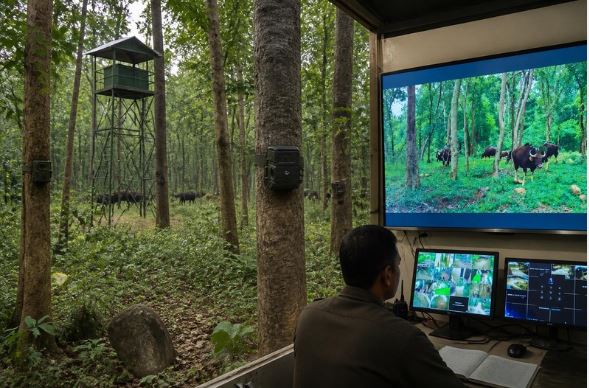
Representational Image
The upgraded system combines an e-Eye® surveillance tower with 18 AI-enabled camera traps. The network is designed to provide real-time images and video footage, helping forest personnel track wildlife, identify suspicious human activity and strengthen efforts to detect possible poaching and forest fires.
The initiative adds a technology-based layer to the sanctuary’s existing protection system, which relies heavily on regular foot patrols and field-level monitoring.
Surveillance Tower Covers Around 70 Sq Km
Installed at Chourasimal, the AI-powered surveillance tower has been operational since December 2025, according to sanctuary authorities. It covers an area of approximately 70 square kilometres, with a monitoring radius of five to six kilometres.
The tower is equipped with optical and thermal cameras, allowing surveillance during daylight and at night. The system can help detect animal movement, human presence and possible intrusions in areas that may be difficult for forest staff to monitor continuously.
Five camera traps were initially integrated with the tower in December 2025. Following the stabilisation of the sanctuary’s wireless mesh network, 18 smart camera traps have been installed across remote forest interiors from October 2026 onwards.
AI Helps Identify Wildlife and Filter Images
The camera traps transmit images and videos through a wireless mesh network to the central control room at Zero Point. This enables forest officials to review wildlife records remotely and reduces the need for frequent visits to camera locations.
Artificial intelligence is being used to identify several species, including gaur, leopard, sambar, spotted deer, sloth bear and nilgai. The system also filters irrelevant images, helping staff concentrate on useful wildlife information and potential alerts.
The data is expected to support the tracking of animal movement, habitat use and wildlife trails, providing officials with additional information for conservation planning and protection activities.
Early Detection of Threats a Key Objective
Beyond wildlife monitoring, the surveillance network is expected to improve the detection of suspicious human activity and potential poaching attempts. Thermal imaging could also help personnel identify signs of activity in low-light conditions and support efforts to detect forest fires.
Officials believe that combining automated surveillance with conventional patrolling can improve operational efficiency, strengthen monitoring of vulnerable habitats and minimise unnecessary human disturbance in sensitive areas.
The system is intended to support frontline forest staff by providing timely information, while field personnel continue to play a central role in responding to alerts and protecting wildlife.
Technology Complements Intensive Foot Patrolling
Debrigarh has maintained extensive ground surveillance, with forest personnel covering nearly 90,000 kilometres annually through foot patrolling over the past three consecutive years, according to the report.
The addition of AI-based monitoring represents a further step towards a more technology-assisted approach to forest management. By combining field patrols with remote surveillance and automated image analysis, authorities aim to improve their understanding of wildlife movement and respond more effectively to emerging threats.
The expanded network is expected to strengthen conservation efforts at Debrigarh, where continuous monitoring, effective protection and informed management are essential to safeguarding wildlife and forest habitats.
