
New Delhi, May 12 (BNP): India’s retail inflation inched up to 3.48 percent in April from 3.40 percent recorded in March, mainly due to continued pressure on food prices, according to the latest data released by the Ministry of Statistics and Programme Implementation (MoSPI).
The Consumer Price Index (CPI)-based inflation remained within the Reserve Bank of India’s comfort range, though rising food costs continued to impact household spending across the country. Food inflation increased to 4.20 percent in April compared to 3.87 percent in the previous month, reflecting sustained price pressure in essential commodities.
Data showed that inflation in rural India stood at 3.74 percent, higher than the 3.16 percent recorded in urban areas, indicating relatively stronger price pressure in the countryside.
Despite the rise in food inflation, a sharp decline in the prices of several vegetables helped prevent a steeper increase in overall inflation. Potato prices registered a major decline of 23.69 percent, while onion prices fell by 17.67 percent on a year-on-year basis. Certain non-food segments, including vehicles and household appliances, also witnessed negative inflation, contributing to moderation in headline numbers.
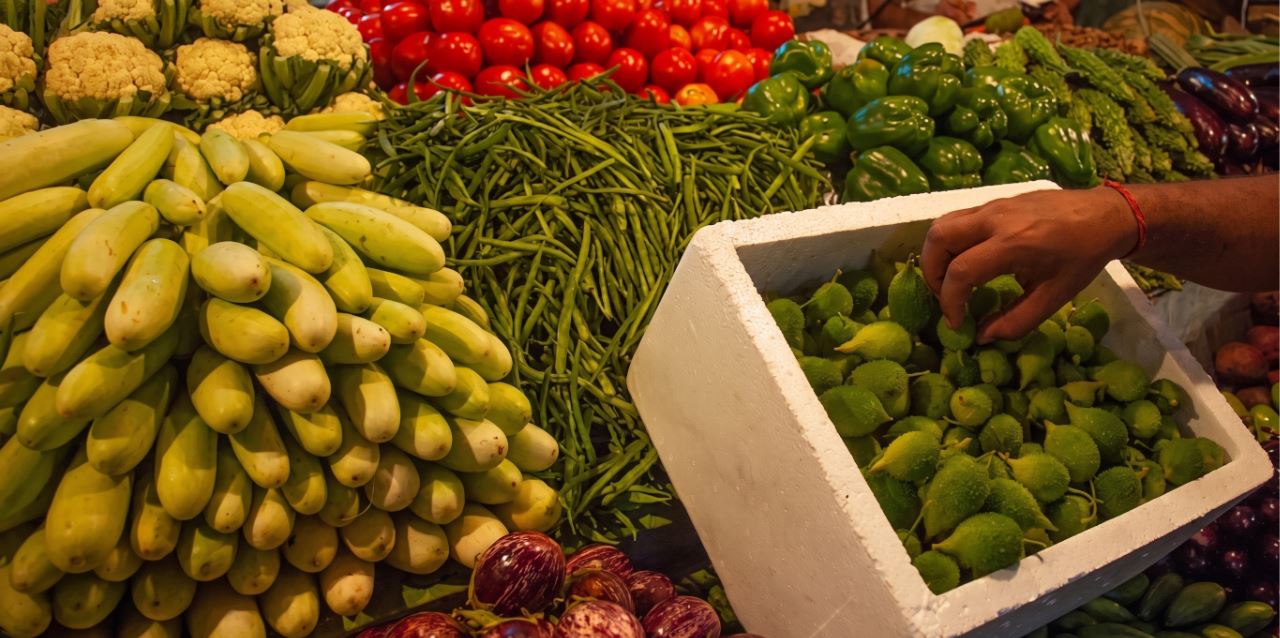
However, some food items continued to remain costly. Tomato prices surged by 35.28 percent, while cauliflower prices rose by 25.58 percent compared to the same period last year, keeping pressure on consumers.
Economists said the April inflation figures were softer than market expectations but cautioned that global geopolitical tensions, supply-chain disruptions, and weather-related risks such as El Niño could create upward pressure on prices in the coming months.
Experts believe the Reserve Bank of India is likely to maintain a cautious “wait-and-watch” approach regarding future monetary policy decisions while closely monitoring inflation trends and global economic conditions.
Retail inflation remains a key economic indicator as it directly affects consumer purchasing power, interest rate decisions, and overall economic sentiment across the country.
New Delhi, May 12 (BNP): India’s retail inflation inched up to 3.48 percent in April from 3.40 percent recorded in March, mainly due to continued pressure on food prices, according to the latest data released by the Ministry of Statistics and Programme Implementation (MoSPI).
The Consumer Price Index (CPI)-based inflation remained within the Reserve Bank of India’s comfort range, though rising food costs continued to impact household spending across the country. Food inflation increased to 4.20 percent in April compared to 3.87 percent in the previous month, reflecting sustained price pressure in essential commodities.
Data showed that inflation in rural India stood at 3.74 percent, higher than the 3.16 percent recorded in urban areas, indicating relatively stronger price pressure in the countryside.
Despite the rise in food inflation, a sharp decline in the prices of several vegetables helped prevent a steeper increase in overall inflation. Potato prices registered a major decline of 23.69 percent, while onion prices fell by 17.67 percent on a year-on-year basis. Certain non-food segments, including vehicles and household appliances, also witnessed negative inflation, contributing to moderation in headline numbers.
However, some food items continued to remain costly. Tomato prices surged by 35.28 percent, while cauliflower prices rose by 25.58 percent compared to the same period last year, keeping pressure on consumers.
Economists said the April inflation figures were softer than market expectations but cautioned that global geopolitical tensions, supply-chain disruptions, and weather-related risks such as El Niño could create upward pressure on prices in the coming months.
Experts believe the Reserve Bank of India is likely to maintain a cautious “wait-and-watch” approach regarding future monetary policy decisions while closely monitoring inflation trends and global economic conditions.
Retail inflation remains a key economic indicator as it directly affects consumer purchasing power, interest rate decisions, and overall economic sentiment across the country.
