
New Delhi, July 8: As India’s urban population continues to grow and climate-related challenges intensify, Smiling Tree has urged educational institutions to treat green campuses as long-term investments that generate environmental, economic, and social returns. The organisation believes schools, colleges, and universities can play a pivotal role in building climate-resilient communities while reducing their own operational costs.
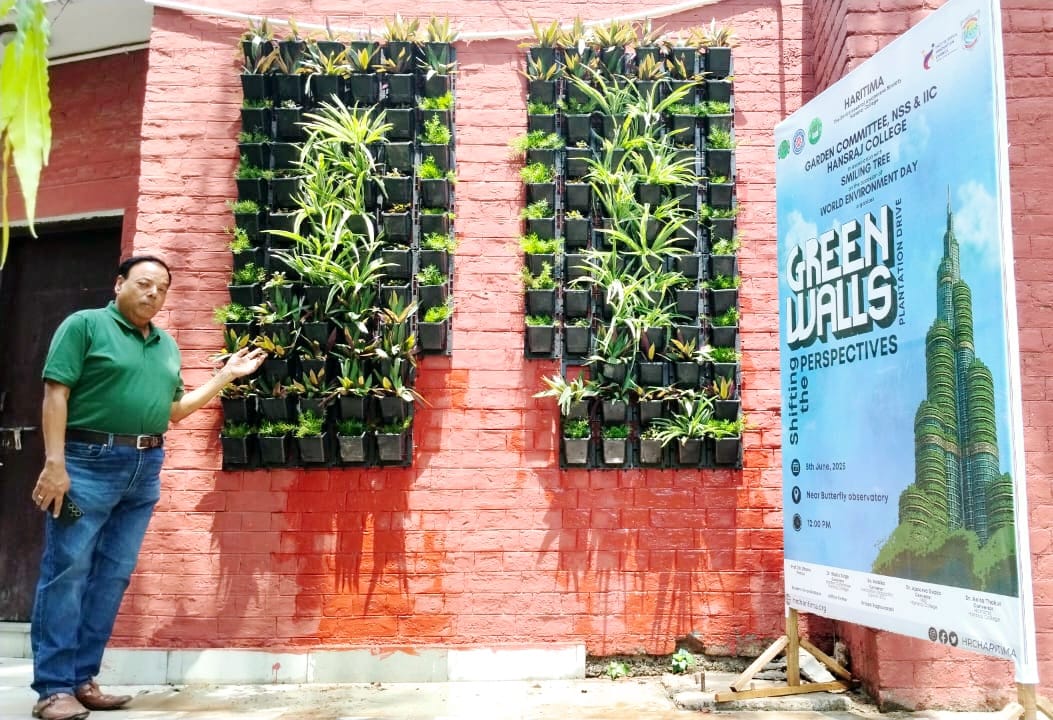
According to government projections, nearly 40% of India’s population is expected to live in urban areas by 2036, increasing pressure on infrastructure, natural resources, and air quality. Research also shows that well-planned urban green spaces can reduce surrounding temperatures by 2°C to 8°C, helping lower energy consumption for cooling while improving thermal comfort and air quality.
Dr. Mukesh Kwatra, Founder of Smiling Tree, said,
“Green spaces are not just environmental assets—they are economic assets. Trees help reduce energy consumption, improve air quality, support biodiversity, and create healthier learning environments. Every educational institution should view investment in nature as an investment in its students, its community, and its future.”
He added,
“Universities have the power to transform climate awareness into climate action. By integrating tree plantations, biodiversity conservation, water harvesting, waste management, and sustainability education into campus life, institutions can become living laboratories for environmental innovation and responsible leadership.”
Through its ‘From Classrooms to Climate Action: Building Green Campuses’ initiative, Smiling Tree is encouraging educational institutions to undertake tree plantation drives, create biodiversity zones, promote waste segregation, reduce single-use plastics, conserve water, and actively involve students in sustainability projects.
Dr. Kwatra emphasized that India’s commitment to achieving Net Zero emissions by 2070 requires active participation from educational institutions. “Every green campus becomes a model for sustainable urban development and inspires thousands of young people to adopt environmentally responsible lifestyles,” he said.
Smiling Tree believes that investing in urban green spaces not only contributes to climate resilience but also enhances institutional reputation, supports Environmental, Social and Governance goals, and creates healthier, more productive campuses. The organisation has called on universities across India to make nature an integral part of education, demonstrating that environmental stewardship and economic progress can go hand in hand.
