Blog

  • Gold Imports Fall 39 pc in May After Duty Hike; ETF Outflows Signal Weak Demand: WGC

    New Delhi, June 19: India’s gold imports declined sharply by 39 per cent in May following an increase in import duty, according to data cited by the World Gold Council (WGC). The decline reflects weaker domestic demand amid higher prices and policy changes in the bullion market.

    The report also noted that gold exchange-traded funds (ETFs) recorded their first net outflows in over a year, indicating a shift in investor sentiment and reduced investment demand during the month.

    The fall in imports is largely attributed to higher landed costs after the duty hike, which pushed up domestic prices and led to cautious buying from jewellers and consumers.

    Gold ETFs, which had seen steady inflows in recent months, witnessed outflows in May, driven by profit booking and price volatility in global and domestic markets.

    Despite the monthly decline, the WGC stated that long-term demand for gold remains supported by cultural buying patterns, portfolio diversification needs, and global economic uncertainty. However, near-term demand trends are expected to remain sensitive to policy changes and price movements.

  • Marine Fossils Reveal Baripada’s Ancient Undersea Past

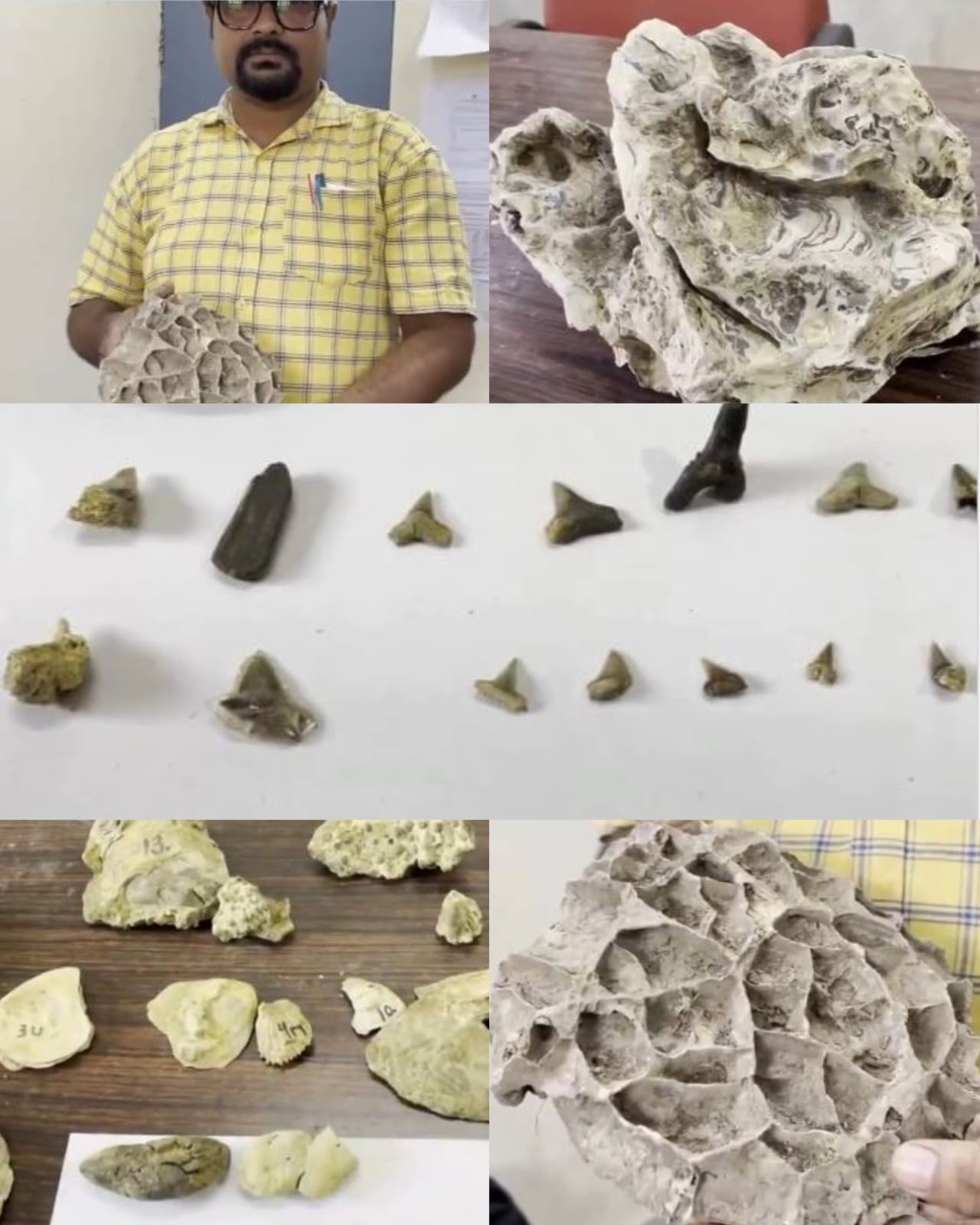
    Baripada, June 19(UDN): The discovery of fossilised shark teeth, molluscan shells and other marine remains in Odisha’s Mayurbhanj district has strengthened scientific evidence that present-day Baripada was once covered by a shallow sea millions of years ago.

    Marine Fossils Reveal Baripada’s Ancient Undersea Past

    Researchers have identified a rich assemblage of marine fossils at a site locally known as Asurahada, scientifically referred to as the Baripada Fossil Bed, situated in the foothill region near Baripada. The fossils are estimated to be between 12.6 million and 8.3 million years old, dating back to the Miocene epoch.

    The findings were documented by Dr Debabrata Nandi, Assistant Professor in the Department of Remote Sensing and GIS at Maharaja Sriram Chandra Bhanja Deo University.

    Marine Fossils Reveal Baripada’s Ancient Undersea Past

    According to Dr Nandi, the fossil-bearing sediments indicate that the region once formed part of a coastal marine basin that supported diverse aquatic life.

    “The fossils provide compelling evidence that this area was submerged under a shallow marine environment during the Miocene period, a time marked by major climatic changes, continental shifts and global cooling,” he said.

    Among the most significant discoveries are fossilised shark teeth from extinct marine species and a wide variety of well-preserved molluscan shells. Scientists say these remains are helping reconstruct ancient ocean ecosystems and understand long-term changes in climate, sea levels and marine biodiversity.

    The discovery has also opened new questions about the geological history of the region, particularly how the coastline gradually retreated to its present position.

    “The sea appears to have receded nearly 60 kilometres from present-day Baripada. Understanding whether this happened due to climate change, tectonic activity or other geological processes requires further investigation,” Dr Nandi said.

    Researchers believe the Baripada Fossil Bed could become an important geological archive for studying India’s palaeogeographic evolution and evidence of marine transgression in eastern India. The site may also help establish links with similar fossil-bearing formations found elsewhere in the country.

    Dr Nandi noted that remote sensing, GIS-based mapping and advanced geospatial analysis played a crucial role in locating and documenting the fossil horizon. By combining field investigations with spatial technology, researchers were able to map fossil distribution and geological features with greater precision.

    The discovery has generated significant interest among geologists, palaeontologists and academic institutions, who view it as an important contribution to understanding Odisha’s ancient marine history and the changing geography of eastern India.

  • India May Face Inflation Pressure from Fertiliser Supply Risks: CareEdge

    New Delhi, June 19, 2026: A potential disruption in fertiliser supply from West Asia could pose upside risks to India’s inflation outlook, even though the country currently maintains adequate buffer stocks, according to a CareEdge report.

    The report highlights that fertilisers are a critical input for India’s agriculture sector, and any disturbance in global supply chains or price stability could have a cascading impact on domestic input costs and overall inflation trends.

    CareEdge noted that while India’s present stock position and diversified sourcing strategy provide near-term stability, prolonged disruptions in West Asia could increase pressure on fertiliser availability and pricing.

    The report further stated that India’s dependence on imported fertiliser components makes global geopolitical developments an important factor in managing domestic inflation risks.

    Overall, while the short-term outlook remains stable due to sufficient buffers, the report cautions that sustained external shocks could elevate inflationary pressures if supply disruptions persist.

  • India’s Office REITs Penetration Set to Reach 30 pc by 2030: Report

    New Delhi, June 19: India’s office real estate investment trust (REIT) market is expected to witness strong expansion, with penetration projected to rise to nearly 30 per cent by 2030, according to a recent industry report.

    The growth outlook is being supported by rising demand for Grade-A office spaces, increasing institutional participation, and a continued shift towards transparent and regulated investment structures in commercial real estate.

    The report highlights that India’s office real estate sector is benefiting from sustained expansion in key growth segments such as IT services, global capability centres (GCCs), financial services, and emerging startups. This steady demand for modern workspaces is expected to remain a key driver for REIT growth over the coming years.

    It further notes that REITs are helping formalise the commercial real estate market by improving transparency, enhancing liquidity, and enabling wider investor participation. The structure also allows investors access to stable rental income and professionally managed real estate assets.

    Industry experts believe that the projected increase in REIT penetration reflects growing investor confidence and the strengthening of India’s commercial property ecosystem. Improved regulatory clarity and institutional-grade asset availability are also contributing to this positive outlook.

    With continued urbanisation and corporate expansion, India’s office REIT segment is expected to play an increasingly important role in shaping the country’s real estate investment landscape.

    The report concludes that India’s office REIT market remains well-positioned for sustained long-term growth, aligning with global standards of real estate investment.

  • Rajasthan Weather Alert: Storms and Rain Expected

    Jaipur, June 19: A fresh western disturbance is set to influence weather conditions across Rajasthan over the next few days, bringing increased cloud cover, thunderstorms, and chances of light to moderate rainfall in several parts of the state.

    Meteorological assessments indicate a shift from prevailing hot and dry conditions to a more unstable weather pattern. The system is expected to affect both eastern and western regions, leading to fluctuating temperatures and localized weather activity.

    Some areas may experience thunderstorms accompanied by lightning and gusty winds, while isolated pockets could also witness dust storms due to dry surface conditions in western districts. The intensity and distribution of rainfall are likely to vary across regions.

    The incoming weather system is expected to provide partial relief from heat conditions in several districts, with daytime temperatures likely to remain comparatively moderate due to increased cloud cover.

    Authorities have advised residents to remain cautious during thunderstorm activity, avoid open areas during lightning, and secure loose objects in view of strong winds. Farmers have also been urged to take precautions to protect crops and stored produce.

    The India Meteorological Department (IMD) is closely monitoring the system and will issue updated forecasts as conditions evolve.

    Overall, Rajasthan is expected to remain under active weather influence over the coming days, with intermittent spells of rain, wind, and cloud development.

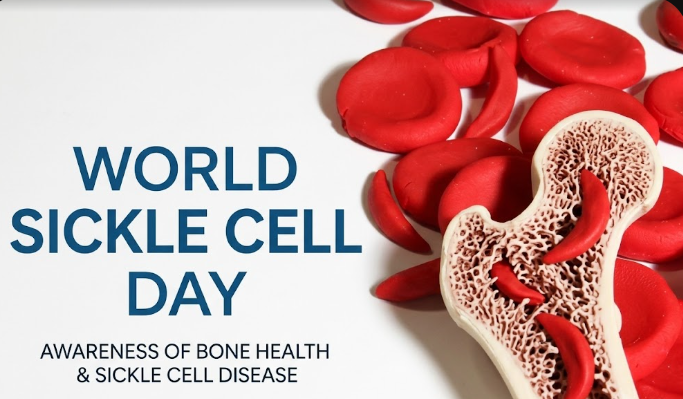
  • World Sickle Cell Day 2026: From “Closing the Survival Gap” to a New Era of Cure, Care and Equity

    World Sickle Cell Day 2026: From “Closing the Survival Gap” to a New Era of Cure, Care and Equity

    Every year on June 19, the world observes World Sickle Cell Day—but in 2026, the conversation feels different. It is no longer limited to awareness alone. It is now about urgency, equity, and a rapidly evolving medical future.

    The official theme for World Sickle Cell Day 2026 is:

    “Closing the Survival Gap: Equity in Sickle Cell Disease”

    This theme captures a critical truth: survival should not depend on geography, income, or access to healthcare. It calls for a world where early diagnosis, advanced treatment, and continuous care are available to every patient—not just a privileged few.

    A Disease at the Centre of Inequality and Innovation

    Sickle cell disease (SCD) is a genetic blood disorder where red blood cells become rigid and sickle-shaped, blocking normal blood flow. This leads to severe pain episodes, anaemia, organ damage, and lifelong health complications.

    Globally, over 300,000 babies are born with SCD every year, with the highest burden in low- and middle-income countries.

    India carries one of the heaviest burdens worldwide, particularly affecting Scheduled Tribes and underserved communities, where delayed diagnosis and limited healthcare access continue to shape outcomes.

    Yet, 2026 marks a turning point—where science, policy, and public health are beginning to converge.

    From Hope to Reality: The Rise of Gene-Based Cures

    For decades, sickle cell disease was managed, not cured. That is now changing.

    Gene Therapy: Rewriting the Disease Itself

    One of the most significant breakthroughs is CRISPR-based gene therapy, including treatments like Casgevy. This approach modifies a patient’s own stem cells so the body can produce healthy haemoglobin.

    For the first time, medicine is not only treating symptoms—but addressing the genetic root cause.

    Stem Cell Transplant: The Established Cure

    Hematopoietic stem cell transplantation (bone marrow transplant) remains the only established curative option today. While limited by donor availability and eligibility, it has transformed outcomes for many children worldwide.

    Targeted Medicines: Turning a Fatal Cycle into a Manageable Condition

    Modern therapies are reshaping daily life for patients:

    • Voxelotor – improves anaemia by preventing red blood cell sickling
    • Crizanlizumab – reduces painful crisis frequency
    • L-Glutamine – lowers oxidative stress in cells
    • Hydroxyurea – long-standing therapy that increases fetal haemoglobin

    Together, these treatments are reducing hospitalisation, improving quality of life, and extending life expectancy.

    India’s National Mission: Screening at Scale, Saving Lives Early

    India has launched the National Sickle Cell Anaemia Elimination Mission, targeting elimination of the disease as a public health problem by 2047.

    Its core focus includes:

    • Mass screening in high-burden districts
    • Distribution of Sickle Cell Identity Cards
    • Early diagnosis and treatment linkage
    • Creation of digital patient tracking systems

    Large-scale outreach programmes in tribal and rural regions are identifying cases earlier than ever before—often before symptoms become severe.

    The Survival Gap: Why Theme 2026 Matters

    The theme “Closing the Survival Gap” is not symbolic—it reflects real-world inequality.

    Two children with the same disease may have entirely different futures depending on:

    • How early they are diagnosed
    • Whether treatment is accessible
    • Whether their families are informed

    This gap is what global health systems are now being challenged to eliminate.

    Prevention Begins Before Birth: The Power of Genetic Awareness

    One of the most important yet overlooked aspects of SCD is the sickle cell trait.

    • Carriers usually have no symptoms
    • But they can pass the gene to children
    • If both parents are carriers, there is a 25% risk of disease in the child

    This makes pre-marital and pre-pregnancy screening essential, especially in high-risk regions.

    Awareness here is not optional—it is preventive medicine.

    Everyday Management: Small Actions, Lifelong Impact

    Even with advanced treatment, daily care remains essential:

     Medical Support

    • Vaccinations and infection prevention
    • Daily antibiotics in young children (as prescribed)
    • Folic acid supplementation

    Lifestyle Protection

    • Proper hydration
    • Avoiding extreme temperatures
    • Early response to pain episodes

    These steps reduce complications and improve long-term stability.

    A New Healthcare Ecosystem Emerging

    Beyond treatment, India is building a structured ecosystem through:

    • National Health Mission screening portals
    • Community outreach camps
    • Tribal health initiatives
    • Genetic counselling expansion

    The goal is not just treatment—but continuity of care from birth to adulthood.

    Conclusion: From Awareness to Equity, From Equity to Cure

    World Sickle Cell Day 2026 marks a rare moment in global health—where science is advancing rapidly, and policy is beginning to align with need.

    The theme “Closing the Survival Gap: Equity in Sickle Cell Disease” is both a promise and a challenge.

    Because today, the question is no longer whether sickle cell disease can be understood.

    It is whether every child—regardless of where they are born—can access:

    • Early screening
    • Timely treatment
    • And, one day, a cure

    The tools are now available. The systems are being built. The responsibility is collective.

    And the message is clear:

    A survival gap that can be closed must not be allowed to remain open.

  • Myntra’s EORS records 1.3X growth in new customers YoY; Made-in-India D2C Brands Record 40 Percent Growth in Demand

    Bengaluru, June 19: Myntra’s End of Reason Sale, now in its 24th edition, recorded 1.3X growth in first-time shoppers over the June edition last year, with non-metro markets accounting for 55% of that share. Cities such as Jaipur, Lucknow, Patna, Indore, Guwahati, Surat, Nagpur, and Bhopal were among the strongest contributors. Made-in-India D2C brands under Myntra Rising Stars saw an average 40% growth in demand over the June edition of EORS last year. Together, these numbers reflect EORS’s growing role as a structural platform for brand growth, customer acquisition, and fashion and lifestyle discovery across India.

    Featuring 6 million+ styles across fashion, beauty, footwear, accessories, home, and lifestyle, this edition of EORS saw 5,000 first-time partner brands leverage the platform to expand reach and connect with consumers at scale. D2C brands participating in EORS added nearly 13 lakh styles across categories, strengthening both the breadth and freshness of selection available to shoppers. Brands including VASTRADO, PLIX The Plant Fix, Mamaearth, The Souled Store, and Powerlook recorded an average of over 70% growth in demand over their daily average, underscoring the scale of opportunity EORS creates for emerging brands seeking national visibility.

    Ritesh Mishra, SVP, Head of Revenue and Category, Myntra, said,

    “EORS has always been a celebration of fashion, beauty, and lifestyle, bringing together millions of customers and thousands of brands from across the country. We are particularly encouraged by the momentum witnessed across non-metro markets and the growth we were able to propel for emerging D2C brands, many of whom leveraged EORS to connect with customers at an unprecedented scale. As we continue to strengthen our technology-led shopping experience, we remain focused on bringing the best of trends from leading fashion and lifestyle brands to India’s digitally savvy consumers.”

    Categories That Drove Demand

    Customer demand this edition was shaped by seasonal needs like summer travel, weddings, and workwear. Men’s Casual Wear led across Early Access and Day 1, while Eyewear recorded the highest growth on Day 1. Women’s Ethnic Wear and Women’s Western Wear maintained strong traction through the event, with Beauty and Personal Care and Kidswear recording significant demand growth. Travel-led categories including trolley bags, backpacks, and travel accessories also saw increased demand, reflecting a mix of everyday and occasion-led purchasing.

    The edition saw strong engagement across established brands including GUESS, Levi’s, Tommy Hilfiger, Puma, ASICS, The Ordinary, and L’Oreal, alongside new additions such as Kate Spade, Bardot, Longchamp, Aston Martin Watches, e.l.f. Beauty, Chloé, Pierre Cardin Bags, STRV, VAHRO, Sparklepop, Juicy Couture, Saucony, Gully Labs, and Official FIFA Jerseys among others.

    Demand in non-metro markets was led by Women’s Ethnic Wear, Men’s Casual Wear, Beauty and Personal Care, and Sports Footwear. Brands that saw strong traction in these cities include Crocs, Bata, Nike, Lacoste, Timex, Snitch, Koskii, Libas, H&M, MANGO, CAI, ALDO, Sangria, Mamaearth, Maybelline, and L’Oreal among others.

    M-Now Brings Speed to the Sale

    Myntra’s hyper-speed delivery proposition M-Now saw a surge in demand during EORS across fashion, beauty, accessories, and travel-related categories. Delhi, Bengaluru, and Mumbai were the strongest markets, while demand from Patna, Jaipur, Lucknow, and Ahmedabad highlighted growing adoption beyond metros. Live across eleven cities, M-Now gave customers access to 1 lakh+ styles with deliveries starting from 30 minutes. Popular brands among M-Now shoppers included Levi’s, Tommy Hilfiger, adidas, Manyavar, Libas, Indo Era, Michael Kors, Fossil, Skechers, Maybelline, and Lakmé.

    FWD Records Strong Gen Z Demand

    FWD, Myntra’s Gen Z-focused proposition, saw strong engagement during EORS, contributing significantly to platform orders. The proposition featured 700K+ styles from brands including SZN, Freakins, Bonkers Corner, Glitchez, Anouk Rustic, Lulu and Sky, KPOP, and Outzider among others.

  • InfoComm 2026: PPDSredefines digital display design with UltraSlimPhilips Signage 7000 Series unveiling in Las Vegas

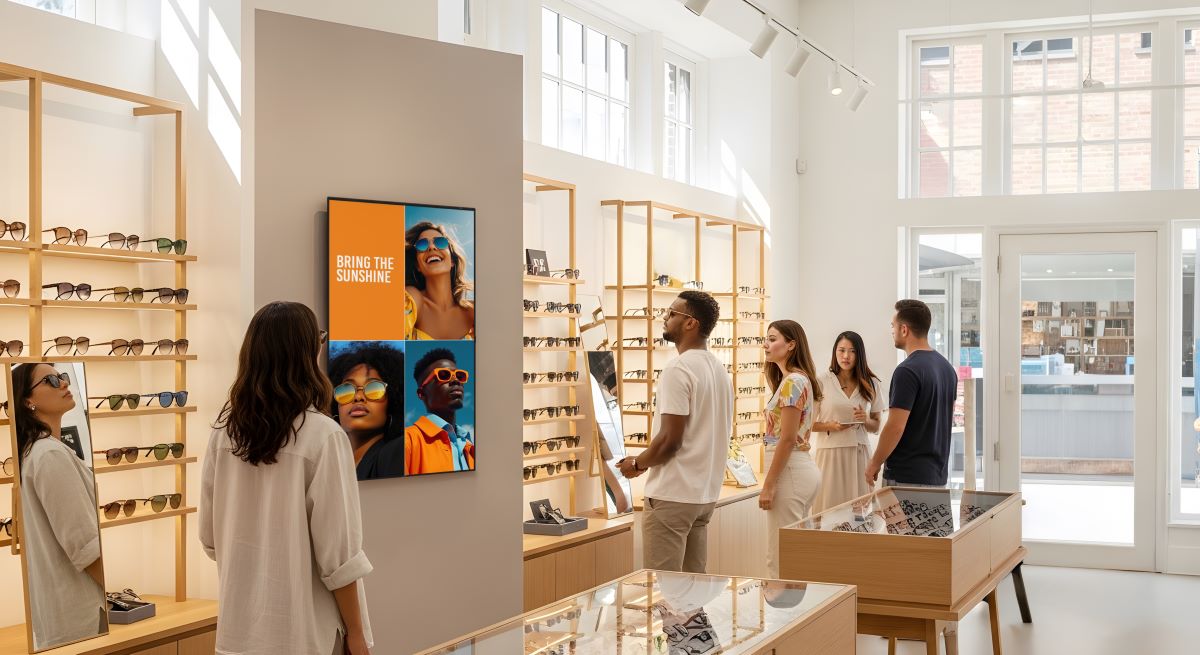
    Half the depth, double the possibilities:At 60 per cent slimmer than comparable models in PPDS’ Philips Signage portfolio, the new, sleek and stylish Philips Signage 7000 Series opens exciting new installation opportunities to partners and customers, packaging 4K UHD visual performance and AI ready processing power with a slender and stylish presentation for almost any setting.

    InfoComm 2026: PPDSredefines digital display design with UltraSlimPhilips Signage 7000 Series unveiling in Las Vegas

    InfoComm, Amsterdam, June 19: PPDS, the exclusive global provider of Philips Professional Displays and complementary solutions, is excited to announce the launch of its thinnest and lightest 4K UHD digital signage line to date, with the Philips Signage 7000 Series UltraSlim displaylaunching at InfoComm 2026.

    Making its official debut on Philips boothC9000in Las Vegas,the dazzling and unmistakable Philips Signage 7000 Series signals the creation of an exciting new line within PPDS’ evolving digital signage portfolio, opening a wealth of exciting installation opportunities for 24/7 environments where proven quality, unparalleled performance, andvisual aesthetics really matter.

    Fuelled and finessed using invaluable feedback from global partners and customers around the world – including those with past and current experience of using comparable competitor offerings – the landscape and portrait mountable UHD Philips Signage 7000 Series UltraSlim comes in a choice of size options, including 43”, 50”, 55” and 65”.
    InfoComm 2026: PPDSredefines digital display design with UltraSlimPhilips Signage 7000 Series unveiling in Las Vegas

    Thinner, lighter, smarter

    Built for versatility and flexibility,the Philips Signage 7000 Series will be available in warehouses from Q4 2026 to support a diverse range of verticals and environments – with retail, corporate, public venues, hospitality, and food and beverage among target markets.

    Designed with a depth of just 30mm for the 65” model and 28.5mm on all others, it is an incredible 60 per cent less deepthan its closest Philips Signage counterpart – the Philips Signage 4050Q. The 43”, 50” and 55” models are 10 per cent lighter than their 4050Q size equivalents, and the 65” model weighs 20% less than its 4050Q comparison.

    Impossible to ignore, whether used to showcase the latestfashion styles in a retail store or to display mouthwatering menus in a bar or restaurant, allPhilips Signage 7000 Series models bring500 nits brightness inside an elegant11.5mmeven bezel design.

    Bart Wouters, International Product Manager at PPDS, commented:“The Philips Signage 7000 Series delivers brilliance and beauty for almost any environment, enhancing and opening new opportunities for an even wider audience. Essentially, it brings all the features you expect from our premium Philips Professional Displays, together with an allnew, ultra slim design.”

    Commenting from the showfloor at InfoComm 2026, Andrea Barbuti, Global Product Management Lead EMEA at PPDS, added: “The new Philips Signage 7000 Series marks a new chapter in our signage display design, delivering visually spectacular performance and presentation across an unparalleled range of use cases. With the allnew slimline design, together with reduced weight, the installation opportunities are limitless.”

    Beauty inside and out

    Internally – mirroring other Android SoC models from PPDS – the Philips Signage 7000 Series comes with the outof thebox features and functionalitiesthat have become standard hallmarks of Philips Professional Displays, allowing each display to be tailored to meet the unique requirements of every customer.

    Running on a professional Android 16SoC and with a TOPS 3.0 Neural Processing Unit ready for AI applications,the Philips Signage 7000 Series brings complete reliability and peace of mind to installations, with trusted connectivity and security built in. All while enabling customers to select and install their preferred native Android apps and software directly onto the display.

    Unlocking its full power and intelligence still further, the Philips Signage 7000 Series joins PPDS’ portfolio of displays that are compatible with the Philips Wave remote display management platform, puttingusers in complete control.

    Saving on costs, energy, and environmental impact via optimised settings, Philips Wave offers simplified installation and setup, monitoring and controlling displays, upgrading firmware, managing playlists, and setting power schedules. Challenges can be overcome quickly and efficiently with the ability to spot issues in real time or even to identify potential problemsbefore they occur.

    Philips Wave users also have access to the Philips ProStore, eliminating any concerns around compatibility with selected partner software and applications used in – but not exclusively for – healthcare, corporate, retail, education, hospitality, and more.

    For additional peace of mind, the Philips Signage 7000 Series also features PPDS’ FailOver technology, automatically playing backup content on screen in the unlikely event of a primary media player failure, ensuring screens remain active when it matters.

    Connected, secure, sustainable

    Ideal for presentation settings, such as in meeting rooms, corporate boardrooms and classrooms, the Philips Signage 7000 Series also comes withintegrated Philips SmartBrowser app, which leverages HTML5 to enable managers to set URLs to play as a media source.

    Wireless screen sharing is available with optional Philips ScreenShare, while the Philips Signage 7000 Series also provides a full suite of connections, includingHDMI, USB-C, RS232, LAN, USB, WiFi, and Bluetooth, to meet user preferences and promote the reuse of existing cables and equipment.

    On the subject of recycling, the Philips Signage 7000 Series adheres to PPDS’ commitment to bringing more sustainable products, using recycled resin for the display’s housing, while significantly reducing plastic used internally, as well as in the packaging.

    Andrea Barbuticontinued:“We are not the first manufacturer to launch a slimline digital signage offering, but as a company that prides itself on delivering reliable, versatile, and innovative solutions to market, we wanted to deliver better, rather than to try to win any races in bringing it to market.”

    Bart Wouters concluded: “We have bided our time and communicated carefully with customers to ensure we have shaped the Philips Signage 7000 Series around true market needs. We are thrilled with the results and, more importantly, so are our partners and customers, whose insight has played an integral role in its design and development.”



  • India Stunned as Germany Clinch FIH Pro League Win

    June 19: India produced a spirited performance but fell short against Germany in a closely contested FIH Pro League encounter, despite showing resilience and creating several key scoring opportunities throughout the match.

    Both teams started on an aggressive note, with Germany managing to take control in crucial phases of the game. India responded with determined attacking play and solid defensive efforts, keeping the contest competitive until the final stages.

    India’s forwards tested the German defence on multiple occasions, while the midfield worked hard to maintain possession and build attacking transitions. However, Germany’s clinical finishing and structured gameplay gave them the edge in the decisive moments of the match.

    Despite the result, India’s performance was marked by fighting spirit and tactical discipline, with several positives to take forward in their ongoing Pro League campaign. The team will look to build on this performance as they prepare for upcoming fixtures.

    Coaching staff emphasized the importance of converting opportunities and maintaining consistency against top-ranked opponents, noting that such high-intensity matches are crucial for long-term development and preparation.

    The encounter adds valuable experience for India as they continue their campaign in the FIH Pro League, with focus now shifting to upcoming matches.

  • UN Marks International Yoga Day with Global Participation and Wellness Focus

    UN Marks International Yoga Day with Global Participation and Wellness Focus

    New York, June 19: The United Nations marked International Yoga Day with a global gathering that brought together diplomats, delegates, and wellness practitioners from several countries to highlight the growing global embrace of yoga as a holistic practice for health and well-being.

    The event featured guided yoga sessions and demonstrations showcasing traditional practices aimed at improving physical fitness, mental clarity, and emotional balance. Participants underscored yoga’s relevance in promoting healthier lifestyles and managing stress in today’s fast-paced world.

    Speakers at the celebration emphasized that yoga has evolved beyond a traditional discipline into a global wellness movement, widely adopted across cultures as part of preventive healthcare and daily well-being routines.

    The programme also highlighted yoga’s role in fostering mindfulness, inner harmony, and a sense of collective well-being. Delegates noted that its universal appeal continues to bridge cultural differences and encourage shared approaches to health and wellness.

    The observance at the UN reinforced the importance of international cooperation in promoting holistic health practices and sustainable well-being initiatives, reflecting yoga’s enduring contribution to global peace and harmony.