Blog

  • Rural Fellows Relaunches with Eight Students Serving Across Nebraska

    Eight University of Nebraska–Lincoln students are spending part of their summer immersed in Nebraska communities as Rural Fellows.

    The students are living and working alongside residents in Curtis, Hastings, York and Knox County, contributing to local projects while gaining hands-on experience. The seven-week internships run through July 17.

    Fellows were selected through an application and interview process and matched with communities based on their strengths and interests. This year’s cohort began with a training academy June 1-2 before relocating to their host communities on June 3.

    Timothy “Ben” Bentzinger is excited to use everything he is learning in class as a master’s student in community and regional planning. Bentzinger will work alongside Sue Crawford in York’s City Planning Department.

    “York just took on a new comprehensive plan and is introducing a bike path through town, so I plan to work with them on those things, and what Sue does directly relates to my master’s studies,” Bentzinger said.

    The Rural Fellows program, part of Rural Prosperity Nebraska, returned this year after a two-year pause. It is led by Mary Emery, professor in agricultural leadership, education and communication. As the program relaunched, organizers took a more tailored approach to placing students, said Blair Bagley, doctoral student and graduate research assistant.

    “As we’re restarting the program, we approached the communities with the students’ talents in mind,” Bagley said. “I think this cohort of Rural Fellows is going to be a great experience for both the students and their host communities, because it’s benefiting both — students meeting professional goals and community members getting the talent they need to complete these projects.”

    The fellows, communities and host organizations are:

    • Timothy “Ben” Bentzinger, York, York City Planning Department
    • Alexa Carter, York, York County Community Coalition
    • Sarah Lange, York, York County Community Coalition
    • Swade Lamb, Hastings, United Way of South Central Nebraska with a focus on affordable housing
    • Hagar Ghanem, Hastings, United Way of South Central Nebraska with focus on early childhood education centers
    • Graysan Guss, Hastings, enCourage Advocacy Center, Prairie Loft Center for Outdoor and Agricultural Learning
    • Brandon Jurgens, Knox County with focus on emergency management through an EPSCoR grant
    • Sam Durre, Curtis with focus on wildfire/burn prevention through an EPSCoR grant
  • Horse owners’ personality and attachment style shape how they interact with and care for their horses

    A new study shows that horse owners’ psychological characteristics, including their attachment styles and personality traits, are systematically linked to how frequently they ride, train, and spend quality time with their horses, as well as the equipment they choose to use. The findings offer new insights into how human psychology shapes horse welfare and management.

    Attachment theory, originally developed to describe emotional bonds between humans, has increasingly been applied to human–animal relationships. Attachment style describes how individuals relate to others emotionally: those with high avoidant attachment tend to distance themselves emotionally and rely less on others, while those with high anxious attachment tend to seek closeness and fear rejection or abandonment.

    “We were interested in whether these psychological tendencies, which are well-studied in human relationships, would also manifest in how people interact with their horses — and indeed they do,” says lead author of the study, Postdoctoral Researcher Océane Liehrmann from the Department of Biology at the University of Turku, Finland, and the Department of Biosystem and Technology at the Swedish University of Agricultural Sciences, Sweden.

    The international research group conducted an online survey, gathering responses from 2,239 horse owners worldwide. The survey assessed their attachment styles using the Horse Attachment Questionnaire (HAQ) validated by the research group, and their personality traits using the Short Five Questionnaire. 

    Owners reported how often they rode, did groundwork training, and spent quality time with their horses, as well as what type of headgear — bit, bitless, or both — they used.

    More emotionally distant owners interact less with their horses

    The results showed a clear pattern: owners who spent more time with their horses, whether riding, training, or simply being with them, tended to be more emotionally connected to their horses. In contrast, owners who kept more emotional distance to their horse also tended to interact with them less frequently, spending less time riding and engaging in hands-on activities.

    “This mirrors what has been found in companion animal research, where people with higher avoidant attachment tend to be less attentive and less engaged in caring for their pets. Our findings suggest the same dynamic extends to horse ownership,” notes Liehrmann.

    Interestingly, the type of interaction and relationship length also mattered. Owners who regularly spent informal, unstructured quality time with their horse, simply being present with them without a specific training goal, tended to show stronger emotional bonds. Owners with longer relationships with their horse showed progressively lower avoidant attachment, with those knowing their horse for over 10 years being about 15 percent less avoidant than those in relationships of under one year.

    Owners’ personality also played a role in how they engaged with their horses, though differences between groups were subtle. Those who rode more frequently tended to be slightly more organised, outgoing, and emotionally stable. In contrast, owners who practised groundwork more often tended to score higher in openness to new experiences, which may reflect a greater curiosity and willingness to explore non-traditional, horse-centred training methods.

    “These are not dramatic differences, but they are consistent and meaningful. Personality shapes the way people approach activities across many domains of life, and equestrian practice appears to be no exception,” Liehrmann explains.

    Equipment choice linked to emotional distancing

    The study also found subtle links between headgear choice and owner psychology. Owners who used bitless equipment or alternated between bit and bitless tended to score slightly lower in emotional distancing than those who rode exclusively with a bit. Owners open to using both types of headgear also tended to score higher in openness to new experiences, suggesting a greater willingness to explore different approaches to riding.

    The researchers note that these are modest tendencies observed across a large group of owners, and that equipment choice is shaped by many factors, including riding discipline, training background, and the individual horse’s needs. 

    Rather than pointing fingers at any particular practice, the findings suggest that reflecting on our own psychological tendencies could be a valuable step toward more conscious, horse-centred decision-making.

    Implications for horse welfare and training

    The researchers emphasise that even modest psychological differences may carry practical importance when they consistently influence how horses are managed and cared for over time.

    “Understanding the psychological characteristics of horse owners could help tailor training programmes, improve human-horse communication, and ultimately support better horse welfare. Designing tools that give equestrians greater awareness of their own psychological tendencies could be a meaningful step in that direction,” concludes Liehrmann.


  • Fewer Than 1 in 4 with Stroke, 1 in 7 with Brain Injury Receive Inpatient Rehab

    MINNEAPOLIS — Fewer than one in four people with stroke and fewer than one in seven people with traumatic brain injury receive inpatient rehabilitation care after being hospitalized, according to a study published on June 10, 2026, in Neurology® Open Access, an official journal of the American Academy of Neurology. Researchers found disparities in access across sex, race, insurance coverage and income level.

    “Receiving intensive rehabilitation after stroke, traumatic brain injury and spinal cord injury can improve a person’s recovery, yet access to inpatient rehabilitation care remains inconsistent and may not be equitable,” said study author Farhaan S. Vahidy, MBBS, PhD, of TIRR Memorial Hermann in Houston, Texas, and a member of the American Academy of Neurology.

    “Inpatient rehabilitation facilities provide more intensive rehabilitation care, usually more than three hours per day, than skilled nursing facilities,” said Vahidy. “Our study found fewer people receive this type of rehabilitation than are likely eligible, with concerning disparities affecting historically marginalized communities, people with Medicaid and those from lower-income areas.”

    For the study, researchers reviewed four years of health records in five states to identify 444,908 adults hospitalized for stroke, traumatic brain injury and traumatic spinal cord injury. They had an average age of 69. Of participants, 75% had stroke, 24% had TBI and 1% had spinal cord injury. After hospitalization, 22% were discharged to inpatient rehabilitation facilities, 26% to skilled nursing facilities and 54% were sent home.

    Researchers found just 22% of those with stroke and 14% of those with traumatic brain injury were sent to an inpatient rehabilitation facility, while the number was 44% of those with spinal cord injury. That is fewer than one in four people with stroke and one in seven people with brain injury discharged to an inpatient rehabilitation facility.

    Researchers also looked at the differences between various groups of people.

    After adjusting for factors such as insurance, a person’s home residence and health factors like high blood pressure and diabetes, researchers found older people with an average age of 75 had 4% higher odds than younger people with an average age of 63 of being discharged to an inpatient rehabilitation facility versus home, female participants had 19% higher odds than male participants, and Black people had 29% higher odds than white people while Hispanic people had 22% lower odds.

    The researchers note several limitations when interpreting these findings. The analysis looked back at administrative data and cannot determine causal relationships or account for unmeasured factors that influence hospital discharge, especially social and individual factors not captured in medical records.

    Researchers also found that having private insurance or Medicaid versus Medicare and living in areas with the highest average income compared to areas with the lowest average income were associated with 12% lower odds of being discharged to an institutional rehabilitation facility.

    When looking only at people discharged to rehabilitation or skilled nursing care, and not those sent home, Black people had 10% lower odds of being discharged to a rehabilitation facility than a skilled nursing facility.

    “Ensuring equitable access to intensive inpatient rehabilitation can help improve long-term outcomes for people with these conditions,” said Vahidy. “Future studies should further examine differences in care and develop interventions to reduce disparities.”

    Another limitation of the study was that the data reviewed did not include information on the severity of strokes, traumatic brain injuries and spinal cord injuries.

    Discover more about brain health at Brain & Life®, from the American Academy of Neurology. This resource also offers a website, podcast, and books that connect patients, caregivers and anyone interested in brain health with the most trusted information, straight from the world’s leading experts in brain health. Follow Brain & Life on Facebook, X, and Instagram.

    The American Academy of Neurology is the leading voice in brain health. As the world’s largest association of neurologists and neuroscience professionals with more than 44,000 members, the AAN provides access to the latest news, science and research affecting neurology for patients, caregivers, physicians and professionals alike. The AAN’s mission is to enhance member career fulfillment and promote brain health for all. A neurologist is a doctor who specializes in the diagnosis, care and treatment of brain, spinal cord and nervous system diseases such as Alzheimer’s disease, stroke, concussion, epilepsy, Parkinson’s disease, multiple sclerosis, headache and migraine.

  • JMIR Publications’ JMIR Neurotechnology Invites Submissions on the Responsible and Ethical Use of Neurotechnology

    Toronto, June 13: JMIR Publications invites submissions to a new section titled “Ethics and Policy in Neurotechnology” in its open access journal JMIR Neurotechnology. The premier, peer-reviewed journal is indexed in Sherpa/Romeo, DOAJ, EBSCO/EBSCO Essentials, PubMed Central and PubMed.

    Neurotechnology needs an urgent and focused discussion on what effective policy and regulation looks like for this rapidly expanding field. A pioneering science, such as combining neuroscience with new technologies, necessitates rigorous scrutiny and clear policy frameworks to guide ethical development, application, and evaluation. Integrating artificial intelligence (AI) technologies with hardware and software advancements and neuroscience can open new opportunities for scientific discovery within the central nervous system. At the same time, this introduces new ethical, legal, social, and medical questions while also amplifying or emphasizing existing issues. 

    While the EU AI Act prohibits manipulative AI (https://artificialintelligenceact.eu/), the direct link that neurotechnology creates could increase the potential for vulnerabilities. As AI-integrated brain-computer interfaces (BCIs) shift from experiments and clinical trials to applications in consumer or even military sectors, the capacity to monitor or modulate neural activity is rapidly outpacing current ethical frameworks. This commercial and defense-driven advancement creates a gap in policy regarding cognitive liberty, where legal definitions of mental privacy remain insufficient to protect from data harvesting or dual-use exploitation.

    This new section in JMIR Neurotechnology focuses on the responsible and ethical use of neurotechnology. We welcome submissions on ethics and policy in neurotechnology, including original research, case series, theoretical viewpoints, and data-driven analyses, that explore the intersection of safety, ethics, policy, and practical implementation. By scrutinizing these emerging issues and proposing actionable solutions, contributors will help provide the pragmatic policy insights necessary to advance the field.

    Example topics for authors submitting to this section include but are not limited to:

    • Standards for biocompatibility, material corrosion, and magnetic resonance imaging (MRI) diagnostic compatibility
    • Comparative ethics and safety of intravenous versus direct-to-cortex implantation methods
    • Technical standards for neural data anonymization
    • Data privacy, security, and confidentiality, including informed consent from users for data sharing
    • Security protocols for protecting wireless BCIs from signal hijacking or interference
    • Strategies to mitigate planned obsolescence and ensure long-term implant functionality
    • Policies for mandatory firmware updates and monitoring late-onset surgical complications
  • NMDC NMDC participates at the MEAI Mining 4.0 Conference in Hyderabad

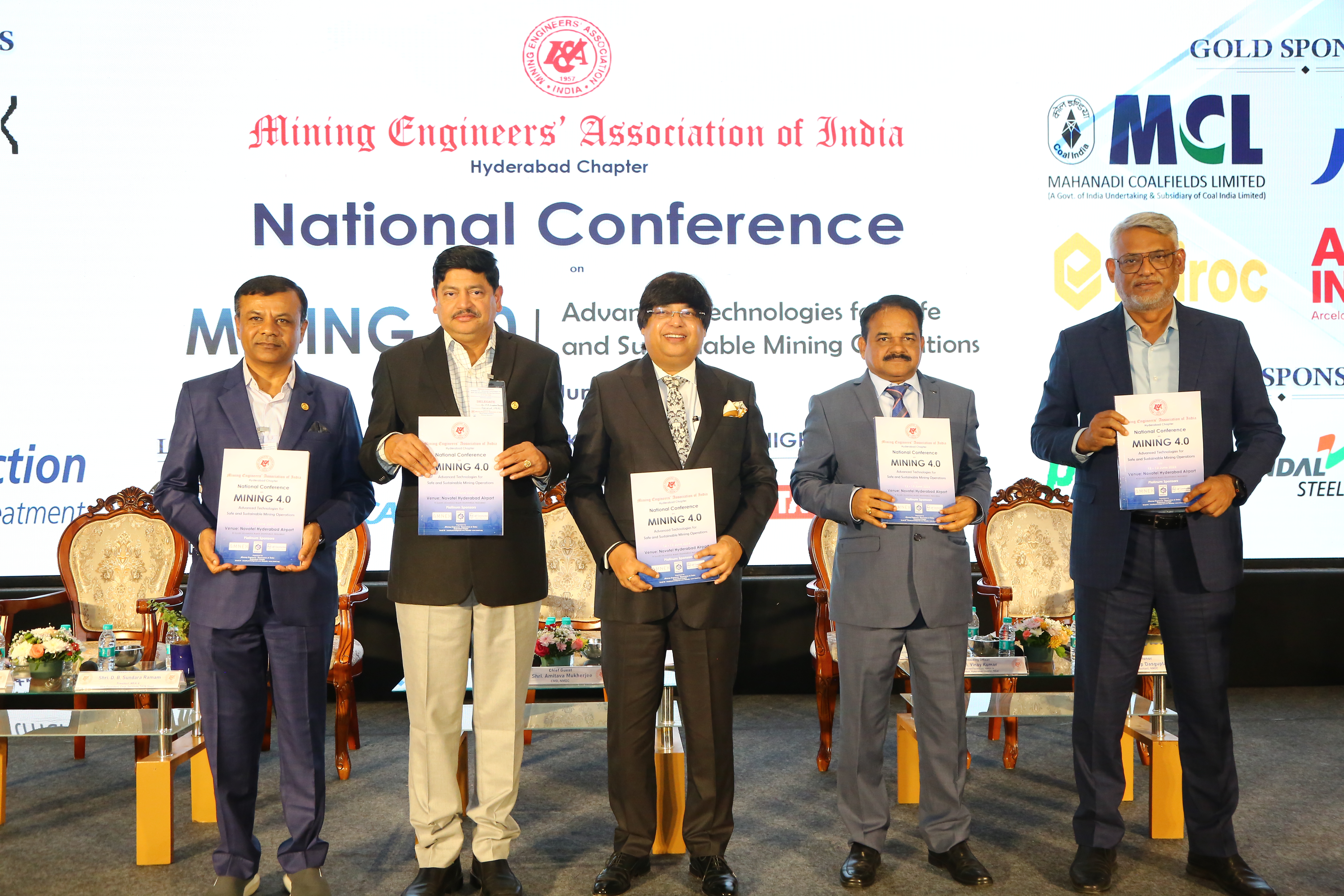
    Hyderabad, June 13 : The Mining Engineers’ Association of India began its two-day National Conference on “Mining 4.0: Advanced Technologies for Safe and Sustainable Mining Operations” in Hyderabad. The conference was inaugurated by Chief Guest Shri Amitava Mukherjee, Chairman and Managing Director, NMDC, in the presence of industry leaders, mining professionals, academicians, and senior officials.

    NMDC NMDC participates at the MEAI Mining 4.0 Conference in Hyderabad

    Shri Vinay Kumar, Director , NMDC and Chairman, MEAI Hyderabad Chapter, presided over the event, while Shri Joydeep Dasgupta, Director , NMDC, participated as a Guest of Honour. 

    The first day of the conference saw discussions around how technology is steadily reshaping mining operations. Sessions focused on the growing use of digitalisation, automation, artificial intelligence, geospatial systems, and smart monitoring technologies in improving mine safety, operational efficiency, and environmental performance.

    Speaking at the event, Shri Amitava Mukherjee said,

     “In mining, the only acceptable number in safety is zero. Safety and sustainability must go hand in hand, and technology is helping us strengthen both. Today, digitalisation and automation are transforming mining operations, making them safer, more efficient and more responsible. As demand for iron ore, steel and critical minerals continues to grow, the mining industry has a tremendous opportunity before it. At the same time, we must ensure that growth is driven by responsible mining, continuous innovation and value creation for all stakeholders. Conferences like MEAI help us learn from each other, gain new perspectives and return better prepared for the future”

    A key theme across the conference was the need to move research and innovation beyond presentations and into practical mining applications that can make a real difference on the ground.

    The inaugural function  concluded with a felicitation ceremony recognising professionals and experts for their contribution to the mining sector and its evolving technological landscape. Among those felicitated were Shri S. Krishnamurthy, Former Executive Director, NMDC and Former Secretary General, MEAI; Shri Akshaya Datt Tripathi, Former Executive Director, NMDC; Dr. K. Srinivas, Retired Professor of Eminence, Department of Mining Engineering, College of Engineering, Guindy, Anna University; and Dr. K. V. Shankar, Retired Professor of Eminence, Department of Mining Engineering, College of Engineering, Guindy, Anna University.

    Through its participation at the conference, NMDC highlighted its focus on using new technologies, encouraging innovation and strengthening responsible mining practices for safer and more sustainable operations. At NMDC, we are introducing systems like automated drills, remote sensing, digital monitoring platforms, and real-time analytics to improve the way mines are managed and operated.

    The conference will continue on June 13 with technical sessions, expert interactions, and discussions on emerging trends shaping the future of mining.

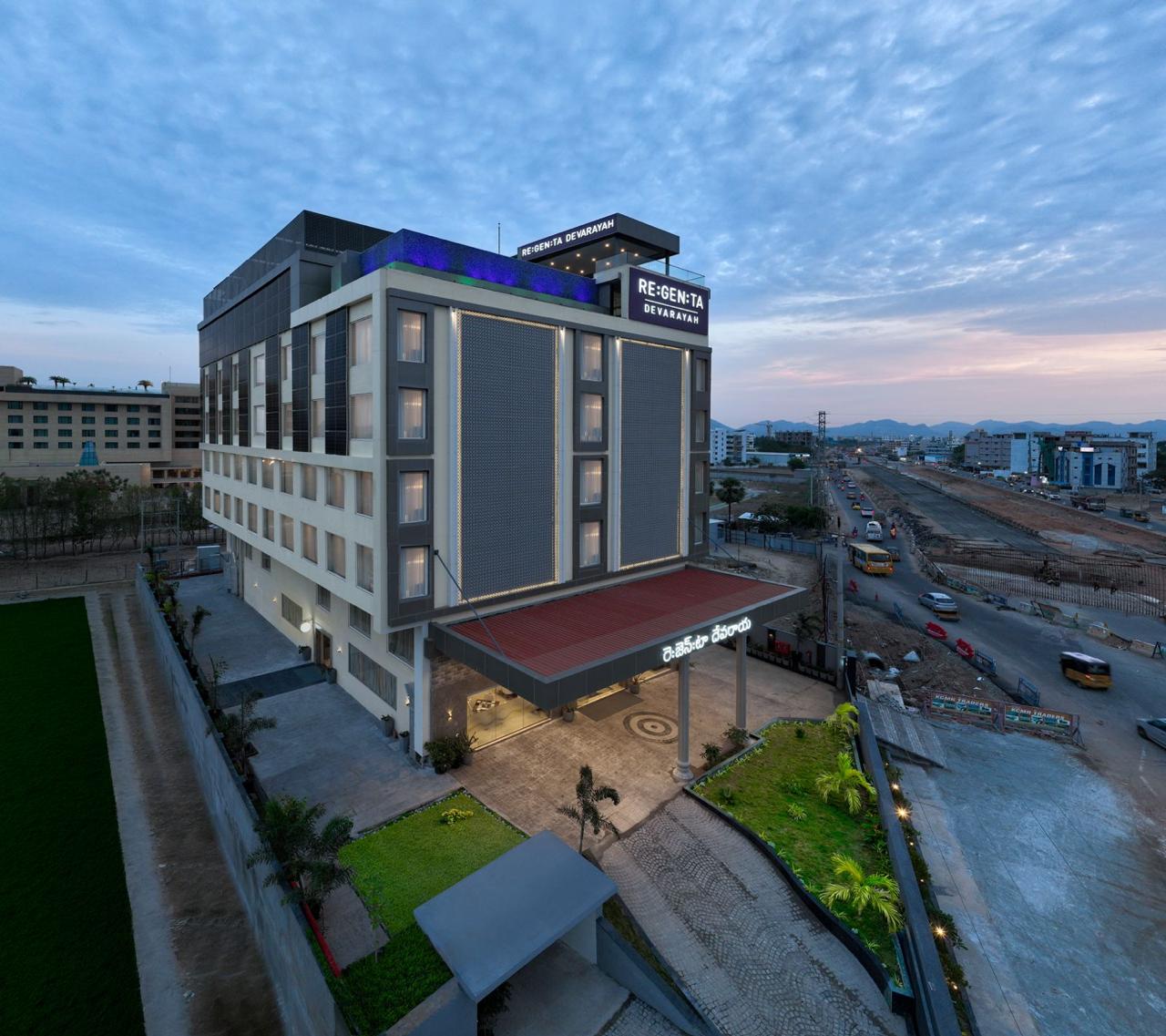
  • ROHL Strengthens Spiritual Tourism Portfolio with Launch of Regenta Devarayah Tirupati

    ROHL Strengthens Spiritual Tourism Portfolio with Launch of Regenta Devarayah Tirupati


    Bengaluru, June 13: Royal Orchid Hotels Ltd. (ROHL), through its subsidiary Regenta Hotels Private Limited, announces the launch of Regenta Devarayah Tirupati, further strengthening its presence in Andhra Pradesh. The new hotel marks a significant milestone in the group’s expansion strategy, offering a perfect blend of contemporary luxury, modern amenities, and spiritual serenity in one of India’s most revered pilgrimage destinations.

    Regenta is Royal Orchid’s upscale 4-star brand known for delivering exceptional value, contemporary facilities, and the group’s signature warmth and personalized service. Positioned with the tagline “Where Devotion Meets Comfort & Contemporary Luxury”, Regenta Devarayah Tirupati is ideal for devout pilgrims, families, and business/leisure travelers seeking both spiritual fulfillment and modern comfort.

    Strategically located in the heart of Tirupati at 20-7-27/101, DBR Hospital Road, Kothapalli, Subash Nagar, the hotel offers stunning views of the sacred Seshachalam Hills (seven hills) and enjoys excellent connectivity. It is just 2 km from Tirupati Railway Station and RTC Bus Stand, 9 km from Renigunta Railway Station, and 15 km from Renigunta (Tirupati) International Airport. The property is among the closest branded hotels to major temples, including the world-famous Tirumala Venkateswara Temple (Tirupati Balaji), along with Sri Padmavathi Temple and ISKCON Temple.

    The hotel features 56 thoughtfully designed accommodations comprising Deluxe Rooms, Club Rooms, Suite Rooms, and 2 Presidential Suites with larger room sizes, contemporary design, and elements of spiritual serenity. Guests can enjoy modern amenities including high-speed Wi-Fi, air-conditioning, ergonomic workspaces, LED televisions, tea/coffee makers, and comfortable bedding.

    The culinary experience is anchored by Pinxx, an all-day dining multi-cuisine restaurant offering a diverse menu with South Indian specialties, North Indian favorites, vegetarian delights, and a wide selection of beverages — perfect for pilgrims and families. Guests also benefit from round-the-clock in-room dining and refreshments.

    Key highlights and USPs include:

    • Rooftop Infinity Swimming Pool with panoramic mountain views
    • Gym / Fitness Centre
    • Spa on the 6th floor
    • Versatile Banquet & Event Facilities (up to 200 pax) and 3 Board Rooms
    • EV Charging Stations
    • Travel Desk with guided tours and transportation assistance
    • 80% power consumption from solar energy – the first hotel in Andhra Pradesh and 9th in India with Vertical Solar (220 kW capacity)

    Commenting on the launch, Chander K. Baljee, Chairman & Managing Director, Royal Orchid Hotels Ltd., said: “The launch of Regenta Devarayah Tirupati is a proud addition to our growing portfolio and aligns perfectly with our Vision 2030. Tirupati’s spiritual significance and rising tourism make it an ideal destination for the Regenta brand. We are excited to partner with the ownership group to deliver a comfortable, convenient, and spiritually enriching experience for guests while upholding the trusted service standards of Royal Orchid Hotels.”

    Regenta Devarayah Tirupati is now open and accepting reservations.


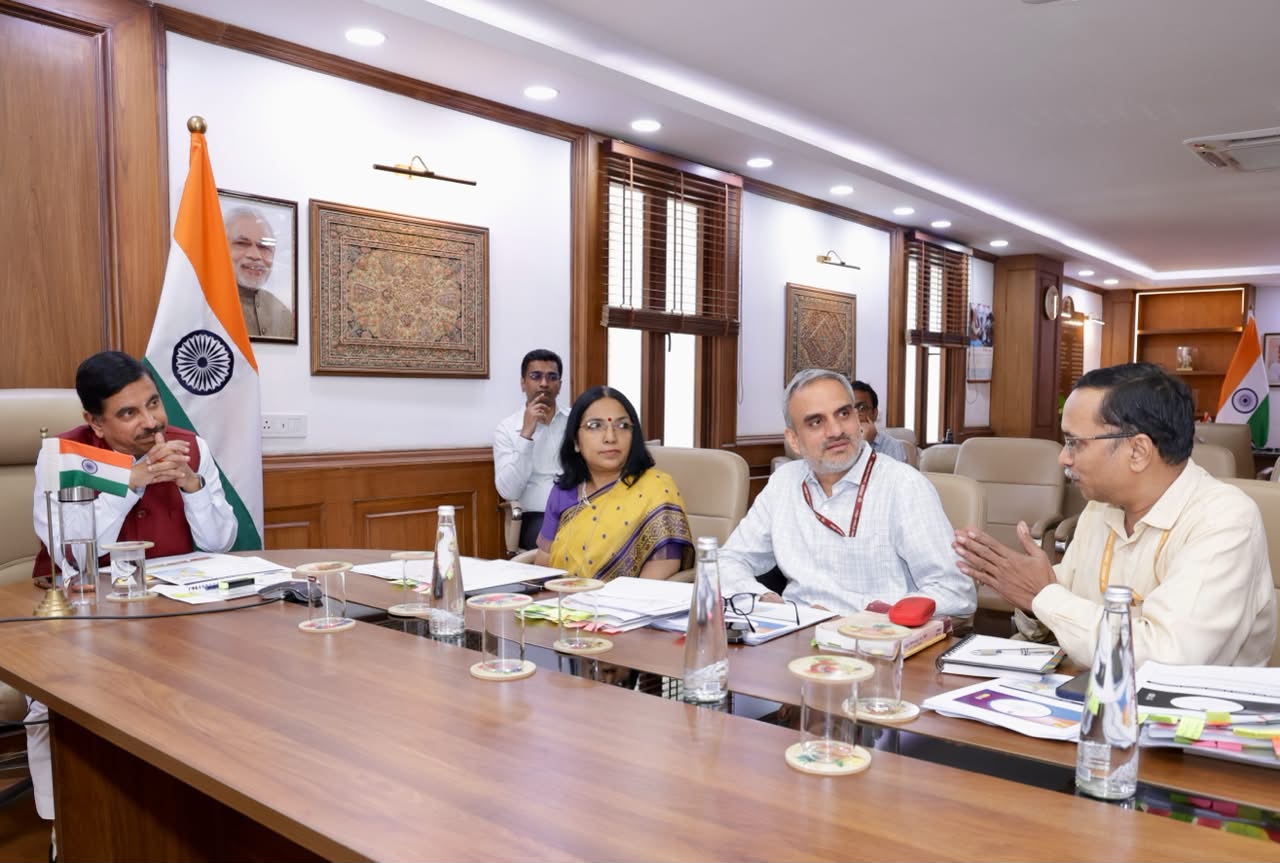
  • Government Revises Onion Procurement Price to Rs.1,650 per Quintal to Support Farmers

    Government Revises Onion Procurement Price to Rs.1,650 per Quintal to Support Farmers

    New Delhi: In a move aimed at strengthening onion procurement operations and ensuring better returns for farmers, the government has revised the Minimum Assured Procurement Price (MAPP) for storage-grade onions to ₹1,650 per quintal, effective from June 13, 2026.

    The decision was taken following a review meeting chaired with officials from the Department of Consumer Affairs (DoCA), where discussions focused on enhancing procurement mechanisms and safeguarding farmers’ interests amid prevailing market conditions.

    According to officials, the revised procurement price has been determined based on current mandi rates and quality requirements for onions intended for storage. The increase is expected to provide greater price assurance to farmers while supporting the government’s efforts to maintain adequate buffer stocks.

    In addition to revising the MAPP, the government has refined its pricing methodology to make procurement more responsive to changing market dynamics. The updated framework is expected to enable more efficient procurement decisions and ensure that farmers receive fair compensation in line with market realities.

    The move underscores the government’s commitment to strengthening agricultural marketing systems, stabilizing onion supplies, and improving income security for farmers. Onion remains one of India’s most important horticultural crops, and procurement interventions play a key role in balancing farmer welfare with consumer interests.

    Officials said the revised procurement mechanism will help ensure timely purchases, support price stability, and contribute to a more resilient agricultural supply chain.

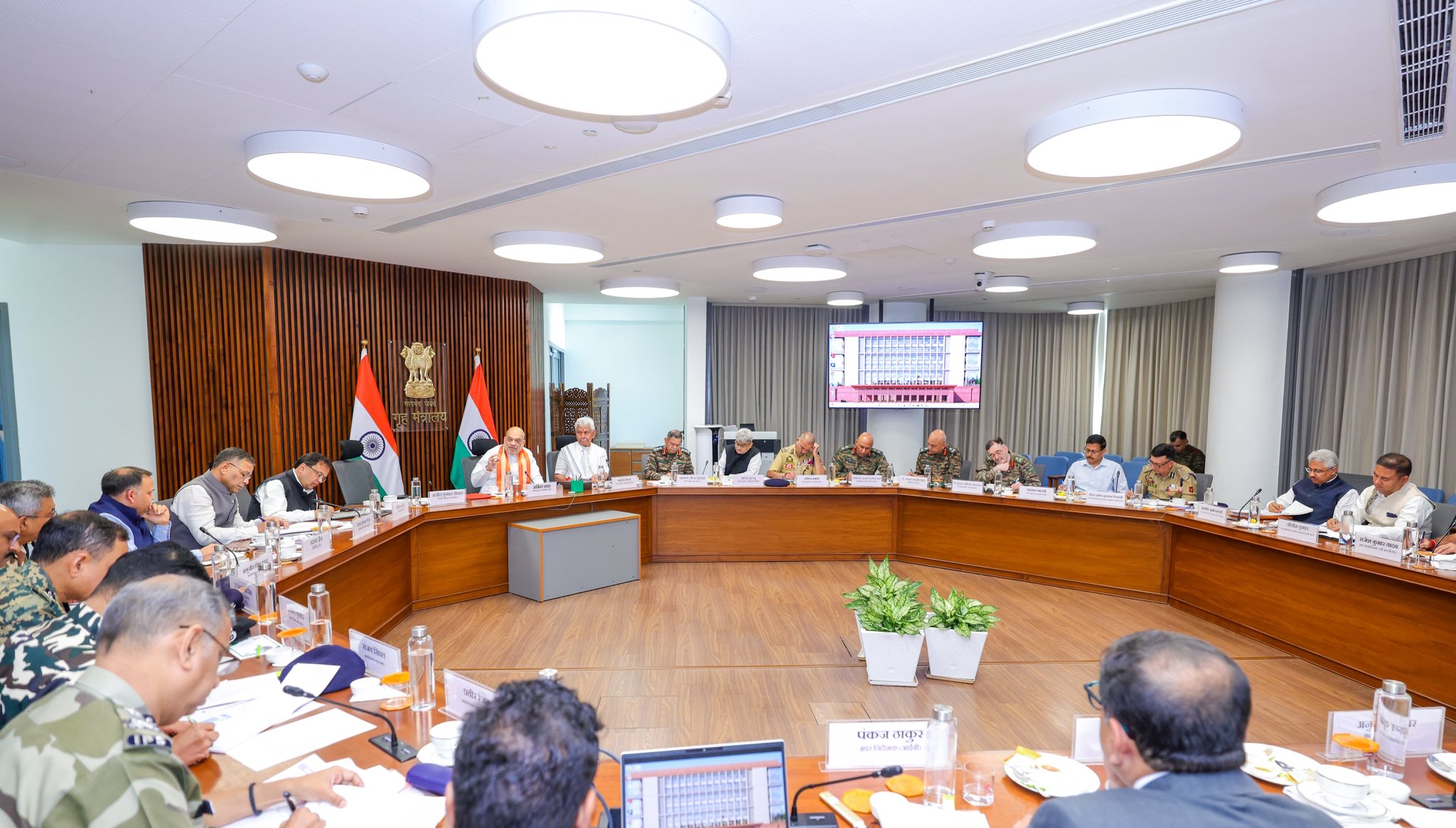
  • Authorities Review Security and Logistics Preparations for Shri Amarnath Ji Yatra

    Authorities Review Security and Logistics Preparations for Shri Amarnath Ji Yatra

    New Delhi: Senior officials reviewed the preparations and security arrangements for the upcoming Shri Amarnath Ji Yatra during a high-level meeting held in New Delhi.

    The review focused on ensuring a safe, secure, and smooth pilgrimage experience for devotees undertaking the annual yatra. Officials discussed security measures, logistical arrangements, and coordination among various agencies involved in managing the pilgrimage.

    A comprehensive multi-layered security grid will be deployed along the entire yatra route, with the participation of the Jammu and Kashmir Police, Central Armed Police Forces (CAPFs), and other security agencies. The enhanced security framework is aimed at ensuring the safety of pilgrims throughout their journey.

    Authorities were directed to ensure adequate arrangements for essential services, including pilgrim registration, accommodation, healthcare facilities, transportation support, and disaster management mechanisms. Special emphasis was placed on maintaining efficient coordination among departments to provide timely assistance to pilgrims.

    Officials also instructed authorities to regulate and advance pilgrim batches in accordance with prevailing weather conditions and forecasts to minimize risks and ensure smooth movement along the route.

    The annual Shri Amarnath Ji Yatra attracts thousands of devotees from across the country and is one of India’s most significant religious pilgrimages. The review meeting underscored the government’s commitment to ensuring robust security, seamless logistics, and the well-being of all pilgrims participating in this year’s yatra.

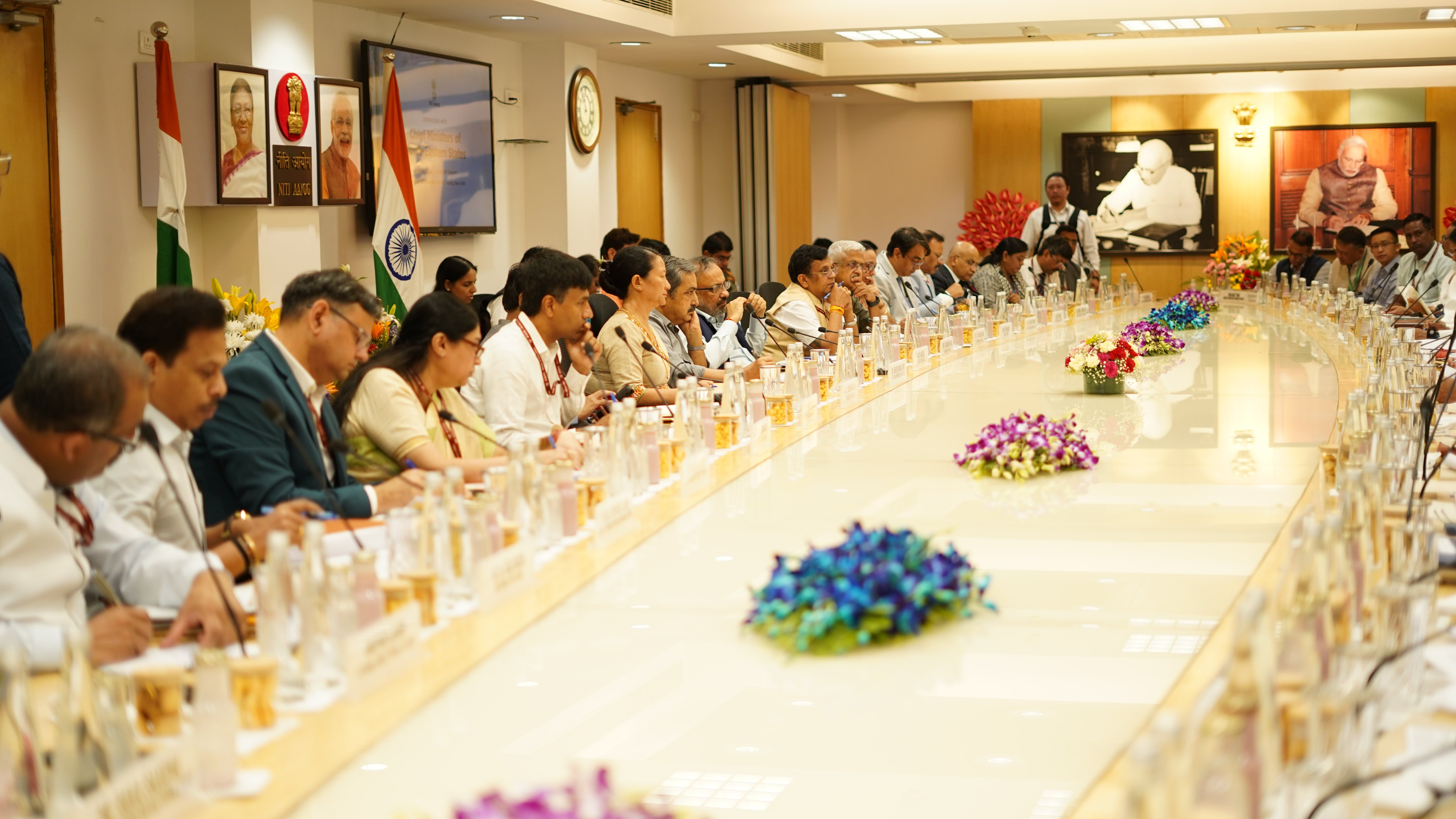
  • NITI Aayog Holds Interaction with Chief Ministers of North-Eastern States on Regional Development

    NITI Aayog Holds Interaction with Chief Ministers of North-Eastern States on Regional Development


    New Delhi: NITI Aayog on Thursday convened a high-level interaction with the Chief Ministers and representatives of the North-Eastern States to discuss key development priorities, regional challenges, and best practices for accelerating growth across the region.

    Representatives from all eight North-Eastern states participated in the deliberations, which focused on strengthening cooperative federalism and fostering collaborative approaches to development. The meeting provided a platform for states to share experiences, identify common challenges, and explore innovative solutions to drive inclusive and sustainable growth.

    The interaction was led by Ashok Lahiri, who emphasized the importance of tailored policy interventions and coordinated efforts to unlock the immense economic and social potential of the North-East.

    During the discussions, participants exchanged views on critical sectors including infrastructure development, connectivity, healthcare, education, tourism, skill development, digital transformation, and investment promotion. The states also highlighted successful initiatives and best practices that could be replicated across the region.

    NITI Aayog reiterated its commitment to supporting the North-Eastern states through evidence-based policymaking, institutional collaboration, and targeted development strategies. The interaction underscored the government’s continued focus on ensuring balanced regional development and integrating the North-East more closely with India’s growth story.

    The meeting is expected to contribute to a stronger framework for cooperation between the Centre and the states, enabling more effective implementation of development initiatives and improved outcomes for citizens across the region.

  • India Launches Strategic Documents for Bharat Innovates Ahead of Global Showcase in France

    India Launches Strategic Documents for Bharat Innovates Ahead of Global Showcase in France

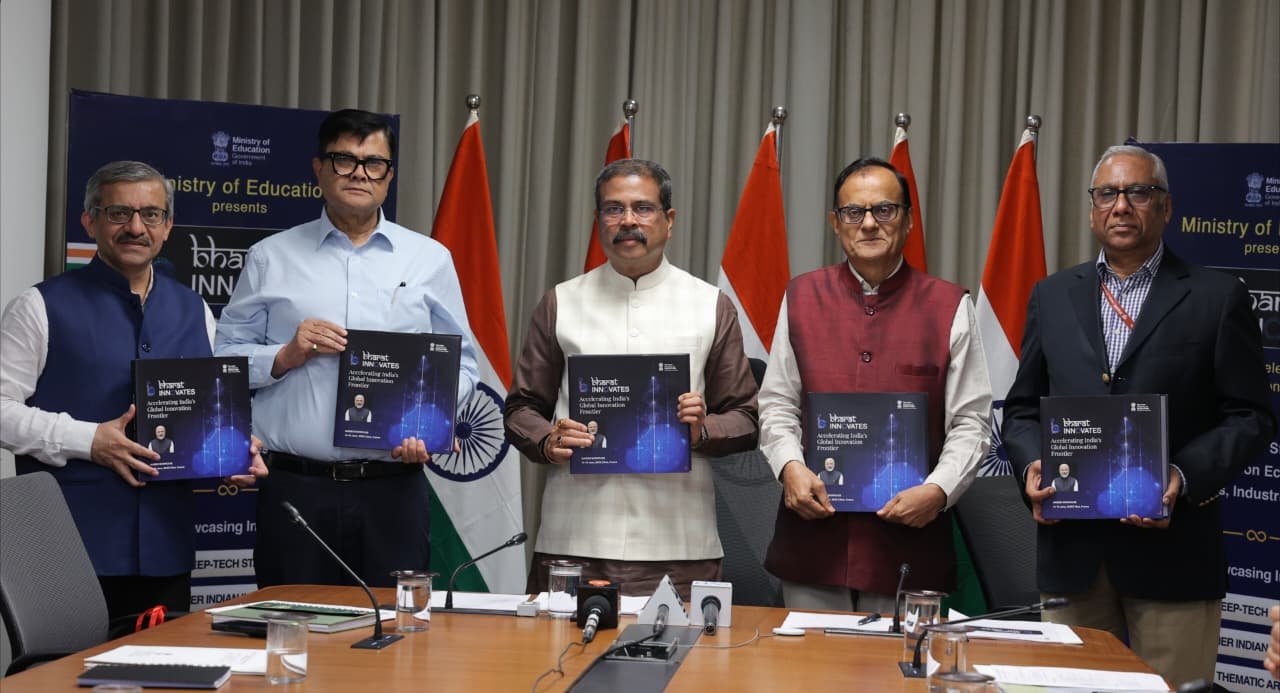
    New Delhi: The Government of India has launched the strategic documents for Bharat Innovates, a flagship initiative aimed at showcasing India’s growing innovation and technology capabilities on the global stage. The launch took place in the presence of Ajay Kumar Sood and senior officials from the Ministry of Education, ahead of the initiative’s international showcase in Nice.

    Bharat Innovates seeks to strengthen collaboration among academic institutions, industry leaders, startups, and researchers to develop affordable, high-quality, and accessible solutions to challenges faced by both India and the global community. The initiative is designed to foster sustained engagement across the innovation ecosystem and accelerate the translation of research into impactful technologies.

    Officials highlighted that the initiative reflects India’s emergence as a global innovation hub and demonstrates the country’s commitment to advancing science, technology, and entrepreneurship. The strong international interest and commitments received for the programme have further reinforced global confidence in India’s research ecosystem and the ingenuity of its young innovators.

    The initiative draws inspiration from the vision of Prime Minister Narendra Modi, whose focus on innovation-driven development and youth empowerment has helped shape India’s rapidly expanding startup and technology landscape.

    The government also acknowledged the support of President Emmanuel Macron and the Government of France in strengthening India-France cooperation in innovation and technology for the benefit of global society.

    Emphasizing the growing international recognition of India’s innovation ecosystem, officials expressed confidence that the country’s young innovators will continue to develop solutions to address humanity’s shared challenges and contribute meaningfully to global progress.

    The global showcase of Bharat Innovates in Nice is expected to provide a platform for Indian startups, researchers, and innovators to present cutting-edge solutions and deepen international partnerships in emerging technologies.