Blog

  • Air India Announces Major Summer Flight Cuts Due to Fuel Prices and Airspace Restrictions !

    New Delhi, May 14 (BNP): Facing mounting financial pressure amid the ongoing fuel crisis and geopolitical tensions, Air India has announced a major reduction in its international summer flight operations, suspending and scaling down services on several key routes till August 2026.

    Air India Announces Major Summer Flight Cuts Due to Fuel Prices and Airspace Restrictions !

    According to the revised schedule, the airline will operate nearly 37 per cent fewer international flights between June and August compared to April operations. Monthly international departures are expected to drop significantly as rising aviation turbine fuel prices, restricted airspace due to the West Asia conflict and declining route profitability continue to impact operations.

    Several major routes connecting India with North America, Europe, Australia and Asia have been affected. Services on routes such as Delhi-Chicago, Delhi-Shanghai and Chennai-Singapore have been temporarily suspended, while flight frequencies on destinations including Paris, Melbourne, Singapore and Kathmandu have been reduced.

    Air India, however, said it will continue operating more than 1,200 international flights every month during the affected period. The airline has offered affected passengers options including alternative flights, free rescheduling and full refunds if the revised schedules are not suitable.

    The operational changes come at a time when the Tata Group-owned airline is battling heavy financial losses, rising fuel costs and global travel disruptions. Industry experts believe the airline is prioritising cost control and operational stability as part of its ongoing turnaround strategy.

    Air India has also reportedly initiated several internal cost-cutting measures, including curbing discretionary spending and reviewing operational expenses, as it attempts to navigate one of the toughest phases for the aviation sector in recent years.

  • Sdeira Group and Metal Park sign MoU – Integrated Workforce and Infrastructure in the UAE

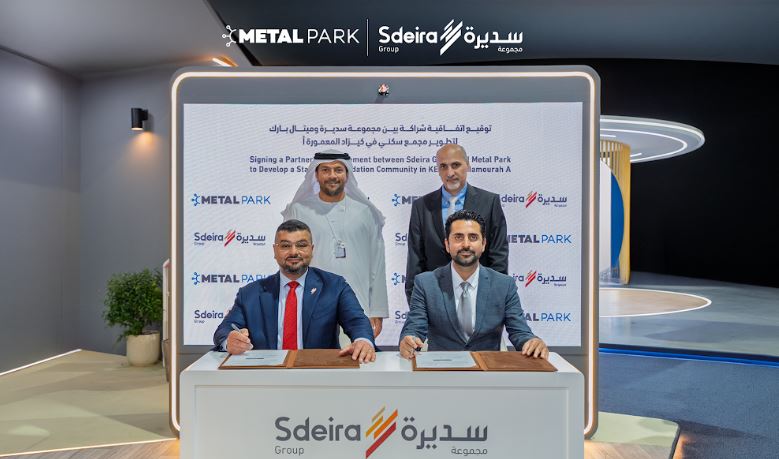
    UAE, 14 May 2026 – Sdeira Group has signed a Memorandum of Understanding with Metal Park, the world’s first pay-as-you-go metals ecosystem located in KEZAD, to co-develop a customised staff accommodation community in KEZAD Al Mamourah A dedicated to Metal Park’s companies and the wider metals manufacturing and operations base. The collaboration brings together Sdeira’s integrated group-living platform and Metal Park’s innovative industrial model to create a workforce community designed around the specific needs of metals industry tenants and end users.

    Metal Park, a 500,000 sqm ecosystem launched in KEZAD with an investment of AED 430 million, is engineered to help downstream metals businesses scale using a flexible, pay-as-you-go framework, supported by production, storage and business hubs in one connected destination. By aligning a dedicated accommodation community with this ecosystem, the MoU aims to ensure that the people powering metals production benefit from the same level of planning, integration and operational efficiency as the industrial assets they serve.

    Sdeira Group and Metal Park sign MoU - Integrated Workforce and Infrastructure in the UAE

    The planned community will leverage Sdeira’s experience in developing and operating integrated workforce environments close to industrial and logistics corridors, ensuring organised movement, shared services and daily-life support that are closely mapped to shift-based operations and safety requirements in metals manufacturing. For Metal Park tenants, this is intended to translate into improved workforce attraction and retention, reduced commuting time and a more stable operational base within KEZAD.

    Commenting on the MoU, a Sdeira Group spokesperson said:

    “Sdeira Group is redefining group living communities in industrial and economic zones, to be integrated ecosystems enabling industries and enforcing infrastructures, and that aligns with Metal Park’s scalable and flexible model, which marks the importance of this partnership through co-planning a customized staff accommodation community in KEZAD Al Mamoura A.”

    A representative of Metal Park added:

    “Our ecosystem is built to remove complexity and heavy upfront investment for metals businesses. Partnering with Sdeira allows us to offer a more complete proposition to our members—linking advanced industrial facilities with high-quality, well-managed accommodation within the same strategic industrial zone.”

    The MoU forms a part of Sdeira’s broader program at Make it in the Emirates 2026, where the Group is highlighting how integrated group living can act as critical infrastructure for industrial clusters across KEZAD and beyond.

  • Micron Redefines AI Performance With Sampling of 256GB DDR5 Server Module

    Bangalore, India, May 14: Micron Technology, Inc. (Nasdaq: MU), today announced it has sampled 256GB DDR5 registered dual in-line memory modules (RDIMM) to key server ecosystem enablers. The module is built on the company’s leading-edge 1-gamma technology, which is capable of speeds up to 9,200 mega transfers per second (MT/s), greater than 40% faster than modules in volume production today. Micron’s module employs advanced packaging techniques, 3D stacking (3DS) multiple memory dies connected by through-silicon vias (TSVs). Combined with Micron’s 1-gamma DRAM, these innovations provide the capacity, speed and power efficiency required to scale next-generation AI systems. A single 256GB module can reduce operating power by more than 40% versus two 128GB modules, enabling greater efficiency for modern AI data centers.

    Ecosystem partner validation

    Micron is collaborating with key ecosystem enablers to validate the 256GB 1-gamma DDR5 RDIMM across their respective current and next-generation server platforms. This co-validation ensures broad platform compatibility and accelerates the path to production deployment for data center customers building AI and HPC infrastructure at scale.

    “Capacity, bandwidth, and power are the defining drivers of AI efficiency. With our 256GB DDR5 RDIMM, Micron is enabling servers to deliver significantly higher performance,” said Raj Narasimhan, senior vice president and general manager of the Cloud Memory Business Unit at Micron. “Built on our 1-gamma DRAM using advanced 3DS and TSV packaging, this solution delivers industry-leading speed and power efficiency, helping data center architects scale AI infrastructure more efficiently.”

    Meeting the memory demands of the AI era

    The rapid proliferation of large language models (LLMs), agentic AI, real-time inference and high-core-count CPU workloads is driving an urgent need for greater enterprise server memory capacity, higher bandwidth and improved power efficiency. Micron’s 256GB DDR5 RDIMM addresses these growing requirements head-on, enabling server architects, hyperscale operators and platform partners to maximize memory capacity per socket while operating within the thermal and power boundaries of modern data center infrastructure.

    Sampling and availability

    Micron’s 1 gamma-based 256GB DDR5 RDIMM is currently sampling to key server ecosystem enablers for platform validation. 

  • Magna Systems adds telco solutions From Coverage to Experience alongside Building the Future Broadcast Stack at BroadcastAsia 2026

    20-22 May at Singapore Expo on stand 5D1-1
    Magna Systems adds telco solutions From Coverage to Experience alongside Building the Future Broadcast Stack at BroadcastAsia 2026


    SINGAPORE, 14 May 2026 – Magna Systems is adding the latest telco solutions From Coverage to Experience in 4G, 5G and NTN Performance alongside its Building the Future Broadcast Stack demos at BroadcastAsia 2026 from 20-22 May at Singapore Expo on stand 5D1-1.

    Magna’s telco offering at the show includes demonstrations of LIG Accuver solutions for comprehensive wireless testing, measurement and optimisation for 4G, 5G, emerging 6G networks as well as NTN (Non-Terrestrial Networks).

    They will also be demonstrating JSDenki’s premier electromagnetical compatibility (EMC) test and measurement solutions and WaveControl’s professional instruments for measuring and monitoring electromagnetic fields (EMF).

    Alongside these will be demos from iBWave and their solutions for designing, planning and surveying in-building wireless networks, including Wi-Fi, 5G, LTE and 5G and Pegatron the company that specialises in the development of 5G private network products and energy-saving solutions.

    The telco solutions on Magna’s BroadcastAsia stand will further complement cutting-edge and best-of-breed solutions and demonstrations from their broadcast technology partners including:

    Actus showcasing its latest Compliance Logger, featuring enhanced content recording, monitoring, and regulatory compliance capabilities

    • Arkona demonstrating its Easy IP Router together with the Manifold Production Multiviewer on the AT300, highlighting flexible and scalable IP-based signal routing and monitoring for modern broadcast operations

    • Caton Technology demonstrating Caton Media XStream, its intelligent IP transport platform, showcasing AI-driven smart routing, resilient delivery architecture and real-time network visibility for high-quality live video delivery across regions

    • Chyron showcasing its end-to-end production graphics solutions, highlighting the Prime Platform, seamless newsroom integration and advanced VR/AR and cloud-based live production workflows

    • Dalet presenting the newest release of the Dalet Flex System, demonstrating flexible, cloud-native media workflows for content production, management and distribution

    • Enensys introducing IPGuardX and StreamProbe, focusing on robust signal protection, advanced monitoring and enhanced reliability for contribution and distribution networks

    • Kaltura showcasing its Streaming Platform alongside its new Conversational Avatars, highlighting interactive and immersive video experiences

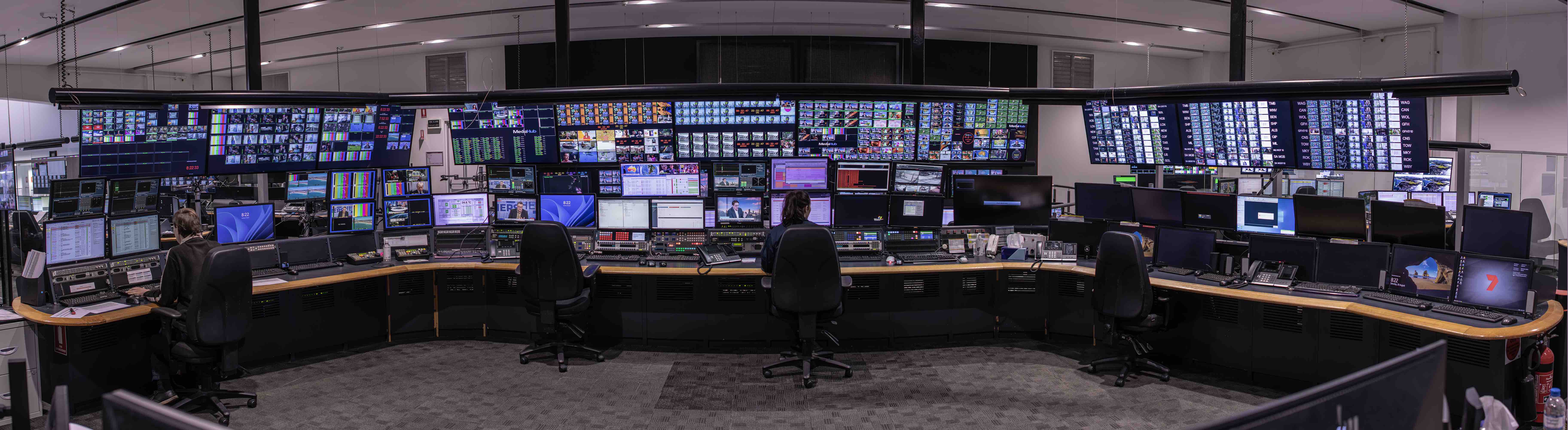
    • NetOnLive presenting LiveOS, a software-defined, IP-based production system that virtualises the TV control room and OB truck by converting dedicated hardware into software modules running on IT servers over a SMPTE ST 2110 network, enabling local, remote and decentralised live production

    • Providius presenting NVRT, demonstrating how it provides critical network visibility for organisations that depend on secure, high-value IP network performance

    • RTS unveiling its latest intercom solutions including NoMAD and RVOC, designed to support scalable, IP-based communications for broadcast and live production teams

    • Synamedia showcasing a set of end‑to‑end video distribution and streaming capabilities, all demonstrated via their demo portal with the focus on flexibility, resilience and cloud‑native delivery models

    • TAG Video Systems showcasing the latest version of its Multiviewer, including QC Station, Operations Panel and Lens designed for comprehensive monitoring in IP-based broadcast infrastructures

    • Techex demonstrating TxDarwin and TxEdge, illustrating how software-defined technologies can modernise and increase the flexibility of Master Control Room (MCR) operations

    • TSL presenting its latest Hummingbird broadcast control system, alongside audio monitoring solutions and control panels designed to improve efficiency and enable centralised control

    Magna Systems will also have a full team of product specialists from across the globe at BroadcastAsia 2026 to help visitors to their stand explore opportunities arising from integrating the very latest broadcast and telco technologies.

  • Harness Report Finds AI Advancing Faster Than Developer Productivity Metrics

    India, May 14 : Harness, the AI Software Delivery Platform™ company, today released The State of Engineering Excellence 2026, a new study showing that AI coding tools have transformed the day-to-day work of software developers faster than the industry’s measurement frameworks can keep up. The result is a growing visibility gap: engineering organizations are reporting record productivity gains while simultaneously acknowledging they no longer have the right instruments to tell whether those gains are real — or what they’re costing.

    The AI Productivity Paradox

    Based on responses from 700 engineering practitioners and managers across the United States, the United Kingdom, India, France, and Germany, the report tells a complicated story. AI adoption is now the default in engineering organizations, and self-reported impact is overwhelmingly positive — but the cost is accumulating in places organizations aren’t watching.

    • Leaders are reporting big gains from AI. 89% of engineering leaders say developer productivity has improved since adopting AI coding tools, and 88% say developer satisfaction has improved.
    • Yet developers are spending more of their day on manual work. 81% say developers spend more time in code review since adopting AI coding tools, with 28% reporting a significant increase of more than 30%.
    • And nearly a third of that work isn’t tracked anywhere. Organizations estimate approximately 31% of developer time is now consumed by invisible work like reviewing AI-generated code, fixing bugs, and context switching between tools.

    “AI coding is the first technology shift in modern software that has changed not just what developers build, but how they spend their hours,” said Trevor Stuart, SVP and General Manager at Harness. “Cloud and the internet were infrastructure revolutions layered underneath the developer. AI is reshaping the developer’s job entirely, and the measurement frameworks that the industry has relied on for the past decade weren’t built for this new unit of work.”

    Metrics That Don’t Match the Work

    The clearest sign that legacy frameworks aren’t keeping pace is the contradiction in the data:

    • Leaders trust metrics that miss the basics. 89% say their current metrics accurately reflect AI’s impact, yet 94% say key factors, including tech debt, validation time, and developer burnout, are missing from those same metrics. And only 6% believe the frameworks they have today can fix it.
    • The biggest AI challenge is measurement itself. When asked to name the single biggest challenge, the top answers are all visibility problems: measuring true productivity impact (26%), maintaining code quality with AI (24%), and proving ROI to leadership (18%).

    “Engineering leaders are being asked to make multi-year AI investment decisions using dashboards built for a different era of software development,” Stuart added. “At Harness, we’re focused on giving teams visibility into both sides of AI — the code it generates and the cost that comes with it.”

    Developers Don’t Trust How AI Metrics Will Be Used

    Even as productivity dashboards show green, developers are uneasy about how that data will be used. Part of the problem is structural: measurement systems are most often built top-down by leadership, without structured input from the practitioners being measured. When frameworks reflect only the leadership view, they systematically undercount the pressures developers are actually experiencing.

    • The perception gap is wide. Managers are nearly four times more likely than practitioners to report no concerns about how AI productivity data might be used to evaluate them (15% vs. 4%).
    • Fear of surveillance is widespread. 54% fear individual performance evaluations based on AI data. In addition, 46% of respondents cite struggling with pressure to work faster than is sustainable, and the same share report privacy or surveillance concerns.
    • Developers want a say in how they’re measured. 55% want a clear separation between improvement data and performance evaluation, 50% want transparency about what’s being measured, and 49% want to be involved in defining the metrics themselves.

    What Engineering Leaders Should Measure Now

    The frameworks engineering organizations rely on  velocity, DORA, cycle time, developer experience surveys  still work. They just weren’t designed for what AI has changed about the work itself.

    To capture AI’s benefits without missing its costs, Harness recommends that engineering organizations:

    • Start measuring the new unit of work. Add code quality, validation time, cognitive load, and burnout indicators alongside the frameworks built around velocity and cycle time.
    • Treat AI performance as its own discipline. Track AI agent accuracy, acceptance, and cost separately from human developer output, with a shared definition of “good” across the organization.
    • Separate improvement data from performance evaluation. Build the measurement system with developers. Be explicit about how the data will be used, and involve developers in defining the metrics.
  • Epson to showcase latest projector innovations at ENTECH 2026 Australian Roadshows


    SYDNEY, May 14 – Epson will be among the key exhibitors at this year’s ENTECH 2026 Australian Roadshows, presenting its latest high-brightness and creative display solutions for the professional AV industry across five major cities from 19 May to 2 June 2026.

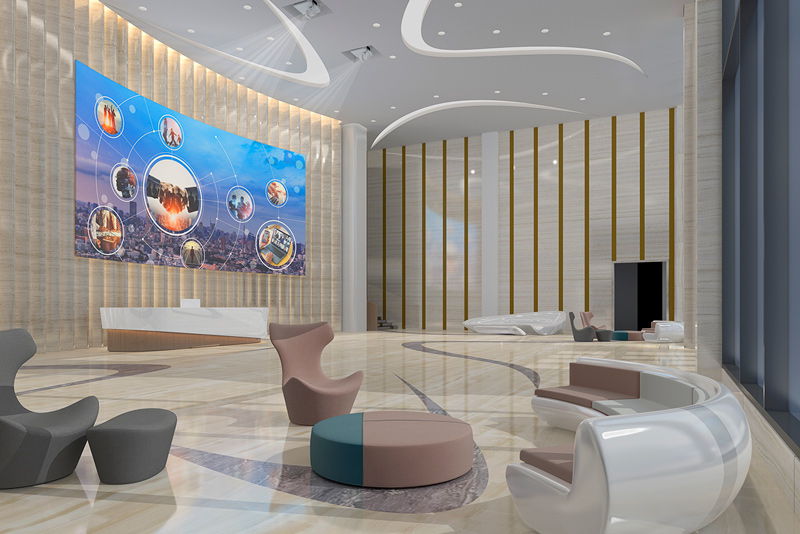
    Epson to showcase latest projector innovations at ENTECH 2026 Australian Roadshows

     PQ2220B 4K 20,000‑lumen projector

    Now in its 33rd year, ENTECH is recognised as one of the world’s most respected touring trade events for the professional audio-visual community.


    The one-day format in each city attracts consultants, system integrators, AV designers, engineers, operators and venue decision-makers looking for hands-on experience with the newest technologies in projection, lighting, audio and integrated visual communications.

    Epson will present a range of projection solutions designed for demanding installation, live event and commercial AV environments, demonstrating the performance and versatility of its 3LCD laser technology.

    Epson to showcase latest projector innovations at ENTECH 2026 Australian Roadshows

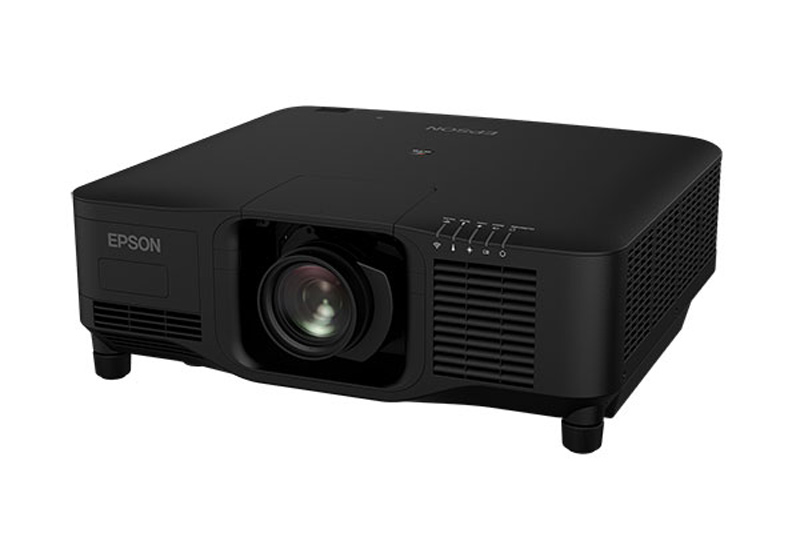
     EB‑PQ2220B 4K 20,000‑lumen projector

    The lineup will include the EB‑PQ2220B 4K 20,000‑lumen projector with an LX02S lens and 120” screen. Setting a new benchmark for image precision and brightness, the EB‑PQ2220B will be a key attraction for rental and staging specialists and integration professionals who demand uncompromising image quality.

    With 4K Crystal Motion technology, a powerful 20,000‑lumen laser light source and interchangeable lenses, it delivers exceptional clarity and colour accuracy over large surfaces.

    On display with the LX02S ultra-short throw lens, the projector will demonstrate how high-impact projection can be achieved within limited installation distances making it ideal for event spaces, immersive attractions and corporate venues.

    EB‑L690SE short‑throw projector

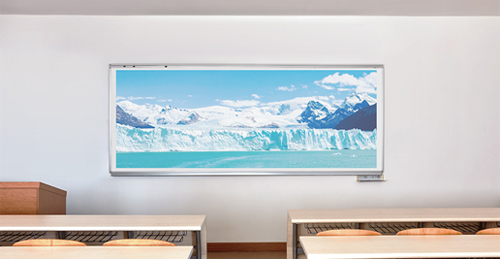
    Also on the Epson stand will be two compact yet powerful 6,000-lumen EB‑L690SE projectors set up in a vertically stacked formation for a total light output of 12,000 lumens. The brightness and positioning versatility of this model makes it ideal for meeting spaces, retail environments, education and museum displays where space is at a premium.

    Epson to showcase latest projector innovations at ENTECH 2026 Australian Roadshows

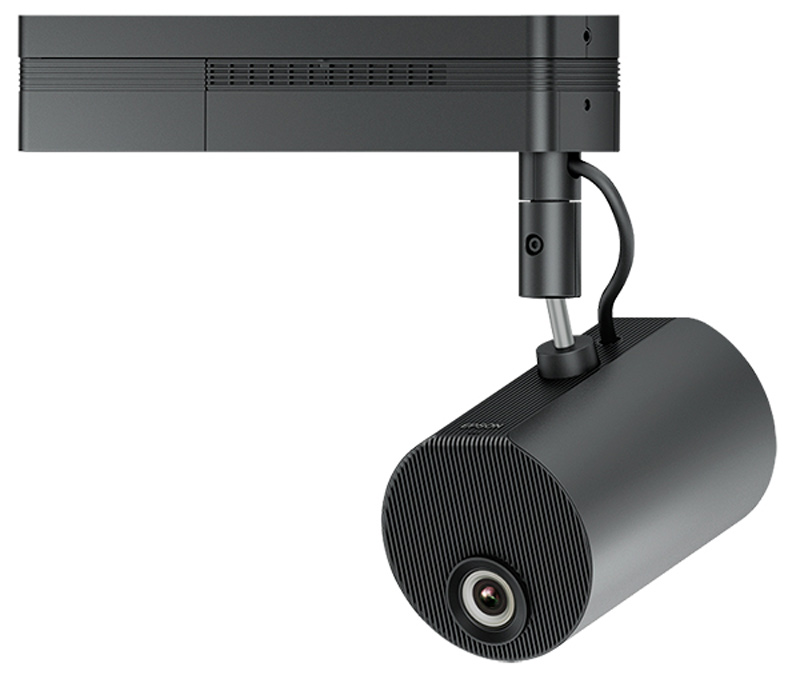
    LightScene EV‑110

    The model’s short‑throw capability enables large, vivid presentations from short distances without shadowing, showcasing Epson’s continued focus on installation flexibility and cost-effective performance.

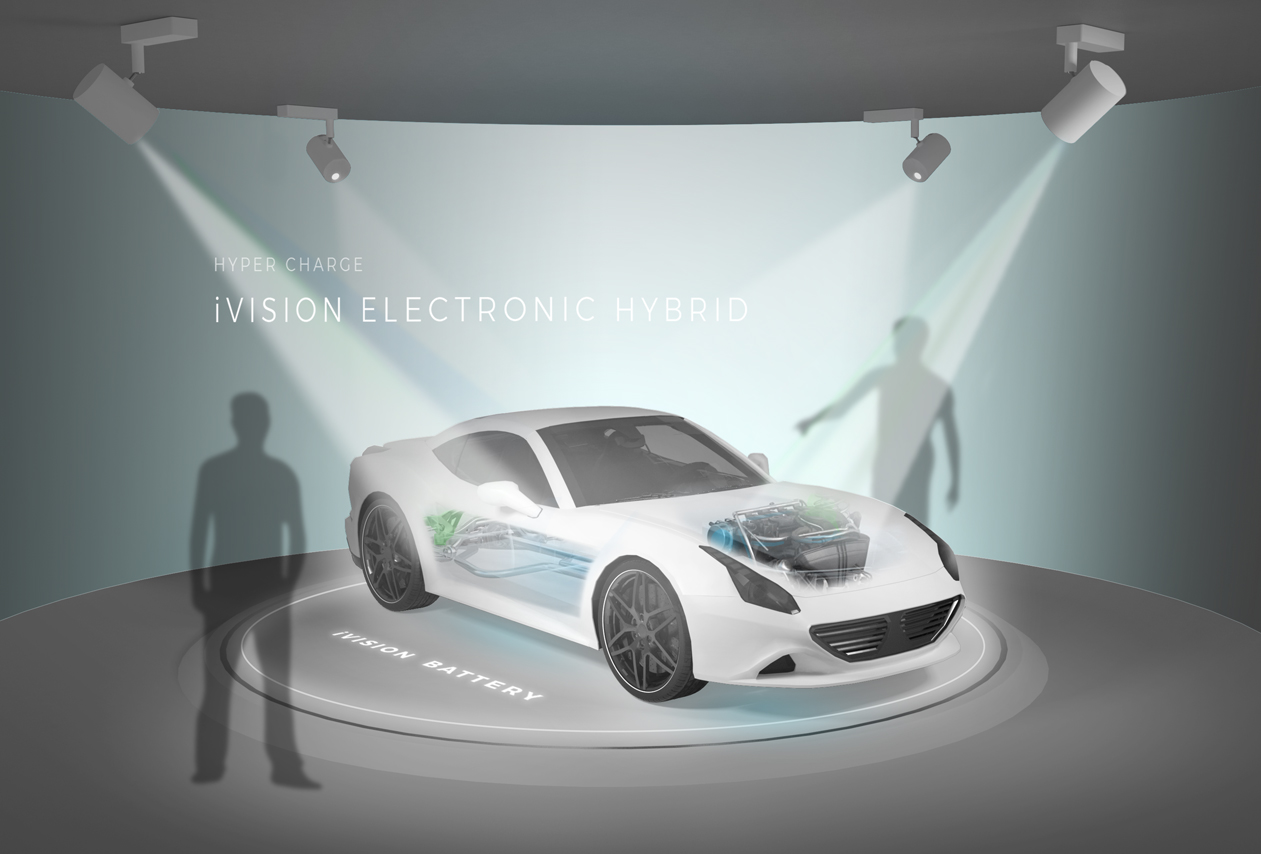
    Adding an artistic twist to the Epson stand at ENTECH will be the LightScene EV‑110 which can show how light‑based storytelling transforms physical spaces.

    Blending digital content with real-world environments, the EV‑110 combines sleek design and discreet form, making it ideal for retail environments, hospitality, gallery installations and architectural spaces seeking to elevate ambience and engagement.

    Epson to showcase latest projector innovations at ENTECH 2026 Australian Roadshows

    LightScene EV‑110

    Senior product manager – VI at Epson Australia Paige van Saarloos said, “ENTECH is where the professional AV community meets technology in action. It’s the perfect environment for showcasing how our projectors help professionals bring creative and operational visions to life, from large‑scale projection mapping to high‑impact retail installations and dependable venue integration.”


    Epson to showcase latest projector innovations at ENTECH 2026 Australian Roadshows

     Visitors to Epson’s stand will be able to interact with the latest generation of 3LCD laser projection, explore lens flexibility and control options and discuss real‑world applications with Epson’s technical specialists across every event.

    ENTECH 2026 Roadshow dates and locations
    Sydney

    Tuesday 19 May 2026

    11am – 6pm

    Hordern Pavilion

    Brisbane

    Thursday 21 May 2026

    11am – 6pm

    Brisbane Showgrounds

    Melbourne

    Tuesday 26 May 2026

    11am – 6pm

    Melbourne Showgrounds

    Adelaide

    Thursday 28 May 2026

    11am – 6pm

    Adelaide Showground

    Perth

    Tuesday 2 June 2026

    11am – 6pm

    HPC Stadium

    Registration for the 2026 Australian and New Zealand ENTECH Roadshows is free and open now.

  • UAE hits new heights in wellness real estate

    Keturah founder says government vision and national mandates have made human wellbeing a development priority 

    Keturah Resort in Dubai

    Dubai, UAE, May 14: Dubai luxury developer Keturah has welcomed a new global report showing the UAE as one of the world’s fastest-growing wellness real estate markets, saying the findings reflect a fundamental shift in how the industry must think and build.

     The study, released earlier this week by the Global Wellness Institute (GWI), reveal that wellness real estate now represents over 12% of all construction in the UAE, where the market grew from $3.3 billion to $14.6 billion between 2017 and 2025.

     With the global market projected to more than double from $876 billion in 2025 to $1.8 trillion by 2030, the report says over 555,000 wellness-focused residential units now in the pipeline across the UAE and Saudi Arabia alone.

    Talal M. Al Gaddah - CEO & Founder of the Keturah luxury brand

     Talal M. Al Gaddah, CEO and Founder of the Keturah luxury brand, said today: “The UAE‘s growth in this sector is the direct result of government vision and national mandates that have made human wellbeing a development priority, and policy will continue to shape the market.”

     He says the GWI, the leading research organization for the global wellness industry, is fully justified in defining wellness real estate as a response to, and a correction of, past “unwell” development.

     “For too long the industry built environments that looked impressive, but took little account of the health and quality of life of the people living in them,” said Talal. “Those days are over. It is no longer just about energy ratings or green certifications. The social, physical, mental and community dimensions of how people actually live create a far more meaningful standard today.”

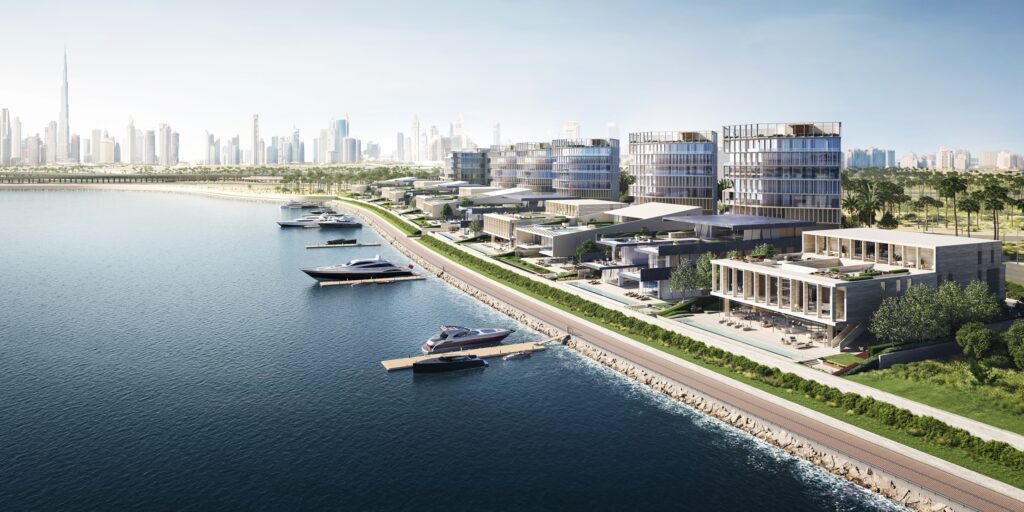
     Two Keturah projects under development in Dubai are built around these principles. The Ritz-Carlton Residences at Keturah Resort is the Middle East’s first fully wellness-certified resort. Located on the shores of Dubai Creek, adjacent to the Ras Al Khor Wildlife Sanctuary, it comprises 12 water front mansions, 193 apartments, a five-star boutique hotel, standalone wellness centre and private marina.

     Meanwhile, Keturah Reserve, the AED5.7 billion bio-living community at Mohammed Bin Rashid City’s District 7, is a 540-home development of low-rise apartments, townhouses and villas designed around nature, natural light and the science of daily wellbeing.

     The GWI report highlights nature, culture and heritage as important assets in wellness real estate. “In fact, they are what give a development its soul,” says Talal. “A community rooted in its landscape and its identity is one that residents feel proud to live in. Without that, you simply have a building.”

     “Another key takeaway is that wellness real estate must serve all members of a community, not just its buyers, and this is something built into our culture at Keturah. Wellness real estate has to work for everyone, and that responsibility starts at home. Developers who genuinely care about the wellbeing of their own employees set a standard that runs through everything they build.”

     Based on a review of over 300 independent studies, the GWI says wellness-focused residential properties at the middle and upper ends of the market command a price premium of 10-25%. “Wellness real estate sells at stronger prices, attracts buyers who are in it for the long term, and holds its value,” says Talal. “The market is rewarding developers who made this commitment early.”

     Looking ahead, he sees demographic change as the industry’s next great opportunity. “Older residents, younger buyers, and changing family needs each bring new possibilities. The developers who pay attention to those shifts now will be the ones setting the pace in years to come.” The new GWI research was presented at the Global Wellness Summit’s Wellness Real Estate & Communities Symposium in New York City on Tuesday.

  • Feil Organization Partners with Layer to Bring Digital Artworks to Historic Buildings in Union Square and Gramercy Park

    NEW YORK, May 14, 2026 – The Feil Organization, a leading national real estate investment firm, has partnered with Layer, the art and technology company shaping the future of digital art, to bring the work of top digital artists to its historic Manhattan buildings at 853 Broadway in Union Square and 257 Park Avenue South in Gramercy Park.

    Layer presents digital art as it’s meant to be experienced: dynamic, evolving, and deeply connected to the spaces it inhabits. Layer and its proprietary display model, Layer Canvas, feature works from a highly curated selection of digital artists, including Zach Lieberman, Casey Reas, and Leander Herzog, displayed on Layer Canvas, the company’s museum-grade digital art display system designed to present generative artworks with exceptional fidelity and depth.

    Feil Organization Partners with Layer to Bring Digital Artworks to Historic Buildings in Union Square and Gramercy Park


    Each piece on Layer is rendered in real time on Layer Canvas, evolving continuously and creating a living, responsive visual experience.

    Founded by entrepreneur Angelo Sotiracopoulos, Layer collaborates with world-class digital artists to present generative artworks that transform the spaces they inhabit. The company’s proprietary Art Intelligence™ engine dynamically curates artworks based on time of day and environmental conditions, creating a constantly shifting art experience.

    853 Broadway is a commercial loft building with a mix of retail, corporate and creative offices and commanding views of Union Square Park. 257 Park Avenue South is an Art Deco treasure in Manhattan’s Gramercy Park neighborhood with magnificent views of Midtown-South.

    Sotira said:

    “The Feil Organization’s Union Square and Gramercy Buildings capture New York City’s unique and constantly evolving mix of commercial and cultural life. We’re thrilled to introduce some of the world’s most acclaimed digital artists to these vibrant spaces in a format where their work can live and breathe in harmony with people’s daily lives.”

    Andrew Wiener, Head of Commercial Leasing at The Feil Organization, said:

    “We’re always looking for innovative ways to create engaging environments within our office buildings. Layer will enhance how our tenants experience 853 Broadway and 257 Park Avenue South by integrating museum-worthy digital art with classic New York architecture.”


  • Nature and Waterfront Living Fuel Investments in Mumbai’s Peripheral Realty Markets

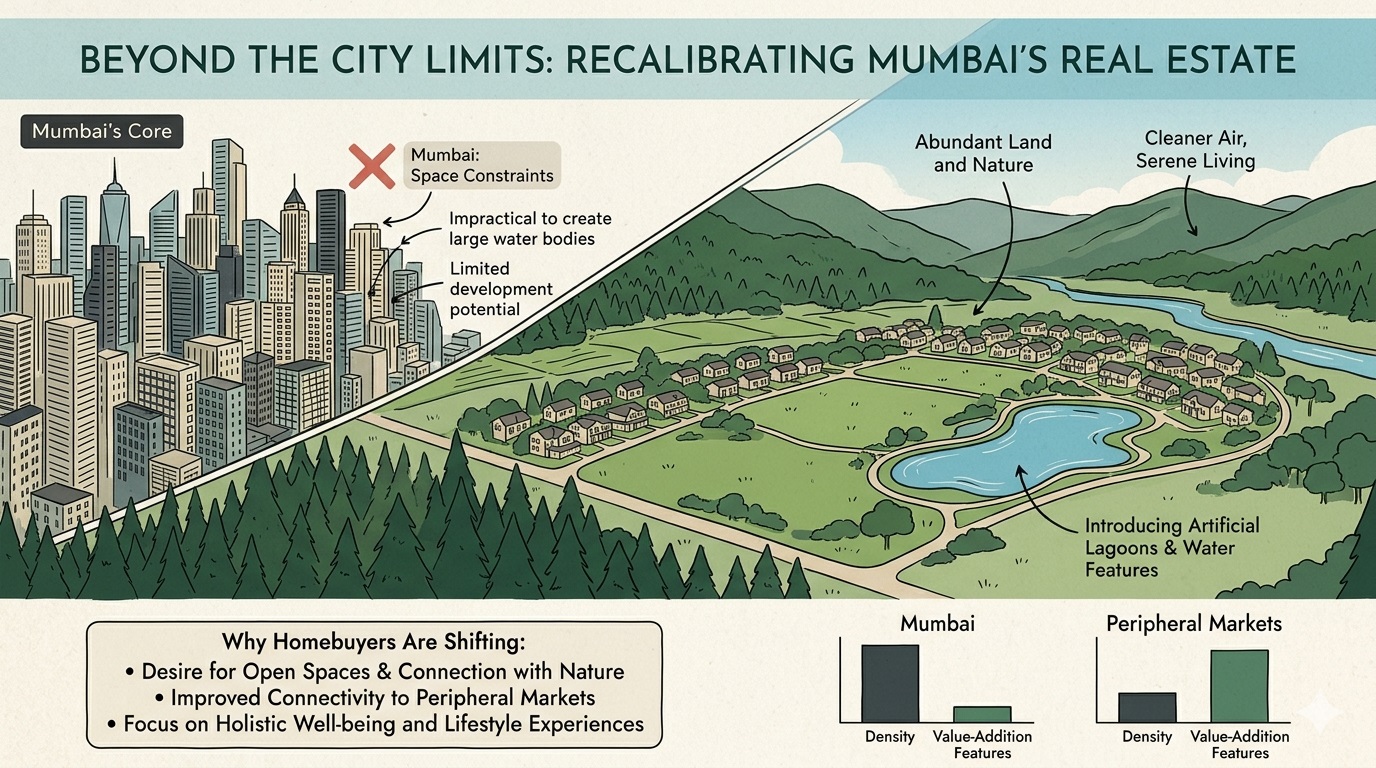
    Mumbai, India’s financial capital continues to grapple with an increasingly pressing reality  space is no longer a luxury; it is a constraint. With dense urban development, limited land parcels, and ever-growing population pressures, the city is nearing saturation. In such a scenario, the idea of developing large-scale artificial water bodies within Mumbai’s core is not just challenging, but almost impractical.

    Nature and Waterfront Living Fuel Investments in Mumbai’s Peripheral Realty Markets

     As the Maximum City stretches to accommodate its expanding population, homebuyers are recalibrating their preferences. The focus is gradually shifting from compact, high-density living to open spaces, cleaner air, and a closer connection with nature. This shift has placed peripheral locations such as Karjat, Neral, Panvel, Khopoli, Lonavala and Alibaug firmly on the radar of both developers and investors.

    These regions, once considered secondary or weekend destinations, are now emerging as preferred residential and investment hubs. The reasons are clear; improved connectivity, abundant land availability, relatively lower density, better air quality, and the presence of natural elements such as hills, rivers, and greenery. Unlike Mumbai, these locations offer developers the freedom to conceptualize expansive projects that blend lifestyle with nature.

    Interestingly, while nature itself is a major draw, developers in these regions are going a step further by introducing artificial water bodies such as man-made lakes, lagoons and water features within or around their projects. These additions are designed to enhance the overall aesthetic appeal and create a resort-like living experience for residents. In many cases, such features are positioned as premium value additions, complementing the already existing natural surroundings.

    This trend highlights a shift in buyer psychology. Today’s homebuyers are not just investing in square footage; they are investing in experiences. The presence of water bodies, even artificial ones evokes a sense of tranquility, exclusivity, and well-being, making projects more attractive in a competitive market.

    Ms. Unnati Varma, Director, ORA Land (by ORA Group) shares,

    “Mumbai has reached a point where creating large-scale lifestyle features like artificial water bodies is extremely difficult due to space constraints. However, peripheral markets such as Karjat and Neral offer a unique advantage they already have the natural ecosystem that buyers are seeking. Developers are simply enhancing this appeal with thoughtfully designed water features, making these projects more experiential and aligned with evolving buyer aspirations. Large water bodies and lagoons also contribute towards creating a cooler microclimate, enhancing scenic appeal, promoting wellness-driven living and offering residents a resort-like experience amidst nature. At ORA Group, we are already taking this a step further by developing a man-made lagoon within our project in Karjat, offering residents a unique waterfront living experience surrounded by greenery and open spaces.”

    Echoing a similar sentiment, Mr. Ram Naik, Co-founder & CEO, The Guardians Real Estate Advisory adds,

    “We are witnessing a clear shift in demand from congested city living to more open, nature-driven environments. Peripheral locations are benefiting immensely from this trend, especially as improved infrastructure continues to enhance connectivity and accessibility. For early movers, these markets offer strong appreciation potential and a compelling long-term investment upside as social and physical infrastructure matures. Additionally, we are seeing growing interest from branded developers entering these regions, which is further strengthening buyer confidence and driving sustained demand from both end-users and investors.”

    As infrastructure connectivity improves and hybrid work models continue to gain traction, the appeal of these peripheral micro-markets is expected to grow further. What Mumbai cannot accommodate due to its spatial limitations, its surrounding regions are readily offering i.e. space, serenity, and a more balanced way of life.

    In the evolving narrative of Mumbai’s real estate, artificial water bodies may not find room within the city, but they are certainly making waves just beyond its boundaries.

  • India Hosts Key BRICS Foreign Ministers’ Meet in New Delhi Under 2026 Chairship


    New Delhi, May 14 (BNP): India on Thursday formally commenced the first major ministerial engagement under its BRICS 2026 Chairship as foreign ministers and senior diplomats from member and partner nations gathered at Bharat Mandapam in New Delhi for the BRICS Foreign Ministers’ Meeting.

    India Hosts Key BRICS Foreign Ministers’ Meet in New Delhi Under 2026 Chairship

    External Affairs Minister S. Jaishankar personally received the visiting delegates and welcomed them to the high-level summit venue ahead of the two-day deliberations.

    Among the prominent leaders attending the meeting are Russian Foreign Minister Sergey Lavrov, Iranian Foreign Minister Abbas Araghchi, Indonesian Foreign Minister Sugiono and senior representatives from several BRICS member and partner countries.

    Following their arrival, the dignitaries participated in an official group photograph with EAM Jaishankar before the commencement of formal discussions.

    The External Affairs Minister is scheduled to chair the BRICS Foreign Ministers’ Meeting, where participating nations are expected to deliberate on a wide range of regional and global issues, including multilateral cooperation, geopolitical developments, economic partnerships and reforms in international governance institutions.

    According to the Ministry of External Affairs (MEA), the ministers and heads of delegations will also call on Prime Minister Narendra Modi during their visit to New Delhi.

    The meeting assumes significance as it marks the first major diplomatic engagement under India’s BRICS Chairship following the expansion of the grouping. Discussions held during the summit are expected to help shape the agenda for the upcoming BRICS Leaders’ Summit later this year.

    Addressing a weekly media briefing earlier, the MEA said the deliberations over May 14 and 15 would focus on strengthening cooperation among Global South nations, enhancing resilience in emerging economies and promoting a more inclusive international order amid rapidly evolving geopolitical challenges.

    India recently unveiled the official logo and dedicated website for its BRICS 2026 Chairship under the theme “Building for Resilience, Innovation, Cooperation and Sustainability,” reflecting New Delhi’s people-centric and “Humanity First” approach championed by Prime Minister Modi during the 2025 BRICS Summit in Rio de Janeiro.

    This is the fourth time India is hosting a BRICS summit-level engagement, underlining the country’s growing influence within the bloc and its expanding leadership role among developing nations.