Author: admin

  • India’s Economy Poised for Strong Growth Above 7pc in FY27

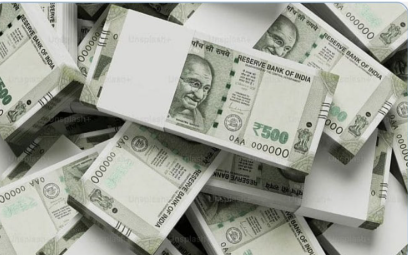
    India’s economy is on track to sustain robust growth in the coming financial year, with GDP expected to remain above 7% in FY27, according to the Associated Chambers of Commerce and Industry of India (Assocham). This strong performance is being fueled by resilient domestic consumption and continued investment across sectors.

    India’s Economy Poised for Strong Growth Above 7pc in FY27

    Pic Credit: Pexel

    As per Assocham, India’s GDP is projected to expand by approximately 7.6% in FY26, maintaining the country’s position as one of the fastest-growing major economies in the world. “India’s growth trajectory remains healthy, with domestic demand and investment continuing to drive economic activity,” said Nirmal K Minda, president of the industry body.

    Despite global uncertainties and geopolitical tensions, India’s economy is demonstrating remarkable resilience. Analysts point to strong consumption trends, rising infrastructure investment, and steady industrial output as key factors supporting sustained growth.

    This optimistic outlook underscores India’s potential to not only weather global economic challenges but also to attract more business, investment, and innovation domestically. With continued policy support and a large, dynamic consumer base, the country is poised for sustained economic expansion in the years ahead.

  • IIIT-H’s Social Tech Incubator & EPAM Launch 4th ESIIP Cohort for Deep-Tech Climate Impact

    Hyderabad, Mar 27: AIC-IIITH Foundation, the social tech incubator of IIIT Hyderabad, in partnership with EPAM Systems, has selected 6 high-impact GreenTech startups for its 4th cohort for the Akash EPAM Social Impact Innovation Program (ESIIP). Following a rigorous selection process, 11 applicants out of 130+ national applicants pitched to a distinguished jury, with 6 ventures selected for their potential to advance India’s UN SDG commitments focused on Climate Action (SDG 13).

    By bridging the gap between academic research and market-ready innovation, the program empowers startups to solve critical environmental challenges in sectors like Green Energy, Circularity and Climate Action. It offers a comprehensive growth platform, including a ₹5 lakh grant, access to IIITH labs, faculty and the Smart City Lab Test Bed for validation, along with mentorship and business coaching from EPAM experts and industry veterans to refine models for large-scale social impact.

    The 4th edition of ESIIP comes at a critical juncture where the demand for sustainable, tech-driven solutions has never been higher,” said Ramesh Loganathan, Director of AIC-IIITH. “This program provides a timely platform for startups to refine their research and scale innovations that directly address India’s climate and environmental priorities,” added Prof. Loganathan.

    The startups selected for this cohort represent the cutting edge of “Tech-for-Good,” moving beyond basic service models to offer deep-tech solutions with massive environmental potential. With innovations such as wall-climbing autonomous rovers, leveraging of Digital Twins, IoT, and Data, carbon capture and cement-free construction materials, these startups provide scalable climate solutions.

    The selection process featured a diverse jury of 14 experts from IIITH, Google, EPAM Systems Inc., Corteva, Carrier, Sonoco India, United Way Hyderabad, Caspian, MuddleArt and Edventure Park. This multidisciplinary panel ensured that startups were evaluated not just for financial viability, but for technical rigor and their ability to solve complex sustainability problems.

    “At EPAM, our commitment to social impact innovation is grounded in the belief that meaningful change comes from collaboration, responsibility and sustained action. We work closely with startups, communities and ecosystem partners to nurture ideas that address real-world challenges: whether it is climate-focused programs, startup ecosystem support or digital skills and literacy. Our focus is on enabling such kind of initiatives so they deliver tangible, long-term value where it matters most.” – Srinivas Reddy, SVP (Senior Vice President) and Head of EPAM India.


  • Jan Dhan Accounts Turn Active as Deposits Cross INR 3 Lakh Crore

    India’s flagship financial inclusion initiative, the Pradhan Mantri Jan Dhan Yojana (PMJDY), is showing remarkable progress as average account balances reach a record ₹5,233. Total deposits across the scheme have now crossed ₹3 lakh crore, reflecting a growing trust in the banking system.

    Jan Dhan Accounts Turn Active as Deposits Cross INR 3 Lakh Crore

    Pic Credit: https://x.com/PMOIndia

    As of March 11, 2026, aggregate balances stood at approximately ₹3.03 lakh crore, spread across nearly 578.6 million beneficiaries. The steady increase signals a shift from dormant, zero-balance accounts to actively used financial instruments for savings, direct benefit transfers (DBT), and daily transactions.

    Analysts note that the trend highlights greater financial literacy and the increasing adoption of formal banking channels among rural and low-income populations. With PMJDY accounts now playing a crucial role in government benefit disbursements and routine financial activities, the program continues to strengthen India’s foundation for inclusive economic growth.

    This milestone not only underscores the success of PMJDY but also points to a broader transformation in India’s banking ecosystem, where digital and formal financial access is becoming an everyday reality for millions.

  • India’s Aviation Push Attracts Airbus and Embraer to Expand Local Manufacturing

    India’s aviation sector is gaining fresh momentum as global aircraft makers deepen their engagement with the country’s growing market.

    Leading aerospace companies Airbus and Embraer are expanding their “Make in India” plans, encouraged by rising demand for regional air travel. This demand is being driven in part by the UDAN Scheme, which has improved connectivity across smaller cities and towns.

    India’s Aviation Push Attracts Airbus and Embraer to Expand Local Manufacturing

    Pic Credit: https://x.com/PMOIndia

    The increase in regional routes has created a strong need for smaller, fuel-efficient aircraft, prompting manufacturers to look beyond sales and toward long-term investments in India. Both companies are exploring deeper partnerships with local suppliers, with potential plans for assembly lines and expanded manufacturing operations.

    These developments reflect a broader shift in India’s aviation landscape—from being primarily a buyer of aircraft to becoming a key player in the global aerospace supply chain. With supportive policies, a growing domestic market, and a skilled workforce, India is positioning itself as an emerging hub for aviation manufacturing.

    As investments gather pace, the country’s aviation ambitions are steadily moving from runway to reality.

  • India’s Coffee and Tea Exports Gain Momentum Amid Global Shift to Premium Products

    India’s Coffee and Tea Exports Gain Momentum Amid Global Shift to Premium Products

    Pic Credit: Pexel

    India’s coffee and tea exports are on a strong growth path, reflecting changing global tastes and the country’s expanding footprint in value-added segments.

    Latest figures from the Ministry of Commerce and Industry show that coffee exports rose sharply by 20% to $1.86 billion during April–February FY26, compared to $1.54 billion a year earlier. Tea exports also posted steady gains, growing 11% to $934.9 million over the same period.

    This surge is being driven not just by higher volumes, but by a noticeable shift toward processed and premium offerings such as instant coffee and packaged teas. These products are increasingly preferred in international markets for their convenience and consistency, giving Indian exporters an edge.

    According to Kurma Rao M. of the Coffee Board of India, India’s coffee exports have remained above the $1 billion mark for several consecutive years—a sign of resilience in a competitive global market. He noted that this year’s exports have already surpassed last year’s record performance, indicating sustained demand and a positive outlook.

    The growth also reflects broader improvements across the supply chain, including better processing capabilities, branding efforts, and market diversification. As global consumers continue to move toward premium and ready-to-consume beverages, India appears well-positioned to deepen its presence and capture greater value in both coffee and tea segments.

     
  • India’s Solar Boom: From Modest Beginnings to a Renewable Power Surge

    India’s Solar Boom: From Modest Beginnings to a Renewable Power Surge

    Pic Credit: Pexel

    India’s renewable energy journey is gathering remarkable pace, with solar manufacturing and installation witnessing a dramatic transformation over the past decade.

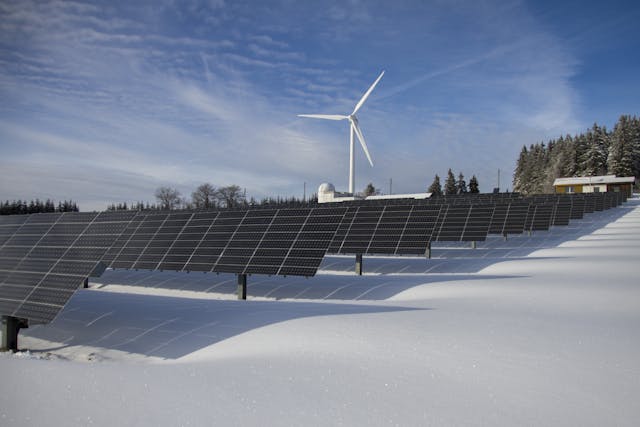
    Speaking in the Lok Sabha, Union Minister for New and Renewable Energy Pralhad Joshi highlighted the scale of this shift. He noted that India’s solar module manufacturing capacity has soared from a modest 3 GW during the UPA years to an impressive 172 GW today.

    The growth story extends beyond modules. Solar cell manufacturing capacity, which was virtually non-existent earlier, has now reached 27 GW. Meanwhile, the country’s overall solar power generation capacity has expanded sharply—from just 2.8 GW to 144 GW—reflecting a broader push toward clean energy adoption.

    Joshi also pointed to structural changes supporting this growth. Under the government’s Production Linked Incentive (PLI) scheme, integrated manufacturing projects covering ingots, wafers, and cells are being rolled out nationwide. According to him, such a comprehensive manufacturing ecosystem was previously missing.

    India’s renewable momentum is not limited to solar alone. The wind energy sector has also grown steadily, with installed capacity increasing from 21 GW in earlier years to 55 GW at present.

    At the grassroots level, the shift is becoming increasingly visible. Under the Pradhan Mantri Surya Ghar Muft Bijli Yojana, nearly 10,000 rooftop solar installations are being completed every day. States like Maharashtra are emerging as strong performers in this nationwide push.

    The minister added that around 40 lakh rooftop solar systems have been installed during the tenure of Prime Minister Narendra Modi—a figure that reflects both policy support and growing public participation.

    Taken together, these developments paint a picture of a country rapidly scaling up its renewable energy capabilities—not just through policy announcements, but through visible, on-the-ground change.

     
  • Western Digital Announces World Backup Day Deals with Up to 65 Percent Off on Portable Storage Solutions

    Mumbai, Mar 27: In celebration of World Backup Day, Western Digital (WD) has rolled out exciting limited-time offers on its popular portable storage range, available across Amazon and Flipkart from March 26 to March 31, 2026.

    Western Digital Announces World Backup Day Deals with Up to 65 Percent Off on Portable Storage Solutions

     Observed annually on March 31, World Backup Day serves as a reminder for individuals to safeguard their digital lives. From personal memories like photos and videos to essential work files, data today forms a crucial part of everyday life—making reliable backup solutions more important than ever.

    As part of this initiative, WD is offering discounts of up to 65% on its widely trusted portable storage devices, including the WD My Passport and WD Elements Portable HDD series.

    The WD My Passport range is designed for users on the move, offering a slim, durable form factor with storage capacities of up to 6TB. It features built-in backup software for scheduled data protection, along with security features to safeguard against ransomware and unauthorized access.

    Meanwhile, the WD Elements Portable HDD delivers fast data transfer speeds with USB 3.2 Gen 1 compatibility and a plug-and-play design for seamless usability. With capacities of up to 6TB, it provides ample space to store and access important files anytime, anywhere.

    With attractive pricing across multiple variants, including special edition designs and high-capacity models, customers can take advantage of these offers during the limited campaign window.

    Western Digital encourages users to adopt simple yet effective backup habits and take proactive steps to secure their digital data.

    Back up today. Stay protected tomorrow.

  • Innovation and Entrepreneurship Power the Startup Landscape in Odisha

    Odisha’s startup landscape has seen remarkable growth, emerging as a promising hub for entrepreneurship in India. Supportive government policies, access to funding, and a culture of innovation have created an environment that encourages startups to flourish across a variety of sectors.

    Innovation and Entrepreneurship Power the Startup Landscape in Odisha

    Driving Forces Behind Odisha’s Startup Growth

    The state’s focus on innovation is a major catalyst. Collaboration between educational institutions, research centers, and industry leaders allows entrepreneurs to access mentorship, resources, and knowledge, turning ideas into viable businesses. Incubators and accelerators further strengthen early-stage startups, fostering a dynamic entrepreneurial ecosystem. Odisha’s strategic location, diverse population, and rich cultural heritage provide additional advantages for those exploring unique business ideas in Odisha. Government initiatives including financial incentives, simplified startup procedures, and infrastructure development help reduce barriers and encourage business growth.

    Government Support for Entrepreneurs

    The Odisha government has implemented several measures to promote entrepreneurship. Startup funding, grants, and subsidies make it easier for new ventures to launch and scale. Innovation hubs and incubation centers provide mentorship and training, connecting entrepreneurs with industry experts to refine strategies and business models. Investments in co-working spaces, tech parks, and innovation infrastructure create an ecosystem that supports collaboration and growth.

    Innovation Hubs and Incubators

    Innovation hubs and incubators play a key role in nurturing entrepreneurial ideas. These centers facilitate networking, workshops, and events that connect startups with investors and mentors. Access to laboratories, co-working spaces, and modern facilities enables entrepreneurs to develop and test solutions effectively. Collaboration between government-supported initiatives and private incubators strengthens Odisha’s position as a center for innovation.

    Key Industries Driving Startups

    Several sectors are fueling Odisha’s startup ecosystem:

    • Technology: Startups in IT, AI, blockchain, and mobile apps benefit from tech parks and educational institutions that provide a strong foundation for innovation.
    • Agriculture: Agritech ventures focus on smart farming, supply chain solutions, and sustainable practices that enhance productivity and livelihoods.
    • Renewable Energy: Solar, wind, and biomass startups are encouraged through government incentives, supporting sustainable energy solutions.

    Challenges for Startups

    Despite its growth, Odisha faces challenges such as limited funding, infrastructure gaps, talent shortages, and competition from established businesses. Startups must continuously innovate while navigating operational and market constraints to succeed.

    Role of Educational Institutions

    Universities and colleges in Odisha play a pivotal role in supporting entrepreneurship. Dedicated incubators, mentorship programs, and industry partnerships provide students with practical experience and guidance. Hackathons, competitions, and research collaborations further nurture creativity and innovation, preparing the next generation of entrepreneurs.

    Future Trends

    The future of Odisha’s startup ecosystem is shaped by emerging technologies like AI, machine learning, and blockchain. Shifts in consumer preferences toward sustainability, ethical consumption, and digital solutions will create new opportunities. Remote work models and scalable online platforms are also likely to influence entrepreneurial growth, positioning Odisha for continued success.

    Conclusion

    Odisha’s startup ecosystem combines government support, innovation hubs, educational initiatives, and a thriving entrepreneurial culture. With strong sectors in technology, agriculture, and renewable energy, the state offers opportunities for startups to grow and succeed. Aspiring entrepreneurs, investors, and mentors are encouraged to engage with this ecosystem to help shape Odisha into a leading hub of innovation and economic growth.

  • PHDCCI Organises One-Day Workshop on “Using AI for Productivity: A Practical Guide”

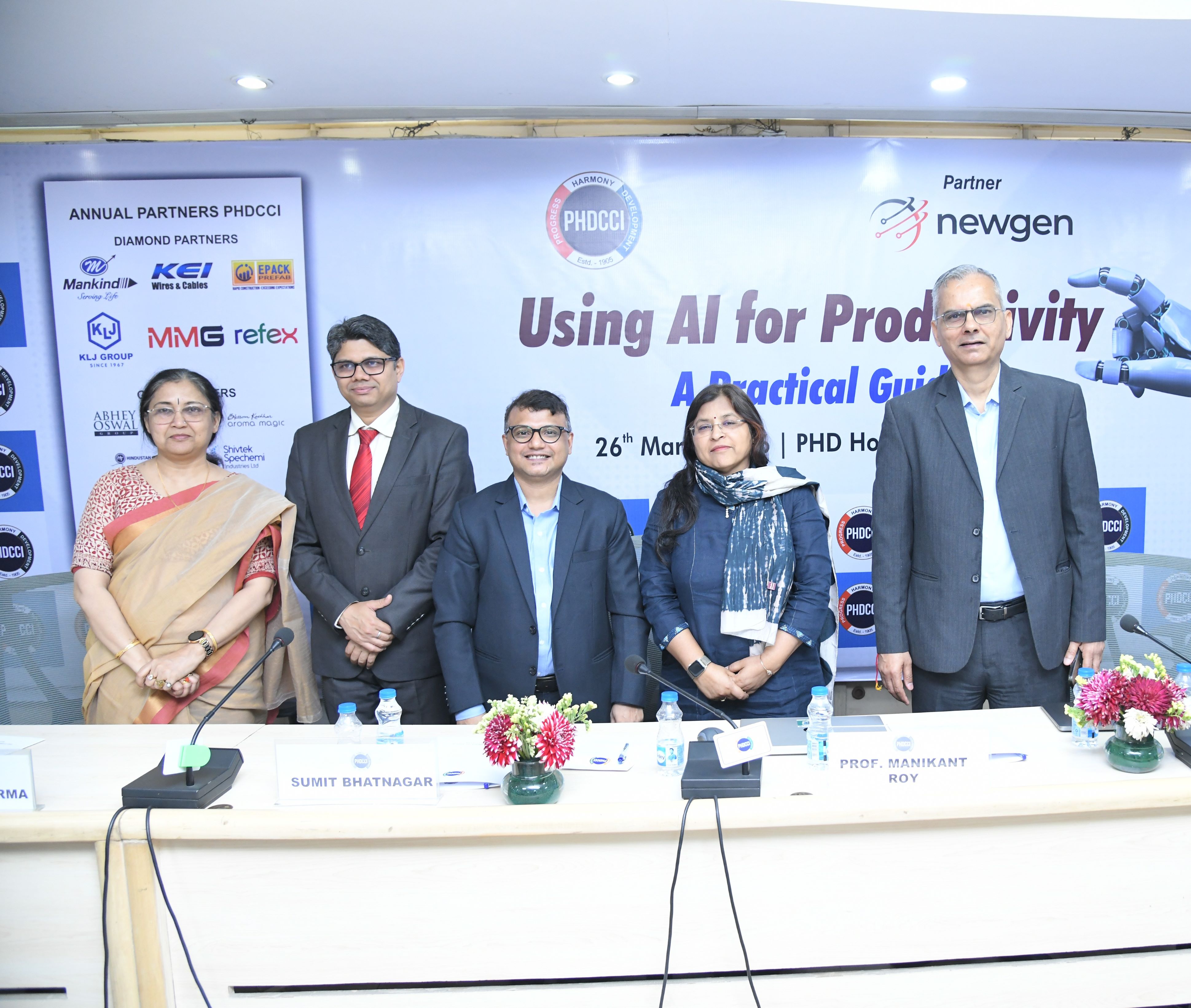
    New Delhi, Mar 27: The Skill Development & Entrepreneurship Committee of PHD Chamber of Commerce and Industry (PHDCCI) organised a one-day training programme on “Using AI for Productivity: A Practical Guide” at PHD House, New Delhi. The workshop aimed to empower students from diverse academic backgrounds including arts, commerce, law, management and humanities with practical knowledge of Artificial Intelligence (AI) tools.

    PHDCCI Organises One-Day Workshop on “Using AI for Productivity: A Practical Guide”

     The workshop was designed to simplify AI concepts and enable participants to integrate AI into their daily academic and professional tasks. It focused on building foundational understanding, enhancing productivity, and encouraging ethical and responsible use of AI.

    The sessions were conducted by distinguished resource persons including Prof. Manikant Roy, Ph.D. Candidate, IIT Delhi and Assistant Professor – Business Analytics, Jaipuria Institute of Management, Noida, Prof. Poonam Goyal, Chair Professor, Computer Science & Information Systems, BITS Pilani, Pilani Campus, and Mr. Sanjay Kumar Suri, Founding Partner & CEO, Future IT Advisory, each leading dedicated segments of the workshop.

    Prof. Manikant Roy, Ph.D. Candidate, IIT Delhi and Assistant Professor – Business Analytics, Jaipuria Institute of Management, Noida, conducted sessions on practical AI tools such as Google Gemini and NotebookLM, highlighting their applications in research, documentation, and workflow automation. He also covered prompt engineering basics and demonstrated how AI can be effectively leveraged to enhance productivity, efficiency, and decision-making.

    Mr. Sanjay Kumar Suri, Founding Partner & CEO, Future IT Advisory, introduced participants to the fundamentals of AI, including its real-world applications and differences between AI, Machine Learning, and Generative AI. He also demonstrated how tools like ChatGPT can be effectively used for tasks such as summarisation, research, and content creation.

    Prof. Poonam Goyal, Chair Professor, Computer Science & Information Systems, BITS Pilani, Pilani Campus, delivered a session on “Computer Vision to Multimodal Understanding: Models, Fusion Strategies, and Applications”, providing insights into evolving AI capabilities and their real-world applications. She introduced participants to how advanced AI models integrate multiple data types and highlighted key strategies and use-cases in this domain.

    Mr. Sumit Bhatnagar, General Manager & Head of Presales (India), Newgen Software, representing the partner organisation, highlighted that many individuals are still unable to fully visualize the practical applications of emerging technologies. He emphasized that AI is increasingly enabling data-driven decision-making by leveraging insights from past data, and encouraged participants to actively adopt and implement the learnings shared by the panelists in their respective domains.

    The workshop also included hands-on activities, enabling participants to apply concepts such as writing effective prompts, verifying AI-generated responses, and building personal productivity workflows using AI tools.

    The programme witnessed participation from around 100 students, including those from leading institutions such as Indian Institute of Technology Delhi (IIT Delhi), Indian Institute of Mass Communication (IIMC), and Institute for Integrated Learning in Management (IILM), reflecting strong interest in AI-driven productivity tools and future-ready skill development.

  • IIJS Bharat Tritiya 2026 Wraps Up Triumphant 4th Edition, Connecting 15,000 Buyers with India’s Top Jewellery Manufacturers

    IIJS Bharat Tritiya 2026 Wraps Up Triumphant 4th Edition, Connecting 15,000 Buyers with India’s Top Jewellery Manufacturers

    Bengaluru, Mar 27:  The 4th edition of IIJS Bharat Tritiya 2026, organized by the Gem & Jewellery Export Promotion Council (GJEPC), concluded on a triumphant note at the Bengaluru International Exhibition Centre (BIEC), solidifying its position as India’s third-largest B2B jewellery exhibition. The show witnessed a massive scale-up, hosting over 1,100 exhibitors and 1,900 stalls, while attracting 15,000 trade buyers from 500 Indian cities and 40 countries. This rapid growth in just four editions highlights the show’s emergence as a premier global sourcing destination and a vital hub for the international gem and jewellery community.

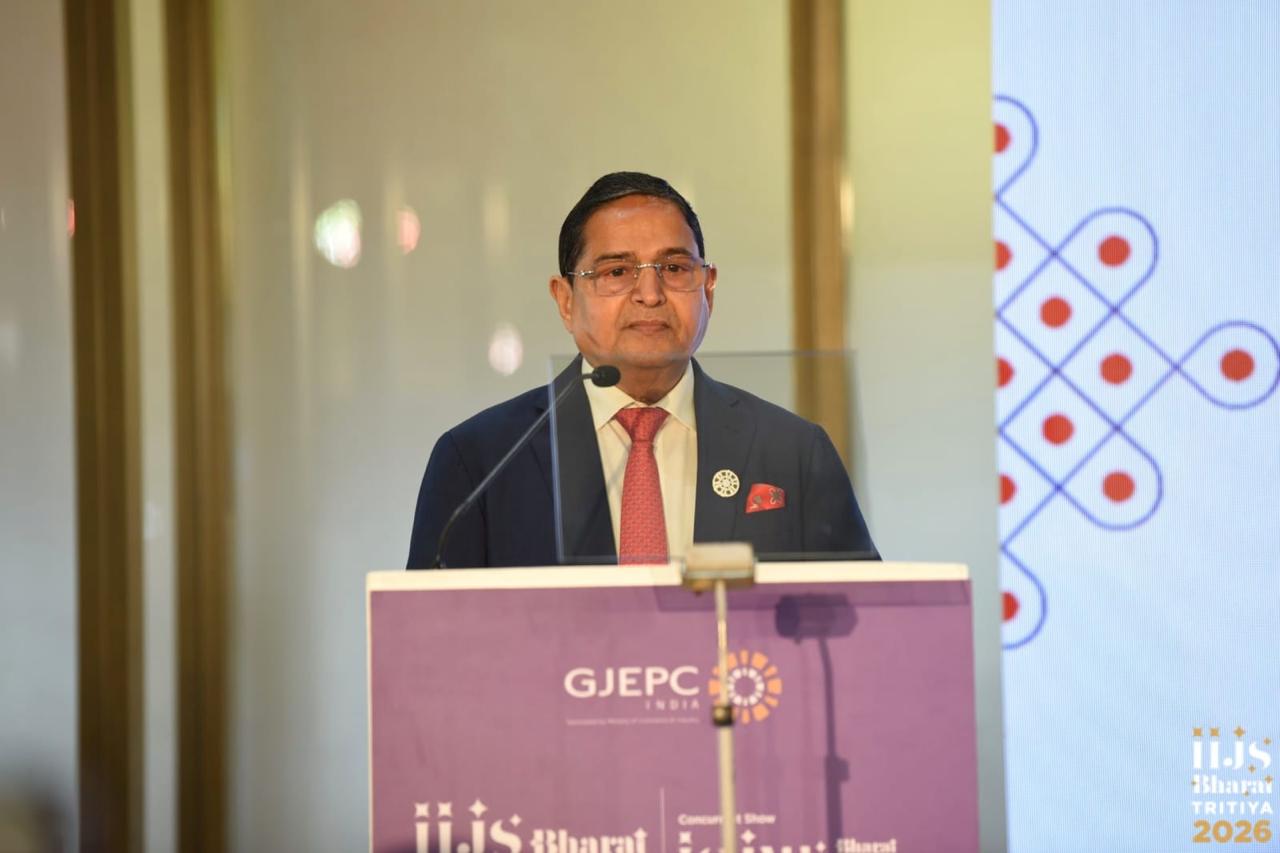
    Shri Kirit Bhansali, Chairman of GJEPC, lauded the success of the event, stating, “The 4th edition of IIJS Bharat Tritiya has exceeded our expectations, proving that despite shifting global dynamics, the Indian gem and jewellery sector remains a beacon of innovation and craftsmanship. By bringing over 15,000 global buyers to Bengaluru, we have created a platform that transcends mere transactions; we are building a sustainable ecosystem for future growth. The energy witnessed here proves that our industry continues to shine stronger by innovating and finding new avenues for trade, leaving the community with renewed confidence for the year ahead.” 

    Shri Shaunak Parikh Vice Chairman, GJEPC said,  “What made this edition of IIJS Bharat Tritiya remarkable is the synergy between India’s rich jewelry heritage and modern innovation. From the Crafts Pavilion to the Innov8 Talks, provided a stage where traditional artistry meets the aspirations of a new-age industry. Our goal is to ensure that every participant, from the MSME to the largest exporter, builds lasting connections and fresh opportunities that will fuel their growth in the year ahead.”

    The exhibition floor at IIJS Bharat Tritiya was marked by high-quality networking and strategic sourcing, as retailers and wholesalers prepared for the upcoming Akshaya Tritiya and wedding seasons. The event highlighted the industry’s agility and strong focus on design-led innovation.

    Amid fluctuating metal prices, manufacturers adapted by shifting towards lower karatage gold—such as 14K and 9K—while also showcasing lightweight gold, diamond-studded collections, and high-end couture, aligning with evolving consumer preferences for value and design.

    This blend of innovation, adaptability, and strong relationship-building created a dynamic atmosphere, with industry leaders expressing optimism for growth in both domestic and international markets.

    At the same time, the appetite for high-end jewellery remained strong. Large, statement diamond sets continued to draw serious buyers, especially pieces featuring fancy shapes and fancy colour diamonds. In contrast, melees and star-size diamonds found relevance in lightweight, prêt-friendly designs that are easier to wear daily. 

    With  advanced manufacturing techniques,  jewellers have reduced the weight of pieces by nearly 20 to 50 percent without compromising on visual impact. The result is jewellery that looks substantial yet feels lighter on the pocket.

    Silver jewellery, too, showed a fresh, fashion-forward direction. Designers experimented with varied finishes — matte, oxidised, brushed and high-polish — often layered with bursts of colour, enamel, or textured surfaces. The category is clearly moving beyond traditional styling into a more trend-driven, global aesthetic.

    Coloured gemstones added another vibrant layer to the fair. Multicolour tourmalines, kunzites, morganites, rubellites, tanzanites, quartz and crystals were widely seen across collections, increasingly being used in fine jewellery rather than remaining limited to fashion lines.

    Exhibitors at the show echoed this sentiment, noting the high quality of business interactions. Prashant Kiran, Director, Laxmi Jewellery Chennai Pvt. Ltd., observed a strong focus among the attendees, saying, “The first day of the show was good, though footfall was moderate, but the buyers who were serious. We had a good mix of visitors from Chennai, Mumbai, and different parts of Tamil Nadu, Karnataka, and Kerala. The advantage this time was that we had enough time to sit with buyers, discuss business aspects minutely, which is equally important. We deal mainly in 22-karat gold jewellery, and at present the volatility in gold prices has made consumers a little cautious. Today’s buyers, especially the younger generation, are well informed and keep track of prices, so they tend to wait and watch before making a purchase.”,

    Similarly, Rahul Mehta, Managing Director, Diarah and Silver Emporium, highlighted, “Shows like IIJS are not just about selling they are about meeting people, building networks, and staying connected with clients. In today’s market, that interaction becomes even more important. When prices of metals fluctuate sharply, confidence in the market does get affected, and buyers become cautious. Still, platforms like this give us the opportunity to meet customers face-to-face, understand their needs, and keep the business moving forward. I believe participation should always feel voluntary and positive, because when exhibitors come with the right mindset, the overall experience of the show becomes much better for everyone.”

    The event culminated in a high-octane celebration of the trade’s resilience with a grand finale featuring the Mega Lucky Draw. The ceremony awarded a spectacular lineup of premium prizes to lucky winners, including a Mercedes-Benz as the grand prize, alongside a Mahindra Thar, Maruti Suzuki Grand Vitara, Swift Dzire, and Hyundai i10, as well as 10 Honda Activa scooters. This final highlight served to celebrate the participation of the global trade community and the shared success achieved during the exhibition.