Category: Business

  • ACC facilitates income upliftment for woman farmers through improved agricultural practices

    Jharkhand, Mar 06: ACC, the cement and building material company of the diversified Adani Portfolio, is driving rural transformation by empowering women farmers with sustainable agricultural solutions. In Chhatatand village of Dhanbad district, ACC supported Smt. Chayna Devi with seeds, training, and access to solar lift irrigation, helping her shift from subsistence to income-generating farming. Through improved cultivation techniques and resource support, Chayna has significantly enhanced her family’s livelihood and emerged as a progressive farming role model in her community.

    With just 10 dismil of land, Chayna cultivated peas using the inputs provided and harvested 400 kg of produce, earning ₹16,000. Encouraged by this success, she diversified her farming further and now earns over ₹1 lakh annually through vegetable cultivation. Her success is a direct result of ACC’s partnership with on-ground agricultural experts to promote modern techniques and capacity building.

    “Before this, our farm was only for our own use. Today, I contribute significantly to my family’s income,” shared Chayna. The initiative demonstrates how ACC’s support helps families break the cycle of subsistence farming and transition towards sustainable, income-generating agriculture.

  • PPDS appoints experienced AV leader Jonas Fjeld as new Country Sales Manager of Norway

    Amsterdam, Mar 6: PPDS, the exclusive global provider of Philips Professional Displays and complementary solutions, is excited to announce the appointment of sought-after AV professional, Jonas Field, to lead its next wave of growth in the Norwegian market. 

    PPDS appoints experienced AV leader Jonas Fjeld as new Country Sales Manager of Norway

     Accepting the role of Country Sales Manager for Philips Professional Displays, Jonas brings more than 10 years of hands on, top tier AV/IT knowledge and experience, and is a highly regarded and commercially driven industry professional. Throughout his career, he has built strong relationships across the channel, including distributors, integrators, consultants, and end customers.

    Based in Oslo, and reporting to Roeland Scholten, PPDS Sales Director for Benelux and Nordics, Jonas will take ownership of the commercial strategy for Philips Professional Displays in Norway. His focus will include expanding distributor partnerships, increasing brand visibility within the channel, supporting partners with targeted go to market initiatives, and driving market share growth across key verticals.

    Total market solutions 

    Jonas joins PPDS as the AV market in Norway continues to flourish, with rising demand for high quality AV solutions in markets such as corporate, education, and entertainment due to a growing need for video conferencing, digital signage, and live event production, including LED.

    PPDS has maintained an upward trajectory in the country – and the Nordics region – in recent years, with sales of Philips digital signage, ePaper, interactive displays, and dvLED surpassing expectations, while Philips hotel TVs continue to be firmly established as a brand of choice for the hospitality industry. Sister brand, AOC, was also recently named as Norway’s market leader for home and office monitors.

    Jonas will work closely with the full AV channel, including distributors, system integrators, AV/IT teams, designers/architects, among others, to identify new market and project opportunities, ensuring PPDS remains a key choice for tenders, big and small, across all market verticals, including retail, corporate, hospitality, transportation, control rooms, public venues, and broadcast. 

    Seizing opportunity

    Discussing his appointment, Jonas commented:

     “PPDS has become a major force in Norway, and I am excited to seize this opportunity to join such a flexible and forward thinking company with a great team. I believe that, with my skillset and understanding of the market, backed by the incredible portfolio of Philips Professional Displays and associated software and solutions, together we can achieve great things.”

    Roeland Scholten added:

    “In a competitive market, we need strong leaders and personalities to move forward and get where we want to be. Jonas has an impeccable background, working at some of the industry’s most established manufacturers and distributors, and has demonstrated from day one that he is the right fit for PPDS, sharing our values and ambitions. I am delighted to welcome Jonas to the team.”

  • CheerioAI Raises Seed Funding Led by Artha Venture Fund II to Advance Enterprise Automation

    Bengaluru, Mar 06: CheerioAI, an AI-powered all-in-one customer engagement platform focused on optimizing the CAC-to-LTV equation, has raised ₹8 crore in a Seed funding round led by Artha Venture Fund II (AVF II). The round also saw participation from Hyderabad Angels, TiE Angels, LetsVenture, VC Mint, Invention Engine, and notable angel investors, including Arjun Vaidya, Anand Shahni (WedMeGood), Vivek Mathur (ex-Elevation Capital), Ajeet Khurana, along with early customers such as Habuild and Nitin Verma (InstaAstro).

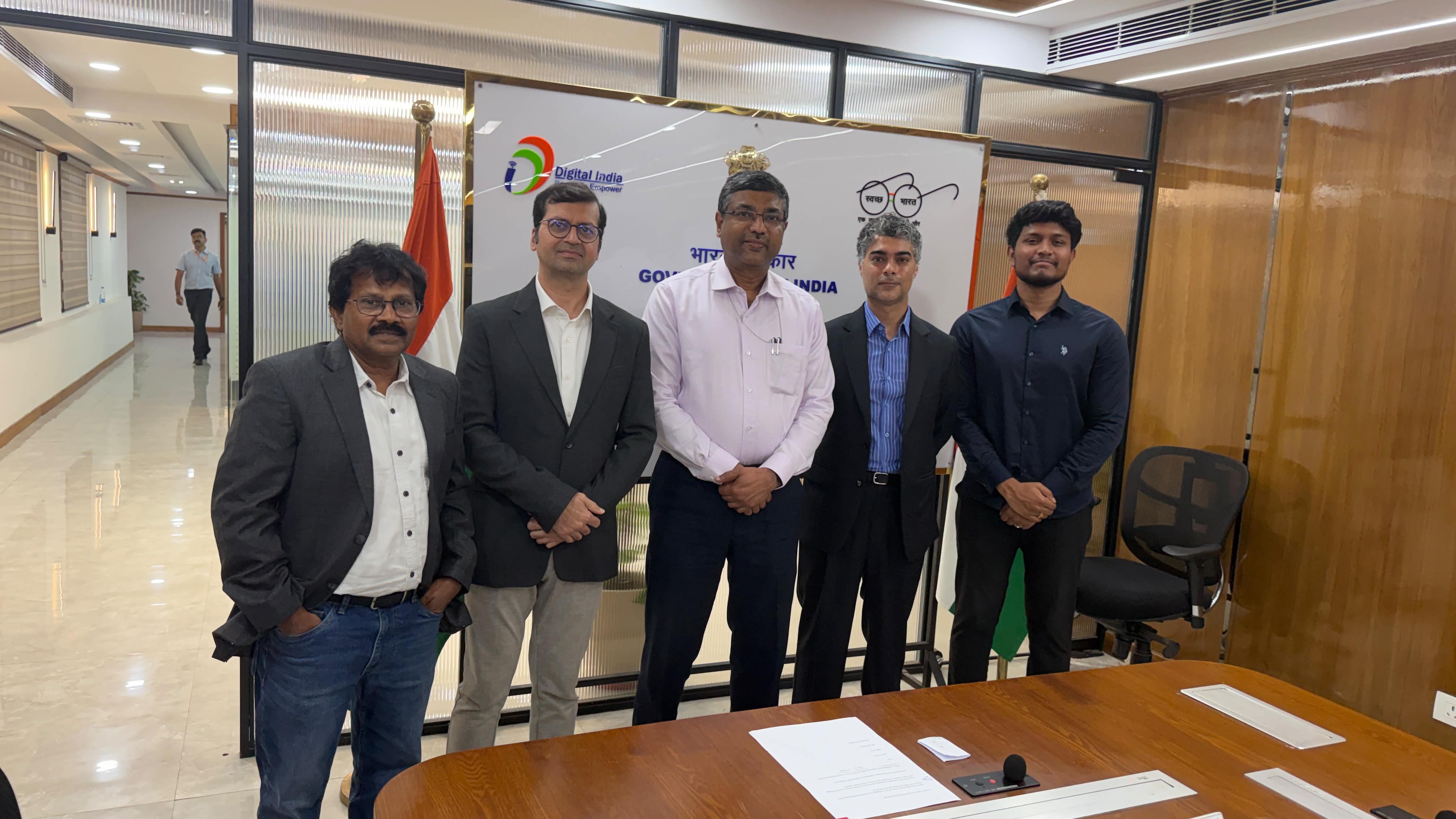
    from left to right Nishant Das co founder,Avinash Upadhyay -co founder,Priam Jain-Cto and co founder

    From left to right: Nishant Das co founder,Avinash Upadhyay -co founder,Priam Jain-Cto and co founder

     The funding will be used to develop multi-modal AI capabilities, including a proprietary small-model LLM for ad generation, expand CheerioAI’s platform from messaging into voice and video, scale AI-driven automation, and strengthen enterprise-grade capabilities to help businesses drive higher engagement, faster growth, and improved ROI while ensuring security and compliance.

    CheerioAI’s revenue has grown 450% year-on-year over the past two years. Over the next six months, the company plans to expand its team across engineering, AI, enterprise sales, and customer success to support scaling and global expansion.

    Speaking on the announcement, Nishant Das, Co-founder of CheerioAI, said:

    “Avinash, Priam, and I are thrilled to partner with Artha and our co-investors. This investment strongly validates our vision and will help us deepen our AI-driven automation capabilities while accelerating expansion into the enterprise segment. At CheerioAI, we envision a future where businesses operate with just three employees — the business founder, the technology founder, and CheerioAI. This funding is a crucial step toward making that vision a reality.”

    CheerioAI addresses a major challenge faced by modern enterprises — fragmented communication across multiple digital channels, which often leads to inconsistent customer experiences, higher churn, and operational inefficiencies. The platform unifies marketing, support, and sales workflows across WhatsApp, email, SMS, social messaging, and in-app communication, enabling businesses to automate customer engagement and improve lifetime value.

    Commenting on the investment, Anirudh A. Damani, Managing Partner at Artha Venture Fund, said:

    “Our decision to invest in CheerioAI is anchored in our strong conviction around the long-term opportunity this team is building. As enterprises operate across an increasingly complex set of digital channels, customer retention and lifetime value optimization have become mission critical. Cheerio’s AI-native approach to orchestrating customer engagement positions it to become a category-defining platform.”

    He further added that the round received strong ecosystem validation, with the opportunity referred by one of Artha’s LPs and additional investments coming from founders within its portfolio.

    Varun Aggarwal, Founder of Change Engine at Invention Engine, said:

    “At Invention Engine, we stand behind exceptional founders taking bold product bets that reshape enterprise workflows. Cheerio’s team demonstrated both ambition and execution, and we believe their AI-led approach to customer engagement will redefine how enterprises drive retention and lifetime value.”

    Currently, CheerioAI works with 150+ enterprise customers across six industries and has generated over ₹500 crore in additional revenue for its clients through intelligent retention automation. With growing demand for scalable AI-driven engagement solutions, the company aims to become the default platform for customer lifecycle orchestration, enabling businesses to transform fragmented interactions into seamless, outcome-driven engagements.

    Looking ahead, CheerioAI plans to expand its AI capabilities across automation, agentic workflows, and performance optimization, while maintaining a modular architecture that can integrate with evolving AI models. The company aims to empower enterprises globally by automating the majority of customer touchpoints, improving retention, and maximizing lifetime value.

  • Genesys Introduces Advanced IDS GeoRadar GPR System for 3D Underground Utility Mapping in India

    Mumbai, Mar 06: Genesys International Corporation Ltd has announced the launch of India’s first advanced Ground Penetrating Radar (GPR) solution from IDS GeoRadar. Powered by patented Equalised Scrambling Technology (EST) and Wide/Multi Array Antenna Technology, the system marks a significant advancement in detecting, mapping, and digitising underground utilities through high-resolution 3D subsurface imaging.

    The advanced GPR system enables precise identification and mapping of buried infrastructure such as water pipelines, sewer networks, telecom cables, power lines, and other critical utilities. By delivering detailed 3D insights into subsurface assets, the technology will help urban authorities, infrastructure developers, and engineering agencies improve planning accuracy while reducing risks associated with excavation and construction activities.

    Genesys will integrate the IDS GeoRadar technology with its digital mapping and 3D geospatial platforms to create accurate subsurface digital twins for urban environments. This capability will allow cities to visualise, manage, and monitor underground assets with greater clarity, supporting safer construction, improved infrastructure planning, and more effective lifecycle management of utilities.

    The technology is expected to support smart city initiatives, urban infrastructure expansion, metro and highway projects, water infrastructure upgrades, and large-scale utility modernisation programmes across India. By providing reliable subsurface intelligence, the system can help prevent damage to existing infrastructure, minimise project delays, and improve coordination among multiple utility stakeholders.

    Commenting on the launch, Sajid Malik, Chairman and Managing Director, Genesys International Corporation Ltd, said:

    “As India accelerates its infrastructure and urban development agenda, understanding subsurface infrastructure has become critical for safe and efficient project execution. This is particularly important for safeguarding crucial water infrastructure networks that are often buried and poorly mapped. The introduction of this advanced IDS GeoRadar solution enables high-precision mapping of underground utilities, significantly reducing excavation risks and improving infrastructure planning. By integrating this technology with our 3D geospatial platforms, Genesys aims to help cities build reliable subsurface intelligence and support the development of smarter, more resilient urban infrastructure.”

    With this launch, Genesys continues to strengthen its capabilities in geospatial intelligence and digital infrastructure solutions, supporting India’s rapidly evolving urban development landscape.


  • Decline of Populations of Migratory Species of Animals Covered by UN Treaty Worsens from 44% to 49% in 2 Years

    Mar 6, Bonn / Campo Grande – An interim report which provides an update to the landmark State of the World’s Migratory Species (2024) warns that 49% of migratory species populations conserved by the global UN treaty are declining, (5% more in just two years), and 24% of species face extinction (2% more).

    The new warnings are set to be presented to the 15th Meeting of the Conference of the Parties to the Convention on the Conservation of Migratory Species of Wild Animals (CMS COP15), a legally binding treaty of the United Nations, in Campo Grande Brazil 23-29 March.

    The week-long COP is one of the most important global meetings for wildlife conservation. With high-level political attention from host-country Brazil, the meeting is set to tackle an ambitious set of actions addressing a vital aspect of the global biodiversity crisis.

    Billions of individual aquatic, avian, and terrestrial wild animals migrate across lands, rivers, oceans and skies. They are essential to the well-functioning of nature and to human well-being, pollinating plants, transporting nutrients, regulating ecosystems, controlling pests, storing carbon and sustaining livelihoods and cultures worldwide.

    Their survival depends on coordinated action across the full length of their migratory routes, which can cross multiple national borders and even continents.

    Developed for CMS by the UN Environment Programme World Conservation Monitoring Centre (UNEP-WCMC) and other contributors, the interim report tracks significant changes in the conservation status of migratory species and highlights emerging trends to provide new information focusing on:

    • Recent significant changes in the conservation status of species listed under the Convention on Migratory Species (CMS-listed) since the 2024 baseline, based on data from the IUCN Red List of Threatened Species.
    • Newly reported population trends and changes in extinction risk documented in the scientific literature.

    The report also underlines encouraging developments:

    • Advances in mapping of migratory pathways to inform decision-making. Initiatives to map migrations are gathering momentum. This includes those spotlighted in the report – the Global Initiative on Ungulate Migration (GIUM), the Migratory Connectivity in the Ocean (MiCO) system, and BirdLife International’s work to identify and map six major marine flyways.
    • Progress in identifying and safeguarding important habitats and migratory corridors.
    • Recovery of some species through coordinated action.

    Other key findings:

    • 26 CMS-listed species, including 18 migratory shorebirds, have moved to higher extinction risk categories.
    • 7 CMS-listed species have improved, including the saiga antelope, scimitar-horned oryx, and Mediterranean monk seal.
    • 9,372 Key Biodiversity Areas (KBAs) important for CMS-listed species have been identified.
    • 47% of the area covered by KBAs is not covered by protected and conserved areas.
    • Progress has been made on filling gaps in knowledge on important habitats and migratory routes for sharks/rays and marine mammals, and new initiatives will identify areas for marine turtles.
    • Despite some important successes, key indicators – such as the overall proportion of CMS-listed species with decreasing populations – are heading in the wrong direction.

    The new report is based on the latest available data, including significant changes in conservation status, newly reported population trends, and recent progress in identifying and protecting critical habitats and migratory pathways.

    This focused update provides Parties with the latest available evidence ahead of COP15 deliberations, helping to identify priority areas for action in advance of the next full report in 2029 at COP16.

    Overexploitation, and habitat loss and fragmentation, are the two greatest threats to migratory species worldwide, notes CMS Executive Secretary Amy Fraenkel.

    “The first global report was a wake-up call,” she said. “This interim update shows that the alarm is still sounding. Some species are responding to concerted conservation action, but too many continue to face mounting pressures across their migratory routes. We must respond to this evidence with coordinated and effective international action.”

    The report underscores the need for action to improve the status of all migratory species listed on the Convention, but most urgently for the species listed on CMS Appendix I, where migratory species in danger of extinction throughout all or a significant portion of their range, are listed.

    These 188 Appendix I species include terrestrial mammals (28), aquatic mammals (23), birds (103), reptiles (8), and fish (26).

    Parties that are Range States to Appendix I-listed species are required to provide strict protection, including the prohibition of taking (such as hunting or capturing), protecting and restoring important habitats, and addressing obstacles that impede the species’ migration. Among other measures, a Global Initiative on Taking of Migratory Species (GTI) is expected to be launched at COP15. The new CMS-initiated initiative is designed to help governments, experts and local communities to ensure that any taking of migratory species is legal, sustainable and safe. It focuses on new findings that the threat of taking for domestic use is far greater than international trade.

    “If we intervene only at the point of crisis, we risk acting too late,” said Fraenkel. “By strengthening governance, monitoring, legislation and community engagement upstream, we can reduce pressure on these remarkable animals and put them on the path to lasting recovery.”

    Building on a landmark baseline

    The 2024 State of the World’s Migratory Species report marked the first comprehensive global assessment of migratory animals, covering the 1,189 species listed at that time in CMS Appendices I and II and its analysis is linked to over 3,000 additional migratory species. It found that:

    • 70 CMS-listed species had become more endangered over the previous three decades, compared to just 14 that improved in status.
    • Migratory fish populations had declined by 90% on average since the 1970s and 97% of CMS-listed migratory fish species face extinction.
    • More than half of Key Biodiversity Areas important for CMS-listed species lacked protected status.

    The interim report update ensures that governments at CMS COP15 have the most current scientific picture before them.

    “We have a baseline. We have better tools. And we have growing public awareness,” Fraenkel said. “The question before governments at COP15 is straightforward: will we match this knowledge with the political will and investment needed to secure the future of the world’s migratory species?”

    Other key reports presented at COP15:

    • Impacts of Deep-Sea Mining on Migratory Species: Review and Knowledge Gap

    The study offers a thorough assessment of how deep-sea mining (1,000–6,000 meters) may impact key ocean species. Its findings reveal that sediment plumes and wastewater from mining can disrupt animal navigation, feeding, and prey availability, as well as introduce metal-contaminated particles into food webs. Other risks include habitat damage, more ship strikes, and persistent noise in sensitive marine environments.

    Almost half of marine mammals covered by the Convention would be impacted. Other affected groups include sharks and rays, marine reptiles, seabirds and bony fish.

    • Global Assessment of Migratory Freshwater Fishes

    Some of the longest, most important migrations of species on Earth are happening beneath the surface of the world’s rivers, and they face significant threats from overuse, fragmentation, and pollution. This report identifies 325 new candidate species that could benefit from being added to CMS Appendices.

    Pre-COP15 media briefing (Zoom)

    Thursday 5 March | 10 am EST / 11 am AMT / 3 pm GMT / 4 pm CET

    Registration required: https://bit.ly/cmscop15-media-briefing

    An interactive media briefing on COP15 to elaborate on the scope, structure, objectives, and what to expect in terms of resources, events, interview opportunities and logistics.

    • Amy Fraenkel, Executive Secretary, CMS
    • Kelly Malsch, Head of Nature Conserved, UN Environment Programme World Conservation Monitoring Centre (UNEP-WCMC), and lead author, State of the World’s Migratory Species: Interim Report (2026)
    • Zeb Hogan, CMS Scientific Councillor, and lead author, Global Assessment of Migratory Freshwater Fishes

    At a Glance: CMS and COP15

    With some 100 agenda items, issues on the table at COP15 span a vast range and include deep-sea mining impacts, illegal and unsustainable take, bycatch, habitat loss and fragmentation, light, noise and other forms of marine pollution, vessel strikes, priority areas for conserving marine migratory species, safeguarding ecological connectivity and migratory corridors, infrastructure and renewable energy impacts, as well as insect decline, climate change and other cross-cutting risks.

    The Convention on the Conservation of Migratory Species of Wild Animals is a legally binding international treaty under the United Nations. CMS is one of the most important global frameworks for wildlife conservation and plays a vital role in addressing the global biodiversity crisis.

    By fostering international collaboration, supporting research, and developing conservation agreements and actions among the Range States in which these species are found, CMS ensures the long-term survival of migratory species of wild animals and their habitats, and the vital benefits they provide.

    132 countries plus the European Union are Parties to CMS. In addition, several non-Party countries have signed one or more binding CMS Agreements to protect migratory species.

    The Conference of the Parties (COP) is the governing body of CMS, which meets every 3 years to review progress, add new species under the Treaty, and strengthen actions to address conservation needs as well as continuing or emerging threats.

    At COP15, governments, scientists, conservationists, indigenous peoples and local communities, environmental leaders, and civil society from around the world will address urgent conservation challenges facing migratory species that cross international boundaries.

    Venue: Bosque Expo, Campo Grande, Brazil (bosquedosipes.com/bosque-expo) Dates: Monday 23 March to Sunday 29 March 2026 (Time zone: AMT – Amazon Standard Time UTC/GMT -4 hours) COP15 accreditation: https://bit.ly/cms-cop15-media-registration


  • Motorola Unveils motorola edge 70 fusion with 50MP Sony LYTIA Camera and motoAI

    Mumbai, Mar 6: Motorola launched the motorola edge 70 fusion, bringing breakthrough camera innovation, immersive visuals, and next-gen on-device AI to the mid-premium smartphone segment. The device features the World’s 1st 50MP Sony-LYT 710 Camera with motoAI, delivering superior low-light clarity, blur-free shots, 100% True Colours and skin tones validated by Pantone™, and 4K video recording across all lenses. It sports an All-New Design with luxurious fabric finishes in Pantone™ curated colours, paired with India’s Only 144Hz 1.5K True Colour^ Quad-Curved Pantone™ Validated Display. Backed by a 7000mAh silicon-carbon battery with 68W TurboPower™ charging, powered by the Snapdragon® 7s Gen 4, and reinforced with IP68 + IP69 and MIL-STD-810H durability, the motorola edge 70 fusion delivers a true segment leading smartphone experience.

    The motorola edge 70 fusion sets a new benchmark in imaging with the World’s 1st 50MP Sony LYTIA™ 710 Camera powered by motoAI. Featuring OIS and an advanced f/1.8 aperture, the new LYTIA™ 710 sensor delivers exceptional clarity, superior signal-to-noise performance, and outstanding low-light results with brighter highlights and deeper shadows. motoAI enhances textures, dynamic range, and motion detection in real time, ensuring crisp, blur-free captures even in fast-moving scenes. With Pantone™ Validated Colours and Pantone™ SkinTone™ Validation, the camera reproduces authentic, true-to-life colours and natural skin tones exactly as creators intended.

    Complementing the main sensor is a 13MP Ultra-Wide + Macro Vision camera with 120° field of view for expansive landscapes and intricate close-ups, along with a 32MP front camera optimized for sharp selfies and crystal-clear video calls. The device supports Ultra-Sharp 4K video recording with Video HDR across all cameras, enabling seamless lens switching while filming. Advanced features such as AI Photo Enhancement, Adaptive Stabilization, Portrait Mode with multiple focal lengths, Auto Night Vision, Horizon Lock, and Hyperlapse, combined with powerful Google Photos AI tools, deliver a truly pro-grade AI camera system designed for effortless, cinematic creativity.

    Blending craftsmanship with modern sophistication, the motorola edge 70 fusion introduces an All-New Design paired with luxurious linen-inspired fabric finishes, delivering a soft, warm texture that feels as premium as it looks. Despite housing powerful hardware, the device remains ultra-slim at just 7.99mm and lightweight at only 193g, ensuring exceptional comfort and balance in everyday use. The flawlessly curved front glass seamlessly merges into the back, eliminating sharp edges and creating a natural, ergonomic grip for extended usage. Available in three distinctive Pantone™ Curated Colours — Pantone™ Blue Surf, Pantone™ Country Air, and Pantone™ Silhouette — and complemented by first-ever accent colour detailing around the camera housing, the motorola edge 70 fusion makes a bold yet refined design statement with standout visual appeal and durability.

    The motorola edge 70 fusion elevates visual excellence with India’s Only 144Hz 1.5K True Colour^ Quad-Curved Display, validated by Pantone™ for accurate colours and skin tones exactly as creators intended. The stunning 6.78” Super HD+ (1.5K) Extreme AMOLED panel delivers cinematic brilliance with HDR10+ certification, 100% DCI-P3 wide colour gamut, and 10-bit colour depth, producing lifelike contrast, richer gradients, and ultra-vibrant visuals. With a segment-leading 5200 nits peak brightness, the display ensures exceptional clarity even under harsh sunlight, while the 144Hz refresh rate enables ultra-smooth gaming. Enhanced with Smart Water Touch, SGS Eye Care Certification, and protected by Corning® Gorilla® Glass 7i, the device offers an immersive yet durable viewing experience. Elevating everyday entertainment further are dual stereo speakers with Dolby Atmos® and Hi-Res Audio, offering immersive, multidimensional sound with remarkable clarity and depth.

    Despite its ultra-slim form factor, the motorola edge 70 fusion houses a Massive 7000mAh silicon-carbon battery, engineered to deliver up to 52 hours of battery life without compromising performance. Designed for uninterrupted streaming, gaming, 4K recording, video calls, and social media usage, the advanced silicon-carbon technology ensures long-lasting endurance in a sleek profile. Complementing this is 68W TurboPower™ charging, which provides a full day’s power in just 10 minutes, enabling users to refuel quickly and stay productive and entertained without pause.

    Powering the motorola edge 70 fusion is the Snapdragon® 7s Gen 4 Mobile Platform, delivering major upgrades across AI, CPU, and GPU performance for faster, more immersive experiences. Built on the new Qualcomm® Oryon CPU architecture, it offers a 27% performance boost and an impressive 1Mn+ AnTuTu score, making multitasking, gaming, and heavy tasks seamless. A redesigned GPU enables 30% better graphics performance, while a 65% faster NPU powers smarter on-device AI experiences with co-pilot and Perplexity built in. Backed by a 4473mm² vapor chamber for improved cooling, up to 12GB RAM, 256GB storage, and 16 5G bands with Wi-Fi 6E, it ensures ultra-smooth performance and blazing-fast connectivity.

    The motorola edge 70 fusion also comes with moto ai 2.0, delivering next-level intelligence. It brings Next Move contextual suggestions that understand what’s on your screen and offer the right actions in real time, along with creative tools like AI Image StudioSketch to ImageStyle SyncText to Sticker, and avatar creation. Productivity is elevated with Catch Me Up 2.0Pay Attention live transcriptions, AI Playlist StudioGlobal SearchAuto Screenshot Blur, and seamless cross-device task flow via This On That. Features such as Remember This and Recall act as a smart memory vault, while Perplexity integration enables instant exploration, planning, and contextual recommendations. With the freedom to choose between motoAI, Copilot, Perplexity, and Google Gemini, users experience truly versatile, intelligent assistance.

    The motorola edge 70 fusion meets ultimate military standards for durability, passing 16 tests of MIL-810H Military Grade Certified Protection. All while maintaining a sophisticated, elegant look and feel. It’s protected against extreme temperatures, including harsh winters as cold as -20°C or scorching summer days as high as 60°C, even the blazing temperatures inside a parked car. It also withstands up to 95% humidity. With the Highest level of water protection IP68 and IP69 ratings, offering superior protection against dust, dirt, sand, and high-pressure water, it’s designed to withstand submersion in up to 1.5 meters of fresh water for 30 minutes.

    Speaking on the launch, Mr. T.M. Narasimhan, Managing Director, Motorola India, said,

    “At Motorola, we continue to challenge conventional boundaries by combining purposeful innovation with a deep understanding of how consumers live, create, and connect today. With the motorola edge 70 fusion, we have focused on delivering an exceptional camera performance, design excellence, intelligent experiences, and dependable power and performance in an ultra-refined form factor. This launch reflects our commitment to moving beyond specifications and creating technology that feels personal, expressive, and effortlessly powerful. It marks another important milestone in our journey to deliver premium, design-led and AI-driven experiences that elevate everyday life in a meaningful way.”

    Running on Hello UI based on the latest Android 16, the motorola edge 70 fusion comes with a promise of 3 OS upgrades and 5 years of security updates. with the device also comes with NFC support and enhanced software experiences like Moto Secure 5.0 with ThinkShield, Family Spaces, Moto Unplugged, and intelligent system optimization, the device ensures robust privacy, security, and long-term reliability.

    Bringing together pro-grade imaging, refined fabric-inspired design, powerful performance, immersive audio, and intelligent software, the motorola edge 70 fusion redefines what users can expect from a mid-premium smartphone—delivering a seamless blend of style, substance, and innovation in one thoughtfully crafted device.

    Availability:

    The motorola edge 70 fusion will be available in three storage variants 8GB RAM + 128GB, 8GB RAM + 256GB and 12GB RAM + 256GB storage variant and will come in three luxurious Pantone™ curated colour options — Pantone™ Blue Surf, Pantone™ Country Air and Pantone™ Silhouette. All variants feature a refined, fabric-inspired premium finish designed to deliver a soft, tactile in-hand feel while enhancing everyday grip and sophistication, seamlessly blending luxury aesthetics with durable craftsmanship.

    Consumers can be the first to own the Motorola edge 70 fusion on 6th March between 12pm-4pm as part of an exclusive, limited stock, early bird sale on Flipkart.

    The device will formally go on sale from 12th March 2026, 12pm onwards on Flipkart, Motorola.in, and at leading retail stores across India, at an effective launch price starting just INR 24,999

  • Nashik Hosts “Igniting Innovation” to Bridge Students and Startup Opportunities


    Nashik, Mar 3 — The two-day program “Igniting Innovation,” held at Gurudakshina Hall, Gokhale Society, was successfully inaugurated, marking a significant milestone for Nashik’s aspiring entrepreneurs. The event aimed to bridge the gap between students from various academic backgrounds — not only Engineering but other disciplines like Arts, Commerce, Science, Pharmacy, and Architecture — and the startup ecosystem.

    Igniting Innovation under Leadership of Shreekant Patil.

    On 27th Feb, 2025 the chairperson of event Dr. Deepti Deshpande, Secretary of Gokhale Education Society, and chief guest Mr. Aashish Nahar, President of NIMA, the program saw overwhelming participation. Distinguished guests, including Sanjay Sonawane, Vice President of Maharashtra Chamber, Anisa Talavi, Deputy Commissioner of Skill Development, and Nikhil Tapdia, President of Laghu Udyog Bharti, graced the event.

    Over 150 students from 50 colleges across North Maharashtra participated in the Igniting Innovation event, presenting their startup ideas, meeting investors, and gaining insights from industry experts. The event featured a full-day startup exhibition, pitching competitions, and an investor meet, followed by expert sessions on the second day.

    On the evening of the 28th, the valedictory function was graced by Hon. Mrs. Ashima Mittal, CEO, ZP Nashik, and Mr. Santosh Mandlech, Founder and Past President of the Maharashtra Chamber of Commerce, as the Guests of Honour. During the event, Shreekant Patil announced the prize distribution for the best student participants, who had showcased their innovative ideas in the exhibition and pitching sessions. The winners were awarded certificates, and Patil committed to nurturing their ideas and offering possible seed funding to help them grow.

    Shreekant Patil at Igniting Innovation with Hon Smt Ashima Mittal, CEO ZP Nashik

    This program’s primary objective was to create an inclusive platform that integrates government support, industry associations, and educational institutions to help students become successful entrepreneurs. The event marked the beginning of a new era for Nashik’s startup ecosystem.

    “I believe that through initiatives like ‘Igniting Innovation,’ we are sowing the seeds for a strong startup ecosystem in Nashik. We aim to host this event four times a year to provide continuous support to emerging entrepreneurs with seed funding, mentorship, and technology,” said Shreekant Patil, Mentor at Startup India and the driving force behind the initiative.

    The event’s success was a result of the collaborative efforts between the government, educational institutions, and industry partners. With strong leadership, the “Igniting Innovation” program promises to inspire the youth of Nashik to pursue entrepreneurship and contribute to the growth of the Indian economy.

  • Holyvolt Acquires Wildcat Discovery Technologies in$73 Million dealto Fuse Lab Breakthroughs with Production at Scale

    Stockholm / San Diego, Mar 6– Swedish battery technology company Holyvolt has completed the acquisition of Wildcat Discovery Technologies, the world’s leading battery materials development firm, in a move that fundamentally reshapes how next-generation batteries are created, optimized, and manufactured.

    The combination creates a group with end-to-end capability from molecular discovery to pilot-scale productionusing a fully integrated High Throughput Platform, eliminating the bottlenecks that have traditionally separated laboratory breakthroughs from commercial reality. The combined entity brings together Holyvolt’s pioneering process technology based on screen-printing and water-based processes, with Wildcat’s proprietary High Throughput Platform (HTP), which can quickly generate terabyte-scale structured datasetsthrough combinatorial experimentation. These datasets – among the highest quality in the industry -are primed for AI-driven analysis and accelerated learning.

    The announcement follows Holyvolt’s recent €20 million funding round and will deliver world-class technical capabilities to the global battery sector across a broad range of industries, including automotive, consumer electronics, aerospace, storage, and defence. The combined entity will serve partners and customers across the entire battery supply chain as a technology development partner, with commercialization models – including licensing arrangements – tailored to each customer’s specific requirements.

    Leveraging more than 20 years of development, the combination of Holyvolt’s unique process technology and Wildcat’s world-leading chemistry expertise has created a supplier capable of quickly bringing world-class battery innovations to market by integrating rapid innovation, flexible process technology, and rapid scaling to pilot capacity.

    This transformational step directly addresses the critical challenges facing the global clean energy transition in Europe and North America: production costs, sustainability, and supply chain independence and competitiveness.

    Mathias Ingvarsson, Founder & CEO, Holyvolt, said:“The acquisition of Wildcat is a perfect complement to our intended strategy of developing new technologies for the battery industry. Holyvoltis focused on developing new processes to make batteries cleaner and more affordable, and Wildcat has been pursuing the same goals via materials development and better chemistry. Combined, we are building what we believe is the most compelling technology to deliver on these objectives.”

    Magnus Tyreman, Chairman of Holyvolt and former Head of McKinsey Europe, said:
    The West must accelerate the development of next-generation battery technologies to secure long-term energy independence. The acquisition of Wildcat strengthens our ability to advance that mission.

    Mark Gresser, President and CEO, Wildcat Discovery Technologies,said:“The Wildcat team is thrilled with this acquisition by Holyvolt. Mathias and team are very thoughtful with regard to their objectives in the battery industry, and recognise the value that Wildcat’s High Throughput Platform can deliver to our combined company and the industry at large. With Holyvolt’s vision and financial backing, Wildcat can finally unlock the true potential of high throughput combinatorial chemistry for battery materials.”

    Prof. Peter Schultz, Founder, Wildcat Discover Technologies, noted pioneer of High Throughput, &CEOof Scripps Research – with six accociated Nobel prizes, said: “With Holyvolt, we can do for batteries what high throughput and AI have done for drug discovery.”

  • African Energy Chamber Amplifies Diversity Fight in Africa’s Energy Sector

    SANDTON, South Africa, Mar 5/ — As Africa’s oil and gas sector gathers unprecedented momentum — buoyed by major discoveries, renewed exploration campaigns and intensifying global demand for diversified supply — the African Energy Chamber (AEC) (https://EnergyChamber.org) has sharpened a parallel and increasingly vocal campaign: ensuring that Africa’s energy renaissance is not built on exclusion.

    In a firm public statement that has reverberated across industry circles, the Chamber declared that as Africa’s oil and gas sector expands, investment must “guarantee African participation, reject discrimination and uphold local content.” It warned that in the coming weeks it will engage African officials and industry leaders to secure “clear commitments to inclusive hiring and equal opportunity,” adding pointedly that “where progress is absent, we will exercise our lawful right to protest.”

    The message marks the latest escalation in what has become a sustained, multi-year advocacy push targeting global conference organizers and industry platforms that derive significant revenue from African markets but, according to the AEC, fail to reflect Africa in their leadership structures.

    A Campaign Years in the Making

    The current confrontation did not emerge overnight. Over the past several years, the AEC has issued multiple press releases, public letters and statements addressing what it describes as systemic exclusion within certain international energy forums.

    Among those most frequently cited are Frontier Energy Network, organizer of the Africa Energies Summit in London, and Hyve Group, a global exhibitions firm with significant exposure to African-focused extractive industry events.

    In successive communications dating back several conference cycles, the Chamber has called for structural reform, urging these entities to hire, promote and empower African professionals — including Black women — into senior executive and board-level positions.

    The AEC argues that while African ministers, national oil companies, regulators and indigenous firms are prominently featured on stage at major summits, decision-making power within the organizing companies remains largely non-African.

    To reinforce its position, the Chamber has publicly circulated graphics highlighting what it says is the near absence of Africans on boards and executive leadership teams of these organizations — despite the fact that a substantial portion of sponsorship revenue, delegate participation and thematic focus centers on Africa.

    For the AEC, this disconnect is not symbolic — it is structural.

    NJ Ayuk: “Inclusion Is Not Optional”

    Executive Chairman NJ Ayuk has been at the forefront of the campaign, framing it as a matter of principle rather than rivalry.

    “Africa’s energy future cannot be dictated from boardrooms that do not include Africans,” Ayuk has said in connection with the Chamber’s recent statements. “If you are making substantial revenue from African markets, hosting Africa-focused events and leveraging African participation, then Africans must be part of your leadership and governance structures.”

    He has consistently rejected the notion that the campaign is confrontational for its own sake. Instead, he presents it as aligned with the continent’s local content laws and sovereignty agenda.

    “We are not asking for favors. We are demanding fairness, merit-based opportunity and respect. Africa cannot champion local content at home while tolerating exclusion abroad.”

    Frontier Energy Network in the Spotlight

    In its most recent release on exclusion, the Chamber directly cited Frontier Energy Network, reigniting scrutiny around the Africa Energies Summit.

    The AEC contends that while the summit convenes high-level African participation — including ministers, regulators and executives — the internal hiring and leadership structure of the organizing body does not adequately reflect African professionals.

    “Frontier Energy Network’s hiring practices – widely understood across the industry to exclude Black professionals – are wrong. Full stop,” the AEC said. It further warned that organizations earning substantial revenue from Africans cannot expect to benefit from African markets while denying fair employment to Africans.

    Following publication of the Chamber’s latest statement naming Frontier, Pan African Visions reached out via email to Frontier Energy Network seeking comment and reaction. At press time, no formal response had been received.

    However, shortly after the AEC’s renewed charge, Frontier’s Founder and CEO, Gayle Meikle, published a detailed LinkedIn essay titled “Frontier CEO Brief: What Is an African?”

    While the post did not directly reference the Chamber’s allegations, it addressed themes central to the debate — identity, sovereignty and partnership.

    “I am an African woman. I am Zimbabwean. I was born in Zimbabwe. That is who I am,” Meikle wrote, emphasizing Africa’s diversity across 54 sovereign states and more than 2,000 languages. She cautioned against reducing Africa to binary definitions of who is “African enough,” politically or economically.

    Meikle underscored Africa’s civilizational depth — from Arab and Amazigh communities in the north to Yoruba, Igbo, Swahili, Shona, Zulu and Xhosa traditions — and argued that Africa’s resources must serve African development first.

    “Africa welcomes investment, but it expects partnership,” she wrote. “Sovereignty and collaboration are not in conflict; they are mutually reinforcing.”

    She concluded with a personal declaration: “No one grants me that agency. It is inherent. And anyone who attempts to diminish it will discover that it cannot be taken.”

    Ayuk’s Direct Rebuttal

    The LinkedIn post drew an immediate and sharply worded response from Ayuk.

    In a public post visible on and off LinkedIn, Ayuk accused Frontier’s leadership of avoiding the core issue.

    “Don’t pee on my leg and tell me it’s raining,” Ayuk wrote, stating that he had received outreach from industry professionals offended by what he described as a “No Blacks employment policy in 2026.”

    He called directly on Meikle and Frontier executive Daniel Davidson to commit to hiring Black professionals.

    “Don’t just beg them to come to Africa Energies Summit® and give you their money. Your brothers and sisters are qualified and need jobs. Hire them,” Ayuk wrote.

    He further warned that African professionals were privately indicating they would not attend the summit if the alleged exclusionary hiring practices continued.

    “A lot of Africans are already telling me in private they will not attend because of this race-based no blacks hiring policy. Don’t spend your money where you can’t work.”

    Ayuk’s post went beyond institutional critique and focused particularly on Black women in the energy sector.

    He recounted a conversation with a young woman in the seismic industry who told him that white male executives often pave the way for white women to be hired, while Black women must “fight hard” for similar opportunities — especially within companies profiting from African markets.

    “In today’s oil industry, black women are still the last hired and the first fired,” Ayuk wrote. He emphasized that Black women often navigate the intersection of race and gender as dual minorities in senior roles, facing unique mental health and professional pressures.

    Quoting Maya Angelou, he concluded: “Do the best you can until you know better. Then when you know better, do better.”

    Hyve Group and Boardroom Representation

    Similarly, Hyve Group has been the subject of sustained criticism from the African Energy Chamber — most forcefully articulated in 2024 — over what the Chamber described as a persistent absence of African leadership within a company that derives substantial revenue from African markets.

    In a strongly worded 2024 statement, the AEC argued that while Hyve plays a pivotal role in Africa’s energy and mining landscape through flagship events such as Mining Indaba and Africa Oil Week, its executive and board-level leadership did not reflect the continent from which it earns significant commercial returns.

    “It is disheartening to note that despite being a major beneficiary of Africa’s economic contributions, Hyve Group has yet to usher in a leadership team that reflects the rich diversity and talent pool present on the continent,” the Chamber stated at the time.

    The AEC further contended that prevailing hiring practices based on personal networks, trust and familiarity perpetuate exclusionary patterns that leave qualified African professionals — including Black women — outside decision-making circles.

    Executive Chairman NJ Ayuk contrasted Hyve’s leadership composition with what he described as the oil and gas industry’s stronger track record in promoting African talent.

    “The Oil and Gas industry that I love and champion is the greatest advocate for hiring Africans. It has trained Africans, promoted them, and many have become great entrepreneurs today,” Ayuk said in 2024. “That’s why I love Oil and Gas.”

    He expressed disappointment at what he described as a disconnect between Hyve’s commercial success in Africa and its internal leadership structure.

    “Hyve Group makes a huge part of its revenue from Africa, yet no African is in its leadership. They hire people they know, they trust and like. We’re not in that circle. I am very disappointed,” Ayuk stated. “People of African heritage are greater participants and sponsors of their programs. I believe they are capable of doing the leadership jobs, but there has not been an adequate commitment to hire and promote them at Hyve Group.”

    Ayuk also argued that corporate rebranding and public-facing diversity messaging must translate into measurable structural change.

    “Their rebranding and wokeness must lead to some inclusion and vice versa; otherwise, their wokeness is pure self-indulgence.”

    The Chamber framed the issue as one of fairness, economic reciprocity and governance consistency, particularly for countries such as South Africa, Nigeria, Kenya, Ghana, Namibia and Tanzania that actively support and host Hyve events.

    “We cannot accept that in 2024, companies doing business in Africa and earning huge revenues will not have Blacks in leadership,” Ayuk said. “Africans must not buy where they can’t work.”

    He further called for greater transparency around tax contributions linked to African-hosted exhibitions, urging disclosure of VAT collections and payments to relevant revenue authorities.

    While the 2024 statement focused squarely on Hyve’s governance structure at that time, the broader principle articulated by the Chamber has since evolved into a wider campaign encompassing multiple global event organizers: diversity must extend beyond speaker lineups and branding to executive authority, hiring pipelines and boardroom representation.

    “Inclusion cannot stop at the podium,” Ayuk has repeatedly maintained. “It must extend to governance, strategy and ownership of the narrative.”

    As Africa’s energy and mining sectors continue to expand, the Chamber argues that companies profiting from the continent’s markets must align their internal leadership structures with the local content and economic sovereignty principles increasingly enforced across African jurisdictions.

    The message — first forcefully delivered in 2024 — remains central to the AEC’s current push: representation is not optional, and economic partnership without leadership inclusion is unsustainable.

    A Growing Ripple Effect

    What distinguishes the current phase of the campaign is its intensity and visibility.

    The public exchange between Frontier’s CEO and the AEC Chairman has transformed what was once a policy dispute into a high-profile industry debate about race, governance and economic sovereignty.

    Industry insiders suggest some companies and institutions are quietly reassessing their participation in forums organized by entities facing exclusion allegations. While no major withdrawals have been publicly announced, reputational risk has become part of the calculation.

    African state-owned enterprises and regulators — increasingly conscious of domestic local content laws — face growing pressure to align external partnerships with internal policy commitments.

    Redefining Global Engagement with Africa

    As energy security reshapes geopolitical priorities, Africa is emerging not as a peripheral supplier but as a strategic partner.

    The AEC’s campaign seeks to ensure that this partnership reflects equity not only in rhetoric, but in leadership and employment structures.

    Africa’s energy renaissance, the Chamber argues, must be defined not only by reserves, LNG terminals or licensing rounds — but by who holds influence and who benefits from growth.

    “Africa’s energy renaissance must include Africans at every level,” Ayuk has insisted. “We will continue to fight for that principle — respectfully, lawfully and persistently.”

    With the Africa Energies Summit approaching, the pressure shows no sign of easing. What began as a governance question has evolved into a broader reckoning over representation, partnership and the future architecture of Africa’s global energy engagement.


  • Turkish Airlines achieved 2.2 billion USD Profit from Main Operations in 2025

    Turkish Airlines achieved 2.2 billion USD Profit from Main Operations in 2025

    Bengaluru, Mar 05: Maintaining its position as the network carrier operating the highest number of flights in Europe, Turkish Airlines sustained its steady growth throughout 2025 despite geopolitical tensions and economic uncertainties caused by trade wars, as well as aircraft delivery and engine supply issues in the aviation industry.  Despite production bottlenecks, our Company expanded its fleet by 5% year over year to 516 aircraft by the end of 2025 and welcomed the “second 500” period with 92.6 million passengers and 2.2 million tons of cargo, recording the highest operational results in its history.

    In 2025, our Company’s total revenues increased by 6.3% year over year to 24.1 billion USD supported by the strong contribution from the passenger operations.  Passenger revenues increased by 7.4%, driven by favorable demand in international and premium segments. The decline in cargo unit yields stemming from the slowdown in global trade volumes and the adverse effects of tariffs was offset by a 16.6% increase in cargo volume, resulting in 3.4 billion USD of cargo revenue.  Under ongoing inflation driven cost pressures and engine issues, our Company’s 2025 Profit from Main Operations was recorded at 2.2 billion USD.

    Commenting on 2025 third quarter results, Turkish Airlines Chairman of the Board and the Executive Committee, Prof. Ahmet Bolat stated: “Despite an exceptionally challenging and unpredictable operating environment, the financial success we achieved in 2025 once again showed our ability to adapt to rapidly changing commercial and geopolitical conditions thanks to our diversified revenue structure.  In line with our long-term value creation objectives, the investments we implemented and the commercial partnerships we established throughout 2025 served as milestones that further expanded our global reach and contributed to our Company’s continued progress toward its Centennial vision.”

    In 2025, EBITDAR, indicating the Company’s operational cash generation capacity, was recorded at 5.7 billion USD, while the EBITDAR margin exceeded the mid-point target set at the beginning of the year, reaching 23.7%. As the strong performance in late 2025 continued in the early months of 2026, the 2026 EBITDAR margin is projected to be in the 22–24% range, in line with the Company’s long-term target.

    Concluding 2025 with successful results, Turkish Airlines continues to lead the industry with its unparalleled flight network, modern fleet, superior service and strong performance. In the coming years, our contribution to the sustainable growth of the aviation sector will continue to increase in line with our Centennial Strategy and our country’s development objectives.