Blog

  • Yotta Data Services Receives Frost & Sullivan’s 2026 Indian Company of the Year Recognition for Leadership in Sovereign AI Infrastructure

    The company is being recognized for enabling secure, scalable, and AI-ready cloud environments that support India’s rapidly expanding digital ecosystem and AI innovation landscape.
    Yotta Data Services Receives Frost & Sullivan’s 2026 Indian Company of the Year Recognition for Leadership in Sovereign AI Infrastructure

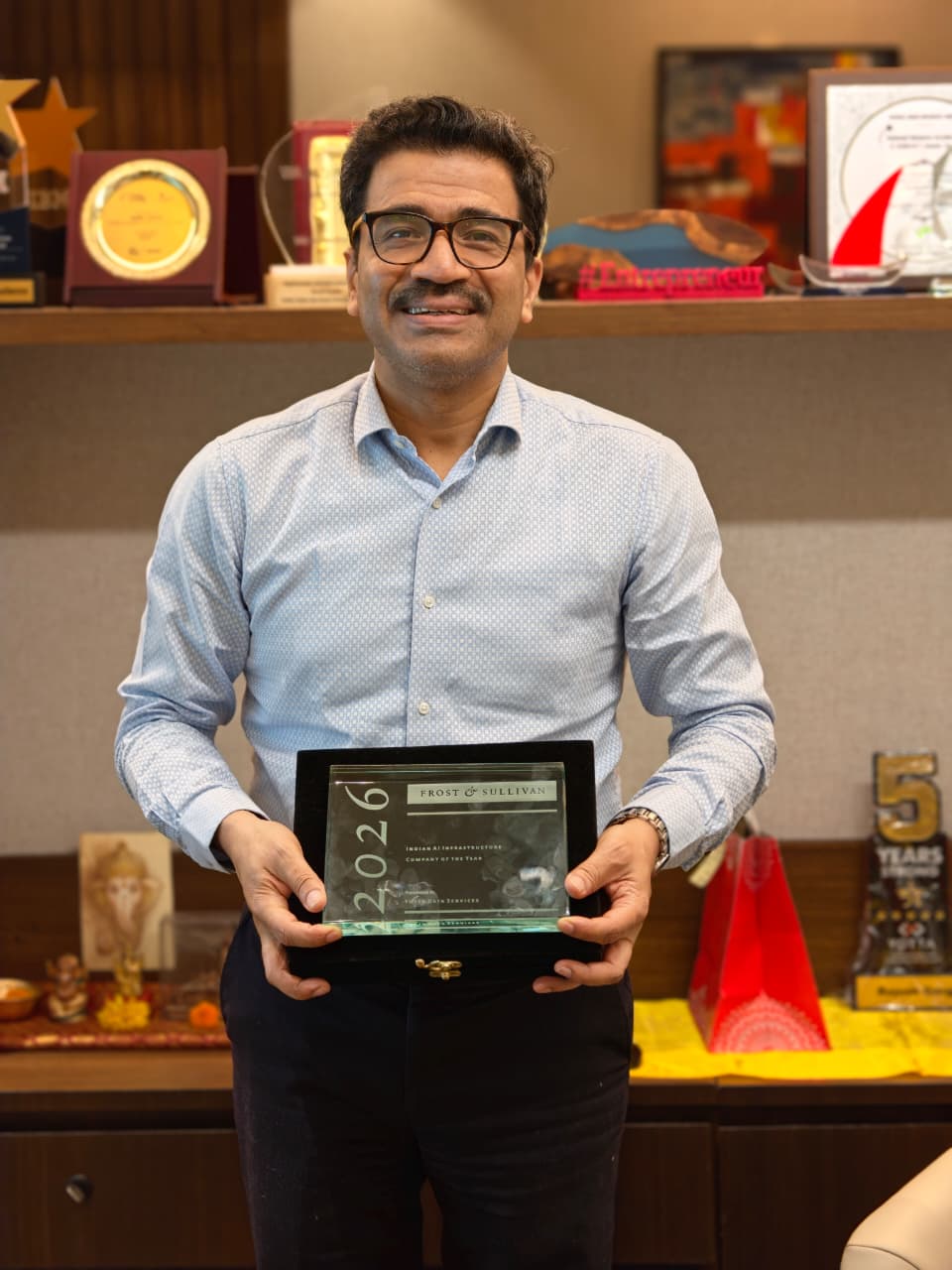
    Frost & Sullivan is pleased to announce that Yotta Data Services has received the 2026 Indian Company of the Year Recognition in the AI infrastructure industry for its outstanding achievements in sovereign cloud infrastructure, AI-ready compute environments, and customer-centric innovation. This recognition highlights Yotta Data Services’ leadership in enabling secure, compliant, and high-performance AI infrastructure that supports India’s evolving digital transformation and artificial intelligence ecosystem.

     
    Frost & Sullivan evaluates companies through a rigorous benchmarking process across two core dimensions: strategy effectiveness and strategy execution. Yotta Data Services excelled in both, demonstrating its ability to align strategic initiatives with emerging market requirements while executing them with efficiency, scale, and operational discipline. “Yotta has emerged as a cornerstone of India’s sovereign AI ecosystem by closing critical infrastructure gaps with purpose-built, AI-ready data centers that deliver security, performance, and regulatory alignment at scale,” said Harsh Singh, Associate at Frost & Sullivan.
     
    Guided by a long-term growth strategy focused on sovereign AI infrastructure, localized cloud ecosystems, and regional expansion, Yotta Data Services has positioned itself as a foundational force supporting India’s AI ambitions. Under the leadership of co-founder, MD and CEO Sunil Gupta, the company continues to strengthen India’s role in the global AI landscape by building infrastructure designed to meet domestic and regional AI compute requirements. Its strategic investments in hyperscale data centers, sovereign cloud capabilities, and AI-focused platforms have enabled the company to scale effectively while addressing demand for compliant and secure AI infrastructure.
     
    Innovation remains central to Yotta Data Services’ approach. Its AI-ready infrastructure portfolio, including Shakti Cloud (GPU infrastructure at scale) and Shakti Studio (AI Token factory), addresses the need for scalable GPU-enabled cloud platforms and sovereign AI development environments. Built on NVIDIA-certified hardware stacks, high-speed InfiniBand networks, and advanced AI software frameworks, the company’s platforms simplify AI deployment and accelerate model training, inference, and enterprise AI adoption. Yotta currently has 1,024 L40s and 8,192 H100 GPUs live at its NM1 Data Center in Navi Mumbai, and plans to scale to more than 80,000 next-generation GPUs by FY27–28, including B200 and B300 GPUs. 
     
    “Frost & Sullivan’s recognition is a testament to Yotta’s mission of building the foundational infrastructure that will power India’s AI future. As AI reshapes economies and societies, we are focused on creating sovereign, world-class AI cloud platforms that give India greater technological self-reliance, global competitiveness, and the ability to innovate at scale. This honour belongs to our customers, partners, and teams who share our vision of positioning India among the world’s leading AI and digital infrastructure hubs.” said Sunil Gupta, Co-founder, MD & CEO, Yotta Data Services.
     
    Yotta Data Services’ commitment to operational excellence strengthens its position in the market. Its Tier IV-certified Navi Mumbai facility and large-scale Greater Noida data center campus have been purpose-built to support dense AI workloads with high power efficiency, scalability, and low-latency performance. Yotta is set to deploy 30000 NVIDIA Blackwell B300 Ultra GPUs at its 60 MW D2 data center at Greater Noida hyperscale campus, which is scalable to 250 MW, and 36000 GB300/ Vera Rubin GPUs at its 75 MW NM2 data centre at Navi Mumbai hyperscale campus which is scalable to 2 GW. The company’s locally governed infrastructure model enables organizations to maintain data residency in India while ensuring predictable pricing and reduced dependence on international hyperscalers. By operating its own substations, integrating renewable energy sources, and implementing closed-loop cooling systems, Yotta continues to demonstrate a future-focused approach to sustainable AI infrastructure.
     
    The company’s customer-first philosophy has also played a pivotal role in its market leadership. Organizations across government and enterprise sectors rely on Yotta’s sovereign AI infrastructure to support mission-critical deployments and advanced AI workloads. The company’s ability to execute seamless migrations, maintain high service availability, and provide responsive 24×7 support has strengthened customer trust and reinforced its reputation for reliability in complex deployment environments.
     
    Frost & Sullivan commends Yotta Data Services for setting a high standard in competitive strategy, infrastructure innovation, and market responsiveness. The company’s focus on sovereign cloud services, AI infrastructure scalability, and customer enablement is shaping the future of the AI infrastructure industry in India while supporting the country’s long-term digital sovereignty objectives.
     
    Each year, Frost & Sullivan presents the Company of the Year Recognition to a company that demonstrates outstanding strategy development and implementation, resulting in measurable improvements in competitive positioning, customer impact, and market leadership. The recognition honors organizations that are reshaping industries through innovation and growth excellence.

  • Goodwill Welcomes Soccer Visitors as the Go-To Destination for Last-Minute Essentials, Sustainable Finds, and One-of-a-Kind Seattle Souvenirs

    Goodwill Welcomes Soccer Visitors as the Go-To Destination for Last-Minute Essentials, Sustainable Finds, and One-of-a-Kind Seattle Souvenirs

    SEATTLE, WA- June 23:  As soccer fans explore Seattle between matches, Evergreen Goodwill of Northwest Washington is spotlighting a surprising discovery just steps from Seattle Stadium: the world’s largest Goodwill. Located in the vibrant International District (1400 S Lane St), Evergreen Goodwill’s 70,000-square-foot flagship store offers far more than traditional retail: it’s a dynamic, ever-changing destination where visitors can pick up travel essentials, discover local style, and experience Seattle’s commitment to sustainability and reuse. 

    A Smart Stop for Travelers 

    For fans navigating a busy and often expensive global event, Goodwill offers a practical, affordable solution for items they may have forgotten-or didn’t realize they’d need, including:


    o   Clear stadium-approved bags

    o   Reusable water bottles for watch parties and sightseeing

    o   Weather-ready layers for Seattle’s changing conditions Comfortable walking shoes and travel accessories

    o   Unique souvenirs and Seattle memorabilia

    With approximately 10,000 new items hitting the sales floor each day, no two visits are the same, making this one-of-a-kind store the ideal place to pick up both essentials and unexpected finds. 

    Goodwill Welcomes Soccer Visitors as the Go-To Destination for Last-Minute Essentials, Sustainable Finds, and One-of-a-Kind Seattle Souvenirs

    A Destination Experience, Not Just a Store 

    As thrifting continues to grow in popularity, the Seattle flagship has become a destination in its own right. Like Pike Place Market, it’s participatory and always changing. Like MoPOP, it celebrates creativity and self-expression. And like the Space Needle, it holds a standout distinction that resonates with visitors. Staffed by a team from more than 20 countries, it reflects the diversity of the global community gathering in Seattle for the world’s most international sporting event. 

    Sustainable Travel Meets Meaningful Impact 

    Beyond convenience and discovery, shopping at Evergreen Goodwill offers travelers a way to make their visit more sustainable. By purchasing secondhand items, visitors help reduce waste, extend the life of goods, and participate in Seattle’s circular economy. Every purchase also supports Evergreen Goodwill’s tuition-free job training, education, and career placement programs across Northwest Washington-connecting a simple shopping trip to long-term impact in the community. 

    Whether stopping in briefly between matches or spending time treasure hunting, the Seattle flagship store offers a memorable, distinctly local experience. 

  • Air India to Boost Northeast Connectivity with Gulf Direct Flights

    Guwahati, June 23: Air India will commence direct international flights connecting Guwahati with Dubai and Abu Dhabi starting August 4, Assam Chief Minister Himanta Biswa Sarma announced.

    The new routes mark a significant expansion of international air connectivity from Northeast India, aimed at improving access to key global destinations in the Middle East. The direct flights are expected to enhance travel convenience for passengers, boost tourism, and strengthen business and trade linkages between Assam and the Gulf region.

    Officials noted that improved connectivity will also benefit the large Indian diaspora in the Gulf countries, particularly workers and families from Assam and neighbouring states, by reducing travel time and improving accessibility.

    The initiative aligns with broader efforts to position Guwahati as a key aviation hub in the region, supporting economic development and increasing the state’s integration with international markets.

    Authorities expressed confidence that the new routes will contribute to increased passenger traffic, economic activity, and regional growth in the coming years.

  • India Leads Global Ship Recycling Market in 2025

    New Delhi, June 23: India has emerged as the world’s leading ship recycling nation in 2025, capturing a 35.4% market share, according to the Ministry.

    The achievement highlights India’s growing dominance in the global ship recycling industry, supported by its expanding infrastructure, competitive capabilities, and adherence to international standards. The country’s recycling hubs, particularly along the western coast, have played a key role in handling a significant volume of end-of-life vessels.

    Officials noted that India’s leadership in the sector reflects its strong industrial capacity and increasing focus on sustainable and regulated recycling practices. The industry also contributes to employment generation and supports the domestic steel and allied sectors through the recovery of reusable materials.

    The Ministry emphasized that continued policy support, modernization of facilities, and compliance with global environmental norms will further strengthen India’s position in the ship recycling market.

    With this development, India has reinforced its role as a key global hub in the ship recycling industry, marking a significant milestone in its maritime and industrial growth story.

  • India’s Economic Growth Remains Robust in June Despite Slight Moderation, PMI at 57.4

    New Delhi, June 23: India’s economic activity continued to expand at a healthy pace in June, even as growth showed a marginal slowdown compared to previous months, according to the latest Purchasing Managers’ Index (PMI) data, which stood at 57.4.

    The reading, well above the neutral mark of 50, indicates sustained expansion across key sectors, reflecting resilience in both manufacturing and services. The data points to continued strength in demand conditions, steady business activity, and overall economic stability despite global headwinds.

    In the manufacturing sector, firms reported stable output levels supported by consistent domestic demand and improved supply conditions. The services sector also remained a key growth driver, benefiting from strong client activity, new business inflows, and ongoing recovery in consumption-related services.

    Employment trends remained positive, with companies continuing to hire in response to rising workloads. Input costs and output prices showed mixed trends, but overall inflationary pressures remained manageable within the broader economic context.

    Experts noted that while the slight moderation in PMI suggests a cooling from earlier highs, the index continues to signal strong expansion. They added that India’s growth remains supported by resilient domestic consumption, government spending, and improving business confidence.

    Economists further highlighted that external uncertainties, including global demand fluctuations and geopolitical risks, may influence short-term momentum. However, India’s domestic-driven growth model is expected to provide a buffer against external shocks.

    Overall, the June PMI data underscores the strength and stability of India’s economy, reinforcing expectations of sustained growth in the coming months, supported by strong fundamentals and broad-based sectoral performance.

  • Agriculture, Technology Emerge as Pillars of India’s Growth Story

    June 23: India’s future economic growth will be significantly driven by the combined strength of agriculture and technology, according to industry leaders and policymakers speaking at the Summer Davos forum.

    Experts highlighted that India’s large agricultural base, coupled with rapid advancements in digital technologies, artificial intelligence, innovation, and infrastructure, is creating new opportunities for sustainable and inclusive growth. They noted that technology is increasingly transforming the agricultural sector through improved productivity, better market access, data-driven decision-making, and enhanced supply chain efficiency.

    Speakers emphasized that India is well-positioned to emerge as a global growth engine due to its young workforce, expanding digital ecosystem, and ongoing economic reforms. The integration of technology across sectors, particularly in agriculture, is expected to boost rural incomes, strengthen food security, and support long-term economic development.

    The discussions also underscored the importance of continued investment in innovation, digital infrastructure, skill development, and sustainable agricultural practices to unlock India’s full growth potential.

    Experts at the forum expressed confidence that the synergy between agriculture and technology will play a pivotal role in shaping India’s economic future and reinforcing its position as one of the world’s fastest-growing major economies.

  • IBM CEO Arvind Krishna Welcomes Growing US Focus on Quantum Computing

    New York, June 23: IBM Chairman and CEO Arvind Krishna has welcomed the United States’ increasing focus on advancing quantum computing, highlighting the technology’s potential to drive innovation, strengthen economic competitiveness, and address complex challenges across industries.

    Krishna noted that continued investment in quantum research, infrastructure, and talent development is essential for maintaining technological leadership in a rapidly evolving global landscape. He emphasized that collaboration between government, industry, and academic institutions will play a key role in accelerating the development and practical application of quantum technologies.

    Quantum computing is widely regarded as the next frontier in computing, with the potential to solve problems that are beyond the capabilities of traditional computers. Experts believe the technology could transform sectors such as healthcare, finance, cybersecurity, materials science, and energy.

    Krishna’s remarks come amid growing global competition in advanced technologies, with governments and technology companies increasing investments in quantum research and innovation. Industry leaders view sustained policy support and strategic funding as critical to advancing the commercialization of quantum computing solutions.

    The comments underscore the growing importance of quantum technology as nations seek to strengthen their technological capabilities and secure long-term economic growth through innovation.

  • Sensex, Nifty Open Muted as Easing West Asia Tensions Support Market Sentiment

    Mumbai, June 23: Indian benchmark equity indices, Sensex and Nifty, opened on a subdued note on Tuesday as investors adopted a cautious approach despite signs of easing geopolitical tensions in West Asia.

    The easing of tensions in the region has helped improve global market sentiment and reduced concerns over potential disruptions to crude oil supplies. This development provided some support to investor confidence, although market participants remained focused on broader economic and corporate factors.

    Analysts noted that lower geopolitical risks could help stabilize energy prices and support equity markets. However, uncertainty surrounding global economic growth, interest rate outlooks, and upcoming economic data continued to keep investors cautious.

    In early trade, sectoral movements remained mixed as investors assessed domestic and international developments. Market participants are also closely monitoring corporate announcements, foreign fund flows, and global market trends for further direction.

    Experts believe that while easing tensions in West Asia have brought some relief to financial markets, volatility may persist in the near term as investors navigate evolving global and domestic factors.

    Overall, Indian markets began the day on a steady footing, balancing positive geopolitical developments with caution over broader economic uncertainties.

  • Wood Mackenzie cuts Brent forecast to Dollar 78/bbl for 2027 as US-Iran MoU targets staged Strait of Hormuz reopening

    LONDON/HOUSTON/SINGAPORE, June 23: The oil price bubble has burst. Wood Mackenzie forecasts Brent averaging $78 a barrel in 2027 and potentially easing to $70/bbl by Q4 2027, following a US-Iran Memorandum of Understanding that has shifted market sentiment away from a prolonged Strait of Hormuz closure. 

    The pressure to reach an agreement was acute. On 15 June, President Donald Trump acknowledged that US reserves would run out “in about four weeks.” Inventories at the Cushing hub had fallen close to the operational floor. Those fundamentals, as much as diplomacy, brought both sides to the table. 

    The Memorandum of Understanding, signed last week, gives both parties 60 days to negotiate a comprehensive agreement. Both have accepted in principle that the Strait should be reopened. But the gap between acceptance and execution remains wide. Israel’s apparent rejection of restrictions on its ongoing military action in Lebanon adds further uncertainty. Negotiations may need to be extended. They could fail. 

    Brent averaged $92/bbl over the first half of 2026, buoyed by the elevated prices of March through May. Investor sentiment moved faster than the oil itself. In the four weeks to 16 June, positioning for higher Brent prices fell by around 80% from a five-year high. Wood Mackenzie’s vessel tracking data shows ships of all categories transiting the Strait reached a peak of 35 on 18 June, up from the low teens per day — but still well short of pre-war levels. 

    The revised forecasts of $78/bbl in 2027, and a potential $70/bbl by Q4 2027, assume Strait transit flows normalise during August.  Alternating periods of elevated and depressed prices are likely as demand recovery, inventory rebuilding, and production ramp-up remain out of sync. Recovery will take months. The supply shock removed more than 11 million barrels per day of crude from global markets. Wood Mackenzie projects 70% of shut-in volumes could return within three months of the Strait reopening, and 90% within six months. The final one million barrels per day will take considerably longer.  

    Refining margins tell the same story: better but not recovered. Jet crack spreads remain at almost double pre-war levels despite easing progressively over the past two months.

    “A prolonged closure would have pushed Brent well above $150 a barrel,” adds Alan Gelder, Senior Vice President, Macro Oils, Wood Mackenzie. “The MoU changed that trajectory. But the full value chain, from wellhead through to Gulf Cooperation Council ports, will take the better part of a year to fully recover. Jet crack spreads running at almost double pre-war levels are the clearest signal that this market has not yet normalised. Getting the barrels back is a different challenge from reaching a deal.” 

  • WiseLife Reinvents International Yoga Day with “Just Unroll”, Bringing Yoga to India’s Most Unexpected Locations

    New Delhi, June 23: On International Yoga Day, while thousands gathered in parks, studios, and wellness centres across the country, wellness brand WiseLife chose a different path. Through its nationwide campaign, “Just Unroll,” the brand brought yoga to some of India’s most unexpected locations, from the bustling lanes of Chandni Chowk and crowded railway stations to nightlife districts, religious sites, heritage landmarks, and the banks of the Yamuna, reinforcing a simple message: Yoga can be practiced anywhere.

    WiseLife Reinvents International Yoga Day with

    Built around the belief that yoga does not belong only in studios or designated wellness spaces, the Just Unroll campaign set out to demonstrate how the practice can seamlessly fit into everyday life. By taking yoga into diverse environments, WiseLife encouraged people to rethink where wellness can begin and highlighted that all it really takes is a mat and a moment.

    As part of the campaign, yoga sessions were conducted across seven distinct settings in Delhi. Chandni Chowk was chosen to show how yoga can create moments of calm even amidst chaos and crowds. Railway stations highlighted the importance of pausing and breathing amid daily routines, while nightlife districts presented a striking contrast between high energy environments and mindful movement. Sessions were also held near liquor store areas to promote healthier ways of managing stress, at Yamuna Ghat to encourage reflection and connection with nature, at religious places to highlight values of inner peace and self-awareness, and at historical landmarks as a tribute to yoga’s deep roots in Indian culture.

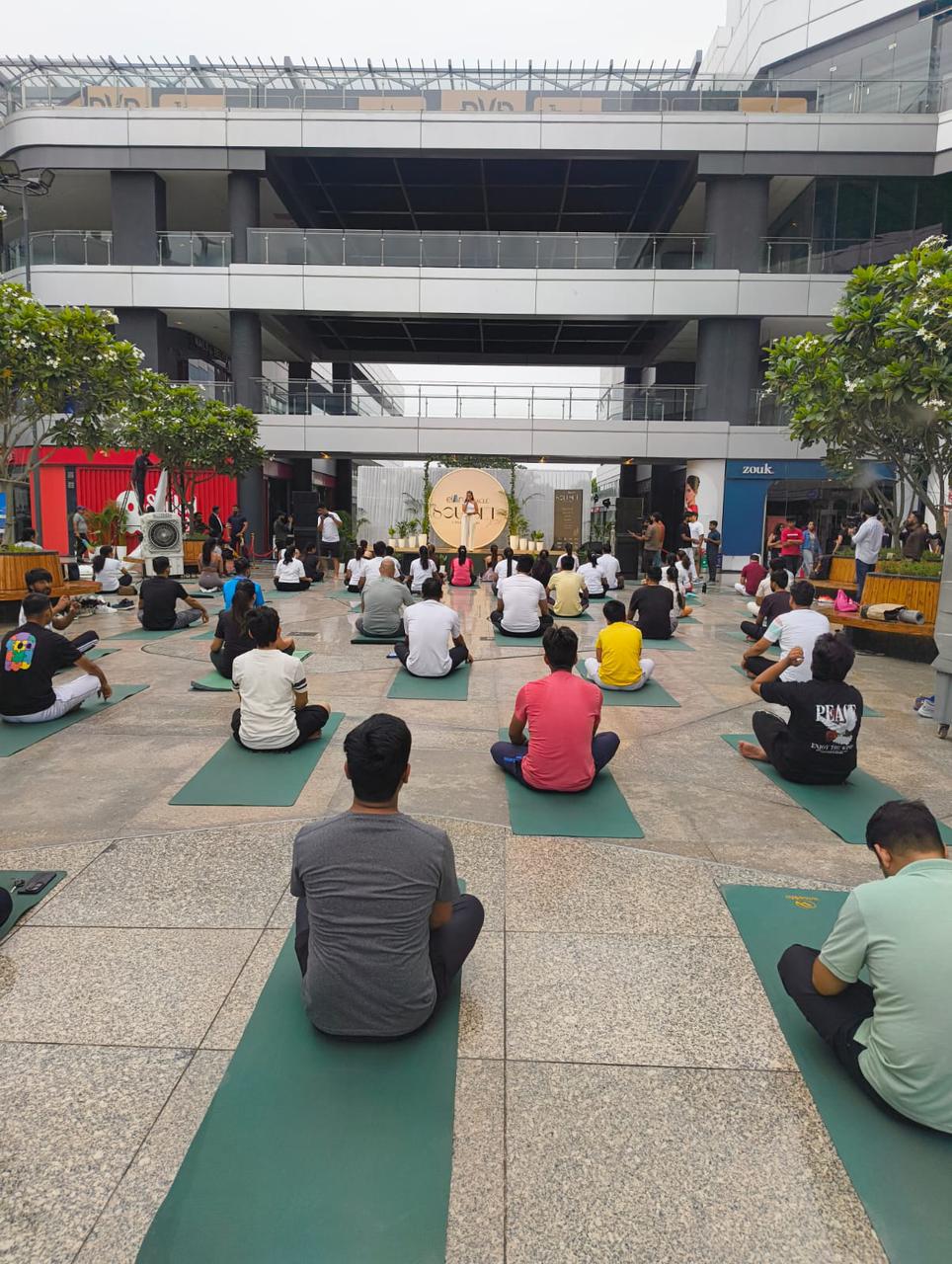
    At Elan Miracle in Gurugram, actress Elnaaz Norouzi joined the Yoga Day celebrations. Beyond her presence, what stood out was her active participation in the session and interaction with attendees, reflecting the campaign’s core idea that yoga is for everyone.

    The campaign extended beyond Delhi NCR, with yoga sessions and community led activations taking place across cities including Gurugram, Jaipur, Chandigarh, Kolkata, Pune, Mumbai, Indore, and locations in Chhattisgarh etc. Through these on ground initiatives, WiseLife helped bring the message of accessible wellness to diverse communities across the country, reinforcing the belief that yoga can be practiced anywhere.

    “Yoga is one of the simplest wellness practices we have, yet many people feel they need the right place or the right time to start. Through Just Unroll, we wanted to show that there is no perfect moment. You can begin wherever you are. Sometimes all it takes is unrolling a mat and taking a few minutes for yourself,” said Prateek Kedia, Yoga Expert and Founder, WiseLife.

    The Just Unroll campaign is part of WiseLife’s broader effort to make wellness more approachable and accessible, encouraging people to integrate mindful habits into their daily lives without waiting for ideal conditions.