Blog

  • BSCL Transforms Janpath into Climate-Resilient Green Urban Corridor

    Bhubaneswar, June 22: The Bhubaneswar Smart City Limited (Bhubaneswar Smart City Limited) has initiated a comprehensive beautification and greening project along Janpath, aimed at transforming the major city artery into a climate-resilient, greener, and more pedestrian-friendly urban corridor.

    Climate-Focused Urban Revitalisation

    The initiative places strong emphasis on reducing urban heat and improving environmental conditions through large-scale plantation and landscape redesign. Shade-giving trees are being planted along the corridor to mitigate rising temperatures, enhance comfort for pedestrians, and improve overall air quality.

    Officials noted that the project is aligned with broader efforts to address the Urban Heat Island effect and promote sustainable urban infrastructure.

    Enhanced Green Infrastructure

    The redevelopment plan incorporates the replacement of select hard surfaces with green landscaping zones designed to improve water absorption and ecological sustainability.

    A diverse range of plant species has been introduced, including:

    • Tabebuia rosea for seasonal pink flowering displays
    • Rudrapalash (Spathodea) for bright red blooms
    • Amaltas for yellow floral accents
    • Shrubs such as Hamelia and Acalypha
    • Groundcover plants like Rhoeo

    These additions are expected to enhance both the ecological value and visual appeal of the corridor.

    Development of Community Public Spaces

    As part of the project, 10 public plazas are being developed at strategic locations, including Ekamrakshetra, Master Canteen traffic islands, Rajmahal Flyover underside, IDCO Tower front, and OPTCL front.

    These plazas will function as cultural and social interaction spaces, supporting community engagement and hosting events such as Patha Utsav and other local gatherings.

    Towards a Sustainable Urban Future

    The initiative reflects BSCL’s commitment to developing sustainable, people-centric urban infrastructure that integrates environmental resilience with public utility.

    The project is scheduled for completion by August and is expected to serve as a model for future urban greening initiatives in Bhubaneswar.
     
  • Samsung Solve for Tomorrow Brings Design Thinking to Jammu & Kashmir, Inspires Youth to Build AI-Powered Solutions for Local Challenges

    Jammu & Kashmir June 22: Samsung India brought its flagship innovation and education programme, Samsung Solve for Tomorrow 2026, to Jammu & Kashmir, engaging 452 students through Design Thinking Workshops that explored how artificial intelligence and human-centred innovation can be used to address real-world challenges facing their communities.

    The Design Thinking Workshops introduced participants to Samsung’s human-centred innovation framework, equipping them with practical tools to identify everyday challenges, understand user needs and develop technology-led solutions with meaningful social impact.

    Held in Army Public School, Ratnuchak Jammu and Government Degree College Baramulla the workshops encouraged students to explore innovation opportunities across digital accessibility, community development, education and smarter civic infrastructure.

    The workshops forms part of Samsung’s nationwide effort to expand innovation opportunities beyond metropolitan centres. As part of Solve for Tomorrow 2026, Samsung is conducting Design Thinking Workshops across 100 cities spanning Bharat, enabling young innovators from diverse backgrounds to build future-ready problem-solving and entrepreneurial skills.

    Among them was Zamin Anayat Lone from Government Degree College Sopore, Baramulla, who conceptualized a mobile application designed to improve accessibility and emergency response through SOS alerts and live-location sharing features.

    “The workshop taught me that innovation begins with understanding people and their experiences. It encouraged me to think about how technology can be used to create meaningful solutions that positively impact communities,” said Zamin.

    The workshops also inspired participants to examine how technology could strengthen public services and improve quality of life. Gagandeep Singh from Army Public School, Ratnuchak explored technology-enabled approaches to support more efficient waste management systems, while Garima Yadav, a Class IX student, examined how digital platforms could help students access career awareness and skill-development opportunities.

    The ideas emerging from the workshops reflected the growing innovation potential of Jammu & Kashmir’s youth. Participants demonstrated how Design Thinking can transform everyday observations into scalable solutions that address local needs while creating broader social impact.

    Samsung Solve for Tomorrow is Samsung India’s flagship innovation competition for young people aged 14–22 years. The programme encourages participants to develop solutions under four themes — AI for a Better Tomorrow, Health & Education, Environmental Sustainability, and Sport-Tech.

    As Samsung celebrates 30 years in India, the company continues to invest in nurturing the country’s next generation of innovators by bringing innovation, mentorship and entrepreneurial opportunities closer to students across Bharat.

    The programme will culminate with the top four winning teams receiving incubation grants worth INR 2 crore through FITT, IIT Delhi, along with mentorship, training, prototyping support and access to India’s startup ecosystem.

    Applications for Samsung Solve for Tomorrow 2026 are open until July 3, 2026.

    Samsung Newsroom India:  Samsung Solve for Tomorrow Brings Design Thinking to Jammu & KashmirInspires Youth to Build AIPowered Solutions for Local Challenges

  • Major Maoist Arms, Explosives Cache Recovered in Koraput

    Koraput, June 22 (UDN): In a significant breakthrough in anti-Maoist operations, security forces have recovered a huge cache of arms, ammunition and explosives from a Maoist dump concealed in the dense forests of Badlipahad under Boipariguda police station limits in Odisha’s Koraput district.

    News In Pics

    The recovery was made during an intensive search operation conducted by the District Voluntary Force (DVF), Koraput, on the basis of specific intelligence inputs received from surrendered Maoist cadres. The operation was launched in the forested areas bordering Chhattisgarh’s Bastar district, a region considered vulnerable to Maoist activities.

    During the combing operation, security personnel unearthed the hidden dump at around 5.30 am on Monday.

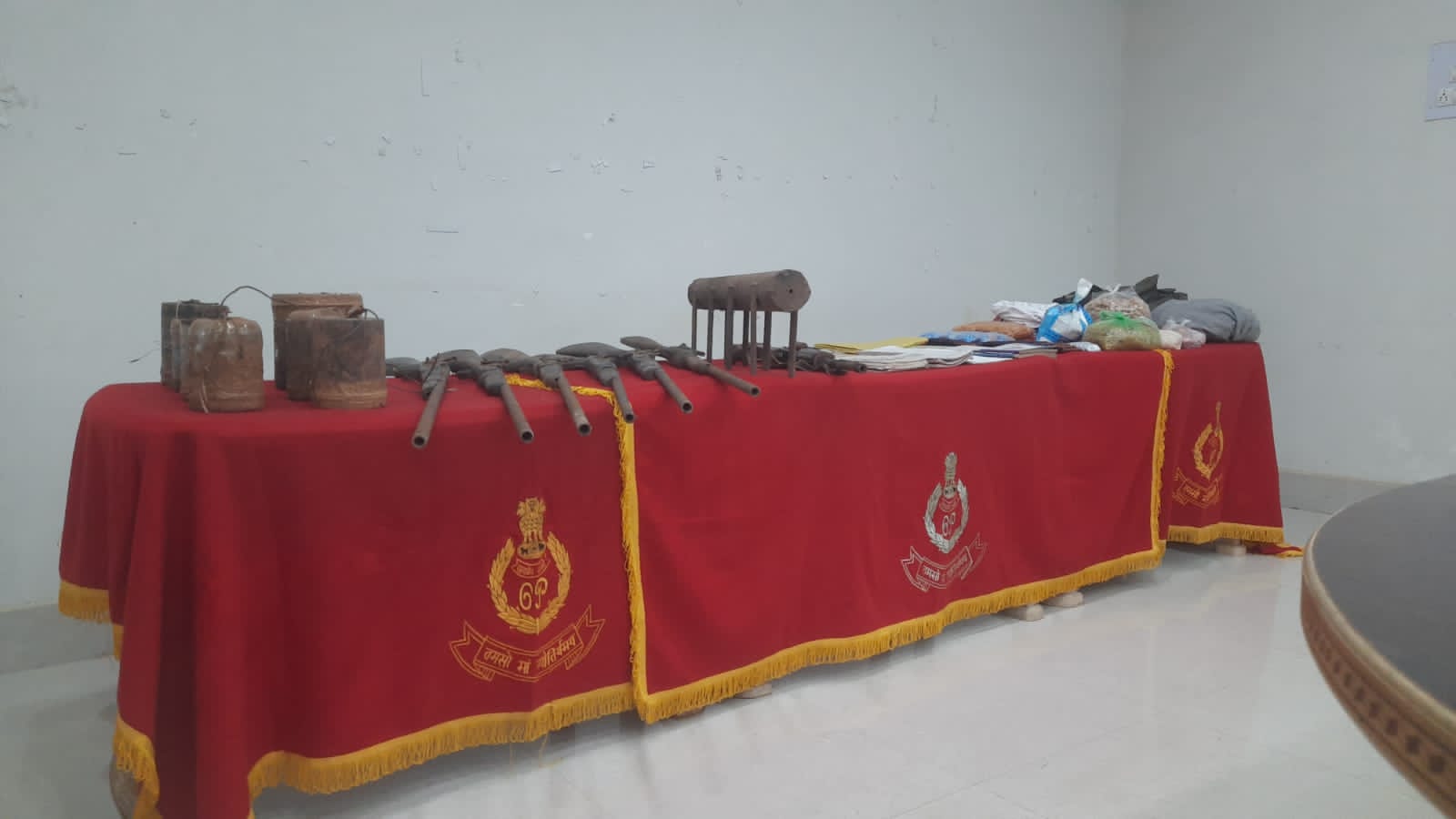
    The seized materials include one INSAS rifle, one country-made firearm, six Claymore mines weighing approximately 18 kg, multiple tiffin bomb-based Improvised Explosive Devices (IEDs) weighing around 14 kg, a Maoist kit bag, Maoist literature, medicines and food items.

    According to police, the recovered cache is suspected to belong to cadres of the banned Andhra-Odisha Border Special Zonal Committee (AOBSZC). The arms and explosives were allegedly stockpiled for use in attacks against security forces and civilians.

    Officials described the seizure as a major success that has dealt a significant blow to Maoist activities in the region and may have averted potential threats.

    The operation assumes significance as Koraput district continues its efforts to achieve the goal of becoming completely Naxal-free by March 31, 2026. Security forces, including the Special Operations Group (SOG), District Voluntary Force (DVF) and Border Security Force (BSF), have intensified anti-Maoist operations and are carrying out regular combing and area domination exercises to prevent any resurgence of extremist activities.

  • NHAI Directs Wayside Amenities to Prioritise Vehicle Repair Facilities on Highways

    New Delhi, June 22: The National Highways Authority of India (NHAI) has issued comprehensive directions to all wayside amenities along national highways to prioritise the development and operational readiness of vehicle repair and breakdown assistance facilities.

    The directive is aimed at significantly strengthening roadside support infrastructure across India’s national highway network and ensuring timely assistance to commuters in the event of vehicle breakdowns or emergencies.

    Strengthening Roadside Safety and Support

    NHAI stated that the availability of reliable and prompt repair services is a critical component of highway safety and user convenience. With increasing traffic density and rising long-distance travel, the authority has emphasized the need for robust and accessible roadside support systems.

    The initiative is expected to reduce travel disruptions, minimize traffic congestion caused by stalled vehicles, and improve overall efficiency in highway operations.

    Key Focus Areas

    Under the directive, wayside amenities are encouraged to:

    • Ensure availability of dedicated vehicle repair and maintenance services
    • Provide trained personnel capable of handling common breakdown situations
    • Maintain essential spare parts and emergency repair equipment
    • Facilitate towing and emergency assistance services where required
    • Strengthen coordination mechanisms for faster response times

    Enhancing User Experience

    The authority highlighted that improving roadside service infrastructure is essential for enhancing the overall travel experience on national highways. Reliable breakdown assistance not only improves commuter confidence but also contributes to smoother traffic movement and reduced accident risks.

    Part of Broader Highway Modernisation Effort

    The initiative forms part of NHAI’s ongoing efforts to modernize highway infrastructure and upgrade user amenities across the country. These measures are aligned with the broader vision of developing safer, more efficient, and more commuter-friendly national highways.

    The authority reiterated its commitment to continuously improving service standards and ensuring that highway users have access to essential support services throughout their journeys.

  • West Bengal Budget 2026–27 Focuses on Tax Simplification and Revenue Growth

    Kolkata, June 22: The Government of West Bengal has presented its Budget for the financial year 2026–27, with a strong focus on tax simplification and measures aimed at boosting revenue growth.

    The budget outlines initiatives to streamline tax processes, improve compliance, and make the taxation system more efficient and taxpayer-friendly. The reforms are intended to reduce complexity and enhance ease of doing business across sectors.

    The government has also emphasized widening the tax base and strengthening revenue collection mechanisms to improve fiscal stability and support long-term development priorities.

    Officials stated that these measures are designed to ensure better transparency, improved efficiency in financial management, and sustained economic growth in the state.

    The budget reflects the government’s continued commitment to strengthening public finances while supporting economic activity and investment in West Bengal.

     
  • Dedicated Freight Corridor Boosts Gujarat’s Logistics Capacity Ahead of VGRC

    Gandhinagar, June 22: Ahead of the Vibrant Gujarat Regional Conference (VGRC), the Dedicated Freight Corridor has emerged as a major driver in enhancing Gujarat’s logistics infrastructure and overall cargo handling capacity.

    The improved freight connectivity is expected to significantly reduce transit time, lower logistics costs, and improve efficiency in goods movement across key industrial and port-linked routes in the state.

    Officials highlighted that the Dedicated Freight Corridor is strengthening integration between industrial zones, logistics parks, and major ports, thereby streamlining supply chains and supporting faster movement of goods.

    The development is anticipated to further reinforce Gujarat’s position as a leading industrial and logistics hub, attracting investment and supporting export-oriented growth.

    The initiative aligns with broader efforts to modernize India’s freight infrastructure and improve competitiveness in global trade networks.

  • Government Approves INR 270 Crore Kavach Deployment on 631 Route km of East Coast Railway

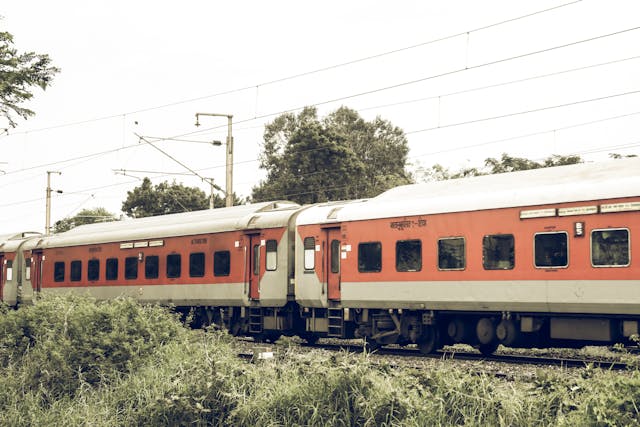
    New Delhi, June 22: The Government of India has approved a ₹270 crore project for the deployment of the indigenous train collision avoidance system, Kavach, across 631 route kilometres of the East Coast Railway.

    Government Approves INR 270 Crore Kavach Deployment on 631 Route km of East Coast Railway

    The initiative is aimed at significantly enhancing railway safety by reducing the risk of signal passing at danger (SPAD), train collisions, and other operational hazards. The deployment forms part of Indian Railways’ ongoing efforts to modernize and strengthen its safety infrastructure through indigenous technological solutions.

    Kavach is designed to improve operational efficiency and provide automated protection to trains by enabling real-time communication between locomotives and signalling systems.

    Railway officials stated that the implementation of Kavach will enhance passenger safety, improve network reliability, and support safer train operations across the East Coast Railway zone.

    The project marks another step forward in the government’s commitment to adopting advanced safety technologies within the railway network.

     
  • Aadhaar App Crosses 3.1 Crore Downloads; 40 Lakh Users Update Mobile Numbers

    New Delhi, June 22, 2026: The Aadhaar mobile application has recorded over 3.1 crore downloads, highlighting the growing adoption of digital identity services across India. The platform has also facilitated mobile number updates for nearly 40 lakh users, demonstrating increased reliance on digital self-service features.

    The rising usage reflects a strong shift toward convenient, paperless, and time-saving processes for managing Aadhaar details. Users are increasingly choosing the mobile application to carry out essential updates without visiting physical enrolment centres.

    The trend underscores the government’s ongoing push toward digital governance and improved citizen access to essential identity services.

    The app continues to enhance accessibility, efficiency, and user experience in managing Aadhaar-related services nationwide.

  • Markets End Higher as IT and Pharma Stocks Lift Sensex, Nifty

    Mumbai, June 22: Indian equity markets closed higher on the day, driven by strong gains in IT and pharmaceutical stocks, which boosted overall investor sentiment.

    Benchmark indices BSE Sensex and NSE Nifty 50 ended in positive territory as buying activity strengthened across select sectors. IT stocks led the rally, supported by expectations of steady global demand and resilient earnings prospects, while pharmaceutical stocks also witnessed sustained investor interest.

    Market participants noted that optimism in export-oriented and defensive sectors helped offset volatility in broader markets, contributing to the upward movement in indices.

    Analysts suggest that continued momentum in IT and pharma segments may support near-term market stability, though global economic cues and institutional flows will remain key drivers of future direction.

  • Aviva India Expands Pune Footprint with New Branches in Baner and Shivaji Nagar

    Aviva India Expands Pune Footprint with New Branches in Baner and Shivaji Nagar

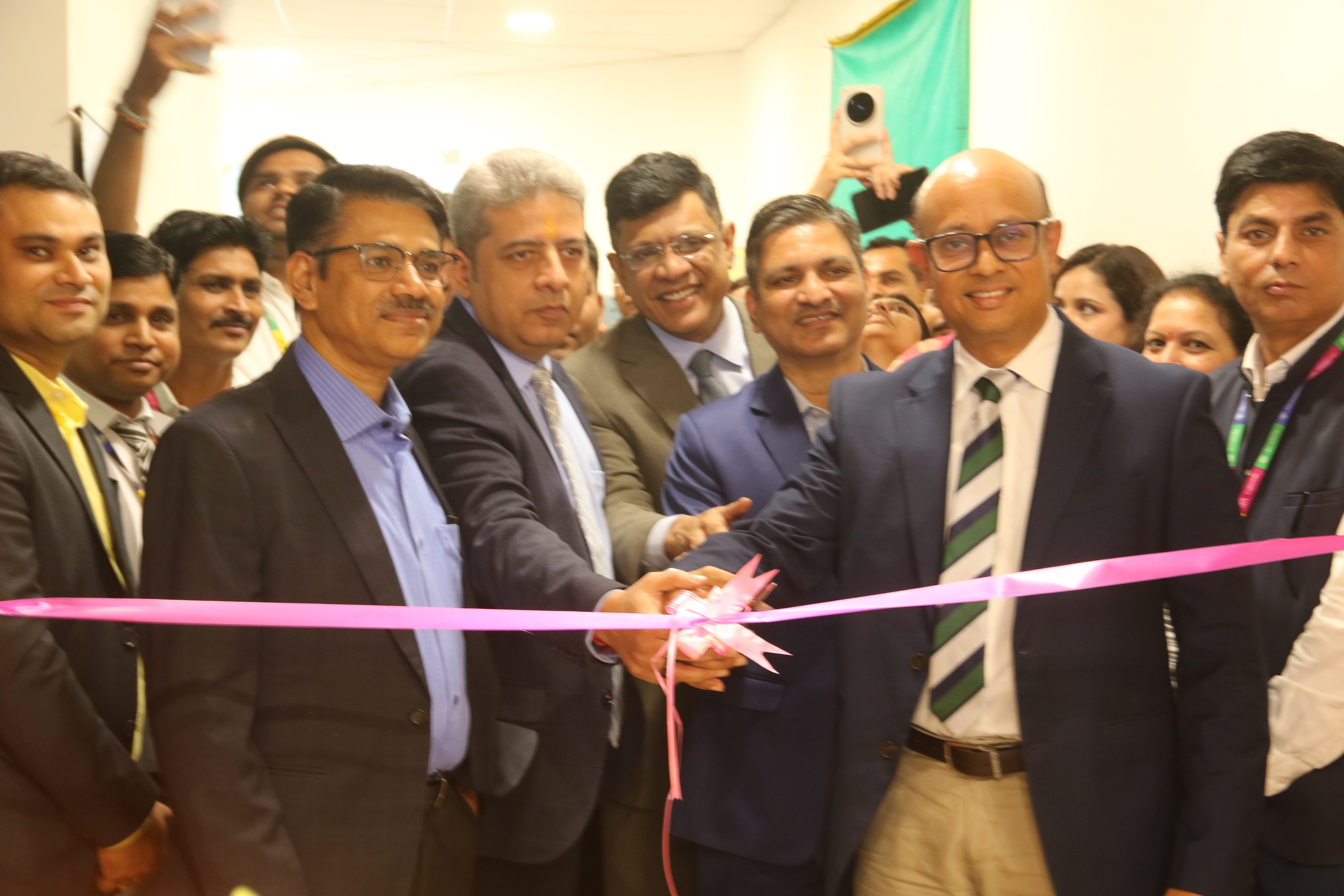
    Pune, June 22: Aviva Life Insurance has expanded its footprint in Pune with the inauguration of two new branches in Baner and Shivaji Nagar. The expansion reinforces Aviva’s commitment to enhancing accessibility and delivering personalized protection and financial planning solutions to individuals and families across the city.Located in two of Pune’s prominent growth corridors, the new branches have been designed to offer a seamless blend of personalized human advice and digitally enabled services. Customers can access a wide range of life insurance solutions while benefiting from faster service support and a more consultative engagement experience.The expansion comes at a time when Aviva continues to build customer trust through reliable service and protection solutions, reflected in its claim settlement ratio of 99.18%.

    Speaking on the occasion, Mr. Asit Rath, MD & CEO, Aviva India, said,Pune is one of India’s most dynamic and rapidly growing cities, with increasing awareness around long-term financial security and protection. The inauguration of our Baner and Shivaji Nagar branches reflects our commitment to making protection, wellness and insurance solutions more accessible to customers. While digital adoption continues to grow, we strongly believe that trusted human guidance remains central to helping individuals and families make informed financial decisions. These new branches will enable us to serve customers more closely and expand our vision of wellness and financial well-being, bring prevention and personalised guidance for the customers.”

    The expansion underscores Aviva’s continued investment in strengthening its distribution network and deepening its presence in key growth markets. By bringing protection-led financial solutions closer to customers, Aviva remains committed to helping individuals and families build long-term financial resilience and secure their future with confidence.