Blog

  • India Emerges as a Preferred Investment Destination for European Companies: Report

    New Delhi, July 23: India is increasingly being viewed as a favourable investment destination by European companies, supported by its strong economic growth, expanding market opportunities, and improving business environment, according to a recent report.

    The report highlighted that India’s large consumer base, skilled workforce, growing digital ecosystem, and ongoing infrastructure development are among the key factors attracting European businesses to invest in the country.

    European companies are showing greater interest in sectors such as manufacturing, technology, renewable energy, healthcare, automobiles, and financial services, driven by India’s growth potential and policy initiatives aimed at encouraging foreign investment.

    The report noted that India’s focus on strengthening supply chains, promoting innovation, and enhancing ease of doing business has further improved its appeal among global investors.

    Industry experts said that deeper economic cooperation between India and Europe could create new opportunities for trade, investment, and technology partnerships.

    With its expanding economy and strategic position in global markets, India continues to strengthen its role as a major destination for international businesses seeking long-term growth opportunities.

  • Columbia University to Lead ARPA-H-Funded Effort to Transform Childbirth Through AI-Powered Maternal–Fetal Monitoring

    A Columbia-led team has received a Phase I award of up to $5 million from the Advanced Research Projects Agency for Health (ARPA-H) to develop HARMONI—an AI-powered wearable monitoring system designed to give clinicians continuous, objective insight into the health of mother and baby during labor. Columbia will serve as the lead coordinating institution. The project is one of eight selected in the inaugural year of ARPA-H’s Making Obstetrics Care Smart (MOCS) program, a four-year initiative to make the United States the safest place in the world to give birth.

    “This project has a very special place in my heart,” said Xia Zhou, associate professor of computer science at Columbia Engineering, who serves as co-lead principal investigator and technical co-lead. “As a mother of two, I have experienced firsthand how stressful and uncertain labor can be, even with excellent medical care.”

    Zhou’s longtime collaborator, Tam Vu, a computer scientist at Dartmouth College, will serve as lead principal investigator.

    A new vision for obstetric care

    The technology used to monitor babies during labor has changed remarkably little since electronic fetal monitoring was introduced in the late 1960s. Today, clinicians caring for women in labor still rely primarily on fetal heart rate tracings that can be difficult to interpret consistently. Studies have shown that different clinicians reviewing the same tracing may reach different conclusions, creating uncertainty in one of the most consequential moments in medicine. Despite the United States spending more per capita on maternal care than any other high-income country, maternal and neonatal outcomes remain among the poorest.

    The new effort aims to change that.

    The HARMONI platform combines a wireless abdominal smart belt with a companion ear-worn sensor. Together, they continuously monitor fetal cardiovascular activity, uterine contractions, fetal movement, maternal electrocardiogram, oxygen saturation, respiration, temperature, and other physiological signals. Rather than evaluating each signal independently, AI algorithms analyze the dynamic interactions between mother and fetus, providing clinicians with objective assessments of fetal well-being, insights into likely causes of fetal compromise, and information to support timely intervention.

    “Current fetal monitoring provides only part of the picture,” says Matthew Hoffman, vice chair of research in the Department of Obstetrics & Gynecology at Vagelos College of Physicians and Surgeons and an expert in labor management and fetal monitoring. “By combining maternal and fetal physiology with AI-driven analysis, HARMONI has the potential to provide clinicians with more actionable information when timely decisions matter most.”

    The award’s first phase focuses on the project’s technical backbone: the belt and ear sensor and the software that fuses their signals. This phase will also include an early conversation with the U.S. Food and Drug Administration (FDA) about a path to approval, along with a small feasibility study. Later phases could carry the system toward an FDA submission.

    Combining strengths

    Columbia University serves as the lead coordinating institution for HARMONI and brings together investigators from the University’s Departments of Computer Science, Obstetrics & Gynecology, and Psychiatry. In addition to Zhou and Hoffman, the Columbia team also includes developmental psychobiologist William Fifer and biomedical engineer and developmental neuroscientist Nicolo Pini, whose expertise spans fetal physiology, neurodevelopment, and physiological signal processing.

    The project exemplifies collaboration across engineering, medicine, and behavioral science. Zhou’s laboratory has pioneered unobtrusive wearable sensing technologies for maternal and infant health. Its previous award-winning Joey project developed a fabric-based necklace that supports Kangaroo Mother Care while continuously monitoring newborn vital signs without attaching sensors directly to the infant. HARMONI extends this broader vision by bringing intelligent sensing and AI from neonatal care to labor and delivery. Hoffman provides clinical leadership and ensures the technologies address the realities of labor and delivery. Fifer and Pini contribute expertise in joint analysis of maternal-fetal physiological signals, fetal and neonatal neurodevelopment, developmental neuroscience, and physiological signal processing.

    At Columbia, researchers will lead the development of the maternal abdominal sensing belt, multimodal AI algorithms, maternal-fetal concordance analysis, and clinical coordination. The interdisciplinary collaboration reflects Columbia’s strength in translating advances in engineering into technologies that directly improve patient care.

    Looking ahead

    The Columbia team will collaborate closely with Dartmouth College, the University of Massachusetts Amherst, clinical partners, and industry collaborators throughout the project. Tam Vu at Dartmouth College leads the design of the system backbone architecture. Phuc Nguyen at the University of Massachusetts Amherst leads the engineering that links the wearable sensors to hospital systems. John Yeh, professor emeritus at Harvard Medical School, advises on clinical strategy. The team plans to engage with three types of clinical sites: Columbia University Irving Medical Center (urban), Geisinger (rural), and the Gentle Landing Birth Center.

    For Columbia, the project represents an opportunity to demonstrate how close collaboration across engineering, obstetrics, psychiatry, and artificial intelligence can address one of healthcare’s most challenging problems. The researchers envision a future in which labor decisions are guided not by uncertainty, but by continuous, objective evidence that improves outcomes for mothers and babies alike.

  • BSE Expands Market Benchmarking with New Index Covering Nearly Entire Equity Landscape

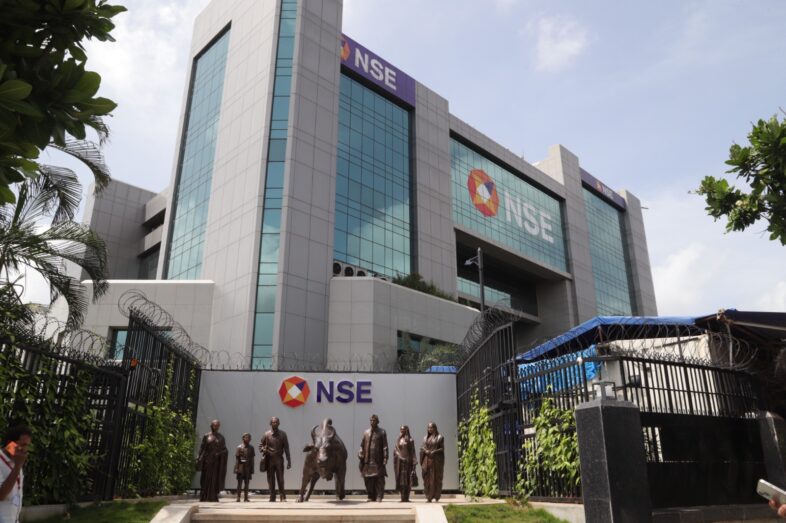
    Mumbai, July 23: The Bombay Stock Exchange (BSE) has introduced a new Total Market Index aimed at providing a wider and more comprehensive view of India’s equity market by representing nearly 98 per cent of the market capitalisation covered under the BSE AllCap Index.

    BSE Expands Market Benchmarking with New Index Covering Nearly Entire Equity Landscape

    The new benchmark is designed to capture the performance of companies across different segments of the market, giving investors a broader perspective on overall market movements and trends.

    BSE said the index will serve as an important tool for investors, fund managers, and market participants seeking a diversified representation of India’s listed companies. It may also support the creation of investment products such as index-based funds and other market-linked instruments.

    The launch reflects the exchange’s focus on developing innovative market solutions, improving transparency, and strengthening the investment ecosystem in India.

    Financial experts believe that comprehensive market indices help investors better understand market performance and make informed decisions by providing wider sector and company representation.

    With the introduction of the Total Market Index, BSE aims to enhance market tracking capabilities and offer a more inclusive benchmark for India’s growing equity market.

  • India’s Aviation Ambition Takes Flight as MRO Sector Gears Up for Global Role

    New Delhi, July 23: India is strengthening its position in the global aviation industry with a major push to develop the country into a leading hub for Aircraft Maintenance, Repair and Overhaul (MRO) services.

    The government said the rapid expansion of India’s aviation market, rising aircraft numbers, and increasing demand for maintenance services are creating significant opportunities for the growth of the MRO sector.

    Efforts are underway to build world-class maintenance facilities, improve aviation infrastructure, attract investment, and develop a skilled workforce to meet the growing needs of the industry. These measures are aimed at reducing dependence on overseas maintenance centres and enhancing India’s capabilities in aerospace services.

    The growth of the MRO ecosystem is expected to support the domestic aviation sector, create employment opportunities, and encourage the development of related industries, including aircraft components and engineering services.

    Industry experts said that stronger infrastructure, advanced technology adoption, and a robust supply chain network will help India compete effectively in the global aviation maintenance market.

    With continued policy support and rising demand for air travel, India is emerging as a promising destination for aircraft maintenance services and a key player in the international aviation ecosystem.

  • Kia India Launches Syros EV, Its Second Mass-Premium Electric Vehicle with Industry-Leading Benefits and Features

    New Delhi, July 23: Kia India, one of the country’s masspremium automakers, launched its second made-in-India mass-market electric vehicle, the Kia Syros EV, starting at an attractive price of INR 13.49 lakh for the 42 kW variant and INR 16.99 lakh for the 51.4 kW Extended Range variant. Reinforcing its commitment to making electric mobility more accessible, Kia has paired this pricing with one of the industry‘s strongest ownership propositions – an industry-best Assured Buyback programme, Battery-as-a-Service , and a Lifetime High Voltage Battery Warranty, making the switch to electric more affordable, assured and worry-free. The Syros EV will go on sale at Kia dealerships nationwide from 30 July 2026.

    Kia India Launches the Syros EV at an Attractive price of INR 13.49 Lakh, Its Second Mass Premium EV Redefining Ownership with Industry-Leading Benefits and Features

    The Syros EV reflects Kia India‘s belief that accelerating EV adoption takes more than a strong product, it takes real confidence and value across the entire ownership journey. Built in India, the Syros EV brings together progressive design, segment-leading performance with the backing of one of the most comprehensive EV ownership ecosystems in its class.

    Commenting on the announcement, Mr. Gwanggu Lee, Managing Director and CEO, Kia India, said,

    “At Kia, every product begins with one question, how can we create greater value for our customers? The Syros EV answers that by making electric mobility more accessible, without compromise. Beyond an attractive price point, we’ve built one of the industry‘s most confident ownership propositions with an Assured Buyback programme offering up to 80% resale-value, the best in India today, alongside BaaS enabling one of the most accessible entry points into EV ownership; and a Lifetime Battery Warranty delivering long-term battery confidence, addressing the key concerns that continue to influence EV adoption. Combined with segment-leading range of 526 km and 171 PS performance, advanced technology and Kia‘s growing EV ecosystem, the Syros EV represents our commitment to accelerating India‘s transition towards sustainable mobility while keeping customer needs at the heart of every decision.”

    IndustryLeading Ownership Benefits

    Making EV ownership more accessible, the Syros EV is offered with Kia‘s Battery-as-a-Service ) programme, offering flexible finance options structured as a dual-loan model with the chassis and battery financed separately. Ownership starts from INR 7.99 lacs, along with a transparent battery EMI of INR 3.3 per kilometer, making the Kia Syros EV ownership experience more affordable and accessible.

    Every Syros EV is backed by a Lifetime High Voltage Battery Warranty*, 15 years, with unlimited kilometres, reaffirming Kia‘s confidence in its battery technology and giving customers complete peace of mind on the single most valuable component of their EV.

    Addressing one of the biggest barriers to EV adoption, the uncertainty around resale value, the Syros EV is backed by Industry best Assured Buyback programme, offering an introductory resale value up to 80% after 3 years, the highest assured buyback proposition offered for any vehicle in India today. Customers can choose from 3 or 4-year tenures with flexible annual mileage options, and at the end of their chosen term can retain, return or replace their vehicle.

    Complementing this ownership proposition, Kia is introducing My Convenience e-Plus for the Syros EV — a comprehensive package combining maintenance, extended warranty and roadside assistance in one plan, available in two tiers- a 4-year Premium package, and a 5-year Luxury package with extended roadside assistance coverage through the 4th and 5th years.

    Engineered to Lead

    The Syros EV is offered with two battery options — 51.4 kWh with an ARAI-certified segment best range of 526 km (MIDC Full), making it the first vehicle in its segment to cross the 500 km range mark, and 42 kWh with 443 km (MIDC Full). Complementing this is best-in-segment DC fast charging from 10-80% in 39 minutes with a 100 kW charger and Battery Conditioning feature that optimizes battery temperature for faster DC charging. Backed by the K-Charge ecosystem’s Integrated Route Planner and flexible charging controls, the Syros EV also features a 10.8 kW onboard AC charging capacity.

    It is built on Kia‘s reinforced K1 platform, drawing best-in-segment power of 171 PS from its advanced Nickel Manganese Cobalt (NMC) battery, and going from 0–100 kmph in just 8.1 seconds with the 51.4 kWh pack. Its IP67-certified battery, paired with a liquid-cooled thermal management system, is developed to perform reliably across India‘s varied climate.

    The Syros EV is also equipped with a range of EV-exclusive technologies — Paddle Shifters for Regenerative Braking with Auto Mode and i-Pedal, Vehicle-to-Load (Internal), Virtual Engine Sound System (VESS), a Battery Heating System and Shift-by-Wire – Column-Type.

    Nationwide Charging Network for Everyday Confidence

    At the heart of the Syros EV‘s ownership experience is K-Charge, Kia India‘s EV charging ecosystem accessible through the MyKia app and Kia India website. Bringing together over 20,300 charging points from the country’s top 23 Charge Point Operators onto a single platform, K-Charge lets drivers find, navigate to and pay for charging through one unified wallet — removing the uncertainty from everyday charging, and range anxiety along with it. Backing this on the ground is a growing network of 129+ Kia dealerships equipped with high-capacity DC fast chargers, alongside 275+ EV-ready workshops, so customers have reliable charging and service support wherever they travel. This is part of Kia’s ever-growing service network of 900+ Customer Touchpoints across 400 Cities.

    A Progressive Design

    Inspired by Kia‘s Global EV design philosophy, the Syros EV personifies a bold, upright SUV identity with distinctive EV-specific styling: Ice Cube MFR LED headlamps, Standard front LED Fog Lamps, Star Map LED daytime running lamps with integrated turn indicators along with Kia’s Signature Digital Tiger Face. The rear Star Map LED tail lamps, first-in-segment Auto Streamline Door Handles and R17 – 43.66 cm (17-inch) Crystal Cut Dual-Tone Aero Alloy Wheels (with a 16-inch wheel option), further add to Syros EV’s modern appearance. Black High Glossy Front and Rear Skid Plates with aero inserts, Black High Glossy Garnish Type Roof Rails and striking side garnish options complete its progressive SUV character.

    Premium Cabin Designed Around Everyday Life

    At the heart of the cabin is the first-in-segment 76.20 cm (30-inch) wide Trinity Panoramic Display Panel — bringing together a 31.24 cm HD instrument cluster, a 31.24 cm HD touchscreen navigation cockpit and a 12.7 cm (5-inch) climate control interface — complemented by Kia Connect 2.0 with 95+ features, Over-the-Air  software updates, wireless Android Auto and Apple CarPlay, a Harman Kardon premium 8-speaker sound system, and a Smartphone Wireless Charger.

    Comfort runs just as deep: a spacious, versatile cabin layout offers generous rear legroom, with 60:40 split rear seats that slide and recline to suit every journey. Add to that the front  and rear ventilated seats, a 4-way power driver seat, a Dual Pane Panoramic Sunroof, 1st Row 64-colour ambient mood lighting with LED footwell lamps, a Smart Dashcam with dual camera, rear door sunshade curtains, multiple USB Type-C ports including a new 100W front USB-C charger, and a 16-litre frunk with a dedicated cover — completing a cabin designed for daily life.

    Safety Engineered for Confidence

    The Syros EV features Level 2 ADAS with a best-in-segment 16 autonomous functions — spanning Front Collision-Avoidance Assist for cars, pedestrians, cyclists, junction-turning and direct oncoming traffic, Smart Cruise Control with Stop & Go, Lane Keeping and Lane Following Assist, and more. Tight urban parking is made easier with a 360-degree camera, Blind View Monitor in the cluster, Parking Collision-Avoidance Assist – Reverse , and front, rear and side parking sensors.

    Underpinning all of this is Kia‘s 25 standard Hi-Safety features with six airbags, Electronic Stability Control, Hill-start Assist Control, Brake Assist System , a Highline Tyre Pressure Monitoring System, ISOFIX child anchorages, Rear Occupant Alert, and Electric Parking Brake with Auto Hold — together delivering comprehensive protection on every journey.

    Variants and Colours

    The Syros EV comes in seven trims across two battery packs, with nine exterior colours — Glacier White Pearl, Frost Blue, Gravity Grey, Pewter Olive, Magma Red, Ivory Silver Matte, Ivory Silver Gloss, Aurora Black Pearl, and, exclusively for X-Line ER, Xclusive Matte Graphite and Aurora Black Pearl — and three interior themes: Cloud Blue & Grey, Onyx Black & Off-White, and the exclusive Onyx Black & Hunter Green.
  • India’s Pharma and Healthcare Deals Hold Strong at Dollar 13.9 Billion in Q2 2026

    July 23: India’s pharmaceutical and healthcare sectors continued to attract strong investor interest, with deal activity remaining resilient at $13.9 billion in the second quarter of 2026, reflecting confidence in the long-term growth potential of the industry.

    The sector maintained momentum amid evolving global market conditions, supported by rising healthcare demand, innovation-driven growth, and increasing investments in pharmaceuticals, biotechnology, and healthcare services.

    Industry analysts said the continued strength in deal values highlights the attractiveness of India’s healthcare ecosystem, backed by expanding domestic consumption, advanced manufacturing capabilities, and growing opportunities in research and development.

    The pharma and healthcare sectors have witnessed increased strategic investments as companies focus on strengthening capabilities, expanding market reach, and developing new technologies and treatments.

    Experts noted that India’s growing healthcare needs, favourable business environment, and role as a major global pharmaceutical supplier continue to support investor confidence.

    The resilient deal activity underscores the sector’s importance in India’s economic growth story and its expanding role in the global healthcare landscape.

  • Nepal’s Power Export Boom: Electricity Sales to India and Bangladesh Generate Record Revenue

    Kathmandu, July 23: Nepal has achieved record revenue from electricity exports to India and Bangladesh, highlighting the rapid progress of its hydropower sector and growing importance in South Asia’s regional energy market.

    The increase in power exports comes as Nepal continues to expand its renewable energy capacity and strengthen cross-border electricity cooperation with neighbouring countries. The development has provided a major boost to the country’s foreign exchange earnings while supporting long-term economic growth.

    Nepal’s hydropower potential has attracted increasing regional demand, with India and Bangladesh emerging as key markets for its clean energy exports. Improved transmission links and energy-sharing agreements have played an important role in facilitating the growth of electricity trade.

    Government officials said the rise in export revenue reflects Nepal’s efforts to develop sustainable energy resources and position itself as a reliable clean power supplier in the region.

    Energy experts noted that further investment in hydropower projects, transmission infrastructure, and regional cooperation will be essential for maintaining growth in electricity exports and enhancing energy security across South Asia.

    The record earnings mark a significant milestone for Nepal’s energy sector and underline the potential of renewable energy cooperation among neighbouring countries.

  • PM Modi’s Three-Nation Visit Strengthens India’s Indo-Pacific Engagement

    New Delhi, July 23: Prime Minister Narendra Modi’s three-nation visit marks a significant step towards strengthening India’s strategic partnerships and expanding its engagement in the Indo-Pacific region.

    The visit focused on enhancing cooperation with partner countries in areas including trade, defence, maritime security, technology, connectivity, and regional stability. The engagements highlighted India’s growing role in promoting peace, prosperity, and collaboration across the Indo-Pacific.

    During the visit, discussions with global partners centred on deepening bilateral relations and exploring new opportunities for economic and strategic cooperation. Leaders exchanged views on regional and global challenges while reaffirming their commitment to a free, open, and inclusive Indo-Pacific.

    The outreach reflects India’s broader foreign policy approach of building stronger partnerships with like-minded nations and increasing collaboration in areas critical to regional growth and security.

    Experts said the visit underscores India’s expanding diplomatic footprint and its efforts to strengthen strategic ties amid changing geopolitical dynamics. Enhanced cooperation with Indo-Pacific partners is expected to contribute to economic growth, maritime stability, and regional resilience.

    The three-nation tour further highlights India’s commitment to active participation in shaping the future of the Indo-Pacific through dialogue, partnerships, and shared interests.

  • Indian Railways Approves Rs 440 Crore Third Line Project to Boost High-Density Route Capacity

    July 23: The Indian Railways has approved a major infrastructure project worth Rs 440 crore to develop a third railway line on a high-density route, aimed at improving operational efficiency and strengthening rail connectivity.

    The project is expected to enhance train movement capacity, reduce congestion on the busy corridor, and support smoother transportation of passengers and freight. The additional line will help the Railways manage increasing traffic demand while improving punctuality and operational flexibility.

    Railway authorities said the expansion is part of ongoing efforts to modernise the country’s railway network through capacity enhancement projects, route upgrades, and infrastructure development.

    The third line initiative will also contribute to faster movement of goods, benefiting industries and supporting economic activity along the corridor. Improved rail infrastructure is expected to provide better connectivity and strengthen the overall logistics network.

    The project reflects Indian Railways’ continued focus on expanding capacity, upgrading existing routes, and creating a more efficient and reliable transportation system.

  • Hikal Commissions cGMP Pilot Plant in Pune to Strengthen Pharmaceutical Development and Scale-Up Capabilities

    Hikal Commissions cGMP Pilot Plant in Pune to Strengthen Pharmaceutical Development and Scale-Up Capabilities

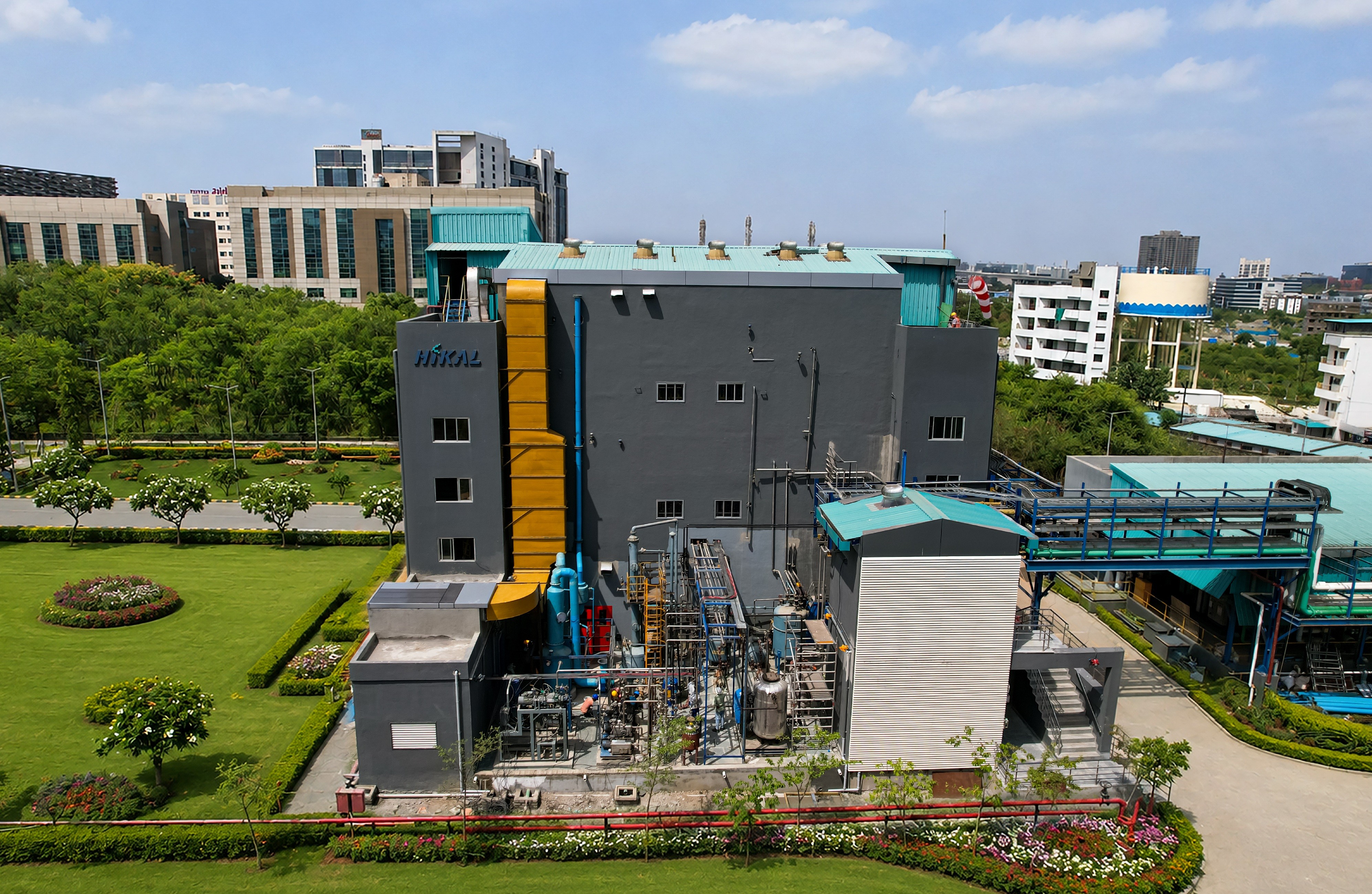
    Pune, Maharashtra  July 23: Hikal Limited, a leading partner to global pharmaceutical, crop protection and specialty chemical companies, has announced the successful commissioning of its enhanced current Good Manufacturing Practice (cGMP)-compliant pilot plant facility at its Pune Research & Technology (R&T) campus. The expansion strengthens Hikal’s integrated capabilities across process development, scale-up, technology transfer and clinical-stage manufacturing at its Innovation Campus at Pune, enabling the company to partner more effectively with global pharmaceutical customers from early development through commercial manufacturing readiness.

    The upgraded pilot plant supports process development, technology transfer and clinical-stage manufacturing while adhering to global quality and regulatory expectations. By creating a stronger bridge between laboratory-scale research and commercial-scale production, the facility is designed to help customers accelerate development timelines, improve process robustness and generate high-quality material for regulated development programmes. It also enables the manufacture and supply of preclinical and clinical-phase development materials from the same R&T campus, allowing scientists and engineers to closely monitor processes, enhance cross-functional collaboration and reduce technology-transfer timelines to support timely project delivery for its innovator customers

    The new pilot facility is designed to support flexible, cGMP-compliant scale-up across a wide range of chemistries. Its infrastructure includes reactors ranging from 20 litres to 2,000 litres, with stainless steel and glass-lined materials of construction as well as distillation and filtration through advanced equipment, including Hastelloy Agitated Nutsche Filter Dryers (ANFD) The facility also offers broad process capabilities, including cryogenic reactions, hydrogenation capabilities and high-temperature reactions and high-vacuum distillation capabilities. etc.

    Commenting on the development, Sameer Hiremath, Vice Chairman and Managing Director of Hikal, said: “The commissioning of our cGMP pilot plant is an important step in strengthening Hikal’s pharmaceutical development and scale-up platform. It enhances our ability to support customers as they move from laboratory development to larger-scale, clinical development programmes, while staying anchored in quality, safety and compliance.”

    The expansion reflects Hikal’s continued investment in research, development and manufacturing infrastructure to meet the evolving needs of global pharmaceutical customers while maintaining high standards of quality, safety and compliance.