Blog

  • 73 Strings Launches Global Operating Model from New York to Power Next Phase of Growth in Private Markets

    Jazmin Hogan to lead global client organization in next phase of growth     

    New York, NY – April 23, 2026 – 73 Strings, the AI-native platform for valuation and portfolio intelligence, today announced the launch of a unified global operating model, bringing together its technology, expertise and client network to deliver the next generation of insights for alternative asset managers.

    As part of this evolution, Jazmin Hogan has been appointed Global Head of Client Operations, based in New York, where she will lead the company’s global client organization.

    With over 20 years of experience as a client-side valuation and analytics professional, including leadership roles at Apollo Global Management Inc., The Blackstone Group and Kohlberg & Company, Jazmin will drive a consistent, high-quality experience across regions, ensuring clients benefit from the full breadth of 73 Strings’ platform, expertise and innovation.

    A key advantage of this global model is a connected client community. Clients benefit not only from 73 Strings’ SMEs, but from shared insight across some of the world’s leading alternative asset managers.

    “Private markets are entering a new era, defined by data, AI and the need to operate at scale,” said Yann Magnan, Chief Executive Officer and Co-founder of 73 Strings. “Our global operating model brings together our platform, our people, and our clients into one connected ecosystem. It allows us to innovate faster and help our clients stay ahead, while maintaining the rigor and trust that underpin investment decisions. Jazmin will play a central role in bringing this vision to life by leading our model.”

    This move marks a significant step in the company’s evolution, aligning its global teams to better support clients operating at scale across private equity, private credit, venture capital, infrastructure and multi-asset strategies.

    At the core of 73 Strings is a single, integrated platform that combines valuation, portfolio monitoring and data extraction, powered by AI and built by practitioners. The firm continues to invest heavily in its technology and AI capabilities, enabling clients to scale operations and unlock deeper portfolio insight.

    73 Strings combines advanced technology with deep domain expertise. Its team of valuation and portfolio specialists, including former industry leaders across private markets, ensures the platform reflects the realities of complex assets, delivering outputs that are robust and audit-defensible.

    As a global, AI-first platform, 73 Strings brings together market insight, data and technology to help clients stay ahead of market shifts. At the same time, it remains focused on delivering consistent, transparent insights on complex assets at scale, without reliance on fragmented, spreadsheet-driven processes.

    This announcement follows continued investment in 73 Strings’ platform, with recent enhancements improving performance, scalability and AI-driven capabilities across core workflows.


  • AAVantgarde to Participate in ARVO 2026, with Presentations at Key Pre-events and New Clinical Data from the LUCE Phase 1/2 Study

    MILAN, 23 April, 2026AAVantgarde Bio (AAVantgarde), a clinical-stage biotechnology company pioneering next-generation gene therapies for inherited retinal diseases (IRDs) has today announced its participation in the upcoming Association for Research in Vision and Ophthalmology (ARVO) Annual Meeting 2026, taking place May 3-7 in Denver (CO).

    The Company will present preliminary safety and efficacy data from all participants (n=15) in the LUCE-1 Phase 1/ 2 Clinical Trial, alongside key pre-event presentations at Eyecelerator and the Foundation Fighting Blindness’s Retinal Therapeutic Innovation Summit (RTIS) on May 1, 2026.

    ARVO Presentation details:

    Date and Time: Sunday, 3rd May 2026; 2:00 – 3:45 p.m.

    Session: Stem cell and gene therapy

    Location: Exhibit Hall

    Poster 0636: Interim analysis of the LUCE-1 trial: a Phase I/II Trial investigating AAVB-081 gene therapy in Usher Syndrome Type1B (USH1B) caused by biallelic mutations in the MYO7A gene

    Presenter: Francesco Testa, MD, PhD

    EYECELERATOR @ ARVO 2026 Presentation details:

    Location: Bluebird Ballroom, The Colorado Convention Center, Denver, CO

    Session: Breakout: Durable Retina Therapeutics – Gene Therapy & Drug Delivery

    Location: Room 403

    Date: 1st May 2026

    Time: 1.30 pm

    Presenter: Dr. Natalia Misciattelli, CEO

    RTIS Presentations details:

    Location: Sheraton Denver Downtown Hotel; 1550 Court Place; Denver, CO 80202

    Date: 1st May 2026 


    Presentation 1:

    Session: Sponsor Presentation

    Time: 3.25 pm

    Presenter: Dr. Natalia Misciattelli, CEO

    Presentation 2:

    Session: Session 7 – Retinal Gene Augmentation: Clinical

    Title: Design and Early Clinical Insights from LUCE: Dual-Vector MYO7A Gene Therapy in Usher Syndrome Type 1B

    Time: 4.00 pm

    Presenter: Dr. Jayashree Sahni, CMO

  • Texas Children’s Researcher Awarded $6.7 Million NIH Grant to Accelerate Alzheimer’s Drug Discovery and Advance New Therapies

    HOUSTON (April 23, 2026) – Dr. Damian Young, investigator at Texas Children’s Duncan Neurological Research Institute (Duncan NRI) and director of the Center for Drug Discovery at Baylor College of Medicine, along with collaborators, has been awarded a $6.7 million grant from the National Institute on Aging (NIA), part of the National Institutes of Health (NIH), to develop new approaches to rapidly identify potential treatments for Alzheimer’s disease and related dementias with the goal of accelerating the discovery of new therapies. 

    While Alzheimer’s is often associated with aging, researchers at Texas Children’s are uniquely positioned to study it. By examining how the brain develops and functions early in life, scientists can better understand how those same systems break down over time—revealing new opportunities to prevent and treat neurodegenerative disease.

    Texas Children’s Researcher Awarded $6.7 Million NIH Grant to Accelerate Alzheimer’s Drug Discovery and Advance New Therapies

    This five-year project brings together experts in chemistry, artificial intelligence and translational science to tackle one of the most complex challenges in Alzheimer’s research—quickly identifying therapies that are both safe and effective.

    “This grant will enable the most expansive screening effort to date for compounds targeting Alzheimer’s disease,” Dr. Young said. “By integrating cutting-edge biological insights from Alzheimer’s disease research worldwide with a highly innovative chemistry and machine learning platform, we aim to unlock new opportunities for discovery. This work will represent the first critical step toward developing transformative therapies for Alzheimer’s disease and related dementias.”

    Alzheimer’s disease and related dementias affect millions of people worldwide, yet developing new treatments remains a slow and complex process. One of the biggest challenges is identifying which molecules can successfully target the biological drivers of disease and reach the brain in a safe and effective way.

    To address this, Dr. Young’s team will use DNA-encoded chemical libraries, a technology that allows researchers to screen hundreds of millions of potential drug compounds at once. Each compound carries a unique DNA “barcode,” enabling scientists to quickly identify which molecules interact with proteins linked to Alzheimer’s.

    The team will then use artificial intelligence and machine learning to analyze the data and predict which compounds are most likely to succeed—significantly reducing the time from early discovery to viable drug candidates. Ultimately, this approach is designed to shorten the timeline for identifying new treatments—bringing potential therapies to patients faster and with greater precision.

    The project will move through multiple phases, starting with large-scale screening and advancing to refining the most promising compounds to improve their strength, safety and ability to reach the brain. Researchers will also explore whether existing drugs can be repurposed, potentially accelerating the path to clinical testing.

    A key component of the project is its open science approach. Data and compounds generated—including results from screening more than 900 million unique compounds—will be shared publicly, enabling researchers worldwide to build on the findings and advance new treatments. An internal advisory board of Texas Children’s and Baylor faculty consisting of Drs. Huda ZoghbiJoshua ShulmanHugo Bellen, and Juan Botas will provide critical expertise in prioritizing protein targets most strongly implicated in Alzheimer’s disease.

    The work will be supported in part through collaboration with the Structural Genomics Consortium, which will provide critical protein targets needed for the research.

    This research reflects Texas Children’s commitment to solving the unsolvable by advancing innovative, collaborative approaches to complex neurological diseases. Insights gained from pediatric research often inform adult treatments, and discoveries in adult disease can in turn accelerate breakthroughs in children’s health. By bridging these areas, researchers at the Duncan NRI are helping drive progress across the full spectrum of neurological disease, with the goal of improving outcomes for patients of all ages. For patients and families affected by Alzheimer’s and related dementias, this work represents a critical step toward earlier detection, more effective treatments and ultimately, prevention.

  • Rajasthan Royals Secure Dominant 40-Run Victory Over Lucknow Super Giants at Ekana Stadium

    Lucknow, April 23: Rajasthan Royals (RR) produced a clinical all-round performance to defeat Lucknow Super Giants (LSG) by 40 runs in a low-scoring encounter at the Ekana International Cricket Stadium. Defending a modest total of 159/6, RR’s disciplined bowling attack dismantled the LSG batting unit, bowling them out for 119 in 17.6 overs.

    Rajasthan Royals Secure Dominant 40-Run Victory Over Lucknow Super Giants at Ekana Stadium

    Despite losing the toss and being asked to bat first, Rajasthan Royals managed to post a competitive total, anchored by a steady batting effort led by Ravindra Jadeja, who played a composed unbeaten knock and ensured RR reached a defendable score. Contributions from the middle order helped RR recover from early pressure and accelerate in the death overs.

    In response, Lucknow Super Giants struggled from the outset as Rajasthan’s pace attack struck early and repeatedly. The top order collapsed under sustained pressure, leaving LSG reeling at 11/3 inside the first few overs. Although Mitchell Marsh offered resistance with a fighting half-century, regular breakthroughs prevented any meaningful partnership from developing.

    Jofra Archer spearheaded the bowling effort with a match-winning spell, delivering incisive pace and precision to finish with 3 crucial wickets. He was well supported by Nandre Burger and the supporting bowling unit, who maintained tight lines and controlled the scoring rate throughout the innings. The collective effort ensured LSG never recovered from early setbacks and were eventually bowled out short of the target.

    The victory marks an important turnaround for Rajasthan Royals, boosting their position in the IPL 2026 standings, while Lucknow Super Giants continue to search for momentum in a challenging season.

    Brief Scores:
    Rajasthan Royals: 159/6 (20 overs)
    Lucknow Super Giants: 119 all out (17.6 overs)

    Result: Rajasthan Royals won by 40 runs
    Player of the Match: Ravindra Jadeja (RR)

    Rajasthan Royals will look to carry forward this winning momentum into their upcoming fixtures as the IPL 2026 season progresses.

  • AZAD Engineering Inaugurates Dedicated Lean Manufacturing Facility for Baker Hughes

    AZAD Engineering Inaugurates Dedicated Lean Manufacturing Facility for Baker Hughes

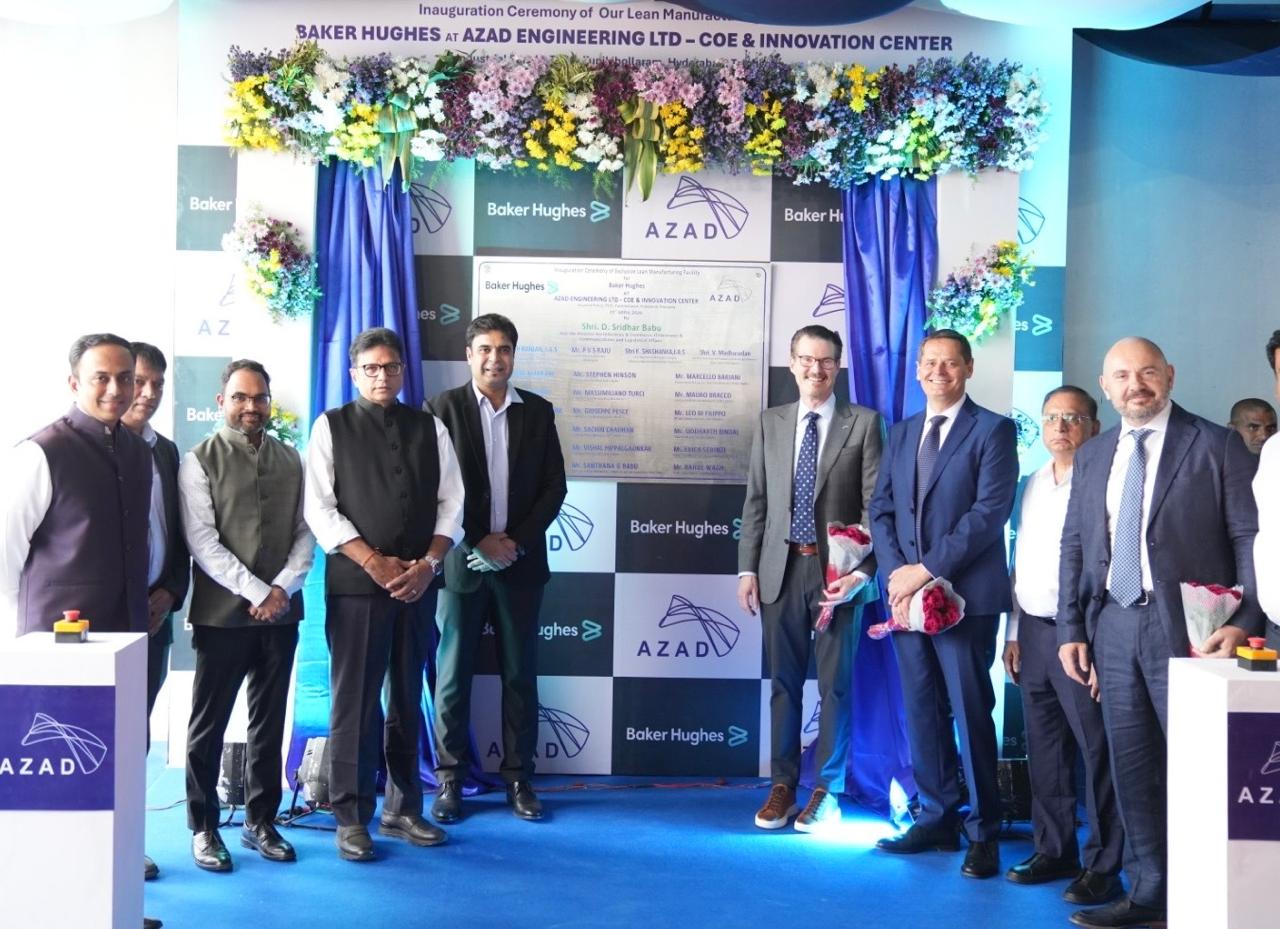
    Hyderabad, Apr 23: Azad Engineering, at the forefront of precision engineering, marked another significant milestone with the inauguration of a 7,600 sq. m. next-generation lean manufacturing facility at its Centre of Excellence in Tunikibollaram, Hyderabad, this facility is built to meet growing commitments to support global energy technology company, Baker Hughes and is aligned with global manufacturing standards.

    The facility was inaugurated by distinguished leaders from Telangana’s industry leadership, including Shri. D. Sridhar Babu, Hon’ble Minister for Industries & IT, Government of Telangana; Shri. K. Shashanka, VC & MD, TGIIC; Shri. V Madhusudan, Director, Investment Promotion, Inds & Commerce Department, Government of Telangana, Shri. Praveen P A, Director- Aerospace & Defence, Government of Telangana and Mr. PVS Raju, Mr. Davide Marrani (Vice President- IET Operations), Mr. Stephen Hinson (Sourcing Vice President), Mr. Marcello Bariani (Vice President- IET Procurement and Logistics), Mr. Vishal Murgudkar, (Senior Sourcing Director, India) along with other senior leadership from Baker Hughes and our Chairman & CEO Mr. Rakesh Chopdar.

    What began in 2018 as a highly demanding engagement to supply critical rotating airfoils for Gas & Steam Turbine Finish stages has evolved into a deep and strategic manufacturing collaboration. The journey to this milestone has been defined by rigor, resilience, and relentless capability building. Over the years, Azad Engineering successfully navigated one of the most stringent global qualification pathways, encompassing multiple-grade raw material qualifications, complex process validations, and product-level approvals across critical components. In parallel, Azad also developed and certified a robust sub-tier ecosystem for specialized processes, ensuring full compliance with global standards across the value chain. Each stage demanded precision, consistency, and the ability to meet uncompromising technical benchmarks set by Baker Hughes which Azad Engineering successfully achieved.

    Through vertical integration, advanced quality systems, state-of-the-art infrastructure and disciplined execution along with building skilled talent capable of delivering components with micron-level precision consistently and at scale, Azad has earned a reputation for delivering under the most stringent timelines and specifications. Today, Azad is also a key participant in the Baker Hughes- Oilfield Services and Equipment program, an integral part of its global supply chain strategy.

    Key facility highlights:

    ●      Built for scale, speed, and precision

    ●      7,600 sq. m. advanced lean manufacturing infrastructure

    ●      Engineered for high-precision, high-volume Baker Hughes IET programs

    ●      ~230 skilled professionals onboard

    ●      Cutting-edge equipment and process flow designed for productivity excellence

    ●      Fully integrated with Azad’s COE & Innovation Centre ecosystem

    ●      Contributing to India’s growing global manufacturing strength

    Marking the occasion, Mr. Rakesh Chopdar, Chairman and CEO, Azad Engineering, said: “The inauguration of this dedicated lean manufacturing facility is a defining milestone in our eight-year journey with Baker Hughes, a partnership that began in 2018 with one of the most rigorous qualification pathways we have ever undertaken. Our journey with Baker Hughes began with supplying critical rotating airfoils for Gas and Steam Turbine Finish Stages, and has since grown into a deep, strategic partnership for the Industrial & Energy Technology business. This 7,600 sq. m. facility at our Centre of Excellence in Tunikibollaram, Hyderabad is part of our deliberate strategy to build a dedicated, world-class manufacturing facility complete with in-house special process capabilities exclusively for Baker Hughes. With about 230 skilled professionals on board, we are creating a high-precision ecosystem capable of delivering complex components at volume and with tolerances measured in microns. This facility is also a statement of confidence in India’s manufacturing future and Azad’s commitment to being at the forefront of it.” 

    Commenting on the occasion, Mr. Davide Marrani (Vice President- IET Operations, Baker Hughes) said: “Azad Engineering’s new facility is a significant milestone that strengthens Baker Hughes’ global supply chain and supports our long-term growth strategy. This expansion enables Azad to deliver scalable, high-quality manufacturing that meets the needs of our business worldwide. Collaborations like this are essential to building a resilient and competitive global supply chain, and we are proud to celebrate this next chapter together.” 

    Speaking on the occasion, Shri. D. Sridhar Babu, Hon’ble Minister for Industries & IT, Government of Telangana, said: “Today marks a proud moment for Telangana as Azad Engineering inaugurates its state-of-the-art facility for Baker Hughes at Tunikibollaram, a true embodiment of ‘Make in India’ and ‘Make in Telangana.’ I warmly welcome Baker Hughes, a global energy technology leader operating in over 120 countries, for choosing Hyderabad as its Make in India site, and I congratulate Mr. Rakesh Chopdar and the Azad Engineering family on this remarkable milestone. Telangana’s precision engineering sector has grown 30% year-on-year for a decade, with exports surging 103% last year alone, supported by over 1,500 MSMEs and repeat investments from global OEMs like Lockheed Martin, Boeing, GE Aviation, Safran, Airbus and Honeywell. Backed by India’s most progressive industrial policy and tailor-made incentives, our vision is to move beyond manufacturing and establish Telangana as a Global Centre for Engineering Innovation. This partnership between Baker Hughes and Azad Engineering is a blueprint for the world-class collaborations our ecosystem is built to deliver.” 

    On the milestone, Mr. Vishnu Malpani, Executive Director, Azad Engineering, said: “This facility is the result of years of disciplined investment across every layer of our manufacturing ecosystem, from multi-grade raw material qualifications and complex process validations to the development of a fully certified sub-tier network for specialized processes. Each of these steps was non-negotiable, because the standards Baker Hughes holds its supply chain to are among the most exacting in the world. This lean state-of-the-art manufacturing facility we have built here has been engineered specifically for high-precision, high-volume global OEM production, with process flows designed to deliver productivity excellence without compromising on quality.  As global demand for power generation continues to grow, this facility positions Azad to not just respond to that demand, but to lead in fulfilling it.” 

    This is Azad Engineering’s fourth dedicated facility inauguration, adding to earlier expansions and underscoring the company’s aggressive capacity build-out to meet surging global demand across Aerospace, Defence, Energy, and Oil & Gas sectors.

    This inauguration is more than an expansion. It is a clear statement of intent. Azad Engineering is not just participating in global precision manufacturing; it is shaping it.

  • MI vs CSK Clash at Wankhede: Dhoni and Rohit Fitness Doubts Loom Over High-Stakes Encounter

    Bhubaneswar, April 23(BNP): Cricket’s fiercest rivalry is set to light up the Mumbai Indians (MI) versus Chennai Super Kings (CSK) encounter at the Wankhede Stadium tonight, but major uncertainty surrounds the availability of two iconic players — MS Dhoni and Rohit Sharma — due to injury concerns.

    MI vs CSK Clash at Wankhede: Dhoni and Rohit Fitness Doubts Loom Over High-Stakes Encounter

    The IPL 2026 Match 33 is scheduled for 7:30 PM IST, with both teams heading into the contest under contrasting fitness and selection dilemmas ahead of the high-profile “El Clasico” of the tournament.

    Fitness Updates

    MS Dhoni is reportedly unlikely to feature for CSK due to a calf strain sustained earlier in the season. While he has participated in net sessions, team sources indicate that the veteran wicketkeeper-batter is still not fully match-fit. A final decision will be taken closer to the toss, depending on medical clearance and player readiness.

    For CSK, Dhoni’s potential absence continues to be a significant factor, especially given his leadership experience and finishing ability. If he does play, he is expected to be managed carefully, with the Impact Player role being a possible option.

    On the Mumbai Indians side, Rohit Sharma is also facing a late fitness test after suffering a hamstring injury earlier this month. He has been seen batting in controlled net sessions, but reports suggest he has avoided high-intensity shots, indicating a cautious recovery approach. His participation will be decided at the toss.

    Tactical Considerations

    If Rohit Sharma is declared fit but deemed unfit for fielding, Mumbai Indians may deploy him as an Impact Player to maximize his batting contribution while minimizing physical strain. In his absence, MI may continue with alternative opening combinations.

    CSK, currently managed by Ruturaj Gaikwad, is closely monitoring Dhoni’s recovery progress. Team management has emphasized that Dhoni will only return when fully cleared by medical staff.

    Match Context

    The MI vs CSK rivalry remains one of the most iconic matchups in cricket, with MI holding a narrow historical edge in head-to-head records. However, CSK has shown stronger recent form in previous encounters, setting the stage for another tightly contested battle.

    With both franchises dealing with leadership pressure, injury uncertainty, and playoff implications, tonight’s clash is expected to be as much about tactical depth and squad balance as individual brilliance.

    Final playing XIs for both teams will be confirmed at the toss, with millions of fans awaiting clarity on the participation of two of the IPL’s most influential figures.

  • A Fresh Take on the ‘COVID Generation’: How the Pandemic May Have Changed Young People for the Better

    By: Lisa Marshall

    At the peak of the pandemic in 2021, teenagers from Sackets Harbor, New York, got certified as ambulance drivers and took over running the local emergency medical service when the usual, much older, volunteers had to step away due to COVID-19 concerns.

    In Los Angeles, youth with the nonprofit Teen Line fielded texts and calls around-the-clock from peers struggling with mental health issues amid isolating school lockdowns.

    Elsewhere, kids as young as 5 years old assembled care packages for community members in need, while teens fired up their schools’ 3D printers to churn out face coverings for essential workers.

    “It is true that the pandemic was a very difficult time for many young people. But there is also a quieter, equally important story that needs to be told,” said sociologist Lori Peek, director of the Natural Hazards Center at CU Boulder. “For some young people, it was also an awakening—a realization that they had the capacity to do something in the face of a crisis.”

    In a new paper, published in the Journal of Hazard Literacy, Peek and her colleagues tell that story, analyzing more than 115 pandemic-era news articles to offer a fresh take on what some have referred to as the COVID generation.

    Having grown up in the shadow of a global pandemic, with increased threats of natural disasters and mass shootings, today’s kids and young adults have often been framed as victims. But through her latest research, Peek who has spent her career studying how disasters impact children and youth—illustrates the oft-overlooked strengths they bring to bear in times of crisis.

    They can relate to young people in ways that adults can’t. They are fluent in digital technologies. And they often have more available energy and free time than busy adults can muster, she said. They’re also, as the paper concludes, more “disaster literate,” meaning they can identify who needs help and come up with creative solutions.

    “With the rise in the number of disasters globally, we are growing a more disaster-literate generation,” said Peek. “The question now is, how do we harness what these young people have to offer?”

    ‘Disasters are not equal opportunity events’

    “Ring” by 17-year-old Shashank Salgam. “Me and my peers were hit hard by the isolation of quarantine, but we’re rebounding with a resolve to connect beyond boundaries,” wrote the young artist in the caption of his painting.

    For the study, Peek worked with Zoe Lefkowitz and Melissa Villarreal, both research assistants at the Natural Hazards Center and doctoral candidates in the sociology department, to develop a database of pandemic-related news articles from 2020 to 2023. 

    Most of the thousands of articles they found focused on kids’ vulnerabilities and what adults were doing to help them. They then conducted a qualitative analysis of 115 stories that included children’s voices, analyzing and coding them.

    They found eight distinct ways kids behaved altruistically. 

    They ranged from making or collecting and distributing supplies, money and food, to creating art and offering emotional support for peers, to participating in vaccine research.

    Peek noted that the children featured in the stories tended to, almost instinctively, recognize that some groups—like the elderly, people with disabilities, the unhoused and lower-income families—were hit harder than others.

    “Disasters are not equal opportunity events, and kids realize this,” said Peek.

    Lefkowitz was particularly moved by the story of 10-year-old Kaylan Park, who stood at a podium before a booing crowd at a school board meeting near Akron, Ohio, to support extending the district’s mask mandate after the omicron variant emerged.

    “My teacher tells me when you do something for other people, they can do it back,” Park told the school board that day, wearing a mask reading “masks save lives.” “You’re showing kindness.”

    Lefkowitz also pointed to other “micro” acts of altruism. Around the country, children painted rocks with messages like, “The best is yet to come,” and “This will pass,” and placed them along sidewalks around their neighborhood. Another put on a “mini prom” for his babysitter to help her celebrate the milestone she missed during school lockdowns.

    Lasting impacts

    It’s unclear how these experiences are shaping children’s lives today, but research on adults offers clues.

    One study looked at adults who volunteered to help after the 9/11 attacks in New York City. Years later, they reported that the experience had helped them heal from their own trauma and made them feel more connected to their community and empowered to create change.

    “I would like to think that these children in our study understand the impact they made and that it changed their opinion of themselves,” said Lefkowitz. “I also hope they will remember the empathy they felt and, as they grow older, that will encourage them to address other inequalities that they see.”

    Peek cautioned that she does not intend to “romanticize” the pandemic. It had real, negative impacts on children, their families, their schools and their communities. Oftentimes, kids had to step up because the institutions created by adults failed them.

    But, if we overlook their agency, she said, we might undermine an opportunity to build a more resilient generation that is ready for the next disaster. She advises policymakers to create and support youth advisory boards to give young people a voice on pressing community issues and crises.

    For parents who may be uncertain how to talk to their children about an ongoing disaster, she offered this advice: Ask them what they would like to do to help.

  • Third Wave Coffee Launches ‘Third Rush’ A Playground for Desserts Built for Every Mood

    Third Wave Coffee Launches ‘Third Rush’  A Playground for Desserts Built for Every Mood

    Bangalore, Apr 23: Plans are overrated. Cravings aren’t. And Third Wave Coffee is leaning right into that feeling with the launch of Third Rush — a bold new dessert brand designed for impulse, indulgence, and everything in between.

    Built on the idea of being “Made for the Mood”, Third Rush flips the script on how we think about desserts. It’s not about waiting for the perfect occasion; it’s about giving in to the moment. Whether it’s a spontaneous celebration, a post-work wind-down, or simply a late-night craving with friends, Third Rush is where moods turn into something delicious.

    As café culture continues to evolve, especially with younger consumers choosing cafés over bars for unwinding, Third Rush positions itself as the perfect after-7 PM destination. A space where you walk in undecided, and within minutes, you’re sharing bites, ordering seconds, and stretching conversations longer than planned.

    Speaking on the launch, Rajat Luthra, CEO, Third Wave Coffee, said, “With Third Rush, we’re building something that goes beyond dessert as a category and instead focuses on dessert as an experience. Third Wave Coffee has always been envisioned as a young, fun brand, one that understands how our consumers like to spend time, connect, and unwind. With Third Rush, we’re extending that philosophy into a new space, continuing to build concepts that feel relevant to their evolving lifestyles and social habits. The way consumers engage with cafés today is changing; it’s more social, more spontaneous, and deeply rooted in emotion. Third Rush is our response to that shift. It’s designed to be high-energy, welcoming, and a little indulgent, a space where people can come together, unwind, and fully lean into the moment, whatever that mood may be.”

    At the heart of Third Rush is a menu that feels both comfortingly familiar and excitingly new – a curated mix of throwback favourites, crowd-pleasers, and playful, new-age indulgences.

    The brand puts a spotlight on Tres Leches as one of its hero categories, and this is where things get seriously fun. Leading the lineup is a playful, nostalgia-loaded Jim Jam–inspired version. For coffee lovers, there’s the Third Wave Tres Leches, infused with the brand’s signature cold brew, bringing coffee and dessert together in a way that feels familiar, but just a little more exciting. It’s the kind of menu where you come for one and end up trying three.

    Beyond this, the menu opens up into layers of indulgence with soft, decadent Layered Cakes, where even the classics get a playful spin. At Third Rush, familiar favourites like the OG Chocolate Cake and Pineapple Cake are reimagined from their usual round form into logs, sliced to serve, so every layer is perfectly visible in each bite. It’s nostalgic, but designed to be a little more visual, a little more shareable. Alongside these are elevated options like Chocolate Pistachio, Carrot & Cream Cheese, and Passionfruit Vanilla, balancing richness with freshness, and comfort with a touch of the unexpected.

    For those who love a little drama in every bite, the Stacks are Third Rush’s take on layered desserts – creamy puddings, crunchy biscuit crumbles, and bold, mood-lifting flavours all coming together in one indulgent moment. From Banana Custard and Strawberry Hazelnut to the ever-addictive Biscoff, each one is built to be scooped, shared, and gone in seconds. Nostalgia makes a strong comeback with playful throwbacks like the Parle-G Stack and a revamped Bombay Cassata, bringing back classic flavours, but cooler, creamier, and far more indulgent. And for the coffee loyalists, the Third Wave Stack ties it all together with a rich, coffee-forward twist that feels right at home.

    The indulgence continues with a wide selection of tarts and pies, including Banoffee, Lemon, and Raspberry Pistachio, as well as more experimental offerings like Matcha White Chocolate and Chocolate Caramel tarts, each designed to deliver a perfect balance of richness and bite.

    For those who lean towards classic decadence, there’s a range of mousses and cheesecakes, from a velvety Triple Chocolate Mousse to a perfectly caramelised Basque Cheesecake, alongside flavour-forward options like Blueberry Lemon and Biscoff Basque Cheesecake. Rounding off the experience are warm, comforting desserts like molten skillet cookies, indulgent brownies including a Pistachio Kunafa Brownie, and Cookies that are equal parts chewy and rich, perfect for those moments when one dessert simply isn’t enough.

    Launching first in Bangalore, Third Rush will soon expand into Third Wave Coffee cafés across the country, adding a new dimension to the brand’s already strong community-driven approach.

    More than just an extension, Third Rush is a natural evolution, one that builds on Third Wave Coffee’s understanding of its audience and their changing lifestyles. It continues to transform cafés into destinations for connection, comfort, and spontaneous joy, where great coffee is always at the heart of it all.

    Because sometimes, you don’t need a plan. You just need a place that gets your mood.

    Details:

    Address: Third Wave Coffee outlets — Koramangala 4th Block, Sadashivnagar, Indiranagar (CMH Road) & Vijaya Bank Layout

  • STCH Comes Out of Stealth with Dollar 5.5 Million Pre-Series A Funding from Omnivore and Kae Capital

    STCH Comes Out of Stealth with Dollar 5.5 Million Pre-Series A Funding from Omnivore and Kae Capital

    Bengaluru, India, Apr 23:  STCH, an AI-native CDMO platform for sustainable textile innovation — building the AI-driven fabric R&D and manufacturing platform that helps global fashion brands develop and deliver trend-aligned, high-performing, sustainable fabrics at scale — today announced its emergence from stealth with a $5.5 million PreSeries A funding round. The round was led by Omnivore, India’s leading agrifood and climate venture capital firm, with participation from Kae Capital and White Venture Capital.

    STCH leverages AI to identify global fashion trends, develop sustainable fabrics, and deliver them through its closely controlled manufacturing network across India and Asia.  

    STCH’s AI engine drives two critical functions: 

    ●        Fabric R&D — continuously innovating on textile recipes to enhance performance, while increasing the share of sustainable fibers, without compromising on the performance or price points of conventional synthetics 

    ●        Supply chain optimization — intelligently matching trending fabrics and designs with the right manufacturing capacities to enable agile, seamless production and delivery at scale 

    Until today, STCH has operated under the radar, building a rapidly growing order book now exceeding $15 million across the UK, Europe, the USA, and India, serving global brands including Roman, Joe Browns, Shein, Crocodile, Being Human, CP Brands, and Rainforest. For its customers, STCH develops high-performing textile formulations, enabling higher use of sustainable fibers while reducing dependence on petrochemical-based synthetics that contribute to microplastic pollution and harm ocean ecosystems. 

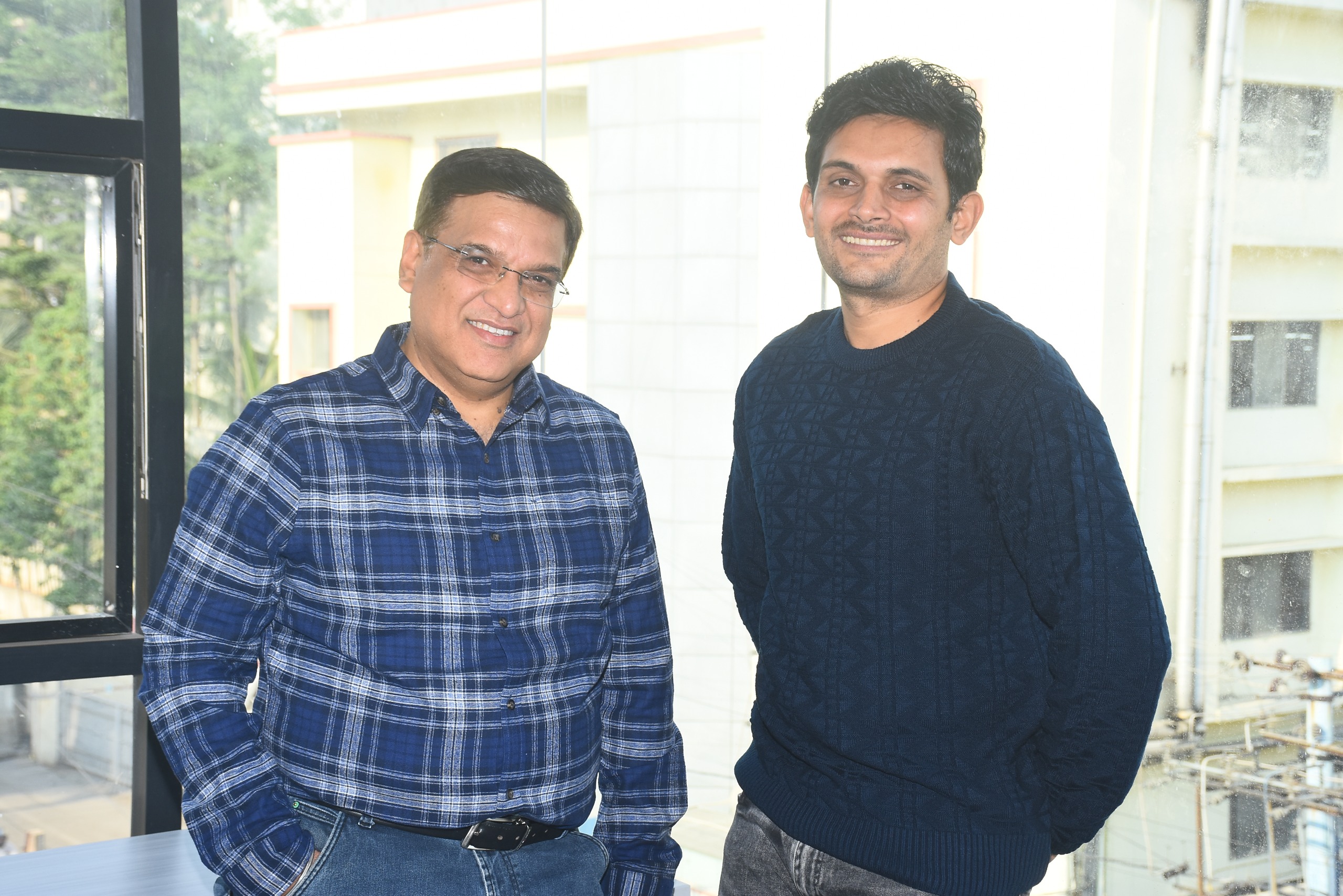
    STCH was founded by Narahari Payala and Aseem Chitkara, both formerly of Zetwerk, where Narahari built and led the textiles division globally at scale. Aseem brings deep industry expertise as a fabric veteran and former CXO across multiple textile mills. Their strong, long-standing relationships with global brands, mills, and manufacturers give STCH a distinct execution edge — building not just for materials innovation, but for how textile supply chains operate at commercial scale. 

    According to Narahari Payala, Co-Founder & CEO, “While much of AI innovation in fashion is focused on the front end — largely driven out of the US and Europe — the real opportunity lies deeper in the backend of the supply chain: fiber – fabric – manufacturing. That is where we are focused on driving disruption using AI. Fabric, in particular, remains the most critical — most cost-intensive — yet least optimized layer. With much of this activity centered in Asia, and improving trade dynamics — including free trade agreements with the UK and Europe as well as easing tariffs from the US — we believe this is a defining moment to build a globally leading, AI-native textile innovation powerhouse from India.” 

    Regarding their investment in STCH, Mark Kahn, Managing Partner at Omnivore, noted “Narahari and Aseem bring rare depth — they understand both the materials science and the supply chain realities of getting sustainable textiles to market at scale. India has the raw materials, the mills, and now — with STCH — the AI-native platform to become the world’s leading source of sustainable textile innovation.”

    The capital from the PreSeries A funding round will be used to expand STCH’s AI capabilities, build a world-class fabric R&D laboratory, deepen mill partnerships across India, and accelerate delivery to global fashion brands navigating increasingly urgent sustainability procurement mandates.

  • FIA President H.E Mohammed Ben Sulayem meets with Montenegrin Prime Minister Milojko Spajić

    FIA President H.E Mohammed Ben Sulayem meets with Montenegrin Prime Minister Milojko Spajić

    Discussions touched on how continued growth of Montenegro’s motorsport can help boost the economy

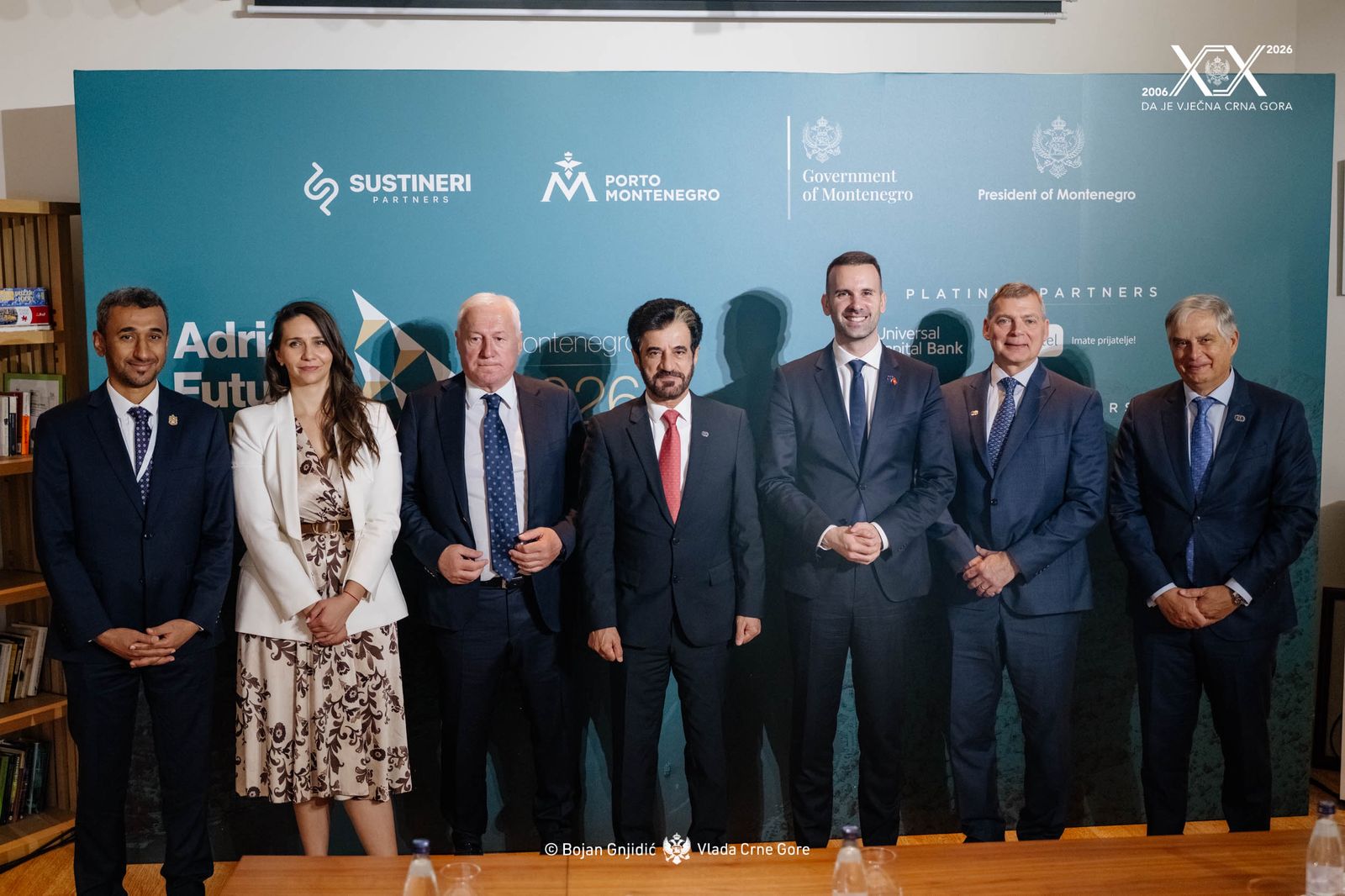
    Dubai, UAE, Apr 23: FIA President H.E Mohammed Ben Sulayem has met with Montenegrin Prime Minister Milojko Spajić to strengthen cooperation between the Fédération Internationale de l’Automobile (FIA) and Montenegro.

    The meeting in Tivat yesterday provided an opportunity to discuss the FIA’s leadership across both motorsport and mobility, and to explore areas of collaboration aligned with Montenegro’s national priorities.

    Motorsport and tourism were key topics of the meeting. The discussion touched on how the continued growth of Montenegro’s motorsport can help boost the economy, bring more visitors to Montenegro, and raise the country’s international profile, while ensuring events are run safely and sustainably.

    Another key focus was Montenegro’s ambition to become a regional leader in road safety. President Mohammed Ben Sulayem shared how the FIA helps countries use data to better understand accidents, improve roads, and make driving safer.

    This includes global tools like the FIA Road Safety Index (RSI), which helps track and measure progress using cutting-edge AI. Both leaders agreed that using data and new technology is essential to making real improvements for everyday road users.

    The Prime Minister and President also spoke about the importance of keeping people safe online through the FIA’s United Against Online Abuse (UAOA) campaign. They highlighted the need to promote respect and protect users, especially young people and those involved in sport, from online abuse.

    H.E. Mohammed Ben Sulayem, FIA President, said: Montenegro is a country with clear ambition to lead in road safety. We are delighted to work with them to help bring that ambition to life by combining innovation, data, and collaboration.

    “Together with the Auto-moto Association of Montenegro, we will work to deliver safer roads, more efficient mobility systems, and continued growth in motorsport, helping to build a future that is safer, more sustainable, and more connected for all.”

    The FIA President has been in Montenegro to attend the FIA Region I Spring Meeting hosted in Budva by the Auto-moto Association of Montenegro.

    Reaching its conclusion later today, the meeting brought together 102 FIA Member Clubs across Europe, the Middle East and Africa for three days of collaboration, innovation and knowledge sharing to advance safe and sustainable mobility for motorsport fans and road users.